Routledge Archaeology of Northern Europe – serie
Visar alla böcker i serien Routledge Archaeology of Northern Europe. Handla med fri frakt och snabb leverans.
10 produkter
10 produkter
2 176 kr
Skickas inom 10-15 vardagar
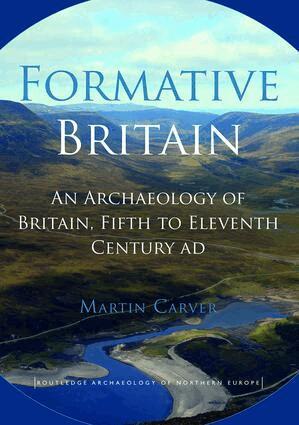
Formative Britain presents an account of the peoples occupying the island of Britain between 400 and 1100 AD, whose ideas continue to set the political agenda today. Forty years of new archaeological research has laid bare a hive of diverse and disputatious communities of Picts, Scots, Welsh, Cumbrian and Cornish Britons, Northumbrians, Angles and Saxons, who expressed their views of this world and the next in a thousand sites and monuments.This highly illustrated volume is the first book that attempts to describe the experience of all levels of society over the whole island using archaeology alone. The story is drawn from the clothes, faces and biology of men and women, the images that survive in their poetry, the places they lived, the work they did, the ingenious celebrations of their graves and burial grounds, their decorated stone monuments and their diverse messages. This ground-breaking account is aimed at students and archaeological researchers at all levels in the academic and commercial sectors. It will also inform relevant stakeholders and general readers alike of how the islands of Britain developed in the early medieval period. Many of the ideas forged in Britain’s formative years underpin those of today as the UK seeks to find a consensus programme for its future.
581 kr
Skickas inom 10-15 vardagar
Formative Britain presents an account of the peoples occupying the island of Britain between 400 and 1100 AD, whose ideas continue to set the political agenda today. Forty years of new archaeological research has laid bare a hive of diverse and disputatious communities of Picts, Scots, Welsh, Cumbrian and Cornish Britons, Northumbrians, Angles and Saxons, who expressed their views of this world and the next in a thousand sites and monuments.This highly illustrated volume is the first book that attempts to describe the experience of all levels of society over the whole island using archaeology alone. The story is drawn from the clothes, faces and biology of men and women, the images that survive in their poetry, the places they lived, the work they did, the ingenious celebrations of their graves and burial grounds, their decorated stone monuments and their diverse messages. This ground-breaking account is aimed at students and archaeological researchers at all levels in the academic and commercial sectors. It will also inform relevant stakeholders and general readers alike of how the islands of Britain developed in the early medieval period. Many of the ideas forged in Britain’s formative years underpin those of today as the UK seeks to find a consensus programme for its future.
2 316 kr
Skickas inom 10-15 vardagar
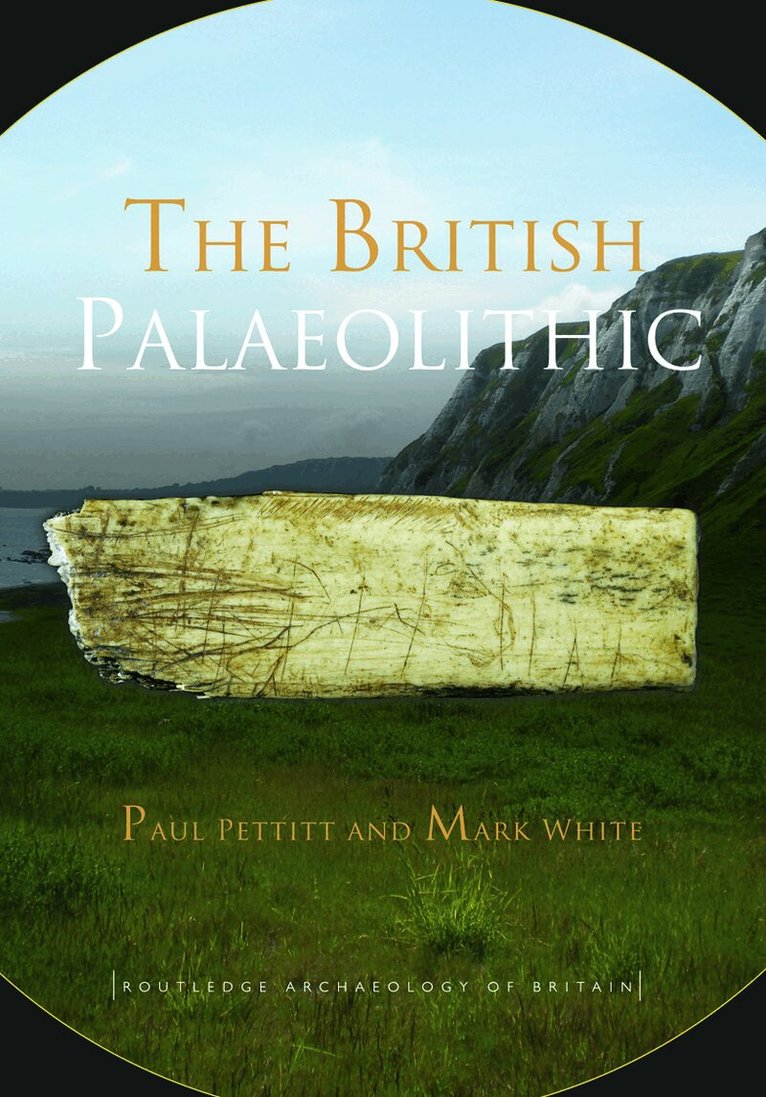
The British Palaeolithic provides the first academic synthesis of the entire British Palaeolithic, from the earliest occupation (currently understood to be around 980,000 years ago) to the end of the Ice Age. Landscape and ecology form the canvas for an explicitly interpretative approach aimed at understanding the how different hominin societies addressed the issues of life at the edge of the Pleistocene world. Commencing with a consideration of the earliest hominin settlement of Europe, the book goes on to examine the behavioural, cultural and adaptive repertoires of the first human occupants of Britain from an ecological perspective. These themes flow throughout the book as it explores subsequent occupational pulses across more than half a million years of Pleistocene prehistory, which saw Homo heidelbergensis, the Neanderthals and ultimately Homo sapiens walk these shores. The British Palaeolithic fills a major gap in teaching resources as well as in research by providing a current synthesis of the latest research on the period. This book represents the culmination of 40 years combined research in this area by two well known experts in the field, and is an important new text for students of British archaeology as well as for students and researchers of the continental Palaeolithic period.
707 kr
Skickas inom 10-15 vardagar
The British Palaeolithic provides the first academic synthesis of the entire British Palaeolithic, from the earliest occupation (currently understood to be around 980,000 years ago) to the end of the Ice Age. Landscape and ecology form the canvas for an explicitly interpretative approach aimed at understanding the how different hominin societies addressed the issues of life at the edge of the Pleistocene world. Commencing with a consideration of the earliest hominin settlement of Europe, the book goes on to examine the behavioural, cultural and adaptive repertoires of the first human occupants of Britain from an ecological perspective. These themes flow throughout the book as it explores subsequent occupational pulses across more than half a million years of Pleistocene prehistory, which saw Homo heidelbergensis, the Neanderthals and ultimately Homo sapiens walk these shores. The British Palaeolithic fills a major gap in teaching resources as well as in research by providing a current synthesis of the latest research on the period. This book represents the culmination of 40 years combined research in this area by two well known experts in the field, and is an important new text for students of British archaeology as well as for students and researchers of the continental Palaeolithic period.
595 kr
Skickas inom 10-15 vardagar
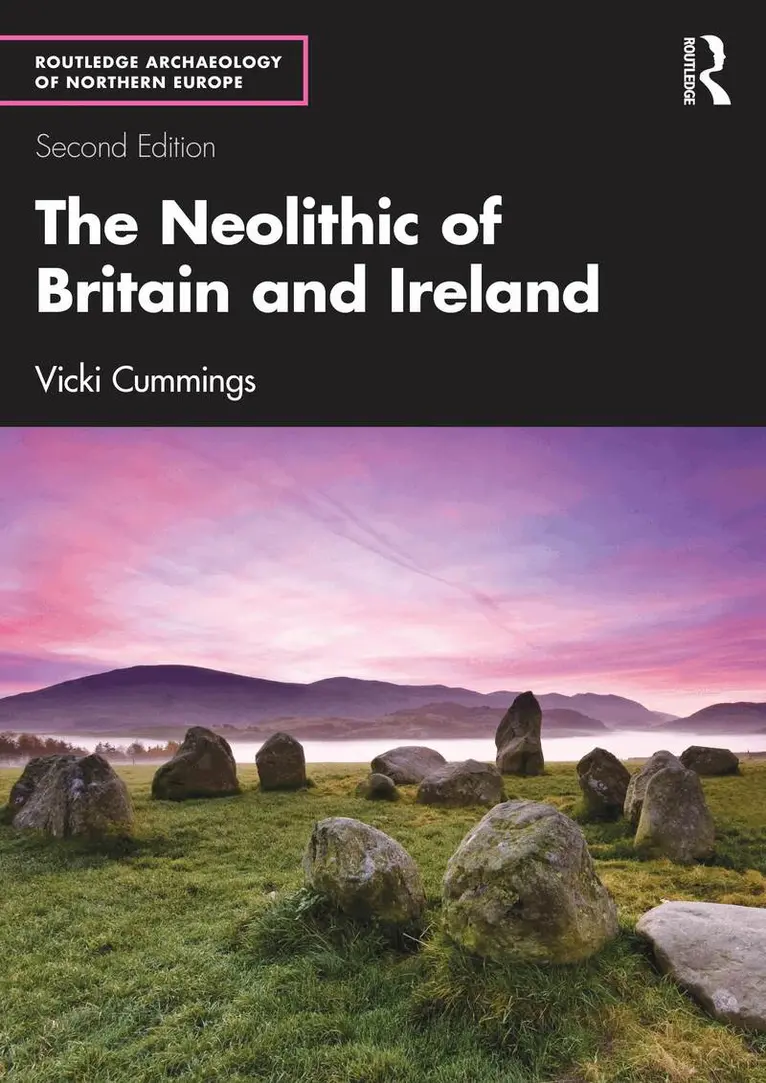
The Neolithic of Britain and Ireland provides a comprehensive overview of this exciting period, covering the last few hundred years of the Mesolithic and the arrival and spread of the Neolithic up to the start of the early Beaker period: roughly 2000 years of prehistory.Drawing on the latest excavations and the results of new scientific techniques, this book considers what life was like for people in the Neolithic and how they were treated when they died. It explores in detail the monuments constructed from stone and wood, the most famous of which is Stonehenge, but also includes many other sites such as chambered tombs and causewayed enclosures. It considers some of the key ways we interpret evidence from the Neolithic to offer insights into social organisation and belief systems at this time. The new edition contains the results of the latest ancient DNA evidence, which has seen this period of prehistory undergoing considerable revision in the last few years. Exciting new finds and excavations are also included.This is an accessible introduction for students new to the study of the Neolithic and also acts as a reference for students and scholars already researching this area.
2 176 kr
Skickas inom 10-15 vardagar
The Neolithic of Britain and Ireland provides a comprehensive overview of this exciting period, covering the last few hundred years of the Mesolithic and the arrival and spread of the Neolithic up to the start of the early Beaker period: roughly 2000 years of prehistory.Drawing on the latest excavations and the results of new scientific techniques, this book considers what life was like for people in the Neolithic and how they were treated when they died. It explores in detail the monuments constructed from stone and wood, the most famous of which is Stonehenge, but also includes many other sites such as chambered tombs and causewayed enclosures. It considers some of the key ways we interpret evidence from the Neolithic to offer insights into social organisation and belief systems at this time. The new edition contains the results of the latest ancient DNA evidence, which has seen this period of prehistory undergoing considerable revision in the last few years. Exciting new finds and excavations are also included.This is an accessible introduction for students new to the study of the Neolithic and also acts as a reference for students and scholars already researching this area.
2 176 kr
Skickas inom 10-15 vardagar
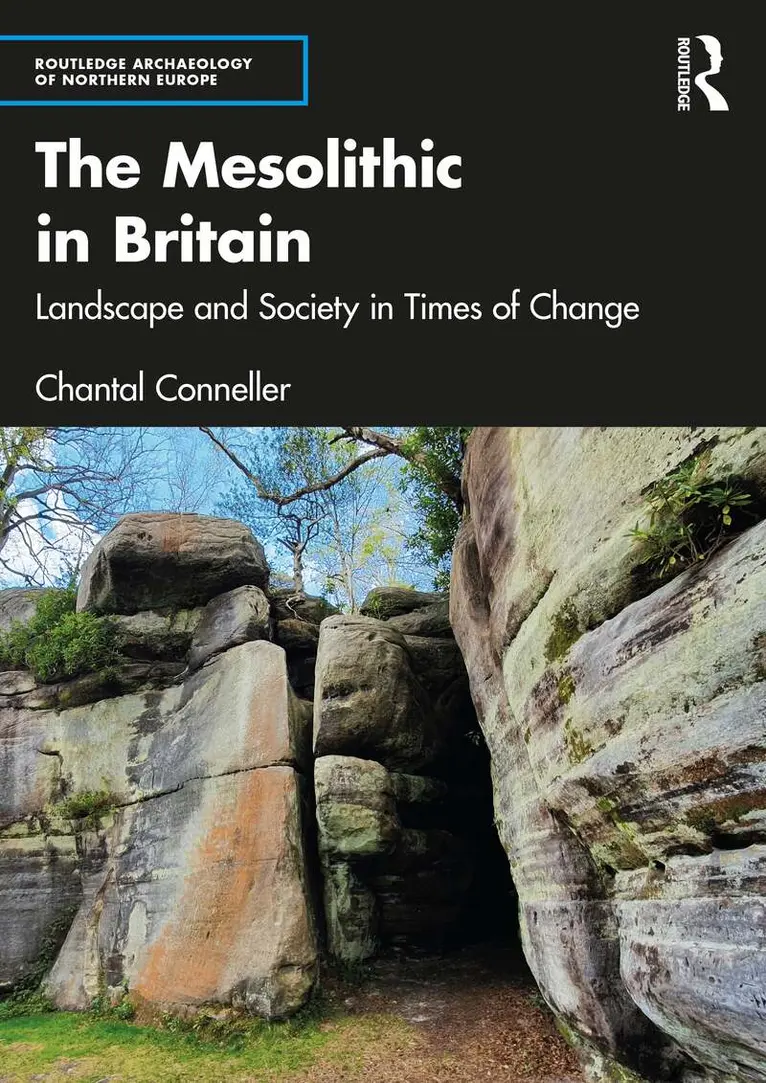
The Mesolithic in Britain proposes a new division of the Mesolithic period into four parts, each with its distinct character.The Mesolithic has previously been seen as timeless, where little changed over thousands of years. This new synthesis draws on advances in scientific dating to understand the Mesolithic inhabitation of Britain as a historical process. The period was, in fact, a time of profound change: houses, monuments, middens, long-term use of sites and regions, manipulation of the environment and the symbolic deposition of human and animal remains all emerged as significant practices in Britain for the first time. The book describes the lives of the first pioneers in the Early Mesolithic; the emergence of new modes of inhabitation in the Middle Mesolithic; the regionally diverse settlement of the Late Mesolithic; and the radical changes of the final millennium of the period. The first synthesis of Mesolithic Britain since 1932, it takes both a chronological and a regional approach.This book will serve as an essential text for anyone studying the period: undergraduate and graduate students, specialists in the field and community archaeology groups.
567 kr
Skickas inom 10-15 vardagar
The Mesolithic in Britain proposes a new division of the Mesolithic period into four parts, each with its distinct character.The Mesolithic has previously been seen as timeless, where little changed over thousands of years. This new synthesis draws on advances in scientific dating to understand the Mesolithic inhabitation of Britain as a historical process. The period was, in fact, a time of profound change: houses, monuments, middens, long-term use of sites and regions, manipulation of the environment and the symbolic deposition of human and animal remains all emerged as significant practices in Britain for the first time. The book describes the lives of the first pioneers in the Early Mesolithic; the emergence of new modes of inhabitation in the Middle Mesolithic; the regionally diverse settlement of the Late Mesolithic; and the radical changes of the final millennium of the period. The first synthesis of Mesolithic Britain since 1932, it takes both a chronological and a regional approach.This book will serve as an essential text for anyone studying the period: undergraduate and graduate students, specialists in the field and community archaeology groups.
1 570 kr
Tillfälligt slut
The Neolithic of Britain and Ireland provides a synthesis of this dynamic period of prehistory from the end of the Mesolithic through to the early Beaker period. Drawing on new excavations and the application of new scientific approaches to data from this period, this book considers both life and death in the Neolithic. It offers a clear and concise introduction to this period but with an emphasis on the wider and on-going research questions. It is an important text for students new to the study of this period of prehistory as well as acting as a reference for students and scholars already researching this area. The book begins by considering the Mesolithic prelude, specifically the millennium prior to the start of the Neolithic in Britain and Ireland. It then goes on to consider what life was like for people at the time, alongside the monumental record and how people treated the dead. This is presented chronologically, with separate chapters on the early Neolithic, middle Neolithic, late Neolithic and early Beaker periods. Finally it considers future research priorities for the study of the Neolithic.
441 kr
Tillfälligt slut
The Neolithic of Britain and Ireland provides a synthesis of this dynamic period of prehistory from the end of the Mesolithic through to the early Beaker period. Drawing on new excavations and the application of new scientific approaches to data from this period, this book considers both life and death in the Neolithic. It offers a clear and concise introduction to this period but with an emphasis on the wider and on-going research questions. It is an important text for students new to the study of this period of prehistory as well as acting as a reference for students and scholars already researching this area. The book begins by considering the Mesolithic prelude, specifically the millennium prior to the start of the Neolithic in Britain and Ireland. It then goes on to consider what life was like for people at the time, alongside the monumental record and how people treated the dead. This is presented chronologically, with separate chapters on the early Neolithic, middle Neolithic, late Neolithic and early Beaker periods. Finally it considers future research priorities for the study of the Neolithic.