Martin Carver - Böcker
Visar alla böcker från författaren Martin Carver. Handla med fri frakt och snabb leverans.
16 produkter
16 produkter
1 502 kr
Tillfälligt slut
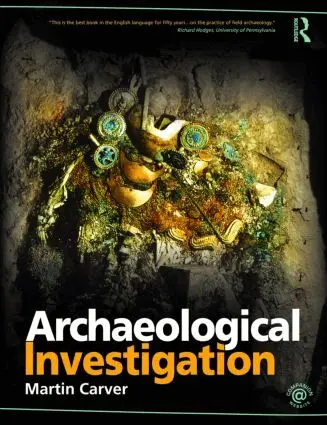
Drawing its numerous examples from Britain and beyond, Archaeological Investigation explores the procedures used in field archaeology travelling over the whole process from discovery to publication. Divided into four parts, it argues for a set of principles in part one, describes work in the field in part two and how to write up in part three. Part four describes the modern world in which all types of archaeologist operate, academic and professional. The central chapter ‘Projects Galore’ takes the reader on a whirlwind tour through different kinds of investigation including in caves, gravel quarries, towns, historic buildings and underwater. Archaeological Investigation intends to be a companion for a newcomer to professional archaeology – from a student introduction (part one), to first practical work (part two) to the first responsibilities for producing reports (part three) and, in part four, to the tasks of project design and heritage curation that provide the meat and drink of the fully fledged professional. The book also proposes new ways of doing things, tried out over the author’s thirty years in the field and brought together here for the first time. This is no plodding manual but an inspiring, provocative, informative and entertaining book, urging that archaeological investigation is one of the most important things society does.
496 kr
Tillfälligt slut
Drawing its numerous examples from Britain and beyond, Archaeological Investigation explores the procedures used in field archaeology travelling over the whole process from discovery to publication. Divided into four parts, it argues for a set of principles in part one, describes work in the field in part two and how to write up in part three. Part four describes the modern world in which all types of archaeologist operate, academic and professional. The central chapter ‘Projects Galore’ takes the reader on a whirlwind tour through different kinds of investigation including in caves, gravel quarries, towns, historic buildings and underwater. Archaeological Investigation intends to be a companion for a newcomer to professional archaeology – from a student introduction (part one), to first practical work (part two) to the first responsibilities for producing reports (part three) and, in part four, to the tasks of project design and heritage curation that provide the meat and drink of the fully fledged professional. The book also proposes new ways of doing things, tried out over the author’s thirty years in the field and brought together here for the first time. This is no plodding manual but an inspiring, provocative, informative and entertaining book, urging that archaeological investigation is one of the most important things society does.
2 151 kr
Skickas inom 10-15 vardagar
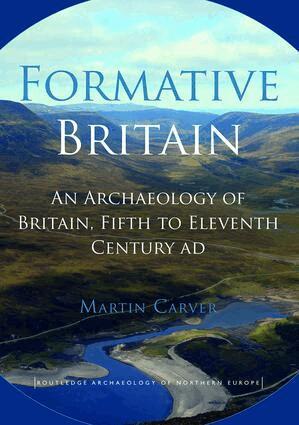
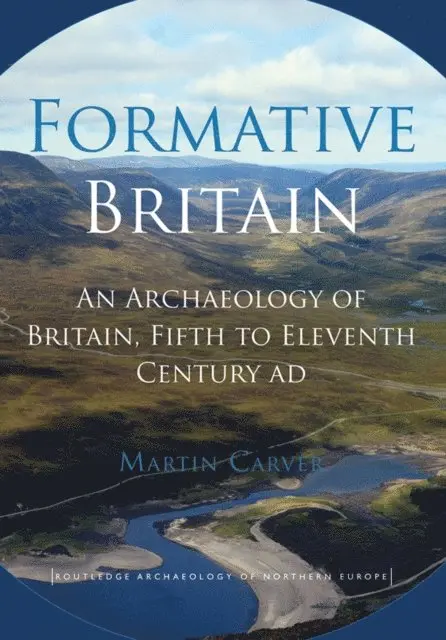
Formative Britain presents an account of the peoples occupying the island of Britain between 400 and 1100 AD, whose ideas continue to set the political agenda today. Forty years of new archaeological research has laid bare a hive of diverse and disputatious communities of Picts, Scots, Welsh, Cumbrian and Cornish Britons, Northumbrians, Angles and Saxons, who expressed their views of this world and the next in a thousand sites and monuments.This highly illustrated volume is the first book that attempts to describe the experience of all levels of society over the whole island using archaeology alone. The story is drawn from the clothes, faces and biology of men and women, the images that survive in their poetry, the places they lived, the work they did, the ingenious celebrations of their graves and burial grounds, their decorated stone monuments and their diverse messages. This ground-breaking account is aimed at students and archaeological researchers at all levels in the academic and commercial sectors. It will also inform relevant stakeholders and general readers alike of how the islands of Britain developed in the early medieval period. Many of the ideas forged in Britain’s formative years underpin those of today as the UK seeks to find a consensus programme for its future.
580 kr
Skickas inom 10-15 vardagar
Formative Britain presents an account of the peoples occupying the island of Britain between 400 and 1100 AD, whose ideas continue to set the political agenda today. Forty years of new archaeological research has laid bare a hive of diverse and disputatious communities of Picts, Scots, Welsh, Cumbrian and Cornish Britons, Northumbrians, Angles and Saxons, who expressed their views of this world and the next in a thousand sites and monuments.This highly illustrated volume is the first book that attempts to describe the experience of all levels of society over the whole island using archaeology alone. The story is drawn from the clothes, faces and biology of men and women, the images that survive in their poetry, the places they lived, the work they did, the ingenious celebrations of their graves and burial grounds, their decorated stone monuments and their diverse messages. This ground-breaking account is aimed at students and archaeological researchers at all levels in the academic and commercial sectors. It will also inform relevant stakeholders and general readers alike of how the islands of Britain developed in the early medieval period. Many of the ideas forged in Britain’s formative years underpin those of today as the UK seeks to find a consensus programme for its future.
426 kr
Skickas
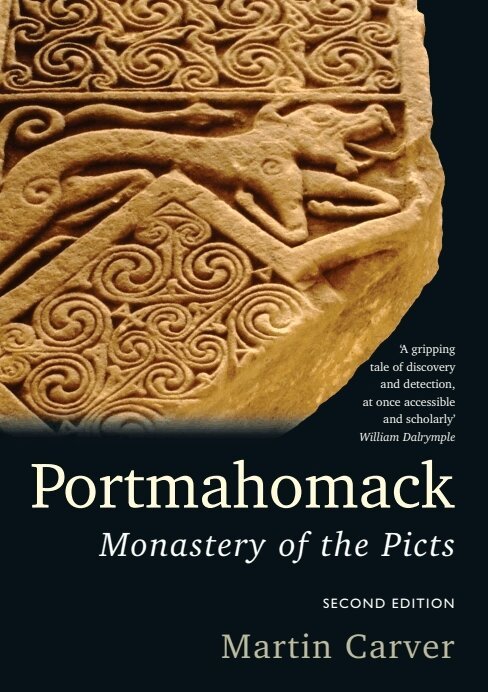
Portmahomack today is a serene fishing village on the Dornoch Firth, north east Scotland where archaeological excavations have written a new history of the origins of Scotland. This book brings alive the expedition and its discoveries, most famously a monastery of the eighth century in the land of the Picts.Starting from chance finds of a Pictish carved stone in St Colman’s churchyard, the archaeologists unearthed four settlements one on top of the other. An elite farm was succeeded by the Pictish monastery, which, following a Viking raid in AD800, became a trading place and then a medieval village. Scientific analysis shows at each stage where the people came from, their life-style and what they ate. Together it creates a story of the heroic adaptation of a European nation to new politics between the sixth and sixteenth century.The Picts were the outstanding sculptors of their day, producing carved stone monuments equal to anything being made in contemporary Europe. They were Britons, who resisted the Romans invaders and created their own warrior nation in the north east of the island. Coming under pressure from the Scots and the Norse, they disappeared from history in the ninth century AD. Now archaeology is finding them again.This massively updated new edition follows eight years intensive research on the huge assemblage of artefacts, human bone, animal bone and plant remains that were recovered. This has revealed a world of high mobility, rich in ideas and constantly changing it political orientation in a greater European context.
445 kr
Skickas inom 7-10 vardagar
Comparative studies on the age of Sutton Hoo (5c - 8c) with English and European focus, plus summary of the latest site excavations.`The Sutton Hoo `princely' burials play a pivotal role in any modern discussion of Germanic kingship.'EARLY MEDIEVAL EUROPEThe age of Sutton Hoo runs from the fifth to the eighth century AD - a dark and difficult age,where hard evidence is rare, but glittering and richly varied. Myths, king-lists, place-names, sagas, palaces, belt-buckles, middens and graves are all grist to the archaeologist's mill. This book celebrates the anniversary of the discovery of that most famous burial at Sutton Hoo. Fifty years ago this great treasure, now in the British Museum, was unearthed from the centre of a ninety-foot-long ship buried on remote Suffolk heathland. Included in this volume are 23 wide-ranging essays on the Age of Sutton Hoo and director Martin Carver's summary of the latest excavations, which represent the current state of knowledge about this extraordinary site. That it still has secrets to reveal is shown by the last-minute discovery of a striking burial of a young noble with his horse and grave goods.M.O.H. CARVER is Professor of Archaeology at York University, and Director of the Sutton Hoo Research Project.
538 kr
Skickas inom 10-15 vardagar
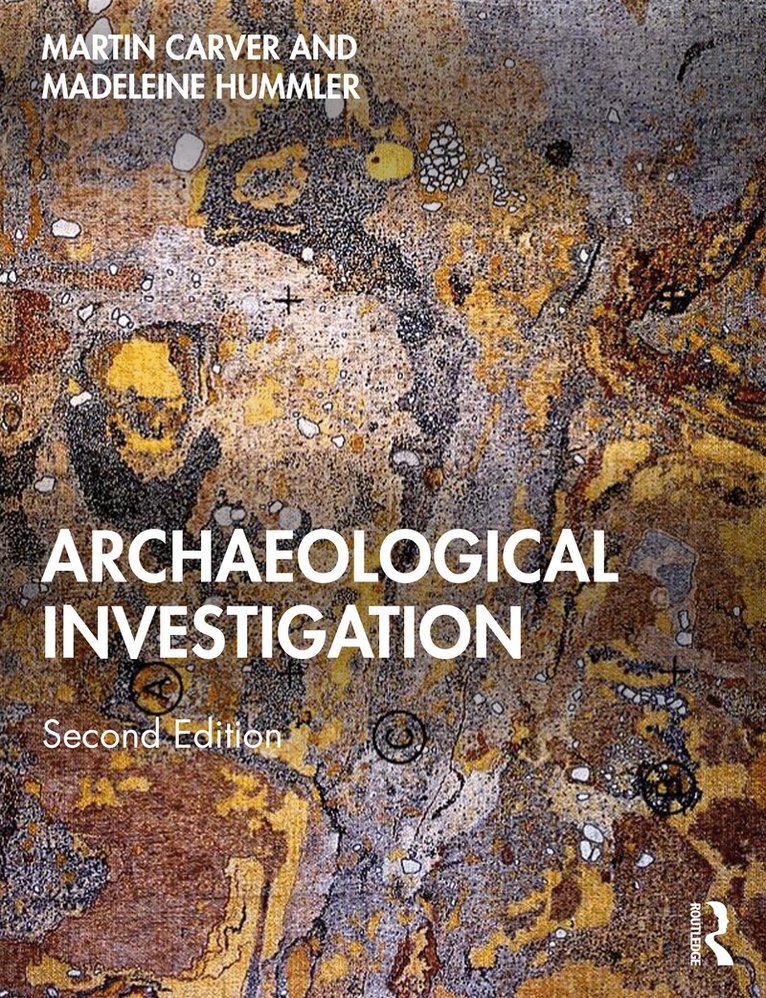
The thoroughly updated second edition of Archaeological Investigation reviews and explains the practices of field archaeology in the world today. Now co-authored by Madeleine Hummler, the book’s scope has been enlarged in time and space, reaching out to the different methods and strategies applied in both the academic and commercial sectors in diverse terrain on land and under the sea.Archaeological Investigation accompanies the reader on a journey from absolute beginner to professional. Part 1 (Principles) sets the scene for newcomers, showing the axial role of fieldwork in rediscovering the past. Part 2 (In the Field) is aimed at those setting out to collect primary data by the diverse methods of modern survey and excavation. Word pictures on "First day in the field" and "First day on a dig" provide friendly introductions to the high-tech enterprise that fieldwork has become. Now fully engaged in the process, newcomers to archaeology are ready, in Part 3 (Writing Up), to take part in the process of making the discoveries known. Here the findings of fieldwork are marshalled to analyse the assemblage, the use of space and the chronology of what happened. The results are then combined in a synthesis and communicated through websites, museums, the display of sites and above all through publication. Part 4 (Design) engages the reader in archaeology’s primary action: how to design projects that conserve, rediscover and explain the human past, beginning with a review of some landmark examples (Chapter 13). The final chapter (The Profession) reviews the role of the state, the academy, the commercial sector and the public in making archaeology happen – and why it matters.Building on the authors’ extensive experience, Archaeological Investigation remains an inspiring, provocative, informative and entertaining book for students and professionals, arguing that the investigation of the human and environmental past is highly relevant to contemporary society and its future.
2 012 kr
Skickas inom 10-15 vardagar
The thoroughly updated second edition of Archaeological Investigation reviews and explains the practices of field archaeology in the world today. Now co-authored by Madeleine Hummler, the book’s scope has been enlarged in time and space, reaching out to the different methods and strategies applied in both the academic and commercial sectors in diverse terrain on land and under the sea.Archaeological Investigation accompanies the reader on a journey from absolute beginner to professional. Part 1 (Principles) sets the scene for newcomers, showing the axial role of fieldwork in rediscovering the past. Part 2 (In the Field) is aimed at those setting out to collect primary data by the diverse methods of modern survey and excavation. Word pictures on "First day in the field" and "First day on a dig" provide friendly introductions to the high-tech enterprise that fieldwork has become. Now fully engaged in the process, newcomers to archaeology are ready, in Part 3 (Writing Up), to take part in the process of making the discoveries known. Here the findings of fieldwork are marshalled to analyse the assemblage, the use of space and the chronology of what happened. The results are then combined in a synthesis and communicated through websites, museums, the display of sites and above all through publication. Part 4 (Design) engages the reader in archaeology’s primary action: how to design projects that conserve, rediscover and explain the human past, beginning with a review of some landmark examples (Chapter 13). The final chapter (The Profession) reviews the role of the state, the academy, the commercial sector and the public in making archaeology happen – and why it matters.Building on the authors’ extensive experience, Archaeological Investigation remains an inspiring, provocative, informative and entertaining book for students and professionals, arguing that the investigation of the human and environmental past is highly relevant to contemporary society and its future.
247 kr
Skickas
A definitive account of Sutton Hoo, its discovery, history and famed treasure.The Sutton Hoo ship-burial is one of the most significant finds ever made in Europe. It lies in a burial ground which contains all the elements of archaeological mystery: seventeen mounds, buried treasure, and sacrificed horses. In this very accessible book, Martin Carver explains what we know of this site, at which the leaders of the Dark Age kingdom of East Anglia signalled the pagan and maritime nature of their court. This is the story not only of this dramatic place, but also of its exploration over half a century, which amounts to a potted history of British archaeology.
284 kr
Skickas inom 7-10 vardagar
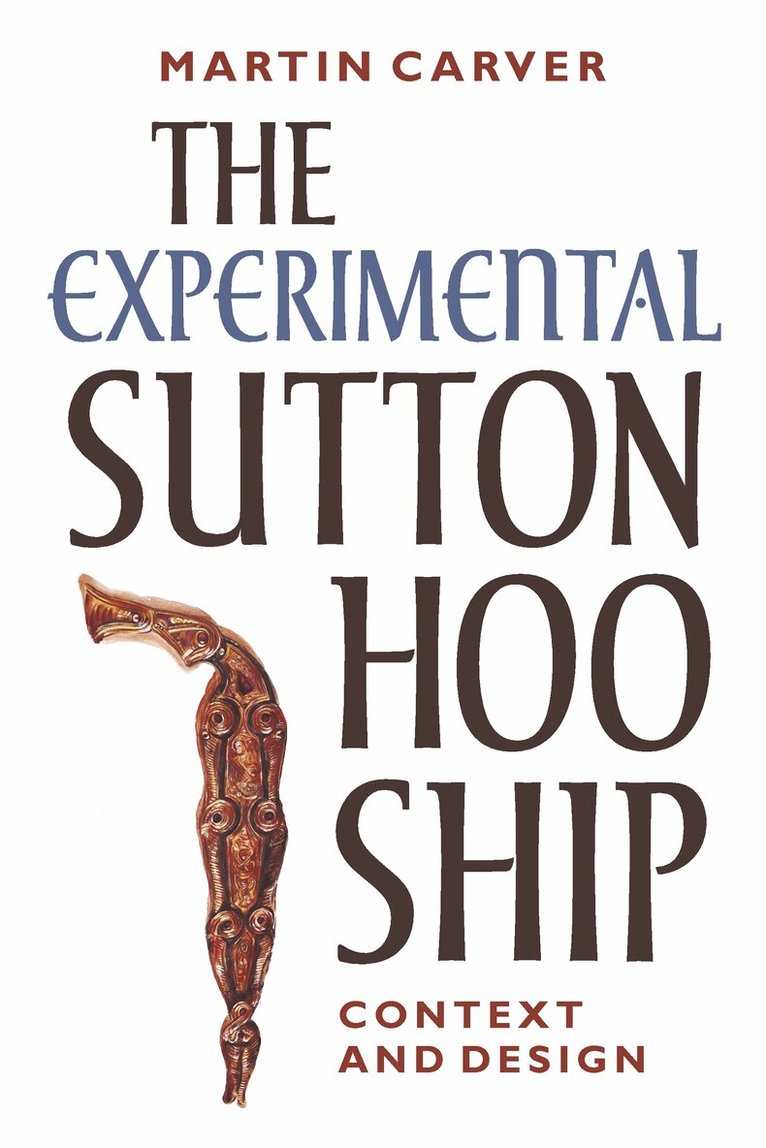
Unearthed from its burial mound, the Sutton Hoo ship offers a profound window into the political, cultural and technological world of seventh-century East Anglia.On the eve of war in 1939 the remains of a wooden ship nearly 90 feet long were excavated beneath a mound at Sutton Hoo in Suffolk. Only the lines of iron rivets that secured the planking were still in place. This is the largest ship so far recovered from north-eastern Europe in the pre-Viking period. Now this great vessel is being reconstructed by the Sutton Hoo Ship's Company on the Woodbridge waterfront.In this book - the first of three - Martin Carver pictures the people that created the ship in the seventh century, and explores their world of beliefs, burial, ornamental metalwork, clothes, and carpentry. The treasure found in the ship marks the high point of the kingdom of East Anglia, a realm linked with continental Europe, the Mediterranean and the Byzantine empire. This coincided with the creation of great timber halls and great clinker-built wooden ships. In order to see what influenced the design and construction of the Sutton Hoo ships, we have to look at the surviving evidence for seventh century boats from a wide variety of countries.This roll-call of broadly contemporary boats is followed by a description of how our ship came to be reconstructed today, through the initiatives of Sutton Hoo's researchers and custodians and the people of Woodbridge, how it was designed and made a reality, concluding with an overview of what we can learn from this kind of recreation of a major archaeological discovery.
481 kr
Tillfälligt slut
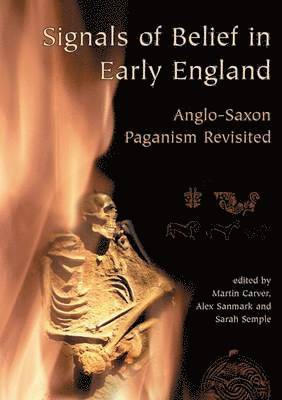
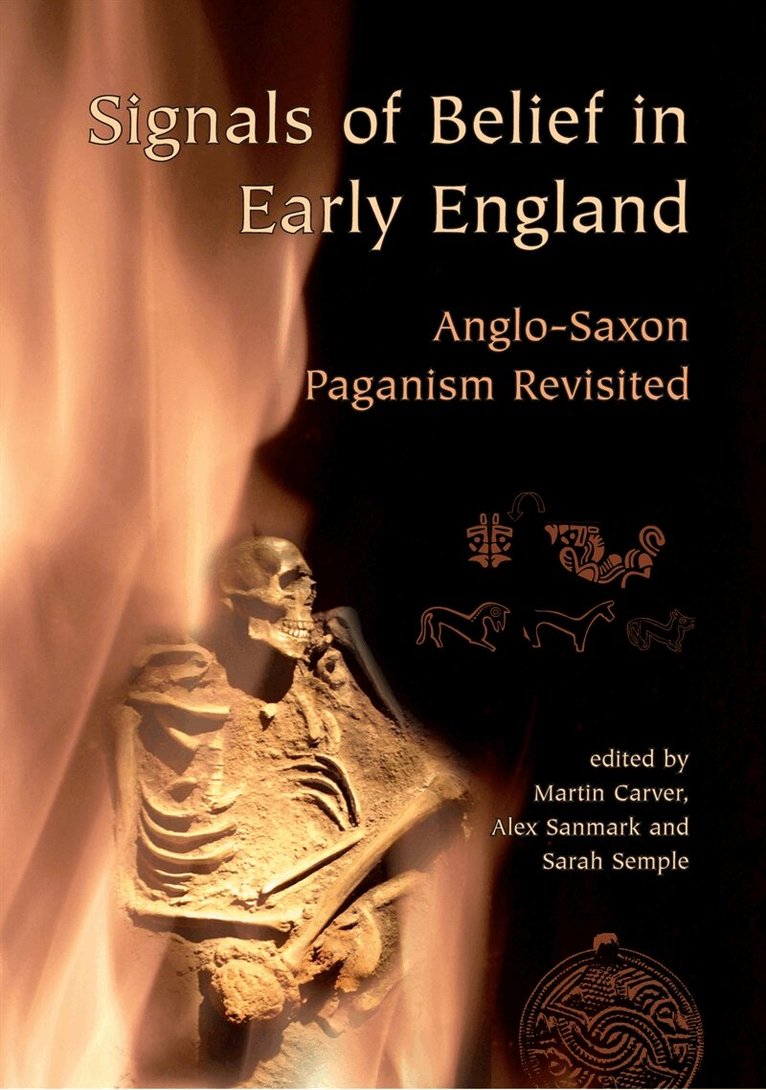
This volume will throw new light on the intellect of the earliest English - the way they thought, the way they viewed the world, and the way they viewed worlds other than this. Previous understanding of the topic, well rooted in the ideas of its time, regarded the English as adherents of two consecutive religions: Paganism governed the settlers of the 4th-6th century, but was superseded in the 7th-10th century by Christianity. Of the two, Christianity, a religion of the book, documented itself thoroughly, while in failing to do so Paganism laid itself open to centuries of abuse, conjecture or mindless admiration. In developing new objectives, the papers here demonstrate that beliefs varied from place to place and were expressed in material culture. Through archaeology therefore, these beliefs can be rediscovered. Aware of the fact that even the best archaeology provides no open access to the mind, the contributors record, and study, signals of belief rather than what was believed. The premise of this volume is therefore that paganism was not a religion with supraregional rules and institutions but a loose term for a variety of local intellectual world views. The same courtesy is extended to Christianity. Both religions are treated as sources on which people, local people - the true agents of Anglo-Saxon England - eclectically drew. A range of material culture and locations across Northern Europe are explored, looking at signals of belief from the landscape, water cults, burial rites, the hall and animals in life and art. Each author looks across the sea to Scandinavia, as well as to the woods and fields, mires and mounds of Old England, resulting in a new perspective on the intellectual preoccupations and anxieties of a crucial age.
421 kr
Skickas inom 5-8 vardagar
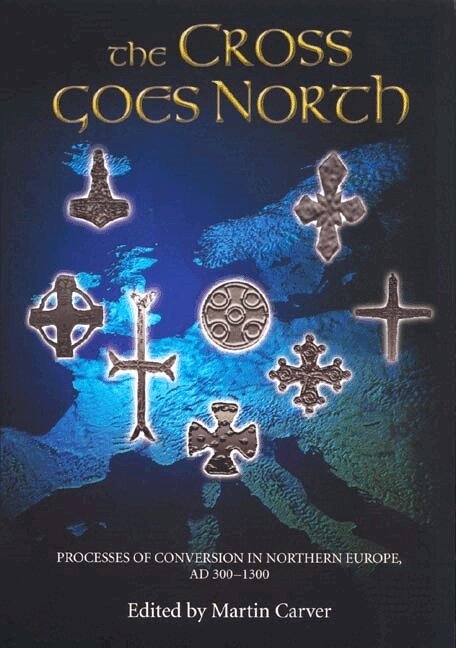
37 studies of the adoption of Christianity across northern Europe over1000 years, and the diverse reasons that drove the process.In Europe, the cross went north and east as the centuries unrolled: from the Dingle Peninsula to Estonia, and from the Alps to Lapland, ranging in time from Roman Britain and Gaul in the third and fourth centuries to the conversion of peoples in the Baltic area a thousand years later. These episodes of conversion form the basic narrative here. History encourages the belief that the adoption of Christianity was somehow irresistible, but specialists show theunderside of the process by turning the spotlight from the missionaries, who recorded their triumphs, to the converted, exploring their local situations and motives. What were the reactions of the northern peoples to the Christian message? Why would they wish to adopt it for the sake of its alliances? In what way did they adapt the Christian ethos and infrastructure to suit their own community? How did conversion affect the status of farmers, of smiths, of princes and of women? Was society wholly changed, or only in marginal matters of devotion and superstition? These are the issues discussed here by thirty-eight experts from across northern Europe; some answers come from astute re-readings of the texts alone, but most are owed to a combination of history, art history and archaeology working together.MARTIN CARVER is Professor of Archaeology, University of York.
Del 11 - Anglo-Saxon Studies
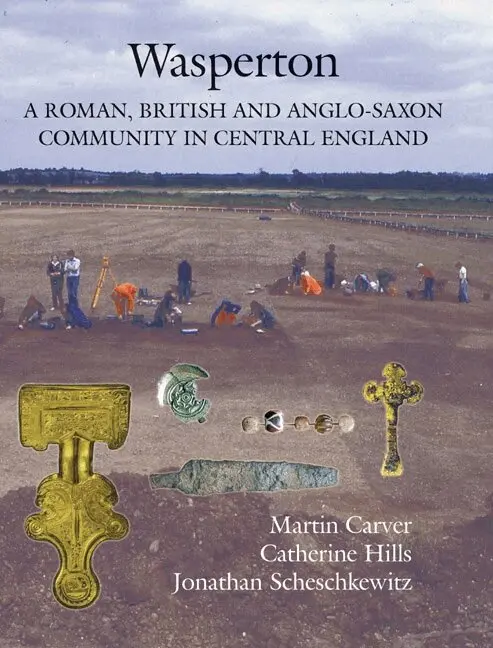
Wasperton
A Roman, British and Anglo-Saxon Community in Central England
Inbunden, Engelska, 2009
1 445 kr
Skickas inom 7-10 vardagar
The newest research on a major Anglo-Saxon site paints a vivid picture of the beginnings of England.[Edited by Martin Carver] For decades scholars have puzzled over the true story of settlement in Britain between the fifth and eight centuries. Did the Romans leave? Did the Anglo-Saxons invade? What happened to the British? Newlight on these questions comes unexpectedly from Wasperton, a small village on the Warwickshire Avon, where archaeologists had the good fortune to excavate a complete cemetery and its prehistoric setting. The community reused an old Romano-British agricultural enclosure, and built burial mounds beside it. There was a score of cremations in Anglo-Saxon pots; but there were also unfurnished graves lined with stones and planks in the manner of western Britain.In a pioneering analysis, including radiocarbon and stable isotopes, the authors of this book have put this variety of burial practice into a credible sequence, and built up a picture of life at the time. Here there were people who were culturally Roman, British and Anglo-Saxon, pagan and Christian in continuous use of the same graveyard and drawing on a common inheritance. Here we can see the beginnings of England and the people who made it happen- not the kings, warriors and preachers, but the ordinary folk obliged to make their own choices: choices about what nation to build and which religion to follow.MARTIN CARVER is Professor Emeritus of Archaeology at the University of York; Dr CATHERINE HILLS is Senior Lecturer in Anglo-Saxon Archaeology at the University of Cambridge; Dr JONATHAN SCHESCHKEWITZ is Officer with the Ancient Monuments authority of Stuttgart.
769 kr
Skickas inom 10-15 vardagar
The book is organised in four parts: Part 1 offers a summary of field procedures. Part 3 illustrates the huge variety confronted by field workers with a series of exemplary commercial and academic projects enacted in downland, jungle, desert, permafrost, road schemes and towns.
847 kr
Skickas inom 7-10 vardagar
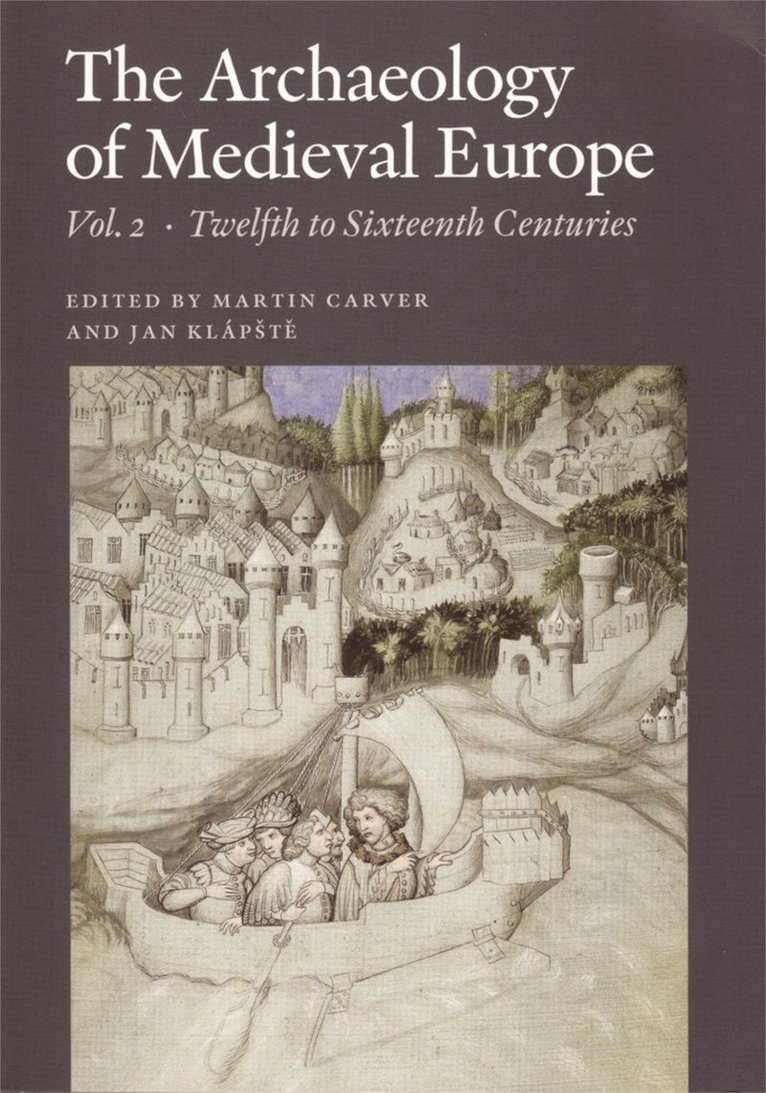
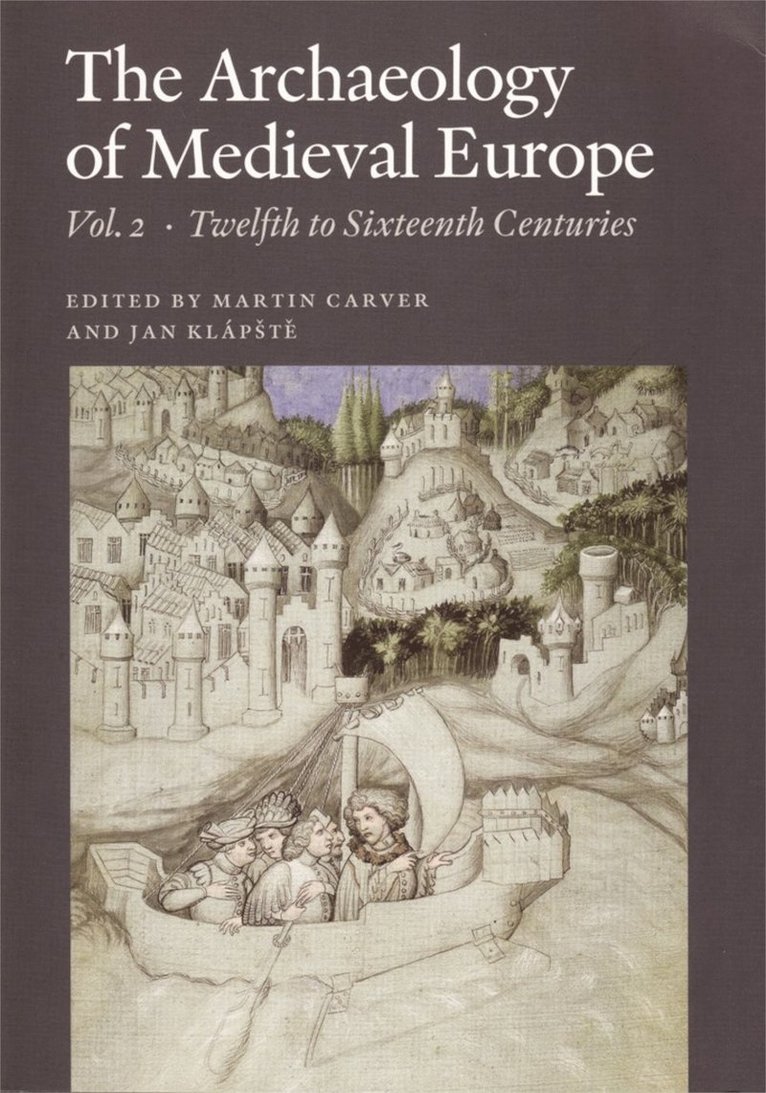
The two volumes of The Archaeology of Medieval Europe together comprise the first complete account of Medieval Archaeology across the continent. This ground-breaking set will enable readers to track the development of different cultures and regions over the 800 years that formed the Europe we have today. In addition to revealing the process of Europeanisation, within its shared intellectual and technical inheritance, the complete work provides an opportunity for demonstrating the differences that were inevitably present across the continent - from Iceland to Sicily and Portugal to Finland.
657 kr
Skickas inom 7-10 vardagar
The two volumes of "The Archaeology of Medieval Europe" together comprise the first complete account of Medieval Archaeology across the continent. This ground-breaking set will enable readers to track the development of different cultures and regions over the 800 years that formed the Europe we have today. In addition to revealing the process of Europeanisation, within its shared intellectual and technical inheritance, the complete work provides an opportunity for demonstrating the differences that were inevitably present across the continent -- from Iceland to Sicily and Portugal to Finland.