Routledge Archaeology of the Ancient Americas – serie
Visar alla böcker i serien Routledge Archaeology of the Ancient Americas. Handla med fri frakt och snabb leverans.
10 produkter
10 produkter
2 176 kr
Skickas inom 10-15 vardagar
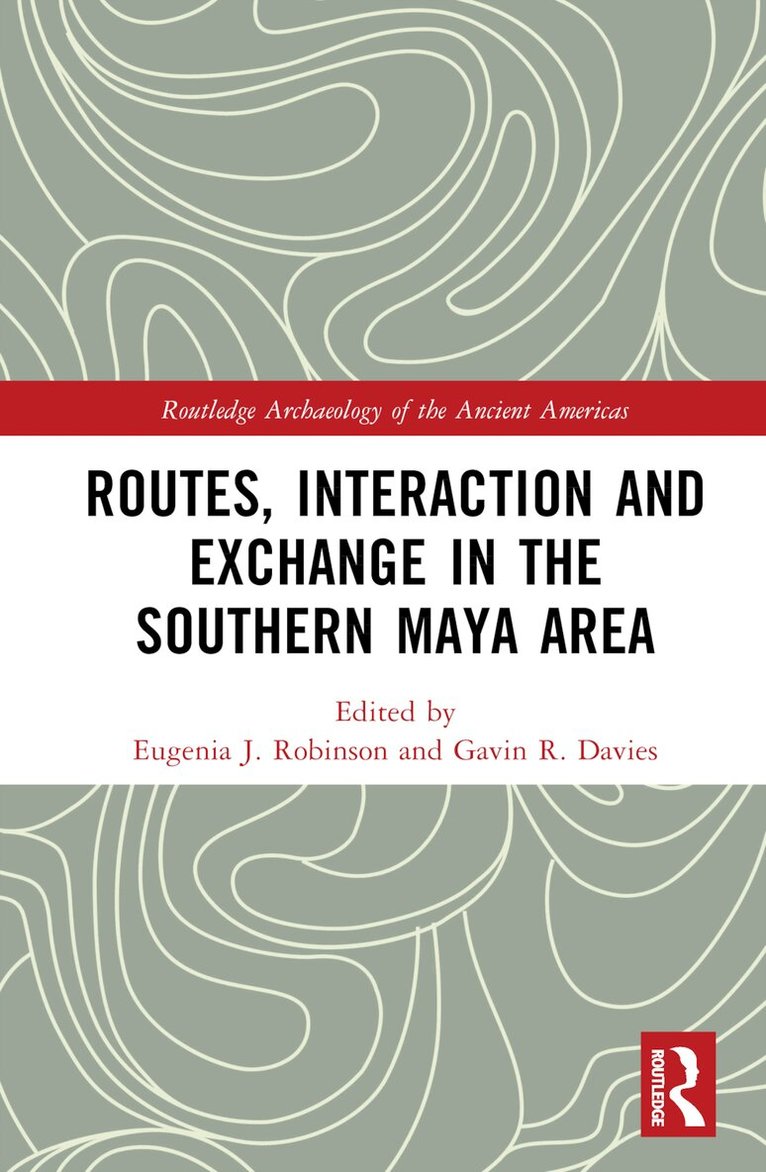
This book explores routes of interaction and exchange in the Southern Maya Area, a zone that had both short- and long-distance trade and whose natural resources were exploited by merchants and rulers, colonists and entrepreneurs during Olmec, Teotihuacan, Maya, Aztec, colonial and modern times.The book presents the research of both archaeologists and art historians to identify routes of interconnection, to demonstrate the strategic importance of settlements and ritual locations, and to assess the significance of modes and mediums of exchange. The contributors employ innovative approaches, making use of state-of-the art technologies to reproduce and analyze the archaeological landscape (e.g. LiDAR, GIS, and least-cost path analysis) and to source and characterize archaeological materials (e.g. neutron activation analysis (NAA), X-ray fluorescence analysis [XRF] and strontium analysis). The book combines these innovative approaches with earlier data sources and past analyses to develop a new, synthetic analysis of interaction.Routes, Interaction and Exchange in the Southern Maya Area will appeal to professional academics, students, and interested lay readers from a broad range of social science fields including anthropology, archaeology, geography, economics, history, and art history and is appropriate for undergraduate and graduate courses in Mesoamerican archaeology.
679 kr
Skickas inom 10-15 vardagar
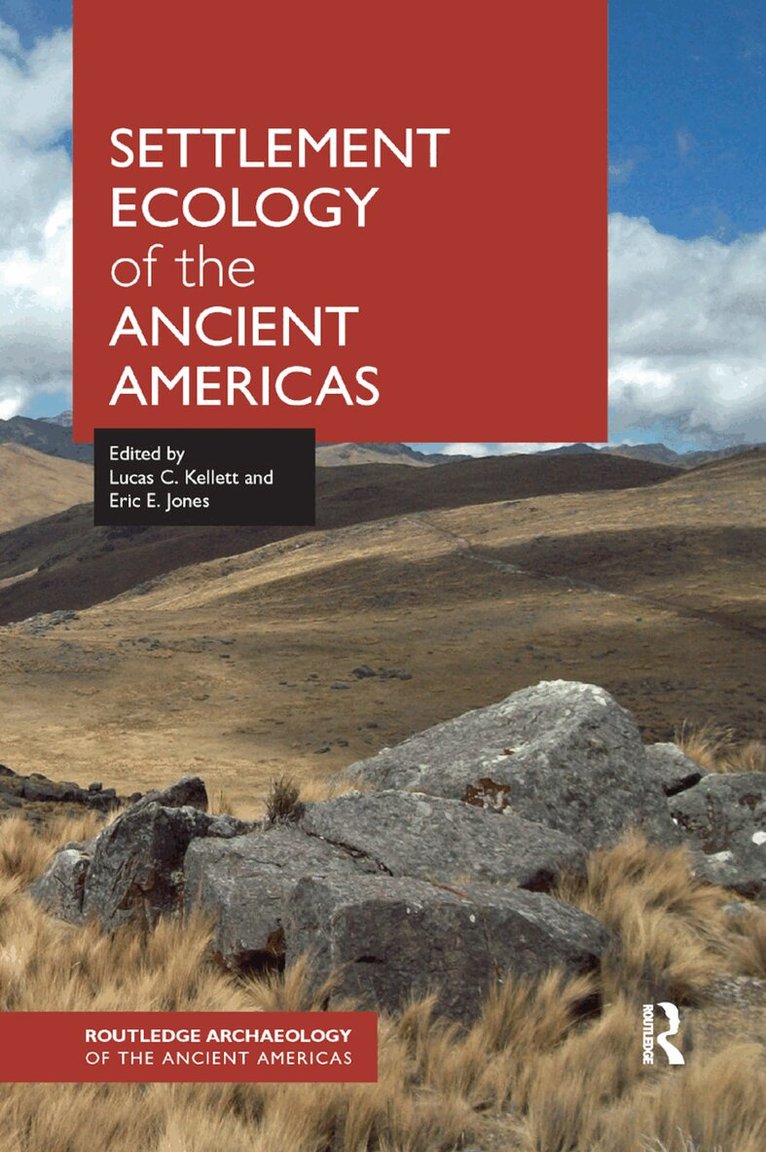
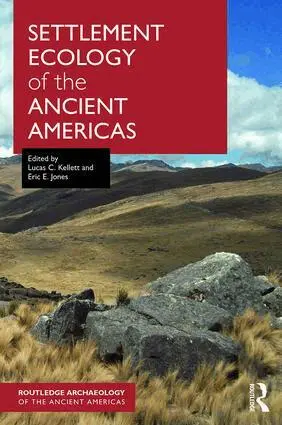
In this exciting new volume several leading researchers use settlement ecology, an emerging approach to the study of archaeological settlements, to examine the spatial arrangement of prehistoric settlement patterns across the Americas. Positioned at the intersection of geography, human ecology, anthropology, economics and archaeology, this diverse collection showcases successful applications of the settlement ecology approach in archaeological studies and also discusses associated techniques such as GIS, remote sensing and statistical and modeling applications. Using these methodological advancements the contributors investigate the specific social, cultural and environmental factors which mediated the placement and arrangement of different sites. Of particular relevance to scholars of landscape and settlement archaeology, Settlement Ecology of the Ancient Americas provides fresh insights not only into past societies, but also present and future populations in a rapidly changing world.
679 kr
Skickas inom 10-15 vardagar
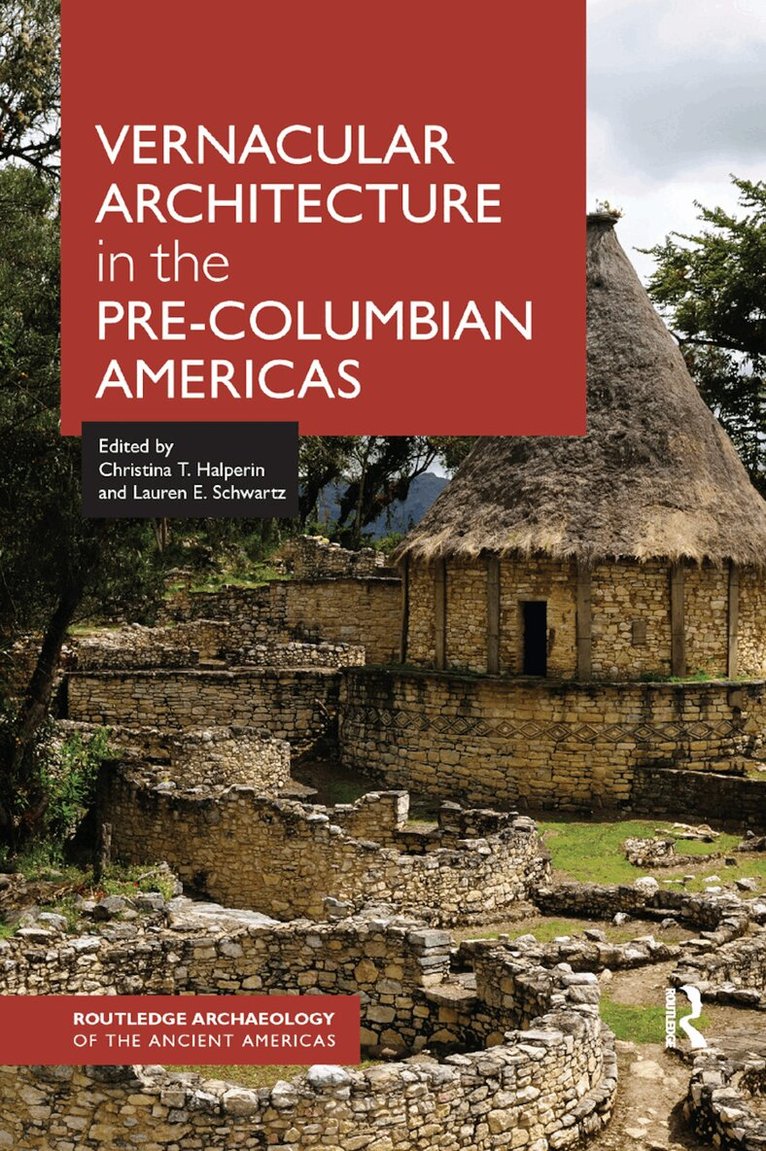
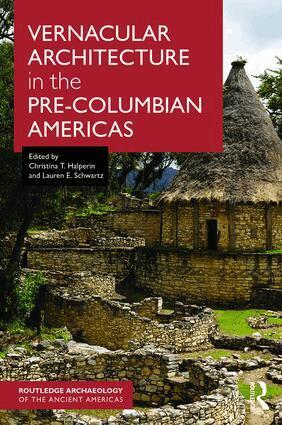
Vernacular Architecture in the Pre-Columbian Americas reveals the dynamism of the ancient past, where social relations and long-term history were created posthole by posthole, brick by brick. This collection shifts attention away from the elite and monumental architectural traditions of the region to instead investigate the creativity, subtlety and variability of common architecture and the people who built and dwelled in them. At the heart of this study of vernacular architecture is an emphasis on ordinary people and their built environments, and how these everyday spaces were pivotal in the making and meaning of social and cultural dynamics.Providing a deeper and more nuanced temporal perspective of common buildings in the Americas, the editors have deftly framed a study that highlights sociocultural diversity while at the same time facilitating broader comparative conversations around the theme of vernacular architecture. With diverse case studies covering a broad range of periods and regions, Vernacular Architecture in the Pre-Columbian Americas is an important addition to the growing body of scholarship on the indigenous architecture of the Americas and is a key contribution to our archaeological understandings of past built environments.
595 kr
Skickas inom 10-15 vardagar
This book explores routes of interaction and exchange in the Southern Maya Area, a zone that had both short- and long-distance trade and whose natural resources were exploited by merchants and rulers, colonists and entrepreneurs during Olmec, Teotihuacan, Maya, Aztec, colonial and modern times.The book presents the research of both archaeologists and art historians to identify routes of interconnection, to demonstrate the strategic importance of settlements and ritual locations, and to assess the significance of modes and mediums of exchange. The contributors employ innovative approaches, making use of state-of-the art technologies to reproduce and analyze the archaeological landscape (e.g. LiDAR, GIS, and least-cost path analysis) and to source and characterize archaeological materials (e.g. neutron activation analysis (NAA), X-ray fluorescence analysis [XRF] and strontium analysis). The book combines these innovative approaches with earlier data sources and past analyses to develop a new, synthetic analysis of interaction.Routes, Interaction and Exchange in the Southern Maya Area will appeal to professional academics, students, and interested lay readers from a broad range of social science fields including anthropology, archaeology, geography, economics, history, and art history and is appropriate for undergraduate and graduate courses in Mesoamerican archaeology.
3,000 Years of War and Peace in the Maya Lowlands
Identity, Politics, and Violence
Inbunden, Engelska, 2022
2 176 kr
Skickas inom 10-15 vardagar
3,000 Years of War and Peace in the Maya Lowlands presents the cutting-edge research of 25 authors in the fields of archaeology, biological anthropology, art history, ethnohistory, and epigraphy. Together, they explore issues central to ancient Maya identity, political history, and warfare.The Maya lowlands of Guatemala, Belize, and southeast Mexico have witnessed human occupation for at least 11,000 years, and settled life reliant on agriculture began some 3,100 years ago. From the earliest times, Maya communities expressed their shifting identities through pottery, architecture, stone tools, and other items of material culture. Although it is tempting to think of the Maya as a single unified culture, they were anything but homogeneous, and differences in identity could be expressed through violence. 3,000 Years of War and Peace in the Maya Lowlands explores the formation of identity, its relationship to politics, and its manifestation in warfare from the earliest pottery-making villages through the late colonial period by studying the material remains and written texts of the Maya.This volume is an invaluable reference for students and scholars of the ancient Maya, including archaeologists, art historians, and anthropologists.
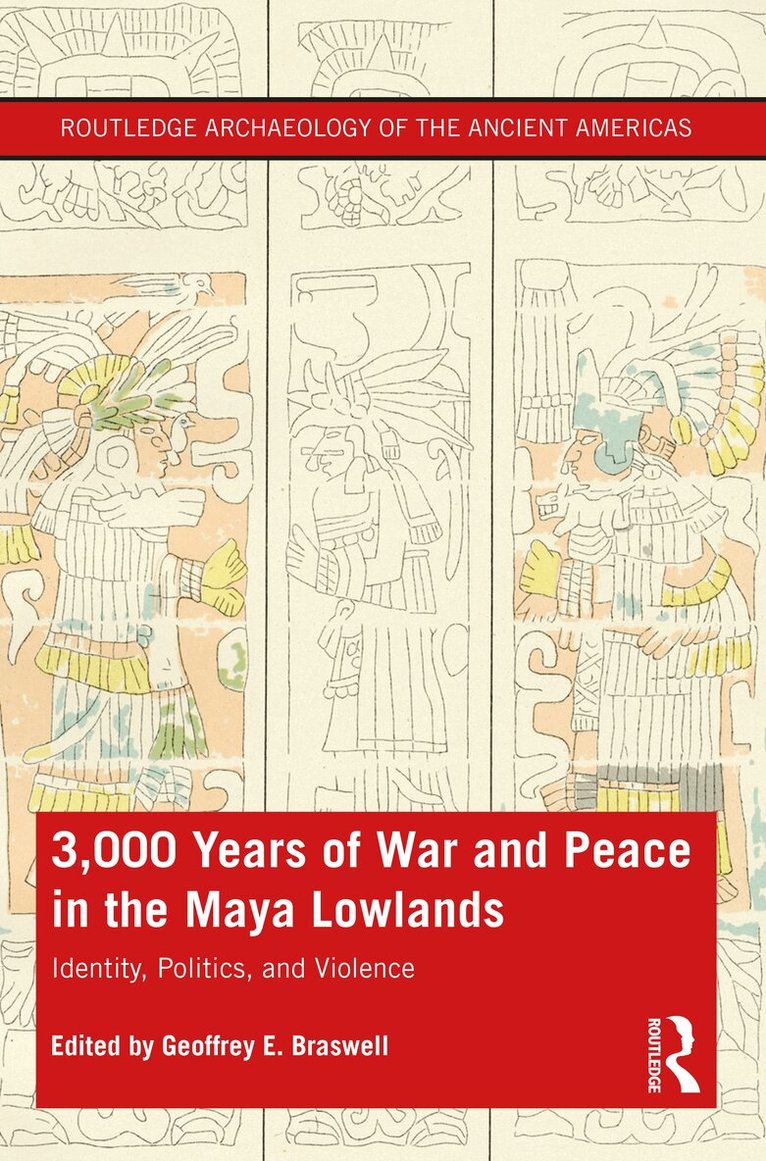
3,000 Years of War and Peace in the Maya Lowlands
Identity, Politics, and Violence
Häftad, Engelska, 2022
581 kr
Skickas inom 10-15 vardagar
3,000 Years of War and Peace in the Maya Lowlands presents the cutting-edge research of 25 authors in the fields of archaeology, biological anthropology, art history, ethnohistory, and epigraphy. Together, they explore issues central to ancient Maya identity, political history, and warfare.The Maya lowlands of Guatemala, Belize, and southeast Mexico have witnessed human occupation for at least 11,000 years, and settled life reliant on agriculture began some 3,100 years ago. From the earliest times, Maya communities expressed their shifting identities through pottery, architecture, stone tools, and other items of material culture. Although it is tempting to think of the Maya as a single unified culture, they were anything but homogeneous, and differences in identity could be expressed through violence. 3,000 Years of War and Peace in the Maya Lowlands explores the formation of identity, its relationship to politics, and its manifestation in warfare from the earliest pottery-making villages through the late colonial period by studying the material remains and written texts of the Maya.This volume is an invaluable reference for students and scholars of the ancient Maya, including archaeologists, art historians, and anthropologists.
2 316 kr
Skickas inom 10-15 vardagar
Vernacular Architecture in the Pre-Columbian Americas reveals the dynamism of the ancient past, where social relations and long-term history were created posthole by posthole, brick by brick. This collection shifts attention away from the elite and monumental architectural traditions of the region to instead investigate the creativity, subtlety and variability of common architecture and the people who built and dwelled in them. At the heart of this study of vernacular architecture is an emphasis on ordinary people and their built environments, and how these everyday spaces were pivotal in the making and meaning of social and cultural dynamics.Providing a deeper and more nuanced temporal perspective of common buildings in the Americas, the editors have deftly framed a study that highlights sociocultural diversity while at the same time facilitating broader comparative conversations around the theme of vernacular architecture. With diverse case studies covering a broad range of periods and regions, Vernacular Architecture in the Pre-Columbian Americas is an important addition to the growing body of scholarship on the indigenous architecture of the Americas and is a key contribution to our archaeological understandings of past built environments.
2 176 kr
Skickas inom 10-15 vardagar
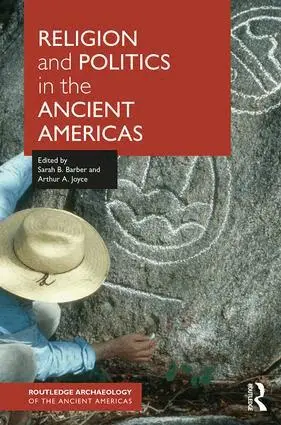
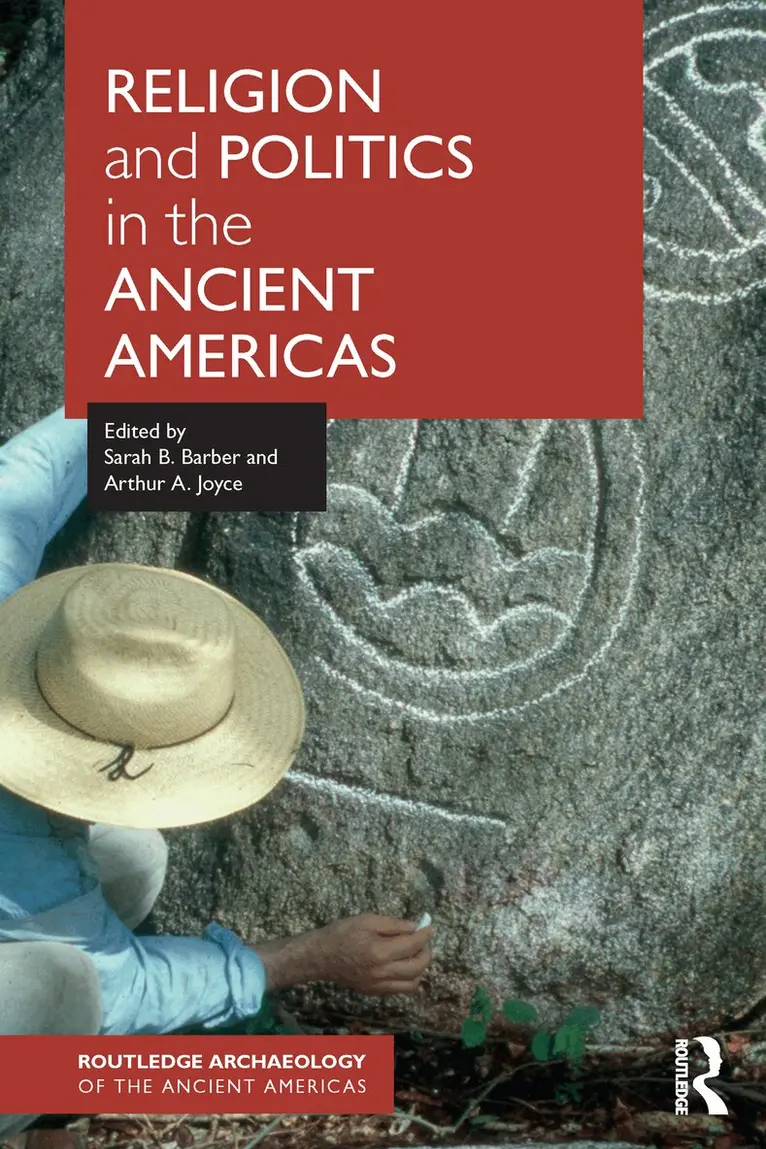
This exciting collection explores the interplay of religion and politics in the precolumbian Americas. Each thought-provoking contribution positions religion as a primary factor influencing political innovations in this period, reinterpreting major changes through an examination of how religion both facilitated and constrained transformations in political organization and status relations. Offering unparalleled geographic and temporal coverage of this subject, Religion and Politics in the Ancient Americas spans the entire precolumbian period, from Preceramic Peru to the Contact period in eastern North America, with case studies from North, Middle, and South America. Religion and Politics in the Ancient Americas considers the ways in which religion itself generated political innovation and thus enabled political centralization to occur. It moves beyond a "Great Tradition" focus on elite religion to understand how local political authority was negotiated, contested, bolstered, and undermined within diverse constituencies, demonstrating how religion has transformed non-Western societies. As well as offering readers fresh perspectives on specific archaeological cases, this book breaks new ground in the archaeological examination of religion and society.
581 kr
Skickas inom 10-15 vardagar
This exciting collection explores the interplay of religion and politics in the precolumbian Americas. Each thought-provoking contribution positions religion as a primary factor influencing political innovations in this period, reinterpreting major changes through an examination of how religion both facilitated and constrained transformations in political organization and status relations. Offering unparalleled geographic and temporal coverage of this subject, Religion and Politics in the Ancient Americas spans the entire precolumbian period, from Preceramic Peru to the Contact period in eastern North America, with case studies from North, Middle, and South America. Religion and Politics in the Ancient Americas considers the ways in which religion itself generated political innovation and thus enabled political centralization to occur. It moves beyond a "Great Tradition" focus on elite religion to understand how local political authority was negotiated, contested, bolstered, and undermined within diverse constituencies, demonstrating how religion has transformed non-Western societies. As well as offering readers fresh perspectives on specific archaeological cases, this book breaks new ground in the archaeological examination of religion and society.
2 386 kr
Skickas inom 10-15 vardagar
In this exciting new volume several leading researchers use settlement ecology, an emerging approach to the study of archaeological settlements, to examine the spatial arrangement of prehistoric settlement patterns across the Americas. Positioned at the intersection of geography, human ecology, anthropology, economics and archaeology, this diverse collection showcases successful applications of the settlement ecology approach in archaeological studies and also discusses associated techniques such as GIS, remote sensing and statistical and modeling applications. Using these methodological advancements the contributors investigate the specific social, cultural and environmental factors which mediated the placement and arrangement of different sites. Of particular relevance to scholars of landscape and settlement archaeology, Settlement Ecology of the Ancient Americas provides fresh insights not only into past societies, but also present and future populations in a rapidly changing world.