Routledge Research in Cognitive Humanities - Böcker
Visar alla böcker i serien Routledge Research in Cognitive Humanities. Handla med fri frakt och snabb leverans.
9 produkter
9 produkter
2 414 kr
Skickas inom 10-15 vardagar
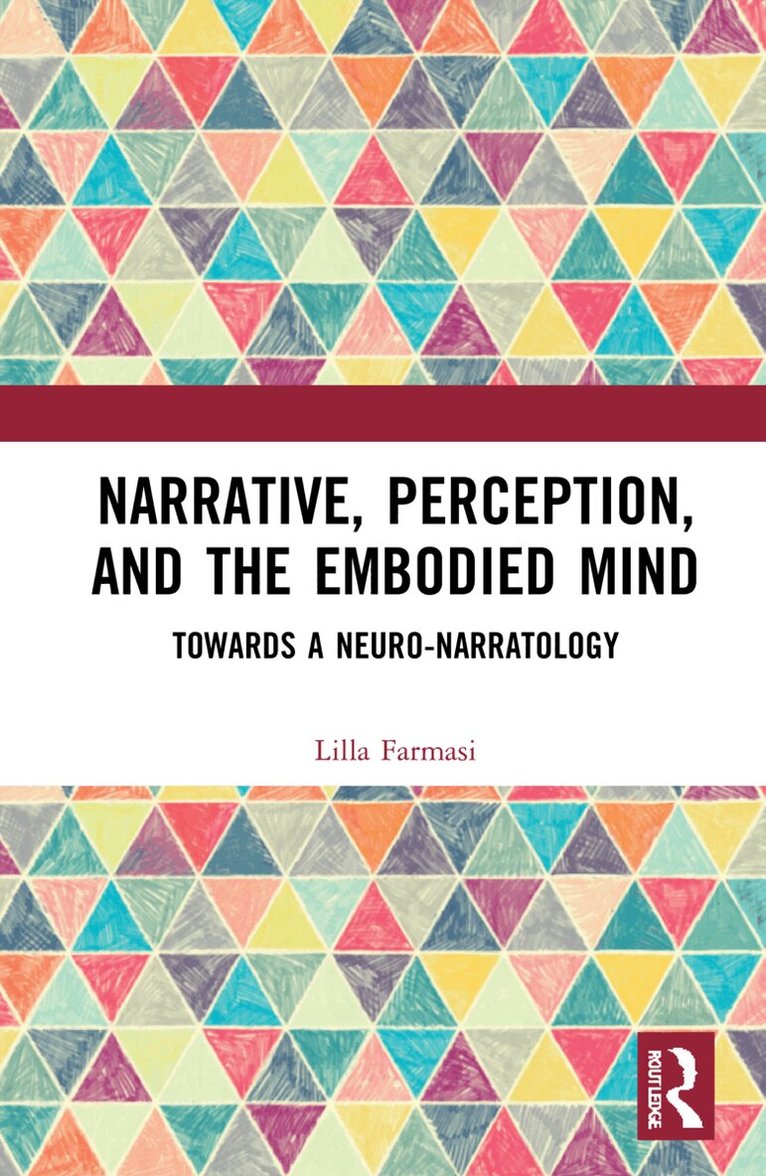
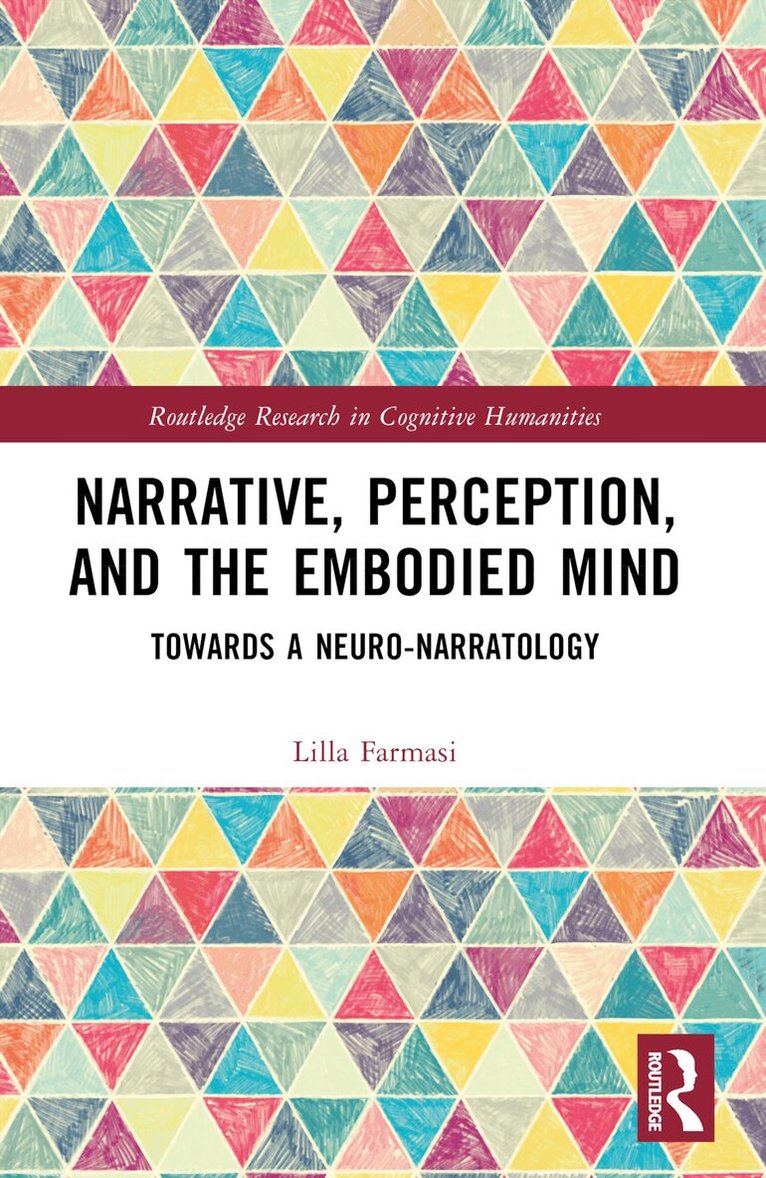
This book encourages cross-disciplinary dialogues toward introducing a new framework for neuro-narratology, expanding on established theory within cognitive narratology to more fully encompass the different faculties involved in the reading process. To investigate narrative cognition, the book traces the ways in which cognitive patterns of embodiment – and the neural connections that comprise them – in the reading process are translated into patterns in narrative fiction. Drawing theories of episodic memories and nonvisual perception of space, Farmasi draws on theories of episodic memories and nonvisual perception of space in analyzing a range of narratives from twentieth century prose. The first set of analyses shines a light on perception and emotion in narrative discourses and the construction of storyworlds, while the second foregrounds the reader’s experience. The volume makes the case for the fact that narratives need to be understood as dynamic elements of the interaction between mind, body, and environment, generating new insights and inspiring further research.This book will appeal to scholars interested in narrative theory, literary studies, cognitive science, neuroscience, and philosophy.
591 kr
Skickas inom 10-15 vardagar
This book encourages cross-disciplinary dialogues toward introducing a new framework for neuro-narratology, expanding on established theory within cognitive narratology to more fully encompass the different faculties involved in the reading process. To investigate narrative cognition, the book traces the ways in which cognitive patterns of embodiment – and the neural connections that comprise them – in the reading process are translated into patterns in narrative fiction. Drawing theories of episodic memories and nonvisual perception of space, Farmasi draws on theories of episodic memories and nonvisual perception of space in analyzing a range of narratives from twentieth century prose. The first set of analyses shines a light on perception and emotion in narrative discourses and the construction of storyworlds, while the second foregrounds the reader’s experience. The volume makes the case for the fact that narratives need to be understood as dynamic elements of the interaction between mind, body, and environment, generating new insights and inspiring further research.This book will appeal to scholars interested in narrative theory, literary studies, cognitive science, neuroscience, and philosophy.
2 182 kr
Skickas inom 10-15 vardagar
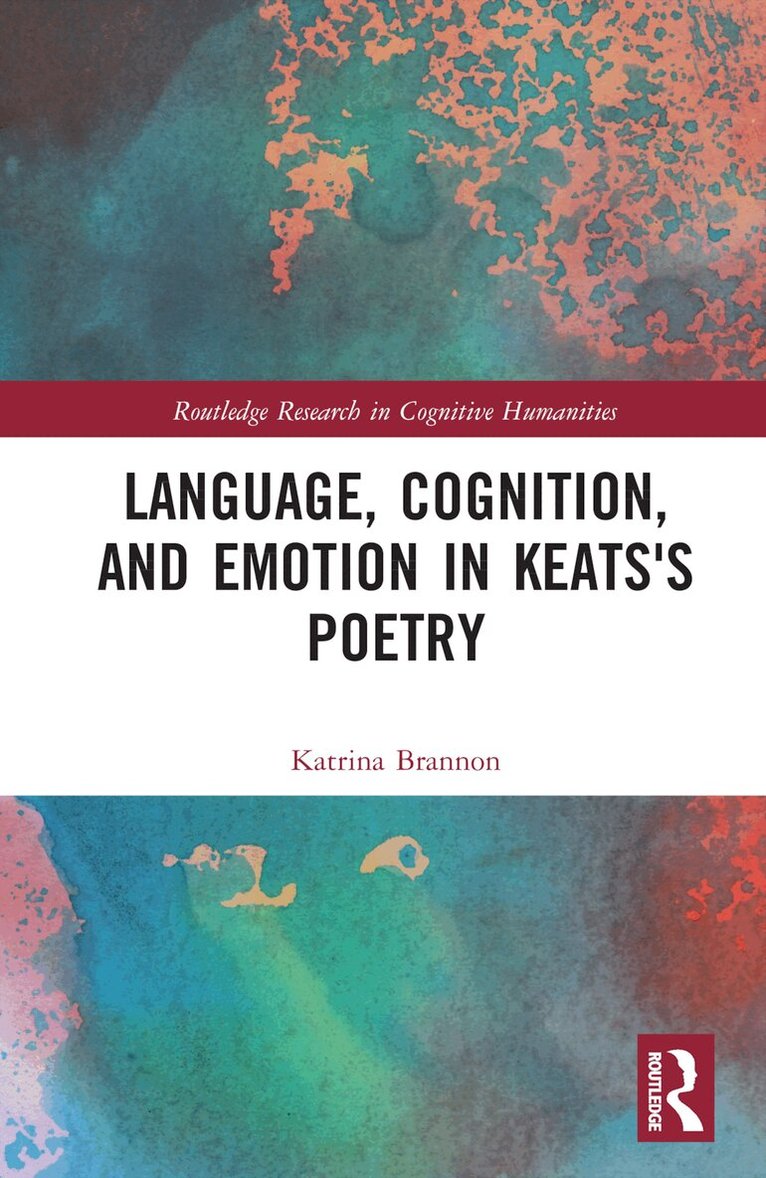
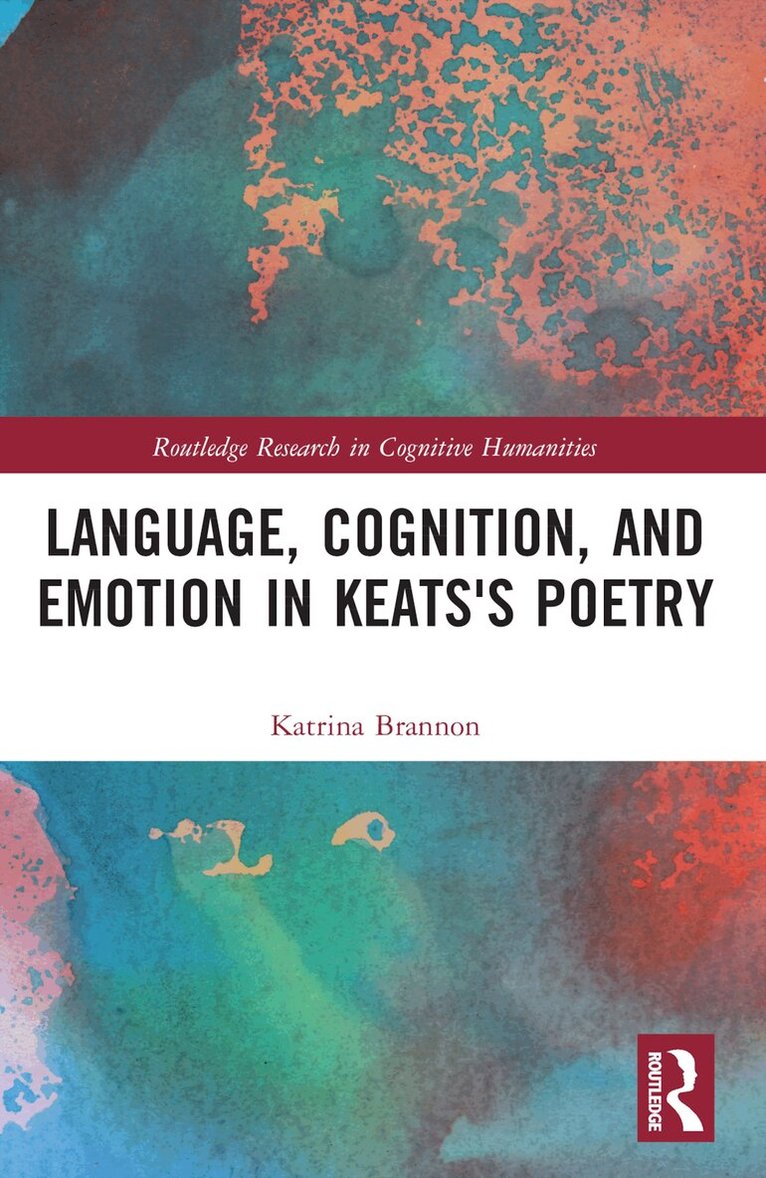
Language, Cognition, and Emotion in Keats’s Poetry applies an innovative cognitive linguistic approach to the poetry of John Keats, the first of its kind to employ a cognitive-based framework to explore the expression and articulation of emotion in his work.Brannon adopts an embodied perspective to emotion, rooted in cognitive linguistics, cognitive grammar, and cognitive poetics but also works from figurative language and stylistics, in examining a selection of Keats’s poems. This approach allows for a close interrogation of the texts themselves but also the languages that compose them, comprising lexical and grammatical elements, which, when taken together, bring out the emotional saliency of Keatsian poetry. While revealing fresh insights into the work of John Keats, the book also sheds further light on the importance of cognitive approaches to poetic and grammatical analyses and how both language and the body can serve as forms of communication through which metaphors can be expressed and contextualized.This volume will appeal to students and scholars interested in cognitive linguistics, figurative language, emotion studies, cognitive science, and Anglophone poetry.
660 kr
Skickas inom 10-15 vardagar
Language, Cognition, and Emotion in Keats’s Poetry applies an innovative cognitive linguistic approach to the poetry of John Keats, the first of its kind to employ a cognitive-based framework to explore the expression and articulation of emotion in his work.Brannon adopts an embodied perspective to emotion, rooted in cognitive linguistics, cognitive grammar, and cognitive poetics but also works from figurative language and stylistics, in examining a selection of Keats’s poems. This approach allows for a close interrogation of the texts themselves but also the languages that compose them, comprising lexical and grammatical elements, which, when taken together, bring out the emotional saliency of Keatsian poetry. While revealing fresh insights into the work of John Keats, the book also sheds further light on the importance of cognitive approaches to poetic and grammatical analyses and how both language and the body can serve as forms of communication through which metaphors can be expressed and contextualized.This volume will appeal to students and scholars interested in cognitive linguistics, figurative language, emotion studies, cognitive science, and Anglophone poetry.
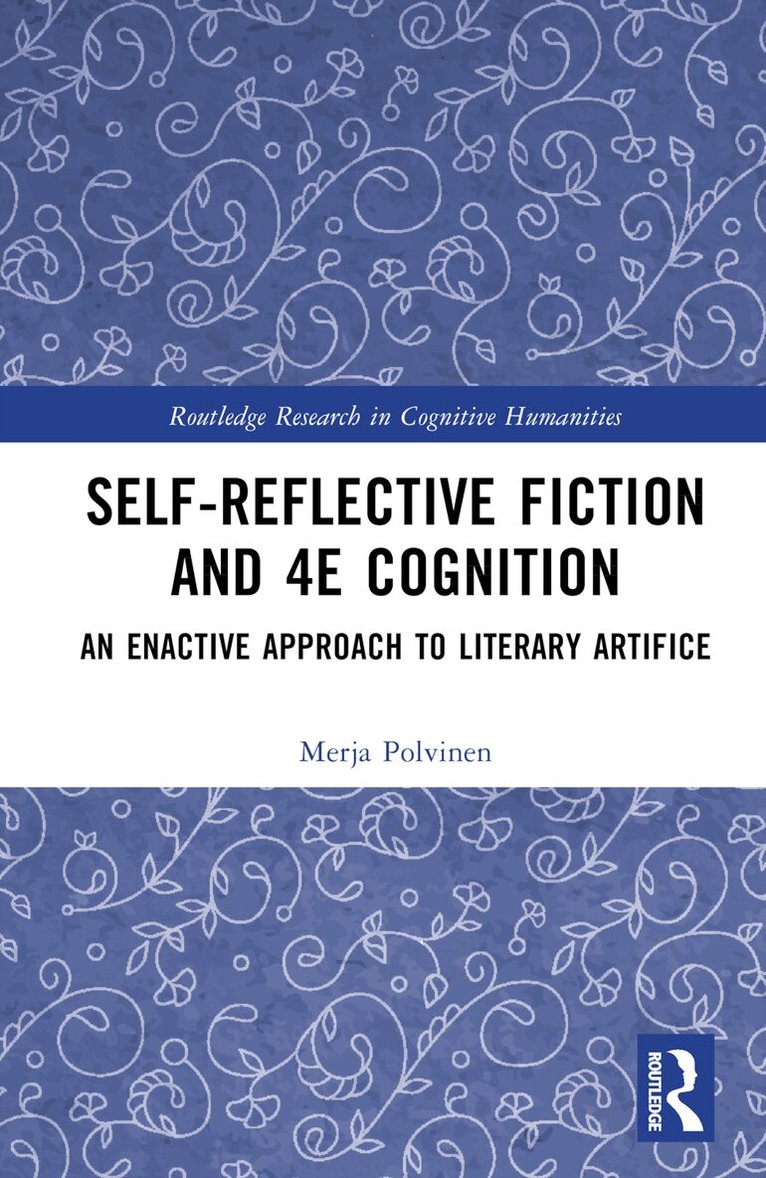
Self-Reflective Fiction and 4E Cognition
An Enactive Approach to Literary Artifice
Inbunden, Engelska, 2022
2 182 kr
Skickas inom 10-15 vardagar
This book brings together the study of self-reflective fiction and the contemporary 4E theories of cognition in order to challenge existing cognitive-theoretical models and approaches to literary phenomena. Polvinen presents reflective attention on artifice as an integral part of engagement with fictional narratives, rather than as an external viewpoint that would obscure immersive experiences. The detailed analyses included are both of traditionally metafictional texts by John Barth, A.S. Byatt, Dave Eggers, and Ali Smith, as well as of speculative fictions by Ted Chiang, China Miéville, Christopher Priest, and Catherynne M. Valente. Each of the chapters focuses on a specific issue of fictional cognition: on metaphorical representation, spatiality, temporality, and fictionality. As a whole, the book argues that by combining a literary and theoretically complex view of artifice with the enactive paradigm of perception and imagination, practitioners of cognitive literary studies can further sharpen their own conceptual and terminological apparatus and continue to generate fruitful hermeneutic circulation around the study of the imagination in both the sciences and the humanities. This book will appeal to students and scholars interested in cognitive approaches to literary studies, speculative fiction, metafiction, and narrative studies.
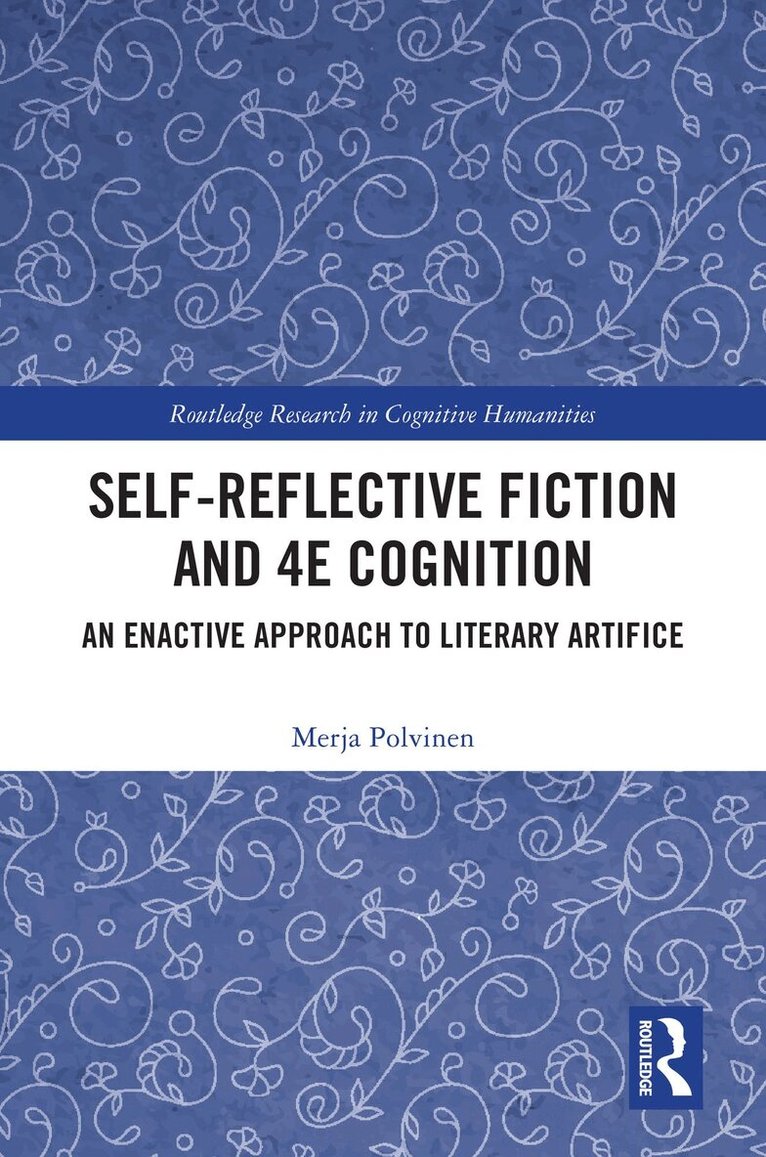
Self-Reflective Fiction and 4E Cognition
An Enactive Approach to Literary Artifice
Häftad, Engelska, 2022
629 kr
Skickas inom 10-15 vardagar
This book brings together the study of self-reflective fiction and the contemporary 4E theories of cognition in order to challenge existing cognitive-theoretical models and approaches to literary phenomena. Polvinen presents reflective attention on artifice as an integral part of engagement with fictional narratives, rather than as an external viewpoint that would obscure immersive experiences. The detailed analyses included are both of traditionally metafictional texts by John Barth, A.S. Byatt, Dave Eggers, and Ali Smith, as well as of speculative fictions by Ted Chiang, China Miéville, Christopher Priest, and Catherynne M. Valente. Each of the chapters focuses on a specific issue of fictional cognition: on metaphorical representation, spatiality, temporality, and fictionality. As a whole, the book argues that by combining a literary and theoretically complex view of artifice with the enactive paradigm of perception and imagination, practitioners of cognitive literary studies can further sharpen their own conceptual and terminological apparatus and continue to generate fruitful hermeneutic circulation around the study of the imagination in both the sciences and the humanities. This book will appeal to students and scholars interested in cognitive approaches to literary studies, speculative fiction, metafiction, and narrative studies.
2 414 kr
Skickas inom 10-15 vardagar
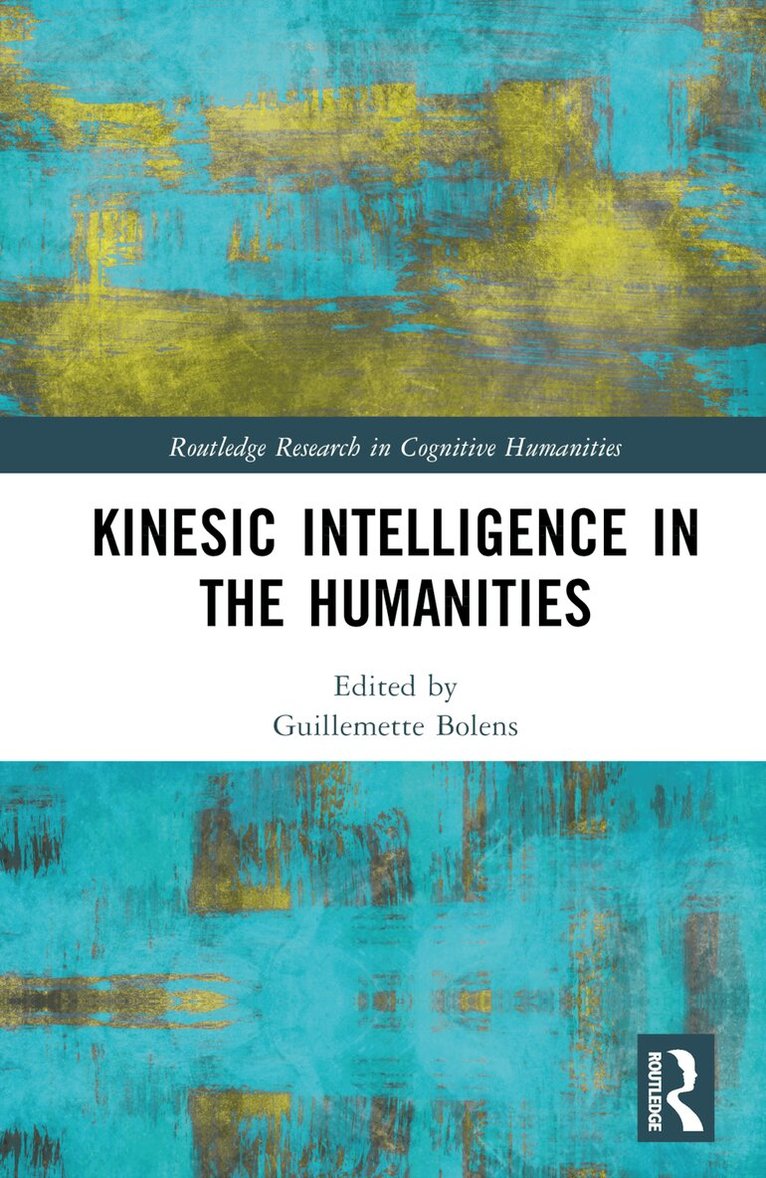
This research collection showcases how kinesic intelligence is fundamental to human communication and our ability to produce complex meaning, exploring its manifestations across a range of humanities disciplines, and connecting our past with our social and cultural future.The book defines kinesic intelligence as a higher-order intellectual competence that allows human beings to interact and grow cognitively and intersubjectively through sensorimotricity and interpersonal movement. Understood in this way, kinesic intelligence can offer insights into the development of humans’ meaning-making abilities and, in turn, society and culture more broadly. Recognizing the power of the humanities in furthering sociocultural development, the collection features perspectives from scholars across a range of topics, including the multimodality of language acquisition in children; young adults in clinical psychology and medical humanities; nonverbal communication in history; legal language and reasoning; literature and cognitive studies; the internet and multispecies anthropology; and sensoriality in history and art.Foregrounding the impact of the humanities in promoting new understandings of human intelligence, this volume will be of interest to scholars in cognitive legal and literary studies, multimodality, anthropology, history, medical humanities, and those with an interest in the real-world impact of the humanities.
722 kr
Skickas inom 10-15 vardagar
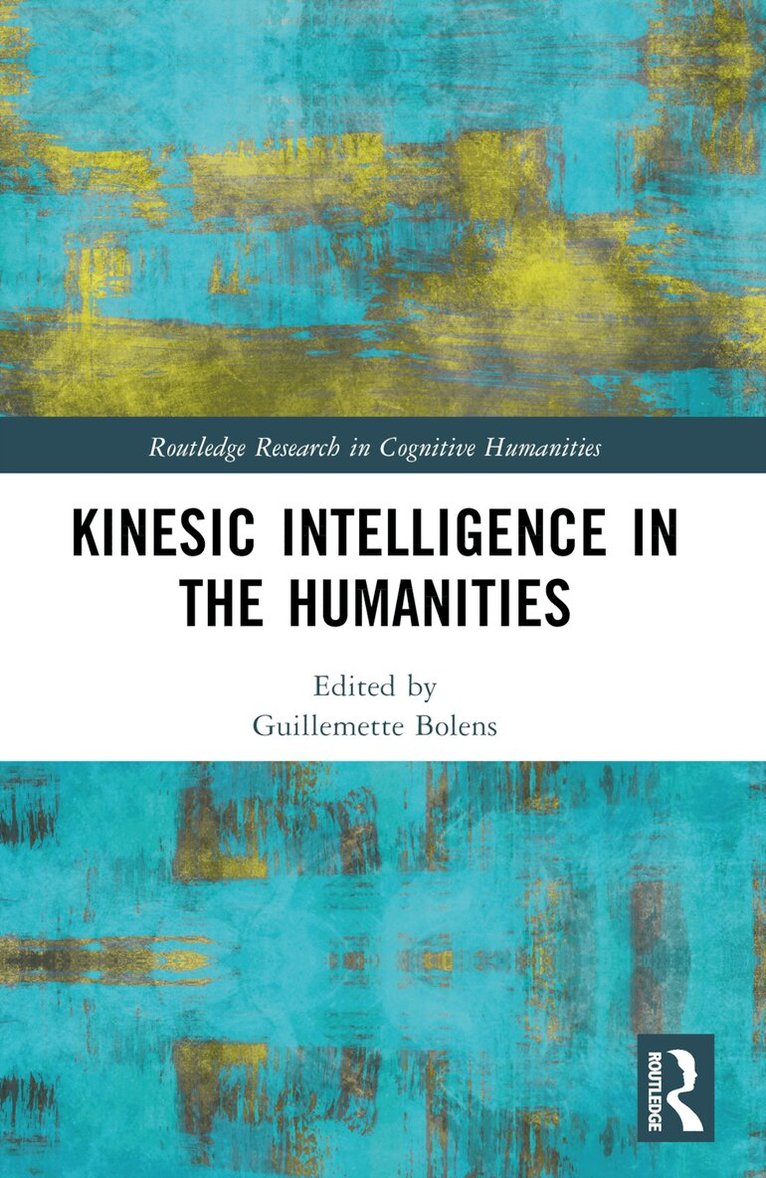
This research collection showcases how kinesic intelligence is fundamental to human communication and our ability to produce complex meaning, exploring its manifestations across a range of humanities disciplines, and connecting our past with our social and cultural future.The book defines kinesic intelligence as a higher-order intellectual competence that allows human beings to interact and grow cognitively and intersubjectively through sensorimotricity and interpersonal movement. Understood in this way, kinesic intelligence can offer insights into the development of humans’ meaning-making abilities and, in turn, society and culture more broadly. Recognizing the power of the humanities in furthering sociocultural development, the collection features perspectives from scholars across a range of topics, including the multimodality of language acquisition in children; young adults in clinical psychology and medical humanities; nonverbal communication in history; legal language and reasoning; literature and cognitive studies; the internet and multispecies anthropology; and sensoriality in history and art.Foregrounding the impact of the humanities in promoting new understandings of human intelligence, this volume will be of interest to scholars in cognitive legal and literary studies, multimodality, anthropology, history, medical humanities, and those with an interest in the real-world impact of the humanities.
Character Constellations in Cognitive and Empirical Literary Studies
A New Approach to Readerly Engagement
Inbunden, Engelska, 2026
2 596 kr
Kommande
This book develops a new approach to readerly engagement with constellations of characters in the novel. It argues that we have not understood well enough how readers respond to the simple fact that the majority of prose narratives feature many characters who are involved in complex relationships.The author integrates concepts, insights, and results from the multi-disciplinary field of cognitive and empirical literary studies and reintroduces input from classical literary scholarship. The chapters of this book develop the notion of Multiple Character Scenarios as a new conceptualisation of readers’ mental engagement with constellations of many characters in extended narratives, and they introduce further innovative concepts: a model of the interaction of different dimensions of cognition in literary reading, a differentiated approach to perspectivisation, and a fresh look at genre-related reading expectations. The book concludes with methodological considerations for the empirical study of engagement with character constellations.Beside discussing theoretical and empirical work from cognitive and empirical literary studies, the argument is illustrated by references to a broad range of examples from the history of the (British) novel. The book will therefore be of interest to literary scholars, narratologists, and everyone interested in narrative engagement from the multidisciplinary field of cognitive and empirical literary studies.