Routledge Series on South Asian Culture – serie
Visar alla böcker i serien Routledge Series on South Asian Culture. Handla med fri frakt och snabb leverans.
9 produkter
9 produkter
2 113 kr
Skickas inom 10-15 vardagar
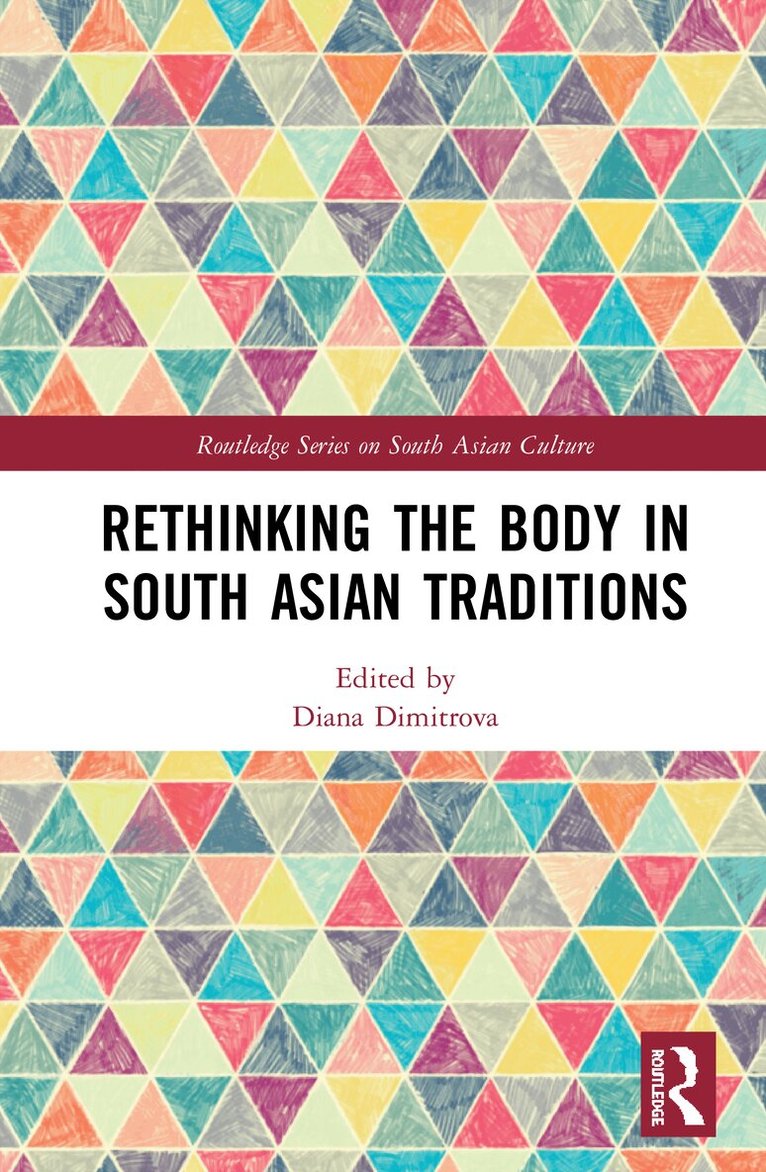
This book analyses cultural questions related to representations of the body in South Asian traditions, human perceptions and attitudes toward the body in religious and cultural contexts, as well as the processes of interpreting notions of the body in religious and literary texts. Utilising an interdisciplinary perspective by means of textual study and ideological analysis, anthropological analysis, and phenomenological analysis, the book explores both insider- and outsider perspectives and issues related to the body from the 2nd century CE up to the present-day. Chapters assess various aspects of the body including processes of embodiment and questions of mythologizing the divine body and othering the human body, as revealed in the literatures and cultures of South Asia. The book analyses notions of mythologizing and "othering" of the body as a powerful ideological discourse, which empowers or marginalizes at all levels of the human condition.Offering a deep insight into the study of religion and issues of the body in South Asian literature, religion and culture, this book will be of interest to academics in the fields of South Asian studies, South Asian religions, South Asian literatures, cultural studies, philosophy and comparative literature.
618 kr
Skickas inom 10-15 vardagar
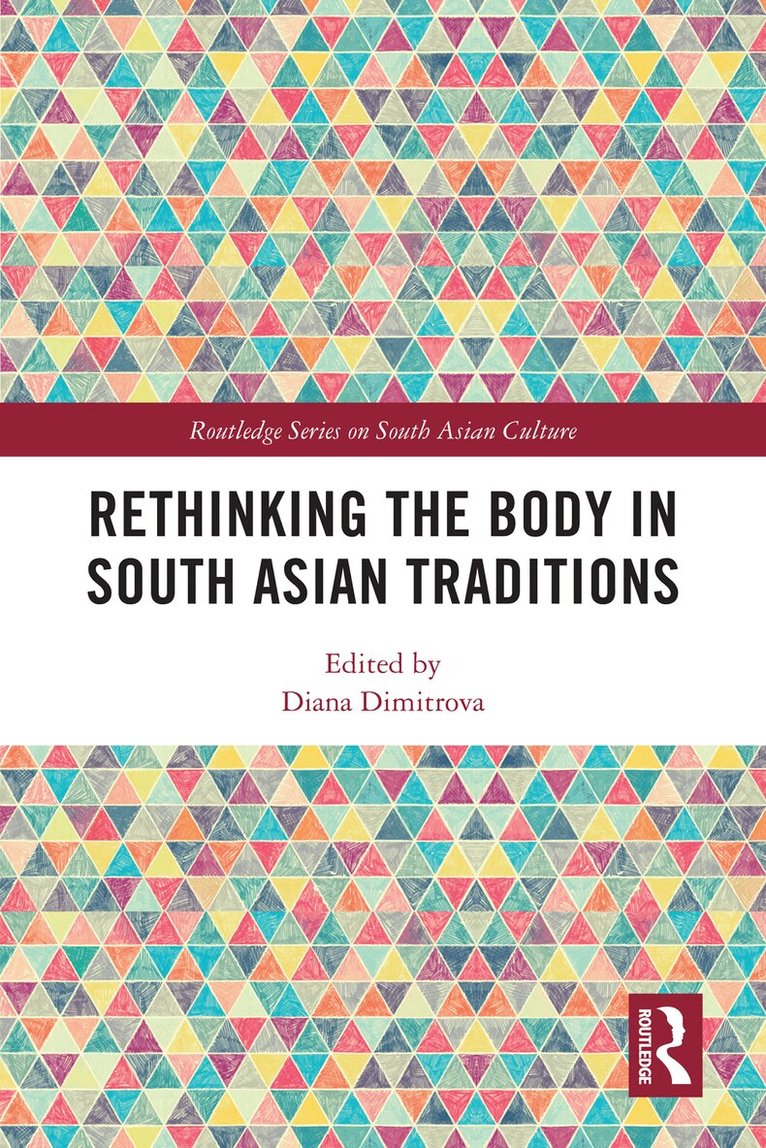
This book analyses cultural questions related to representations of the body in South Asian traditions, human perceptions and attitudes toward the body in religious and cultural contexts, as well as the processes of interpreting notions of the body in religious and literary texts. Utilising an interdisciplinary perspective by means of textual study and ideological analysis, anthropological analysis, and phenomenological analysis, the book explores both insider- and outsider perspectives and issues related to the body from the 2nd century CE up to the present-day. Chapters assess various aspects of the body including processes of embodiment and questions of mythologizing the divine body and othering the human body, as revealed in the literatures and cultures of South Asia. The book analyses notions of mythologizing and "othering" of the body as a powerful ideological discourse, which empowers or marginalizes at all levels of the human condition.Offering a deep insight into the study of religion and issues of the body in South Asian literature, religion and culture, this book will be of interest to academics in the fields of South Asian studies, South Asian religions, South Asian literatures, cultural studies, philosophy and comparative literature.
2 036 kr
Skickas inom 10-15 vardagar
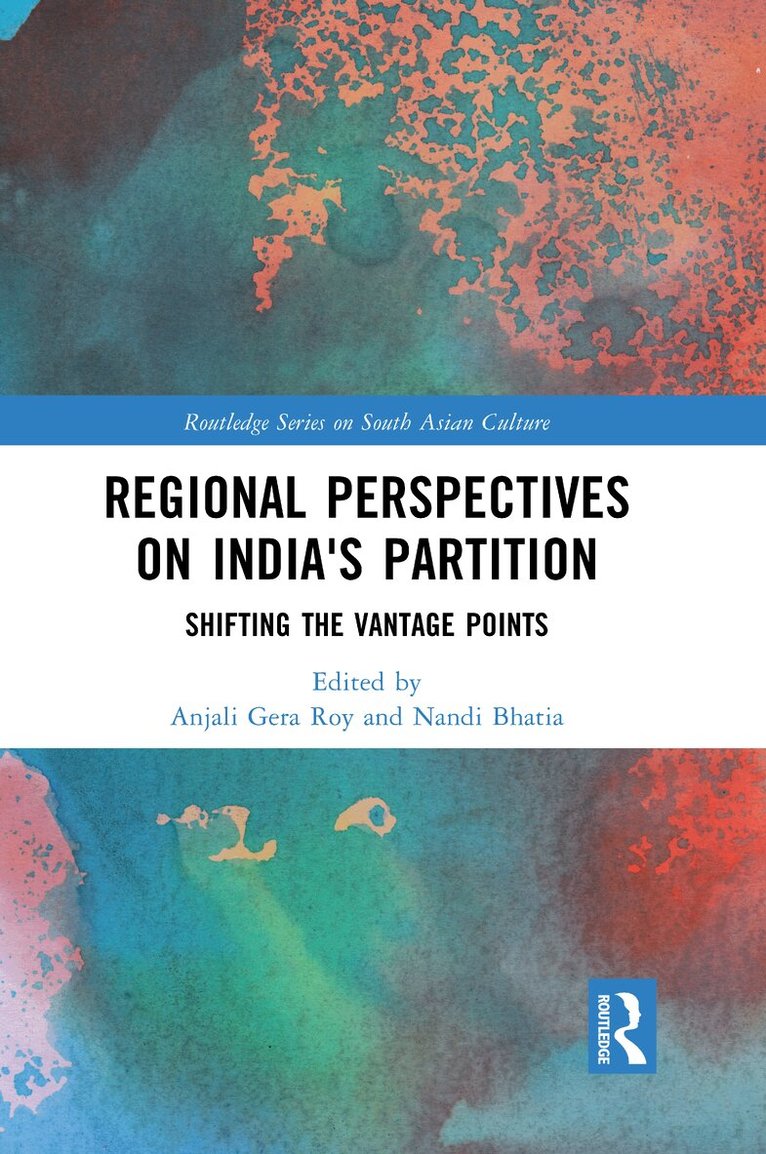
This book expands the scope of understanding of the vast, albeit uneven, experience of the 1947 Partition of India by including localities and life stories from and beyond the regions of Punjab and Bengal.Building on existing research on Partition, the chapters present and analyse the consequences of Partition displacement and the resilience of communities in different parts of the nation. Regions discussed include the Chitmahals, Assam, Tripura, Mizoram, Hyderabad, Andaman Islands, and Jammu and Kashmir. The contributors show that the heterogeneity of people’s experiences reside in spaces of the family, home, neighbourhoods, villages, towns and cities refugee settlements, letters, memoirs, biographies, films, fiction, oral histories, and testimonies. The book examines the Partition’s complex effects in regions, localities and contexts and its material and psychological ramifications.This book is a unique and comprehensive contribution in enabling a more complex understanding of how Partition played out and continues to do so for groups and generations across India. It will be of interest to a multidisciplinary audience, including history, literature, comparative literature, colonial and postcolonial studies, modern Asian studies, studies of South Asia, and studies of memory and trauma.
581 kr
Skickas inom 10-15 vardagar
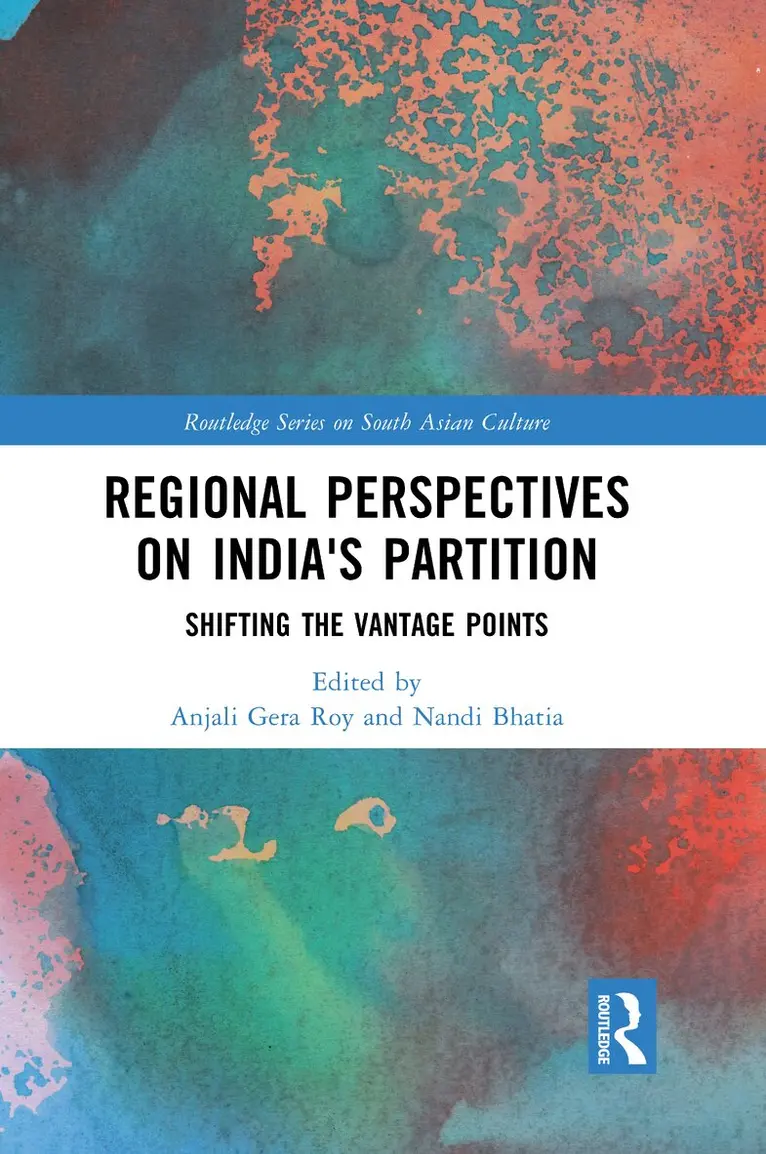
This book expands the scope of understanding of the vast, albeit uneven, experience of the 1947 Partition of India by including localities and life stories from and beyond the regions of Punjab and Bengal.Building on existing research on Partition, the chapters present and analyse the consequences of Partition displacement and the resilience of communities in different parts of the nation. Regions discussed include the Chitmahals, Assam, Tripura, Mizoram, Hyderabad, Andaman Islands, and Jammu and Kashmir. The contributors show that the heterogeneity of people’s experiences reside in spaces of the family, home, neighbourhoods, villages, towns and cities refugee settlements, letters, memoirs, biographies, films, fiction, oral histories, and testimonies. The book examines the Partition’s complex effects in regions, localities and contexts and its material and psychological ramifications.This book is a unique and comprehensive contribution in enabling a more complex understanding of how Partition played out and continues to do so for groups and generations across India. It will be of interest to a multidisciplinary audience, including history, literature, comparative literature, colonial and postcolonial studies, modern Asian studies, studies of South Asia, and studies of memory and trauma.
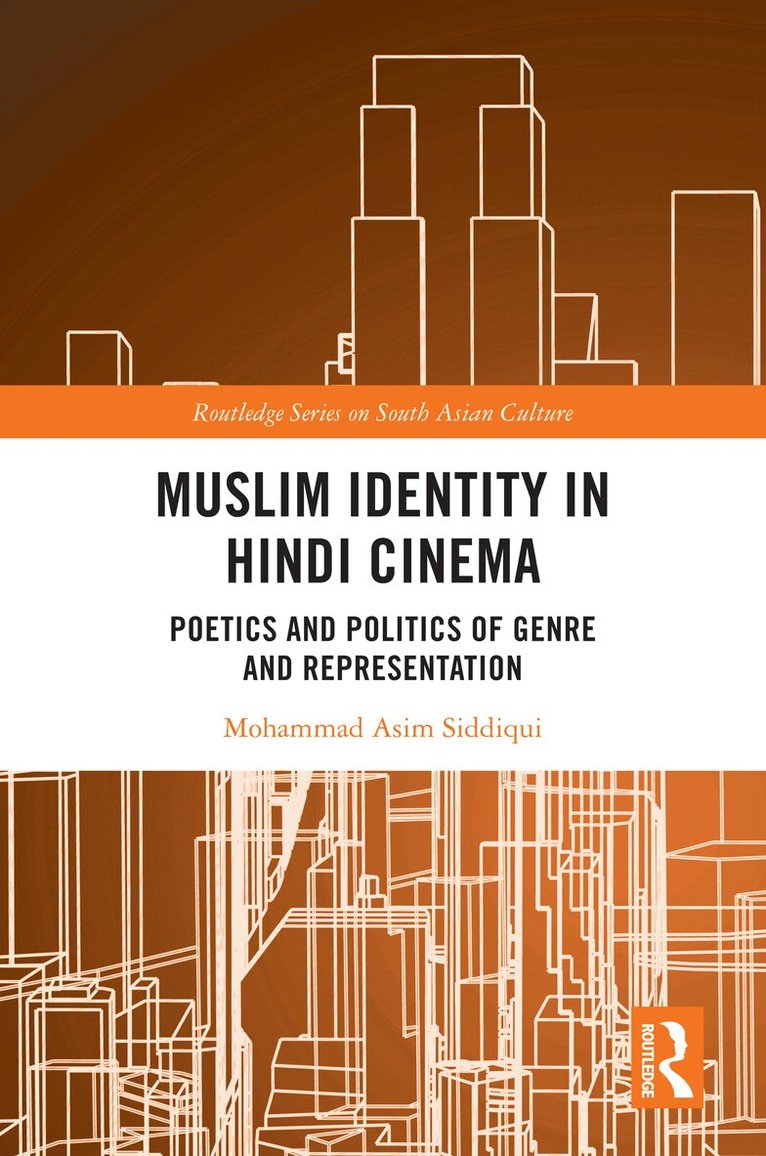
Muslim Identity in Hindi Cinema
Poetics and Politics of Genre and Representation
Inbunden, Engelska, 2025
2 113 kr
Skickas inom 10-15 vardagar
This book examines the representation of Muslim identity in Hindi films by focusing on different aspects of Muslim identity - historical, cultural, and linguistic - and their realisation in cinematic form.The book assesses the changing perceptions of Muslim identity, beginning from the historical films of the 1940s to the more recent films which often address the current stereotypical notions of Muslim identity in the post-9/11 world and in particular, analyses films which treat the problematic of "global Muslim identity". It argues that genre, language, and various sign systems create understandings and mediate notions of identity. Offering a close reading of films belonging to different genres - Muslim social, action thriller, gangster, biopic, and many others - the book interrogates concepts of social diversity, tokenism, marginality, and their reflection and consolidation in Hindi films. It critically looks at the representation of Muslim women characters and the politics of interfaith romances in many films. The book also reads many films which probe Partition violence, communal riots and the international discourse on terror. It also touches on the evolution of the language of Hindi films and its role in creating a lingua franca uniting diverse and variegated groups of people in India. Drawing insights from new critical close reading, deconstruction, semiotic and discourse analysis, the book also offers a close reading of a few films in each chapter, which offer important insights into Hindi cinema.This book offers a unique and comprehensive analysis of the political and representational aspects of Hindi cinema, portrayal of Muslims in popular arts, and the debates and politics over the use of Hindustani in India and its identification with religious and communitarian identity. It will be of interest to researchers studying world cinema, Hindi cinema, sociology and Asian studies.
2 430 kr
Skickas inom 10-15 vardagar
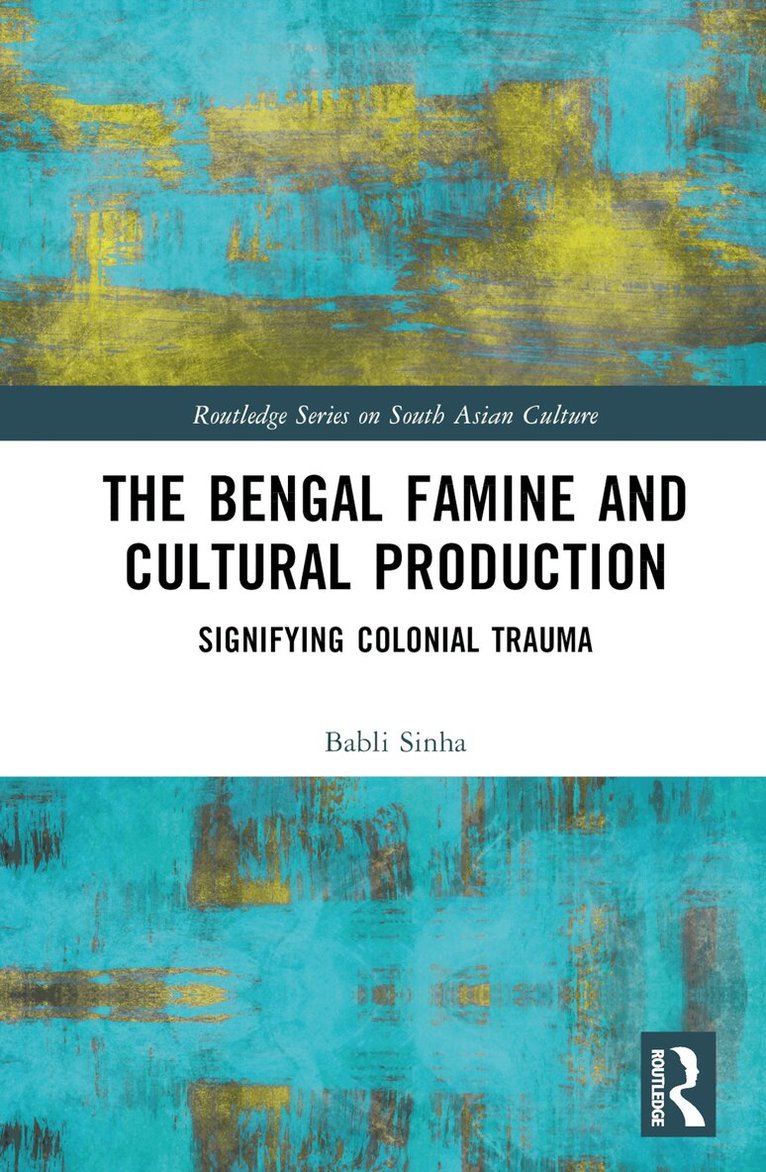
The Bengal Famine and Cultural Production: Signifying Colonial Trauma analyses the various modes of representation used by Anglophone authors and artists in response to the Bengal Famine of 1943. Official imperial narratives blamed the famine on natural disaster, war, exploitation by merchants, and incompetent local officials rather than members of the imperial government and have remained dominant in the global public imaginary until recent years. The authors and artists referenced in this study appealed to elite Bengali, South Asian, and international audiences to resist imperial narratives that minimized or erased suffering and instead encouraged relief efforts, promoted nationalist movements, maintained collective memory, innovated ethical forms of representation, and prompted systemic change. They were part of an established tradition of English in the subcontinent as the language of empire and cosmopolitanism but are not accessible, widely taught, or well-known. The direct encounter with suffering was and remains insufficient for prompting systemic change or even engagement, and yet, the recognition of trauma is crucial for personal and collective well-being. The cultural production of famine writers and artists sought to integrate the suffering and agency of the destitute into narratives of Bengali and South Asian identity and of the Second World War. It is crucial to the Humanities to recognize this body of work as a cultural counter-discourse to the biopower of empire and to engage these texts as relevant to theories of trauma. The book will be of interest to researchers in the field of South Asian history, the history of the Bengal famine, South Asian Anglophone literature, twentieth century art history, and trauma theory.
649 kr
Skickas inom 10-15 vardagar
The Bengal Famine and Cultural Production: Signifying Colonial Trauma analyses the various modes of representation used by Anglophone authors and artists in response to the Bengal Famine of 1943. Official imperial narratives blamed the famine on natural disaster, war, exploitation by merchants, and incompetent local officials rather than members of the imperial government and have remained dominant in the global public imaginary until recent years. The authors and artists referenced in this study appealed to elite Bengali, South Asian, and international audiences to resist imperial narratives that minimized or erased suffering and instead encouraged relief efforts, promoted nationalist movements, maintained collective memory, innovated ethical forms of representation, and prompted systemic change. They were part of an established tradition of English in the subcontinent as the language of empire and cosmopolitanism but are not accessible, widely taught, or well-known. The direct encounter with suffering was and remains insufficient for prompting systemic change or even engagement, and yet, the recognition of trauma is crucial for personal and collective well-being. The cultural production of famine writers and artists sought to integrate the suffering and agency of the destitute into narratives of Bengali and South Asian identity and of the Second World War. It is crucial to the Humanities to recognize this body of work as a cultural counter-discourse to the biopower of empire and to engage these texts as relevant to theories of trauma. The book will be of interest to researchers in the field of South Asian history, the history of the Bengal famine, South Asian Anglophone literature, twentieth century art history, and trauma theory.
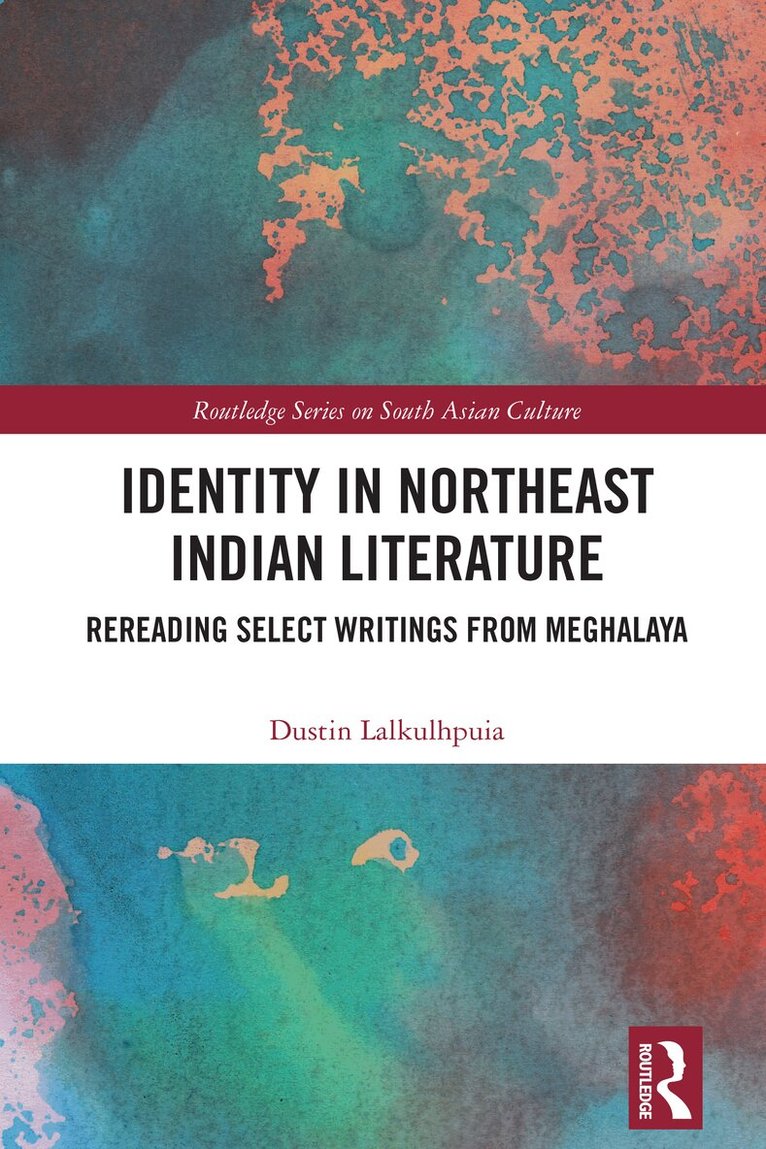
Identity in Northeast Indian Literature
Rereading Select Writings from Meghalaya
Inbunden, Engelska, 2024
2 274 kr
Skickas inom 10-15 vardagar
This book provides an in-depth analysis and critical examination of the representation of ethnic, sexual, cultural, and individual identities in selected literary works by contemporary writers from Northeast India.The book explores the complex dynamics of identity construction, sexuality, marginalisation, ethnicity, and belonging in the context of Meghalaya and Northeast India as a whole. The author analyses poetry and prose by Janice Pariat, Anjum Hasan, Kynpham Singh Nongkynrih, and other Khasi writers. These works candidly portray the turmoil afflicting contemporary Meghalaya – from insurgency and ethnic tensions to ecological threats and loss of roots as well as reconciliation, integration, and mutual understanding. Using postmodern and postcolonial literary strategies, the book depicts fluid, heterogeneous, and multifaceted notions of identity in Northeast India. An exploration of ethnicity, belonging, and unbelonging in the Northeastern context, this book presents marginalised voices and liminal spaces. It will be of interest to academics focusing on Indian English literature, postcolonial literature, and South Asian Studies.
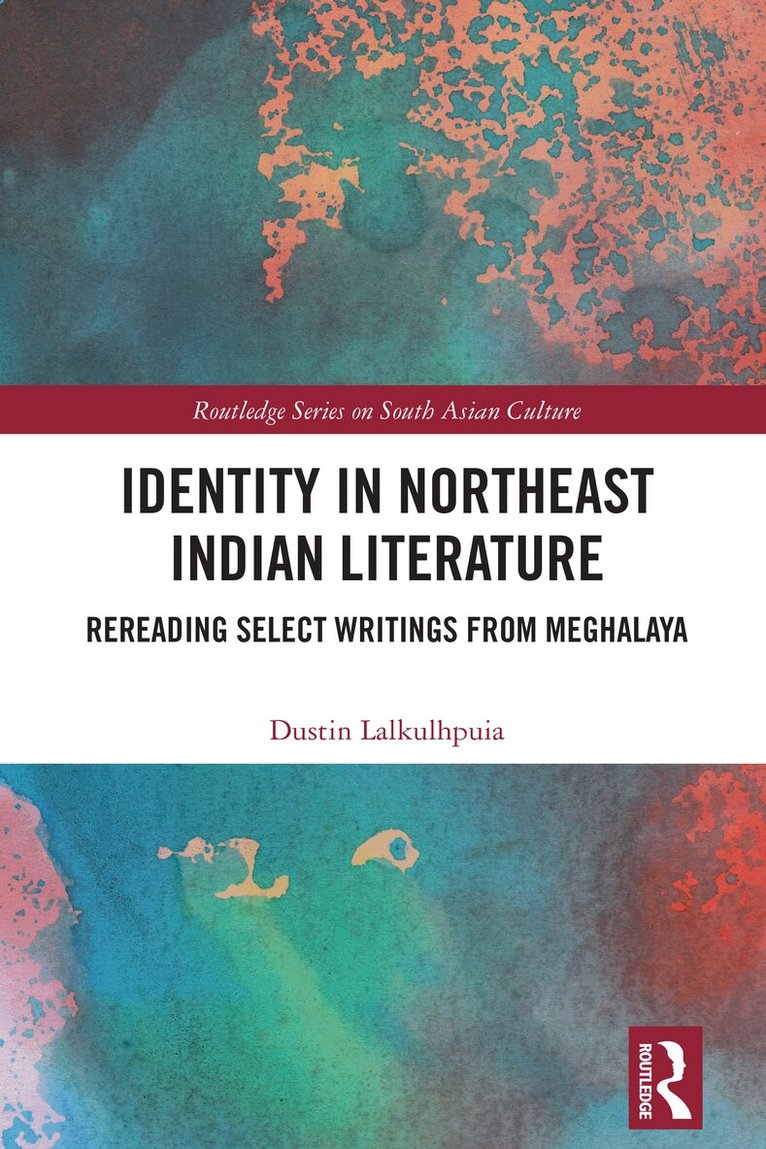
Identity in Northeast Indian Literature
Rereading Select Writings from Meghalaya
Häftad, Engelska, 2026
776 kr
Kommande
This book provides an in-depth analysis and critical examination of the representation of ethnic, sexual, cultural, and individual identities in selected literary works by contemporary writers from Northeast India.The book explores the complex dynamics of identity construction, sexuality, marginalisation, ethnicity, and belonging in the context of Meghalaya and Northeast India as a whole. The author analyses poetry and prose by Janice Pariat, Anjum Hasan, Kynpham Singh Nongkynrih, and other Khasi writers. These works candidly portray the turmoil afflicting contemporary Meghalaya – from insurgency and ethnic tensions to ecological threats and loss of roots as well as reconciliation, integration, and mutual understanding. Using postmodern and postcolonial literary strategies, the book depicts fluid, heterogeneous, and multifaceted notions of identity in Northeast India. An exploration of ethnicity, belonging, and unbelonging in the Northeastern context, this book presents marginalised voices and liminal spaces. It will be of interest to academics focusing on Indian English literature, postcolonial literature, and South Asian Studies.