Routledge Socio-Legal Frontiers of Transitional Justice – serie
Visar alla böcker i serien Routledge Socio-Legal Frontiers of Transitional Justice. Handla med fri frakt och snabb leverans.
5 produkter
5 produkter
1 944 kr
Skickas inom 10-15 vardagar
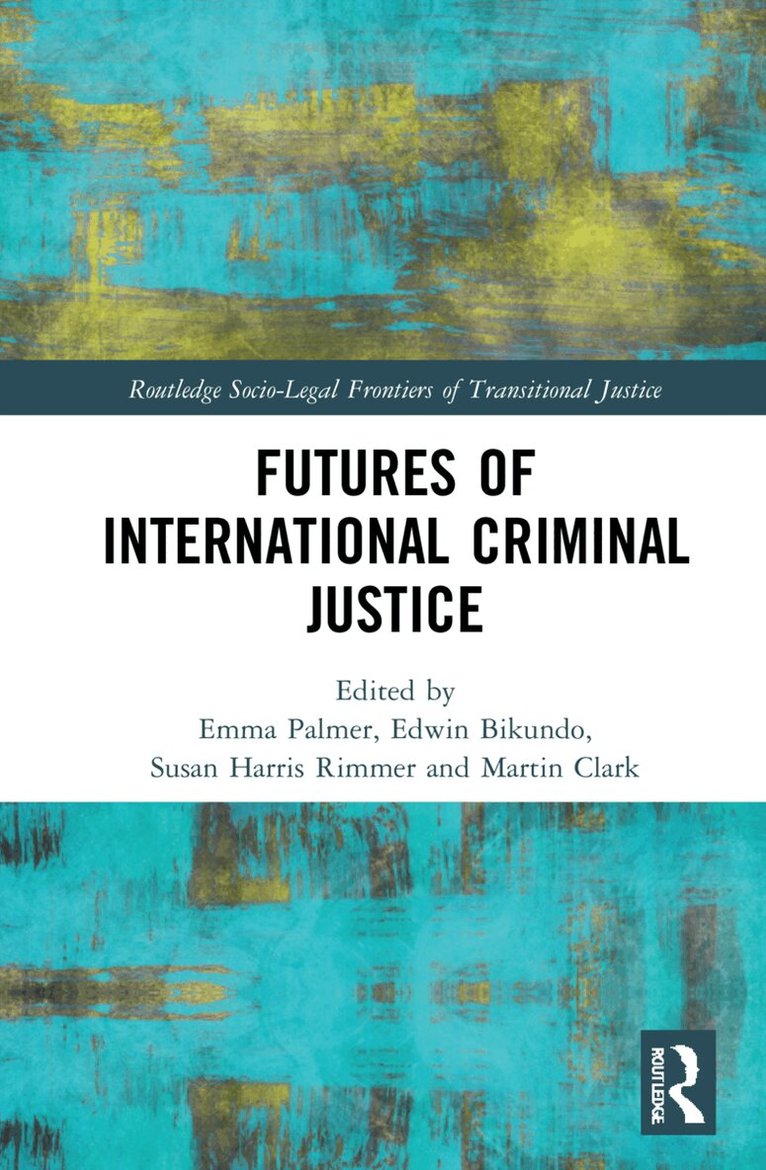
This collection identifies and discusses problems and opportunities for the theory and practice of international criminal justice. The International Criminal Court and project of prosecuting international atrocity crimes have faced multiple challenges and critiques. In recent times, these have included changes in technology, the conduct of armed conflict, the environment, and geopolitics. The mostly emerging contributors to this collection draw on diverse socio-legal research frameworks to discuss proposals for the futures of international criminal justice. These include addressing accountability gaps and under-examined or emerging areas of criminality at, but also beyond, the International Criminal Court, especially related to technology and the environment. The book discusses the tensions between universalism and localisation, as well as the regionalisation of international criminal justice and how these approaches might adapt to dynamic organisational, political and social structures, at the ICC and beyond. The book will be of interest to students, researchers and academics. It will also be a useful resource for civil society representatives including justice advocates, diplomats and other government officials and policy-makers.
569 kr
Skickas inom 10-15 vardagar
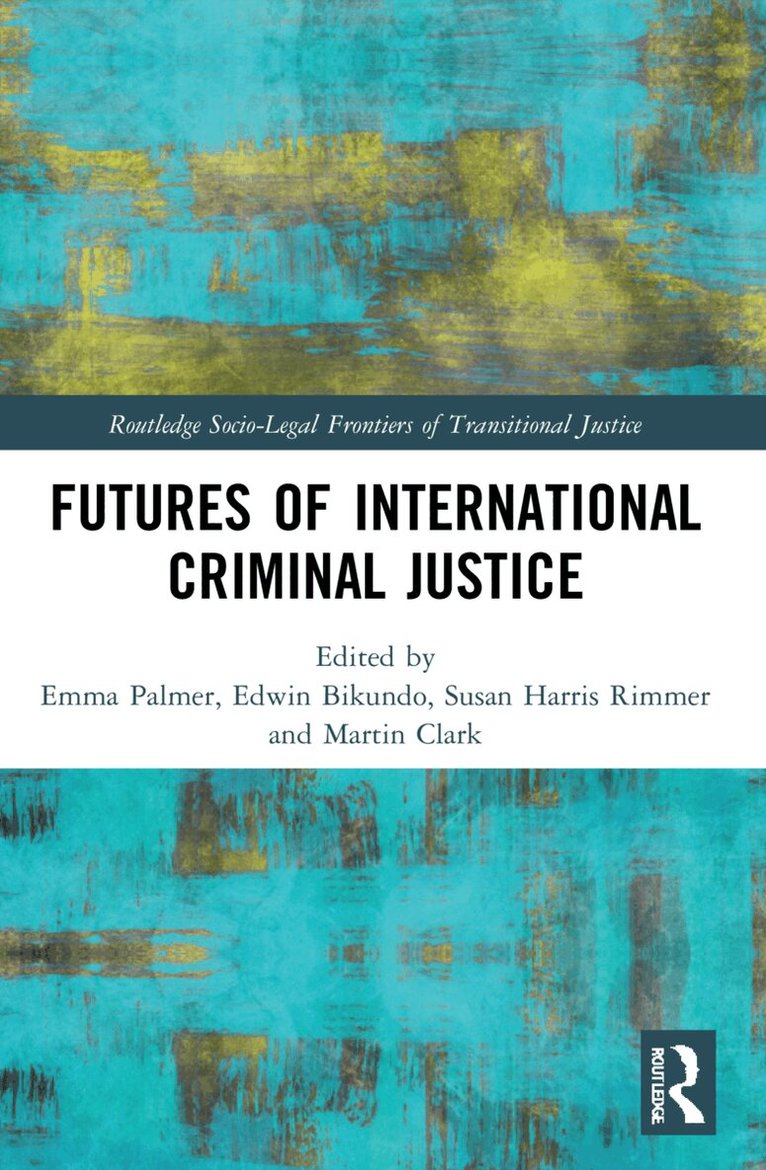
This collection identifies and discusses problems and opportunities for the theory and practice of international criminal justice. The International Criminal Court and project of prosecuting international atrocity crimes have faced multiple challenges and critiques. In recent times, these have included changes in technology, the conduct of armed conflict, the environment, and geopolitics. The mostly emerging contributors to this collection draw on diverse socio-legal research frameworks to discuss proposals for the futures of international criminal justice. These include addressing accountability gaps and under-examined or emerging areas of criminality at, but also beyond, the International Criminal Court, especially related to technology and the environment. The book discusses the tensions between universalism and localisation, as well as the regionalisation of international criminal justice and how these approaches might adapt to dynamic organisational, political and social structures, at the ICC and beyond. The book will be of interest to students, researchers and academics. It will also be a useful resource for civil society representatives including justice advocates, diplomats and other government officials and policy-makers.
2 077 kr
Kommande
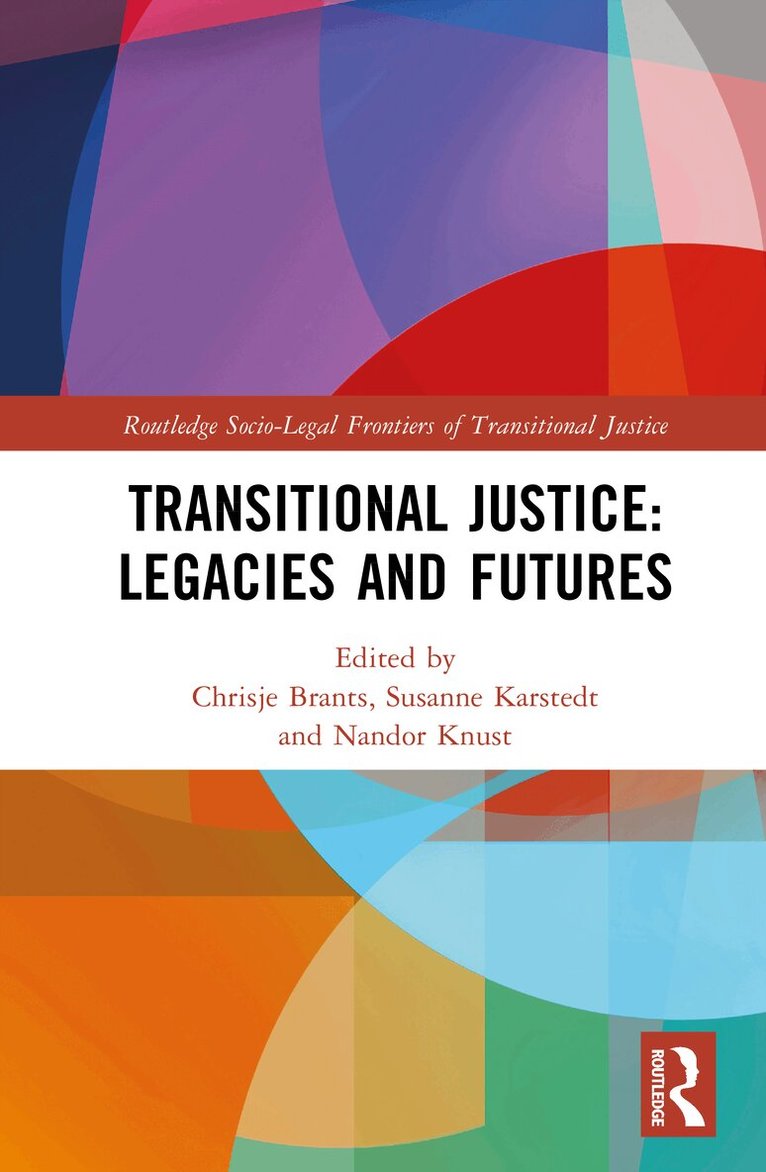
This volume explores the futures of transitional justice by presenting its multiple pasts and presents across nearly half a century. It canvasses the legacies of achievements and failures, of high hopes and expectations, and equally of disappointment and disillusion across a range of institutions, including the International Criminal Court, global regions and local settings. The authors critically assess a range of different transitional justice mechanisms including prosecutions, reparations, truth-seeking, and institutional reform, as well as individual and public apologies for grave breaches of human rights. Their focus on local conditions foregrounds actors and networks, politics and the political in transitional justice processes. The book presents evidence, critical facts and analyses through a multidisciplinary lens, featuring criminologists, international criminal law scholars, political scientists, sociologists, social psychologists, and anthropologists. It combines theoretical and empirical contributions to achieve fresh perspectives on transitional justice. The first part interrogates transitional justice's impact. The second examines how transitional justice mechanisms are embedded within social and political structures. The third explores voice and participation in transitional justice discourses and practices, identifying key lessons for the future. By integrating diverse disciplinary perspectives with both theoretical frameworks and empirical evidence, this comprehensive volume offers valuable insights into how societies address past traumas and (re)gain a future. The book serves as an essential resource for researchers, practitioners, and students seeking to explore innovative research avenues in transitional justice and understand the complex dynamics of post-conflict and post-authoritarian justice processes.
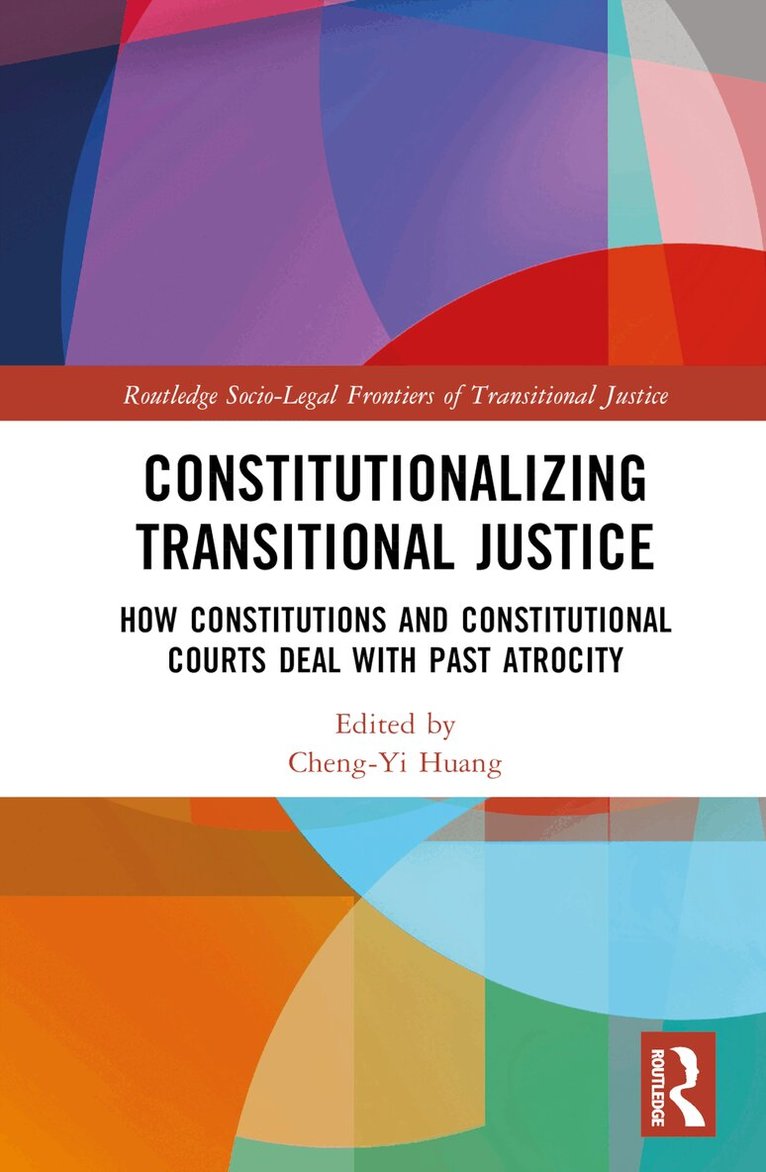
Constitutionalizing Transitional Justice
How Constitutions and Constitutional Courts Deal with Past Atrocity
Häftad, Engelska, 2024
531 kr
Skickas inom 10-15 vardagar
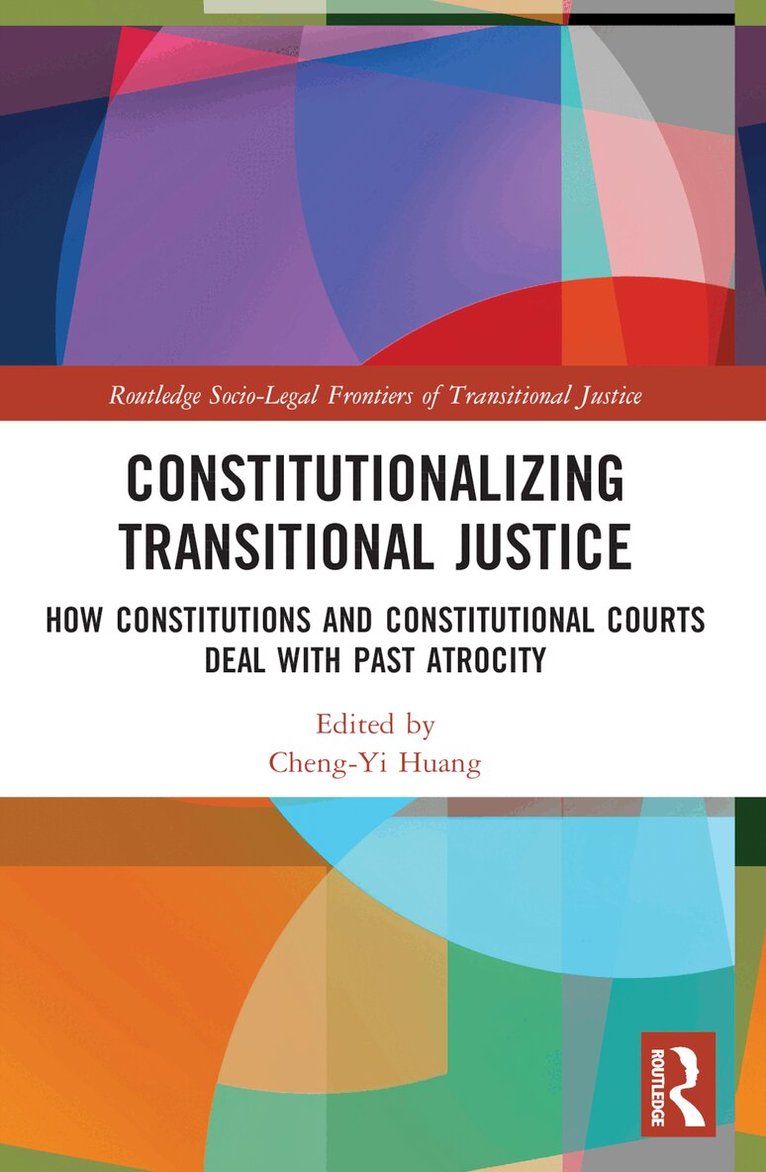
This book explores the complicated relationship between constitutions and transitional justice. It brings together scholars and practitioners from different countries to analyze the indispensable role of constitutions and constitutional courts in the process of overcoming political injustice of the past. Issues raised in the book include the role of a new constitution for the successful practice of transitional justice after democratization, revolution or civil war, and the difficulties faced by the court while dealing with mass human rights infringements with limited legal tools. The work also examines whether constitutionalizing transitional justice is a better strategy for new democracies in response to political injustice from the past. It further addresses the complex issue of backslides of democracy and consequences of constitutionalizing transitional justice. The group of international authors address the interplay of the constitution/court and transitional justice in their native countries, along with theoretical underpinnings of the success or unfulfilled promises of transitional justice from a comparative perspective.The book will be a valuable resource for academics, researchers and policy-makers working in the areas of Transitional Justice, Comparative Constitutional Law, Human Rights Studies, International Criminal Law, Genocide Studies, Law and Politics, and Legal History.
Constitutionalizing Transitional Justice
How Constitutions and Constitutional Courts Deal with Past Atrocity
Inbunden, Engelska, 2022
1 756 kr
Skickas inom 10-15 vardagar
This book explores the complicated relationship between constitutions and transitional justice. It brings together scholars and practitioners from different countries to analyze the indispensable role of constitutions and constitutional courts in the process of overcoming political injustice of the past. Issues raised in the book include the role of a new constitution for the successful practice of transitional justice after democratization, revolution or civil war, and the difficulties faced by the court while dealing with mass human rights infringements with limited legal tools. The work also examines whether constitutionalizing transitional justice is a better strategy for new democracies in response to political injustice from the past. It further addresses the complex issue of backslides of democracy and consequences of constitutionalizing transitional justice. The group of international authors address the interplay of the constitution/court and transitional justice in their native countries, along with theoretical underpinnings of the success or unfulfilled promises of transitional justice from a comparative perspective.The book will be a valuable resource for academics, researchers and policy-makers working in the areas of Transitional Justice, Comparative Constitutional Law, Human Rights Studies, International Criminal Law, Genocide Studies, Law and Politics, and Legal History.