Routledge Studies in Biodiversity Politics and Management – serie
Visar alla böcker i serien Routledge Studies in Biodiversity Politics and Management. Handla med fri frakt och snabb leverans.
12 produkter
12 produkter
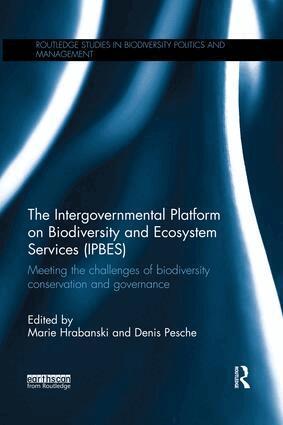
Intergovernmental Platform on Biodiversity and Ecosystem Services (IPBES)
Meeting the challenge of biodiversity conservation and governance
Häftad, Engelska, 2019
679 kr
Skickas inom 10-15 vardagar
Twenty years after the Convention on Biological Diversity (CBD) entered into force, the founding of the Intergovernmental Platform on Biodiversity and Ecosystem Services (IPBES) in 2012 was the outcome of a long process of setting biodiversity issues at the top of the global environmental agenda. With contributions from more than a dozen well-renowned researchers in political science, law and sociology, this book analyzes IPBES functioning and challenges in terms of the knowledge selection process and actors involved. The book reveals that, through its conceptual framework, IPBES promotes a pluralistic view of nature that calls for a broadening of the disciplinary frontiers. It combines natural science and social science research and also includes indigenous and local knowledge. IPBES is considered to represent the institutionalization of a permanent knowledge assessment on biodiversity and is often referred to as an IPCC success story, constituting a new stage in global environmental governance. In analyzing the knowledge selection process for IPBES decision making, the book better situates IPBES within the biodiversity and global governance domain. It ultimately argues that the establishment of IPBES provides a new opportunity to coordinate the different international conventions (CBD, RAMSAR, CITES, etc.) and initiatives (international assessment of marine biology, scientific programs, funding, etc.).
679 kr
Skickas inom 10-15 vardagar
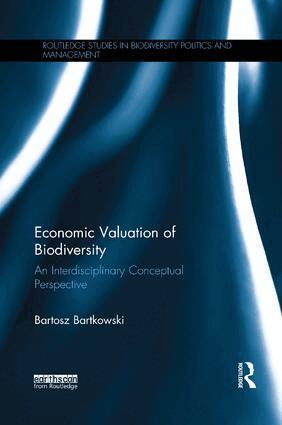
While biodiversity loss is an ecological phenomenon, it also has further dimensions – political, social and, last but not least, economic. From the economic perspective, the rapid loss of biological diversity can be viewed in two ways. First, the consequence of this deterioration process is a loss of options and an increase in scarcity of the environmental ‘good’, biodiversity. Second, economic activity and the structure of global and local economic institutions have frequently been identified as the major drivers of biodiversity loss. In economic terms, this constitutes a market failure – market-based economic activities lead to processes which undermine the long-term stability of these very activities. This book provides an ecological economic perspective on the value of diversity in ecosystems. Combining insights from various sub-disciplines of ecology and environmental/ecological economics, the author constructs a conceptual framework which identifies the ways in which biodiversity influences human well-being and offers a novel, unifying perspective on the economic value of biodiversity. This framework demonstrates that biodiversity’s economic value mainly results from uncertainty about the future, regarding both supply of and demand for ecosystem services, and interconnections between ecosystems. The book goes on to identify suitable methods for economic valuation of biodiversity and discusses the currently underdeveloped and underused approach of deliberative monetary valuation. Combining a strong theoretical framework with practical examples, this book will be of great interest to students and researchers of ecological economics, ecosystem services, environmental values and environmental and resource economics.
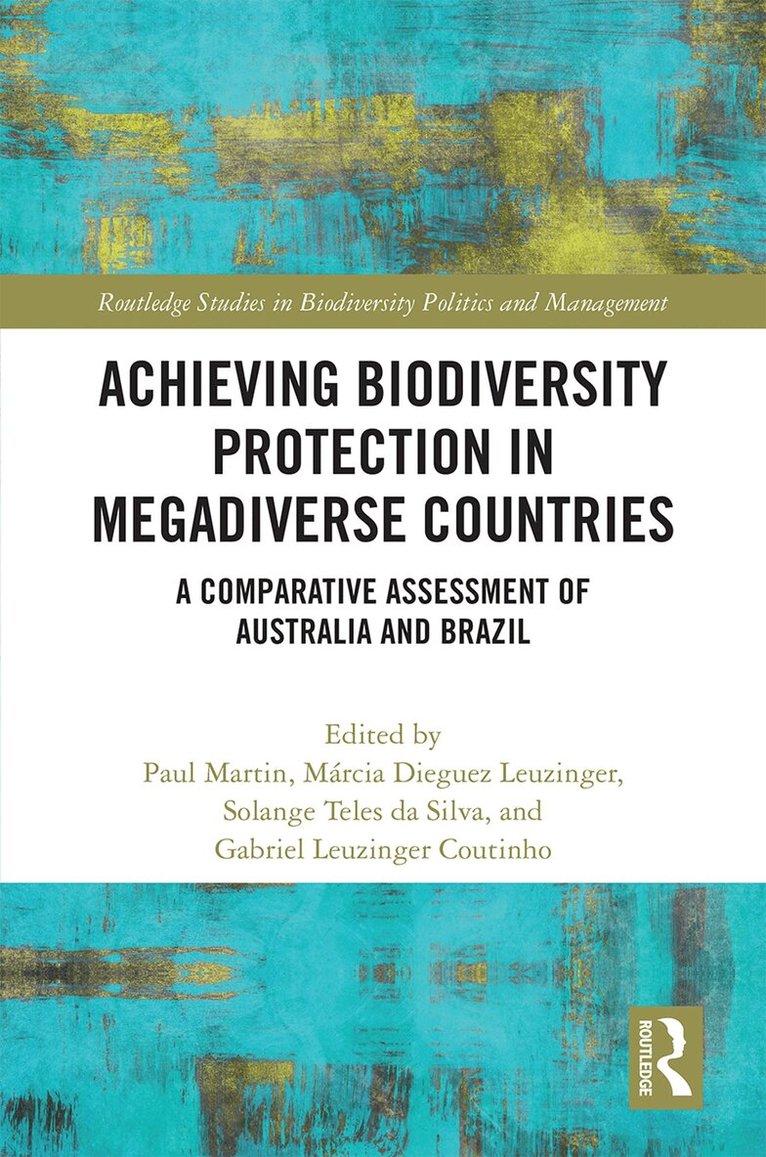
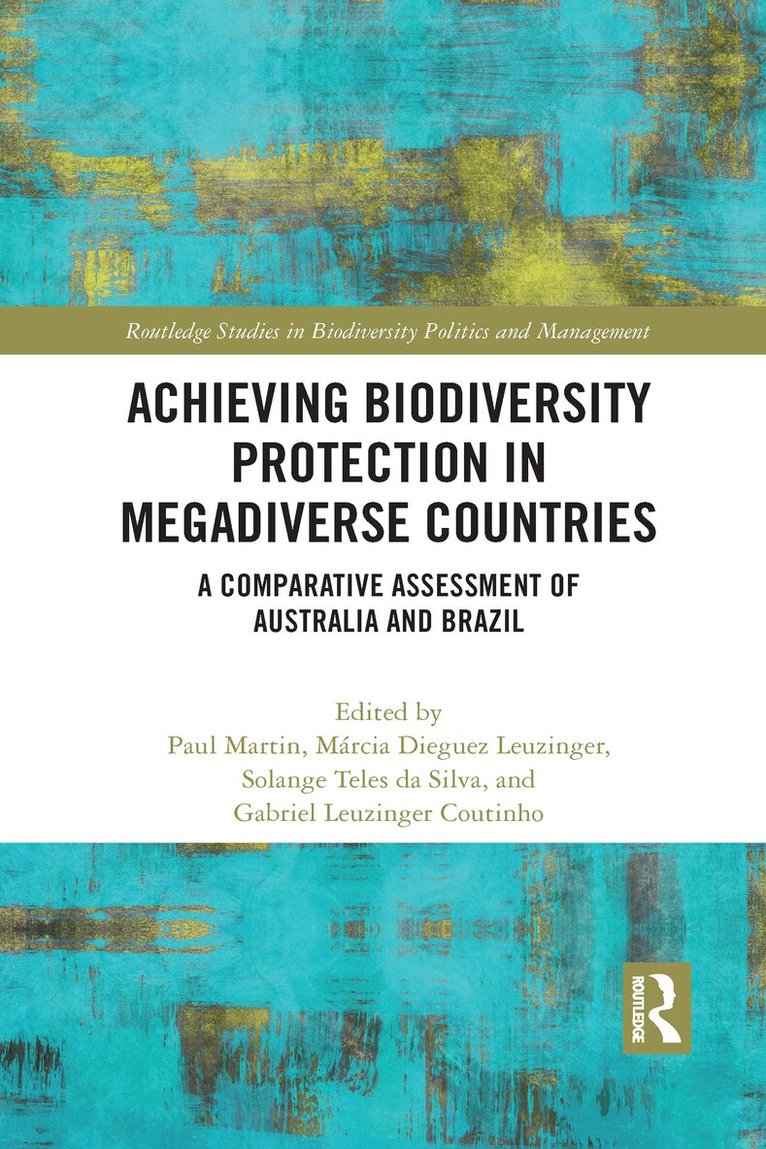
Achieving Biodiversity Protection in Megadiverse Countries
A Comparative Assessment of Australia and Brazil
Inbunden, Engelska, 2020
2 134 kr
Skickas inom 10-15 vardagar
This volume systematically analyses why legal doctrines for the protection of biodiversity are not sufficiently effective. It examples implementation in Australia and Brazil, two megadiverse countries with very differing legal and cultural traditions and natural environments.Substantial effort goes into the development and interpretation of legal doctrines for the protection of biodiversity in national and international law. Despite this, biodiversity continues in steep decline. Nowhere is this more evident than in megadiverse countries, such as Australia and Brazil, which possess the greatest number and diversity of animals and plants on Earth. The book covers a wide range of topics, including farming, mining, marine environments, indigenous interests and governance. Achieving Biodiversity Protection in Megadiverse Countries highlights specific causes of underperformance in protecting diverse terrestrial and marine environments. It provides proposals for more effective implementation in these two jurisdictions, relevant to other megadiverse territories, and for biodiversity protection generally. Each chapter was written by teams of Australian and Brazilian authors, so that similar issues are considered across both jurisdictions, to provide both country-specific and generalisable insights.Achieving Biodiversity Protection in Megadiverse Countries will be of great interest to students and scholars of environmental law and governance and biodiversity conservation, as well as policymakers, practitioners and NGOs working in these fields.
2 271 kr
Skickas inom 10-15 vardagar
Biodiversity may refer to the diversity of genes, species or ecosystems in general. These varying concepts of biodiversity occasionally lead to conflicts among researchers and policy makers, as each of them require a customized type of protection strategy. This book addresses the questions surrounding the merits of conserving an existing situation, evolutionary development or the intentional substitution of one genome, species or ecosystem for another. Any practical steps towards the protection of biodiversity demand a definition of that which is to be protected and, in turn, the motivations for protecting biodiversity. Is biodiversity a necessary model which is also useful, or does it carry intrinsic value? Debates like this are particularly complex when interested parties address it from different conceptual and moral perspectives. Comprised of three parts, each complemented by a short introductory paragraph, this collection presents a variety of approaches to this challenge. The chapters cover the perspectives of environmental scientists with expertise in evolutionary, environmental biology, systematic zoology and botany, as well as those of researchers with expertise in philosophy, ethics, politics, law and economics. This combination facilitates a truly interdisciplinary debate by highlighting hitherto unacknowledged implications that inform current academic and political debates on biodiversity and its protection. The book should be of interest to students and researchers of environment studies, biodiversity, environmental philosophy, ethics and management.
2 410 kr
Skickas inom 10-15 vardagar
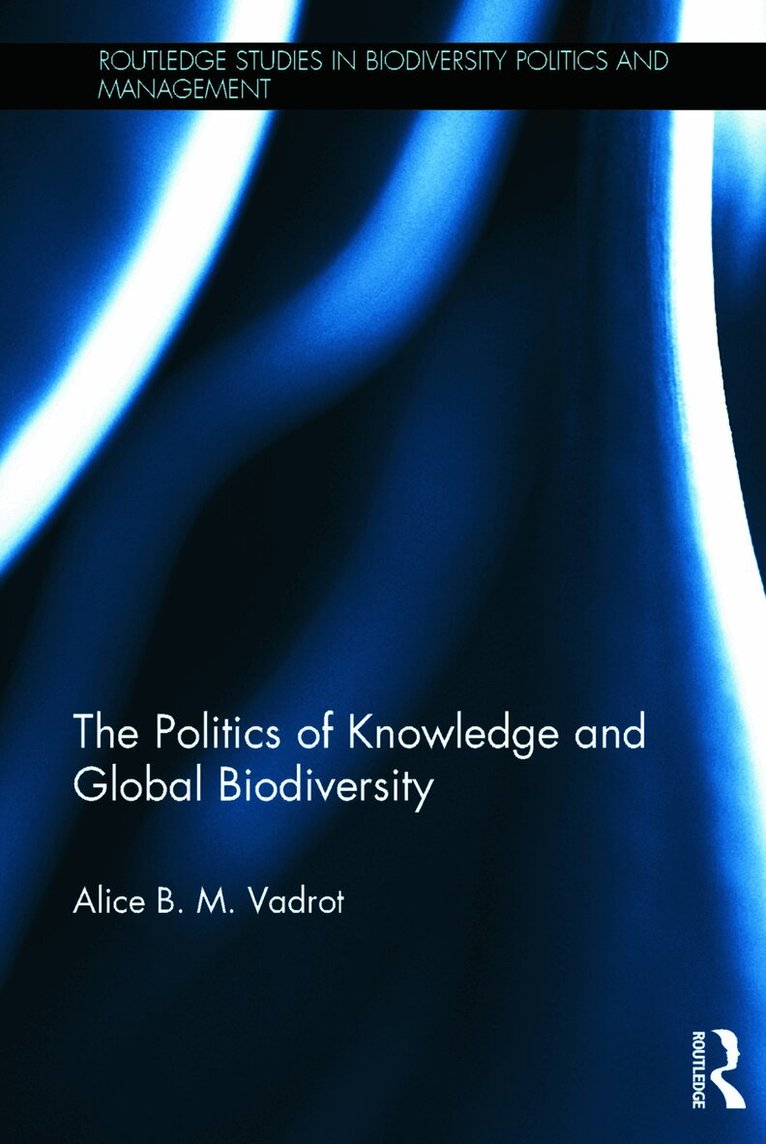
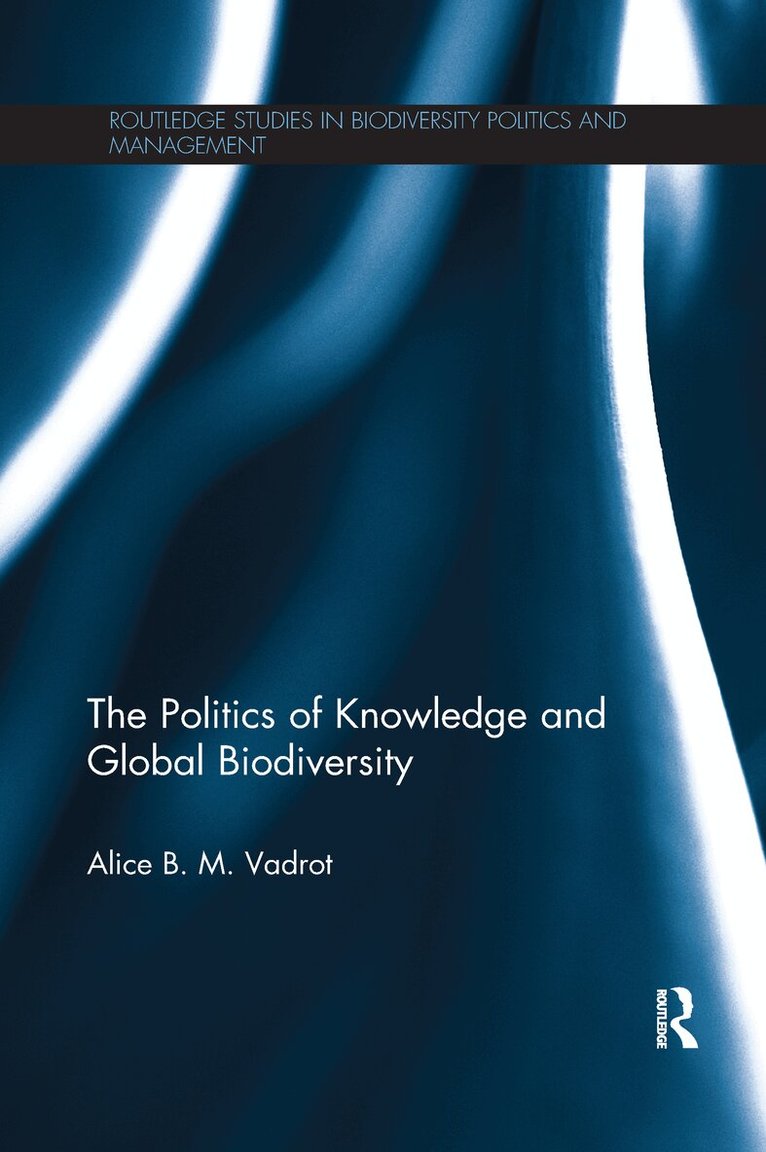
The establishment of the Intergovernmental Platform on Biodiversity and Ecosystem Services (IPBES) points to the crucial role attributed to science and knowledge for the successful implementation of biodiversity politics by both scientists and policy-makers. With the increased importance of biodiversity in international politics, and in part inspired by the success the Intergovernmental Panel on Climate Change (IPCC) has had in raising awareness of global warming, the call for an ‘IPCC for Biodiversity’ was successful. The Politics of Knowledge and Global Biodiversity gives a full overview of the process of its implementation as finalised in 2013 and proposes an innovative conceptual framework that puts this specific case into a more general perspective of international politics and relations. It provides a detailed empirical analysis of the knowledge politics associated with the establishment of IPBES and its conceptual framework and methodological approach is grounded in a theoretical perspective. This pioneering work is the first to examine IPBES in this way and is essential reading for researchers and scholars of International Relations, Environmental and Biodiversity Politics, Science-Policy Interfaces and Global Environmental Governance. It will also be of interest to political scientists and social scientists.
2 203 kr
Skickas inom 10-15 vardagar
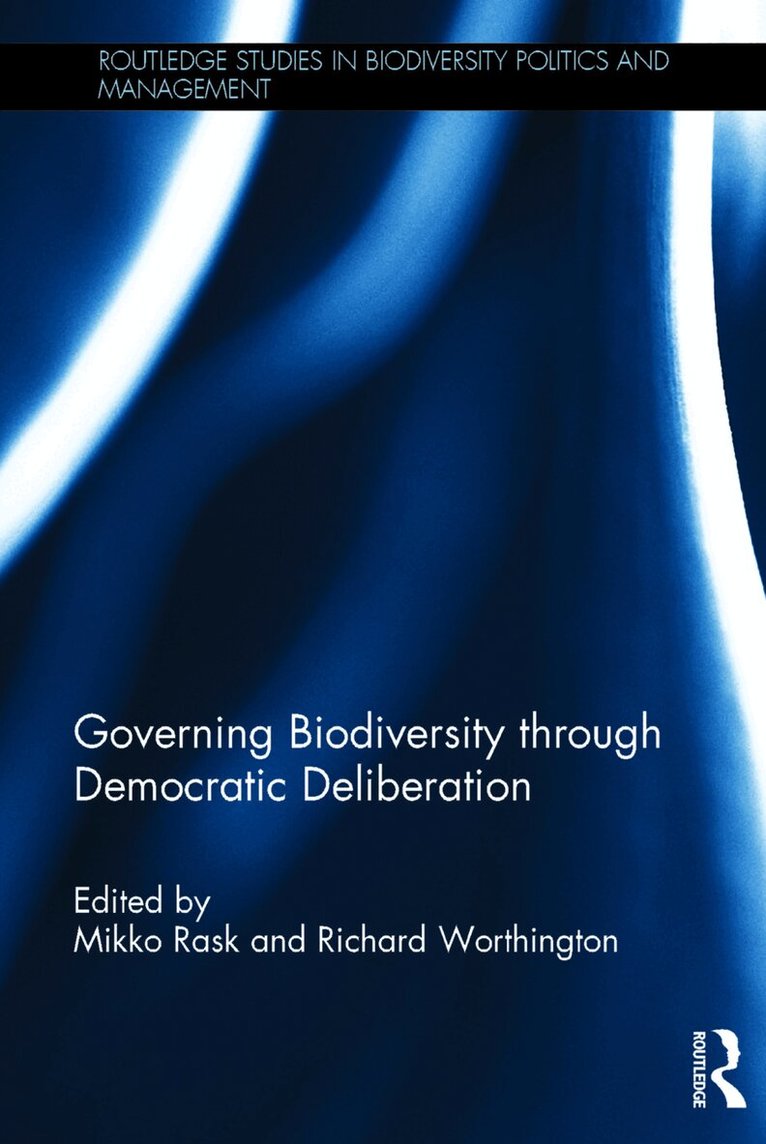
This book discusses political controversies involved in global biodiversity policy, and the practical opportunities that are opened up in solving them through increased citizen participation and democratic deliberation. It examines the emerging practice of deliberative global governance and its political consequences. The collection focuses on the intersection of global biodiversity policy and the promise of deliberative democracy. In doing so, it examines how new discursive logics emerge in global citizen deliberation that might destabilize the impasses encountered in biodiversity negotiations, how a "global citizens’ voice" emerges in deliberative processes despite the dominance of national institutions in the lives of those citizens, the most effective and innovative ways to amplify the results of large-scale deliberations to policy makers and broader audiences, and how future citizen deliberations can be designed to make them fair, feasible and consequential processes, in general and for biodiversity issues in particular. This highly original contribution to the field provides theoretical discussions, empirical analyses and local experiences of biodiversity policy, making it an invaluable resource for students and scholars of environmental politics, governance and sociology, particularly those interested in deliberative democracy, citizen participation and biodiversity.
Achieving Biodiversity Protection in Megadiverse Countries
A Comparative Assessment of Australia and Brazil
Häftad, Engelska, 2021
624 kr
Skickas inom 10-15 vardagar
This volume systematically analyses why legal doctrines for the protection of biodiversity are not sufficiently effective. It examples implementation in Australia and Brazil, two megadiverse countries with very differing legal and cultural traditions and natural environments.Substantial effort goes into the development and interpretation of legal doctrines for the protection of biodiversity in national and international law. Despite this, biodiversity continues in steep decline. Nowhere is this more evident than in megadiverse countries, such as Australia and Brazil, which possess the greatest number and diversity of animals and plants on Earth. The book covers a wide range of topics, including farming, mining, marine environments, indigenous interests and governance. Achieving Biodiversity Protection in Megadiverse Countries highlights specific causes of underperformance in protecting diverse terrestrial and marine environments. It provides proposals for more effective implementation in these two jurisdictions, relevant to other megadiverse territories, and for biodiversity protection generally. Each chapter was written by teams of Australian and Brazilian authors, so that similar issues are considered across both jurisdictions, to provide both country-specific and generalisable insights.Achieving Biodiversity Protection in Megadiverse Countries will be of great interest to students and scholars of environmental law and governance and biodiversity conservation, as well as policymakers, practitioners and NGOs working in these fields.
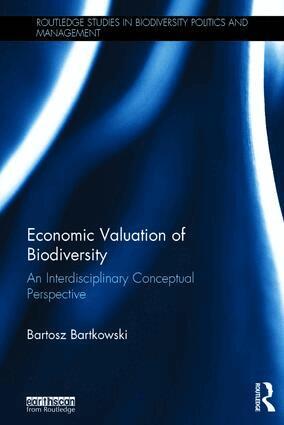
Economic Valuation of Biodiversity
An Interdisciplinary Conceptual Perspective
Inbunden, Engelska, 2017
2 134 kr
Skickas inom 10-15 vardagar
While biodiversity loss is an ecological phenomenon, it also has further dimensions – political, social and, last but not least, economic. From the economic perspective, the rapid loss of biological diversity can be viewed in two ways. First, the consequence of this deterioration process is a loss of options and an increase in scarcity of the environmental ‘good’, biodiversity. Second, economic activity and the structure of global and local economic institutions have frequently been identified as the major drivers of biodiversity loss. In economic terms, this constitutes a market failure – market-based economic activities lead to processes which undermine the long-term stability of these very activities. This book provides an ecological economic perspective on the value of diversity in ecosystems. Combining insights from various sub-disciplines of ecology and environmental/ecological economics, the author constructs a conceptual framework which identifies the ways in which biodiversity influences human well-being and offers a novel, unifying perspective on the economic value of biodiversity. This framework demonstrates that biodiversity’s economic value mainly results from uncertainty about the future, regarding both supply of and demand for ecosystem services, and interconnections between ecosystems. The book goes on to identify suitable methods for economic valuation of biodiversity and discusses the currently underdeveloped and underused approach of deliberative monetary valuation. Combining a strong theoretical framework with practical examples, this book will be of great interest to students and researchers of ecological economics, ecosystem services, environmental values and environmental and resource economics.
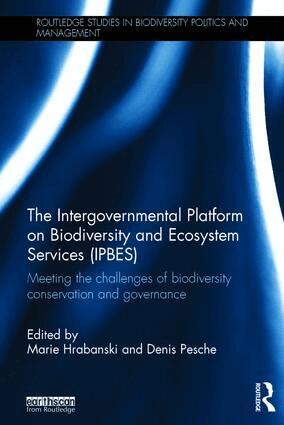
Intergovernmental Platform on Biodiversity and Ecosystem Services (IPBES)
Meeting the challenge of biodiversity conservation and governance
Inbunden, Engelska, 2016
2 203 kr
Skickas inom 10-15 vardagar
Twenty years after the Convention on Biological Diversity (CBD) entered into force, the founding of the Intergovernmental Platform on Biodiversity and Ecosystem Services (IPBES) in 2012 was the outcome of a long process of setting biodiversity issues at the top of the global environmental agenda. With contributions from more than a dozen well-renowned researchers in political science, law and sociology, this book analyzes IPBES functioning and challenges in terms of the knowledge selection process and actors involved. The book reveals that, through its conceptual framework, IPBES promotes a pluralistic view of nature that calls for a broadening of the disciplinary frontiers. It combines natural science and social science research and also includes indigenous and local knowledge. IPBES is considered to represent the institutionalization of a permanent knowledge assessment on biodiversity and is often referred to as an IPCC success story, constituting a new stage in global environmental governance. In analyzing the knowledge selection process for IPBES decision making, the book better situates IPBES within the biodiversity and global governance domain. It ultimately argues that the establishment of IPBES provides a new opportunity to coordinate the different international conventions (CBD, RAMSAR, CITES, etc.) and initiatives (international assessment of marine biology, scientific programs, funding, etc.).
700 kr
Skickas inom 10-15 vardagar
The establishment of the Intergovernmental Platform on Biodiversity and Ecosystem Services (IPBES) points to the crucial role attributed to science and knowledge for the successful implementation of biodiversity politics by both scientists and policy-makers. With the increased importance of biodiversity in international politics, and in part inspired by the success the Intergovernmental Panel on Climate Change (IPCC) has had in raising awareness of global warming, the call for an ‘IPCC for Biodiversity’ was successful. The Politics of Knowledge and Global Biodiversity gives a full overview of the process of its implementation as finalised in 2013 and proposes an innovative conceptual framework that puts this specific case into a more general perspective of international politics and relations. It provides a detailed empirical analysis of the knowledge politics associated with the establishment of IPBES and its conceptual framework and methodological approach is grounded in a theoretical perspective. This pioneering work is the first to examine IPBES in this way and is essential reading for researchers and scholars of International Relations, Environmental and Biodiversity Politics, Science-Policy Interfaces and Global Environmental Governance. It will also be of interest to political scientists and social scientists.
666 kr
Skickas inom 10-15 vardagar
Biodiversity may refer to the diversity of genes, species or ecosystems in general. These varying concepts of biodiversity occasionally lead to conflicts among researchers and policy makers, as each of them require a customized type of protection strategy. This book addresses the questions surrounding the merits of conserving an existing situation, evolutionary development or the intentional substitution of one genome, species or ecosystem for another. Any practical steps towards the protection of biodiversity demand a definition of that which is to be protected and, in turn, the motivations for protecting biodiversity. Is biodiversity a necessary model which is also useful, or does it carry intrinsic value? Debates like this are particularly complex when interested parties address it from different conceptual and moral perspectives. Comprised of three parts, each complemented by a short introductory paragraph, this collection presents a variety of approaches to this challenge. The chapters cover the perspectives of environmental scientists with expertise in evolutionary, environmental biology, systematic zoology and botany, as well as those of researchers with expertise in philosophy, ethics, politics, law and economics. This combination facilitates a truly interdisciplinary debate by highlighting hitherto unacknowledged implications that inform current academic and political debates on biodiversity and its protection. The book should be of interest to students and researchers of environment studies, biodiversity, environmental philosophy, ethics and management.
803 kr
Skickas inom 10-15 vardagar
This book discusses political controversies involved in global biodiversity policy, and the practical opportunities that are opened up in solving them through increased citizen participation and democratic deliberation. It examines the emerging practice of deliberative global governance and its political consequences. The collection focuses on the intersection of global biodiversity policy and the promise of deliberative democracy. In doing so, it examines how new discursive logics emerge in global citizen deliberation that might destabilize the impasses encountered in biodiversity negotiations, how a "global citizens’ voice" emerges in deliberative processes despite the dominance of national institutions in the lives of those citizens, the most effective and innovative ways to amplify the results of large-scale deliberations to policy makers and broader audiences, and how future citizen deliberations can be designed to make them fair, feasible and consequential processes, in general and for biodiversity issues in particular. This highly original contribution to the field provides theoretical discussions, empirical analyses and local experiences of biodiversity policy, making it an invaluable resource for students and scholars of environmental politics, governance and sociology, particularly those interested in deliberative democracy, citizen participation and biodiversity.