Routledge Studies in Rural Criminology – Serie
Visar alla böcker i serien Routledge Studies in Rural Criminology. Handla med fri frakt och snabb leverans.
12 produkter
12 produkter
2 113 kr
Skickas inom 10-15 vardagar
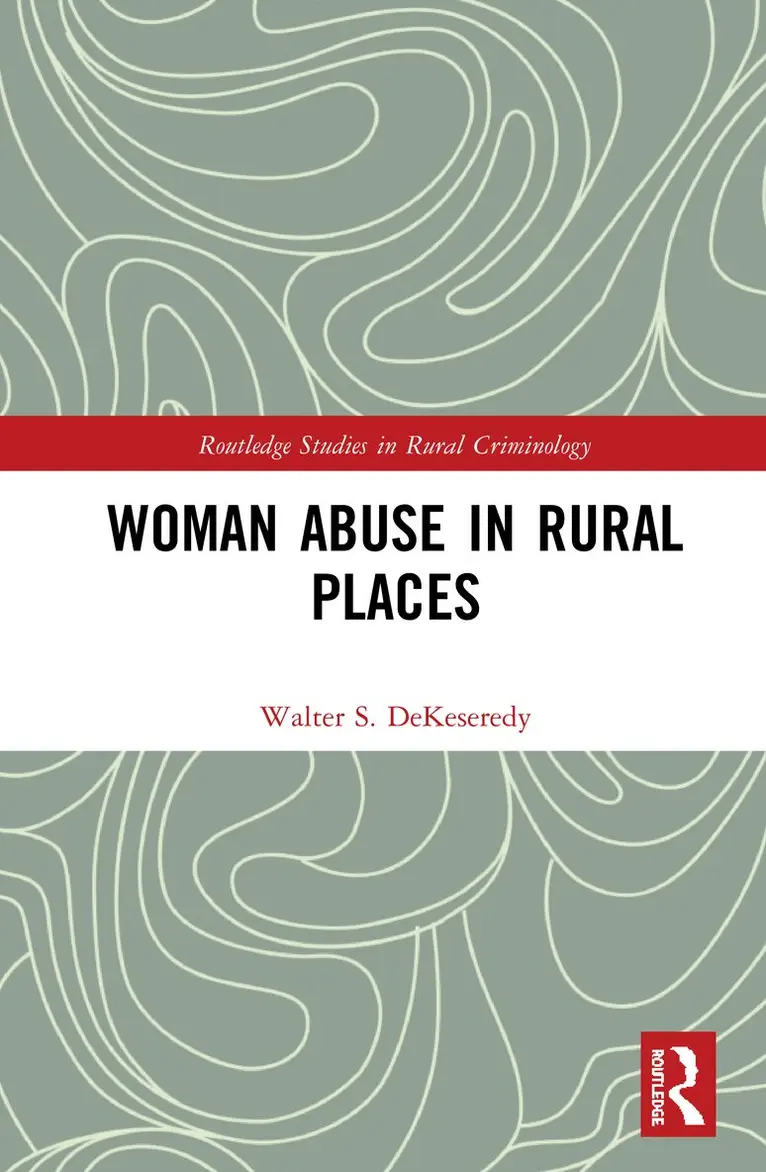
This book chronicles key contemporary developments in the social scientific study of various types of male-to-female abuse in rural places and suggests new directions in research, theory, and policy. The main objective of this book is not to simply provide a dry recitation of the extant literature on the abuse of rural women in private places. To be sure, this material is covered, but rural women’s experiences of crimes of the powerful like genocidal rape and corporate violence against female employees are also examined. Written by a celebrated expert on the subject, this book considers woman abuse in a broad context, covering forms of violence such as physical and sexual assault, coercive control genocidal rape, abortion bans, forced pregnancy, and corporate forms of violence. It offers a broad research agenda, that examines the multidimensional nature of violence against rural women. Drawing on decades of work in the shelter movement, with activist organizations, and doing government research, DeKeseredy punctuates the book with stories and voices of perpetrators and survivors of abuse. Additionally, what makes this book unique is that it focuses on the plight of rural women around the world and it introduces a modified version of Liz Kelly’s original continuum of sexual violence.An accessible and compelling read, this book will appeal to students and scholars of criminology, sociology, women’s studies, cultural studies, policing, geography and all those interested in learning about the abuse women face in rural areas. Walter S. DeKeseredy is Anna Deane Carlson Endowed Chair of Social Sciences, Director of the Research Center on Violence, and Professor of Sociology at West Virginia University. He has published 26 books, over 100 refereed journal articles, and 90 scholarly book chapters on issues such as woman abuse, rural criminology, and criminological theory.
618 kr
Skickas inom 10-15 vardagar
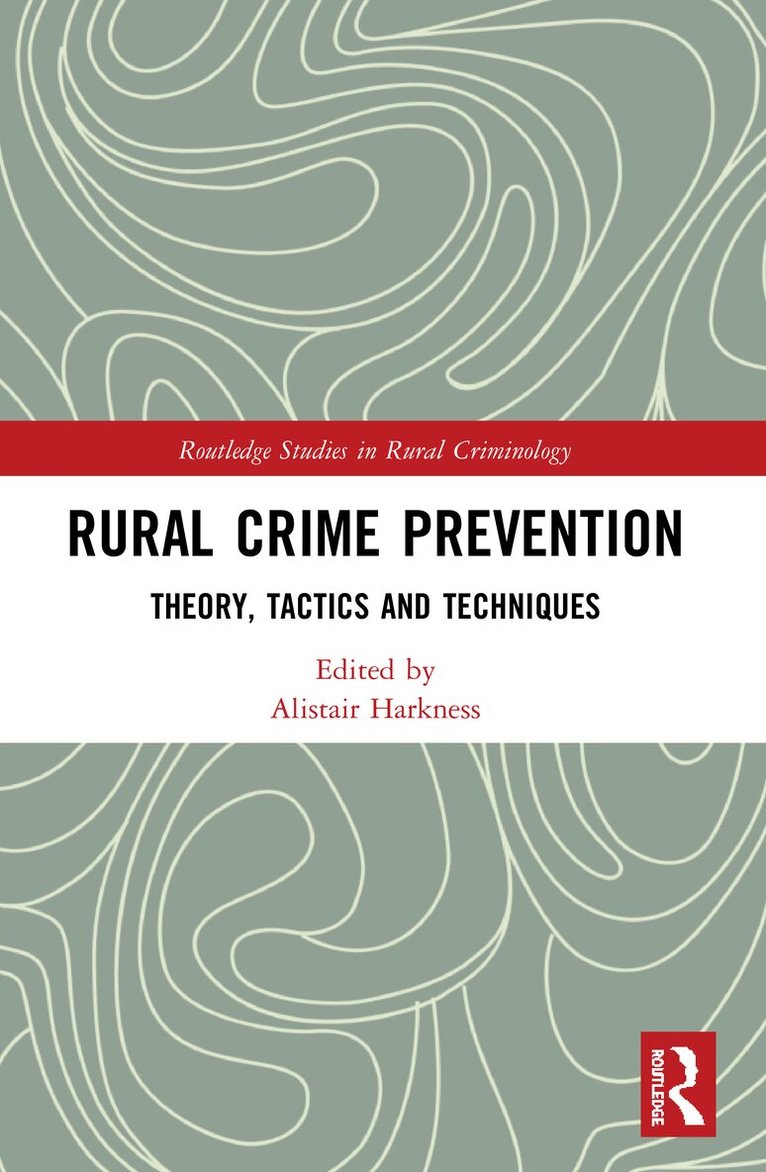
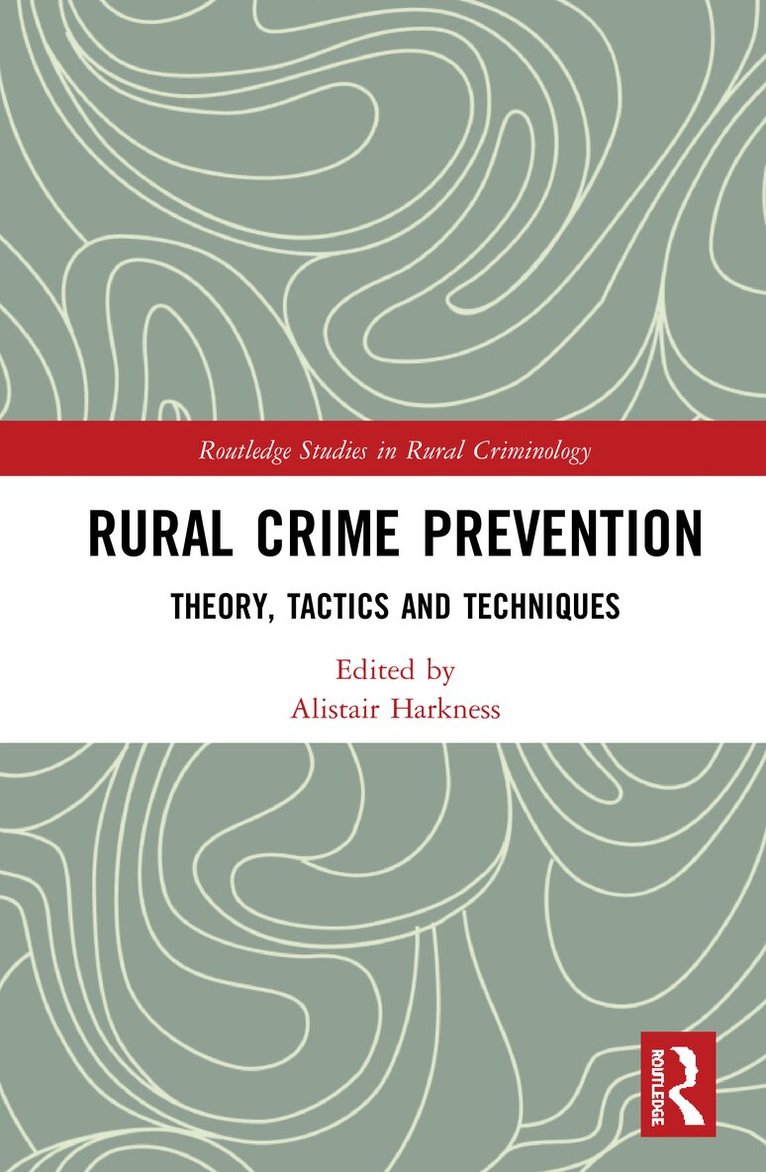
Rural crime has long been overlooked in the field of crime prevention. Sustained academic interrogation is necessary, therefore, to reduce the extensive economic and social costs of rural crime as well as to challenge some of the myths regarding the prevention of rural crime. Rural Crime Prevention: Theory, Tactics and Techniques critically analyses, challenges, considers and assesses a suite of crime prevention initiatives across an array of international contexts. This book recognises the diversity and distinct features of rural places and the ways that these elements impact on rates, experiences and responses. Crucially, Rural Crime Prevention also incorporates non-academic voices which are embedded throughout the book, linking theory and scholarship with practice.Proactive responses to rural offending based on sound evidence can serve to facilitate feelings of safety and security throughout communities, enhance individual wellbeing and alleviate pressure on the overburdened and typically under-resourced formal elements of the criminal justice system. This book provides an opportunity to focus on the prevention of crime in regional, rural and remote parts of the globe. An accessible and compelling read, this book will appeal to students and scholars of criminology, policing, sociology and practitioners interested in learning about the best-practice international approaches to rural crime prevention in the twenty-first century.
618 kr
Skickas inom 10-15 vardagar
This book chronicles key contemporary developments in the social scientific study of various types of male-to-female abuse in rural places and suggests new directions in research, theory, and policy. The main objective of this book is not to simply provide a dry recitation of the extant literature on the abuse of rural women in private places. To be sure, this material is covered, but rural women’s experiences of crimes of the powerful like genocidal rape and corporate violence against female employees are also examined. Written by a celebrated expert on the subject, this book considers woman abuse in a broad context, covering forms of violence such as physical and sexual assault, coercive control genocidal rape, abortion bans, forced pregnancy, and corporate forms of violence. It offers a broad research agenda, that examines the multidimensional nature of violence against rural women. Drawing on decades of work in the shelter movement, with activist organizations, and doing government research, DeKeseredy punctuates the book with stories and voices of perpetrators and survivors of abuse. Additionally, what makes this book unique is that it focuses on the plight of rural women around the world and it introduces a modified version of Liz Kelly’s original continuum of sexual violence.An accessible and compelling read, this book will appeal to students and scholars of criminology, sociology, women’s studies, cultural studies, policing, geography and all those interested in learning about the abuse women face in rural areas. Walter S. DeKeseredy is Anna Deane Carlson Endowed Chair of Social Sciences, Director of the Research Center on Violence, and Professor of Sociology at West Virginia University. He has published 26 books, over 100 refereed journal articles, and 90 scholarly book chapters on issues such as woman abuse, rural criminology, and criminological theory.
2 113 kr
Skickas inom 10-15 vardagar
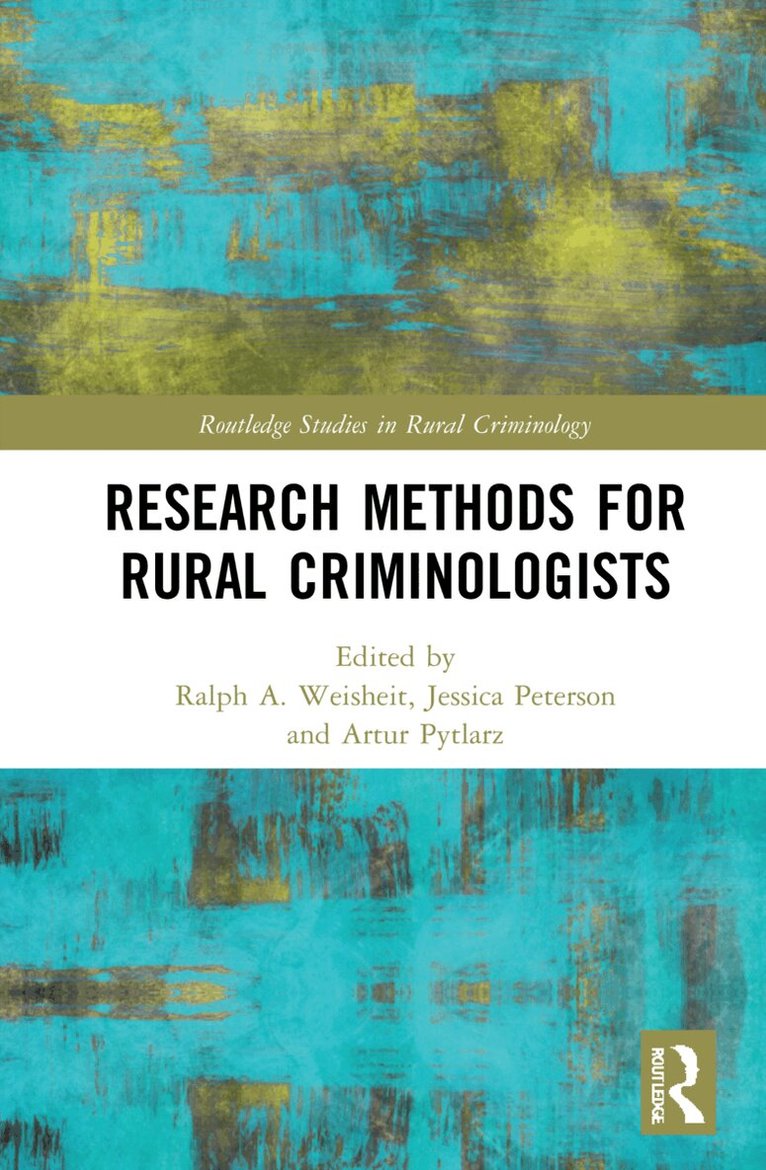
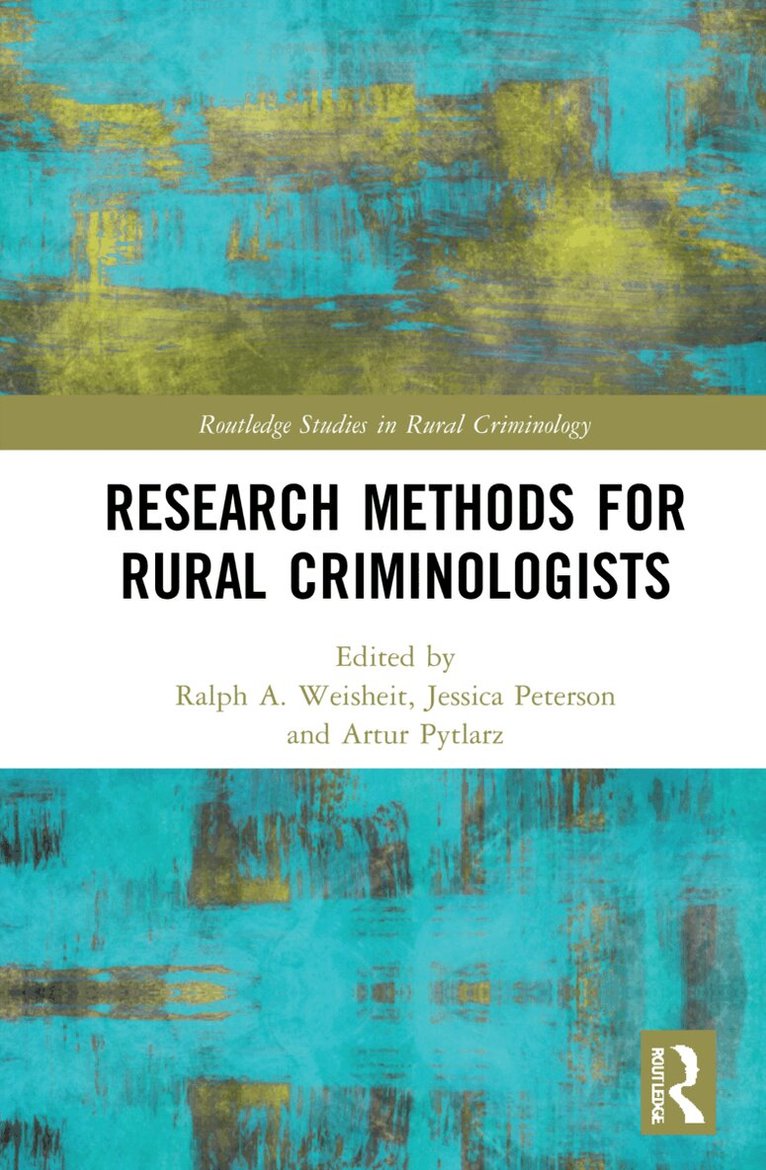
Conducting rural criminological research exposes researchers to concerns such as absence or inadequate official data about crime and superficial rural-urban comparisons, rural isolation and distance from the researchers’ office to the study site, and lack of services or access to justice. This distinct cultural context means that studying rural crime requires creatively adapting existing research methods. Conducting research about or in rural settings requires unique researcher preparation, as everything from defining the space at the conception of a project to collecting and analyzing data differs from urban research. This book explores the various issues, challenges, and solutions for rural researchers in criminology. Integrating state of the art methodological approaches with practical illustrations, this book serves as an internationally comprehensive compendium of methods for students, scholars, and practitioners. While contributing to the growing field of rural criminology, it will also be of interest to those engaged with the related areas of rural health care, rural social work, and rural poverty.
578 kr
Skickas inom 10-15 vardagar
Conducting rural criminological research exposes researchers to concerns such as absence or inadequate official data about crime and superficial rural-urban comparisons, rural isolation and distance from the researchers’ office to the study site, and lack of services or access to justice. This distinct cultural context means that studying rural crime requires creatively adapting existing research methods. Conducting research about or in rural settings requires unique researcher preparation, as everything from defining the space at the conception of a project to collecting and analyzing data differs from urban research. This book explores the various issues, challenges, and solutions for rural researchers in criminology. Integrating state of the art methodological approaches with practical illustrations, this book serves as an internationally comprehensive compendium of methods for students, scholars, and practitioners. While contributing to the growing field of rural criminology, it will also be of interest to those engaged with the related areas of rural health care, rural social work, and rural poverty.
1 909 kr
Skickas inom 10-15 vardagar
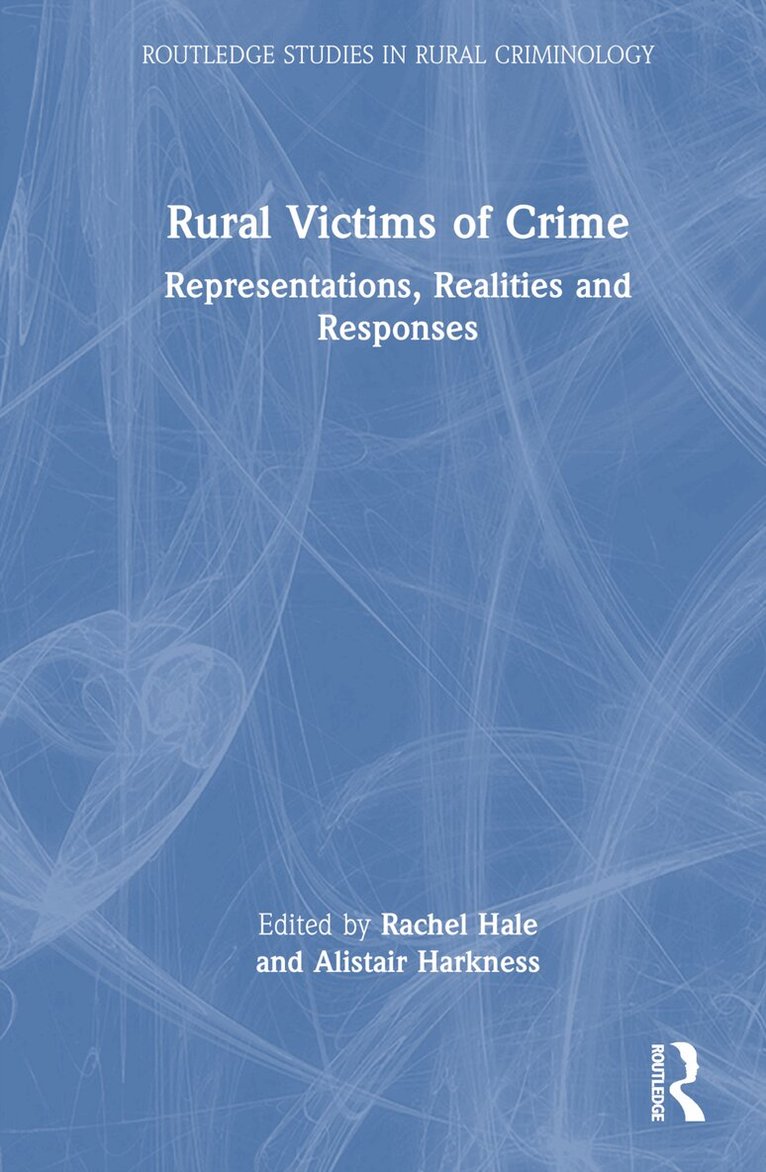
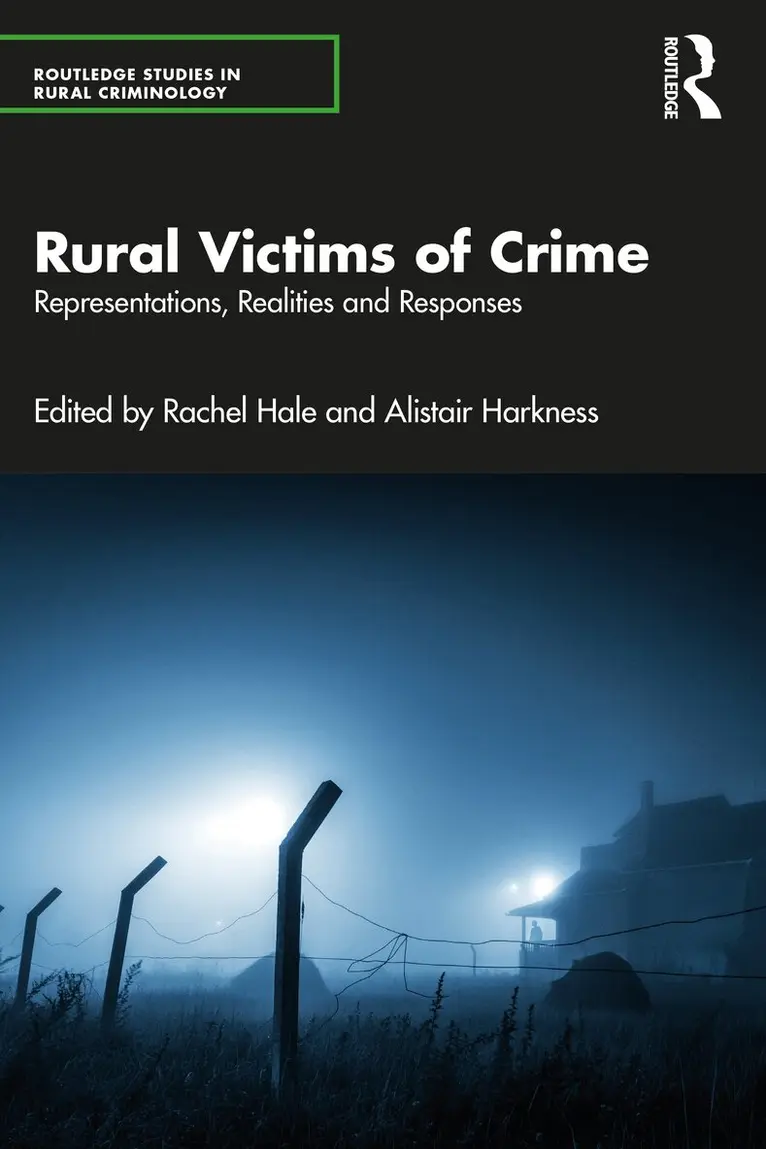
Rural Victims of Crime offers a pioneering sustained assessment of ‘the rural victim’. It does so by examining and analysing the conceptual constructs of a victim and challenging the urban bias of victimisation and victimology in criminological study. Indeed, far too much criminological scholarship is based on the false assumption that rural areas are relatively crime free – and thus free, too, of victims.Providing international perspectives, chapters in this edited collection focus centrally on notions of place and space, and constructions of rural victims in a variety of contexts, exploring the impact that geographic location has on the type and prevalence of victimisation. The concept of victimisation is often considered in terms of interpersonal relationships between humans, neglecting the potent impact of victimisation of non-humans and the natural and built environment. Rural Victims of Crime discusses existing notions of victimology in relation to non-human subjects, broadening conceptualisations of the victim and associated impacts resulting from victimisation. Structured in three parts, Rural Victims of Crime conceptualises the rural victim, enhances understanding of the realities of rural victimisation and considers both formal and informal responses to rural victimisation. Chapters are accompanied by practical, contemporary case studies to connect theory with praxis.This book is an essential and valuable resource for academics, students and practitioners alike in the fields of criminology, criminal justice, rural studies, victimology, geography, sociology and spatiality.
550 kr
Skickas inom 10-15 vardagar
Rural Victims of Crime offers a pioneering sustained assessment of ‘the rural victim’. It does so by examining and analysing the conceptual constructs of a victim and challenging the urban bias of victimisation and victimology in criminological study. Indeed, far too much criminological scholarship is based on the false assumption that rural areas are relatively crime free – and thus free, too, of victims.Providing international perspectives, chapters in this edited collection focus centrally on notions of place and space, and constructions of rural victims in a variety of contexts, exploring the impact that geographic location has on the type and prevalence of victimisation. The concept of victimisation is often considered in terms of interpersonal relationships between humans, neglecting the potent impact of victimisation of non-humans and the natural and built environment. Rural Victims of Crime discusses existing notions of victimology in relation to non-human subjects, broadening conceptualisations of the victim and associated impacts resulting from victimisation. Structured in three parts, Rural Victims of Crime conceptualises the rural victim, enhances understanding of the realities of rural victimisation and considers both formal and informal responses to rural victimisation. Chapters are accompanied by practical, contemporary case studies to connect theory with praxis.This book is an essential and valuable resource for academics, students and practitioners alike in the fields of criminology, criminal justice, rural studies, victimology, geography, sociology and spatiality.
1 944 kr
Skickas inom 10-15 vardagar
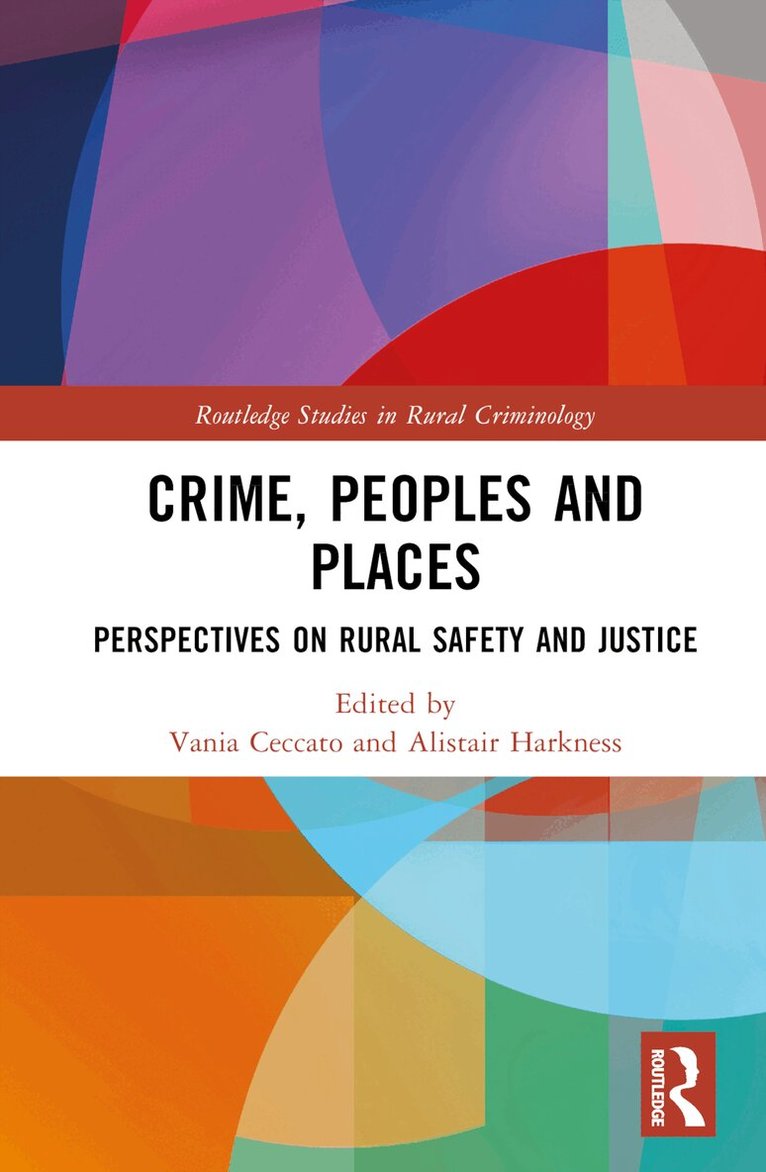
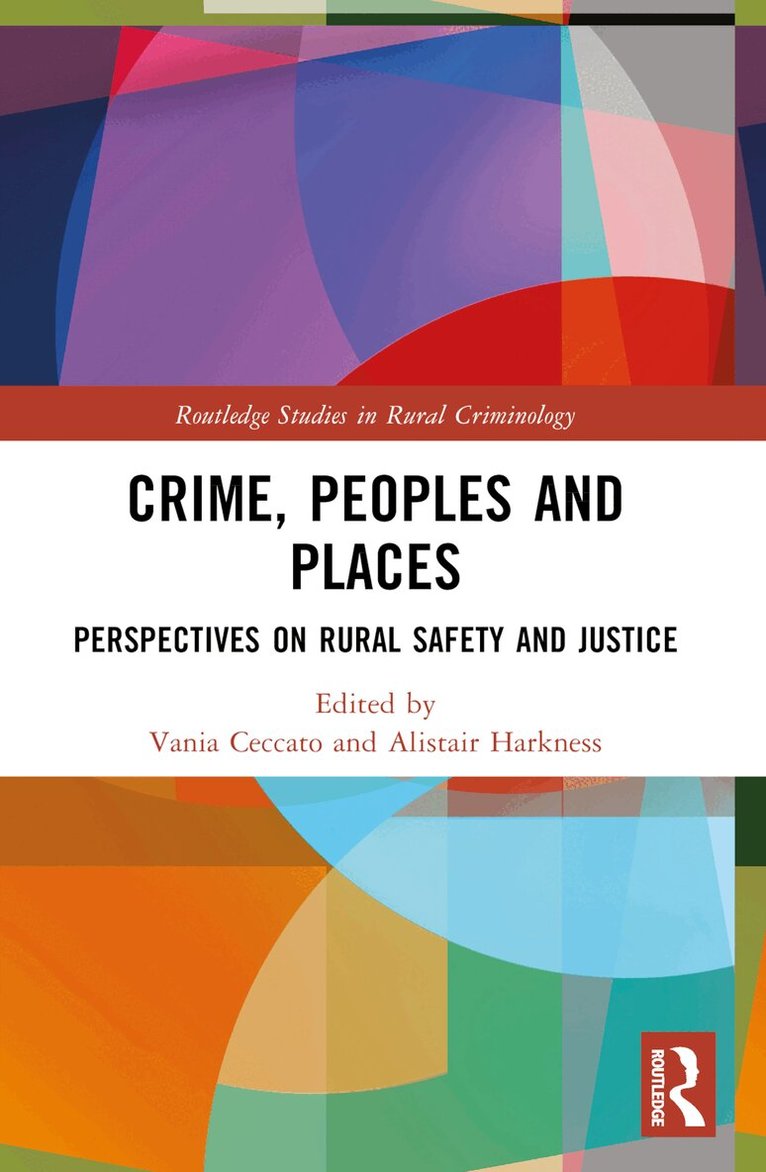
Building on previous work in rural criminology, this book casts a global and comparative look across 19 countries, drawing on themes of crime and victimisation, safety and fear, practices of policing and police trust, and crime prevention practices.Combining reports on survey findings, country case studies, and crosscutting analyses, Crime, Peoples and Places offers empirical, theoretical, and policy-oriented contributions to the field of rural criminology, adopting the notion of a rural-urban continuum that captures the nuances of places of varied nature, spanning from remote and desolate spaces to accessible and connected environments of the urban fringe. The book examines the challenges of areas on the rural-urban continuum that are in constant transformation, given local and global influences, including the most recent developments in countries of the Global South. It identifies commonalities and disparities between different country cases, draws conclusions over global evidence, and highlights how partnerships, collaboration, and unity in crime prevention action can yield dividends for all people, regardless of age, gender, or whether they live in urban or rural areas.Chapters 1, 23, 26, 28, and 30 of this book are freely available as a downloadable Open Access PDF at http://www.taylorfrancis.com under a Creative Commons Attribution (CC BY) 4.0 International license.
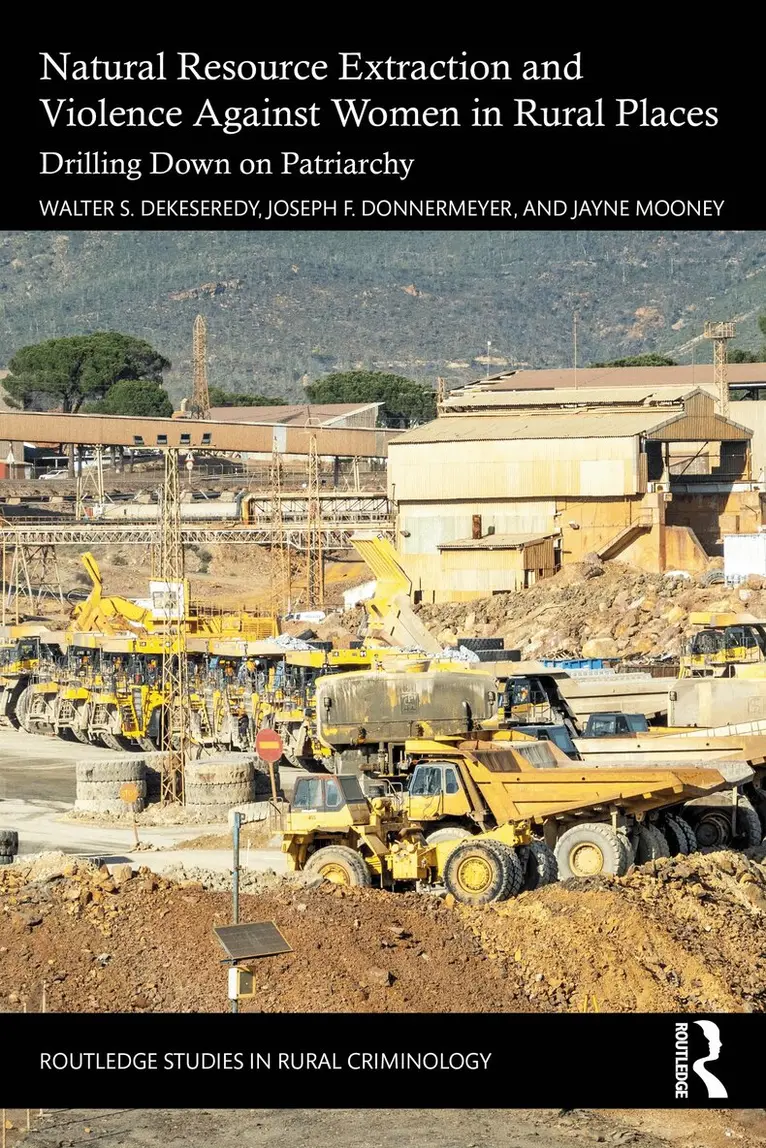
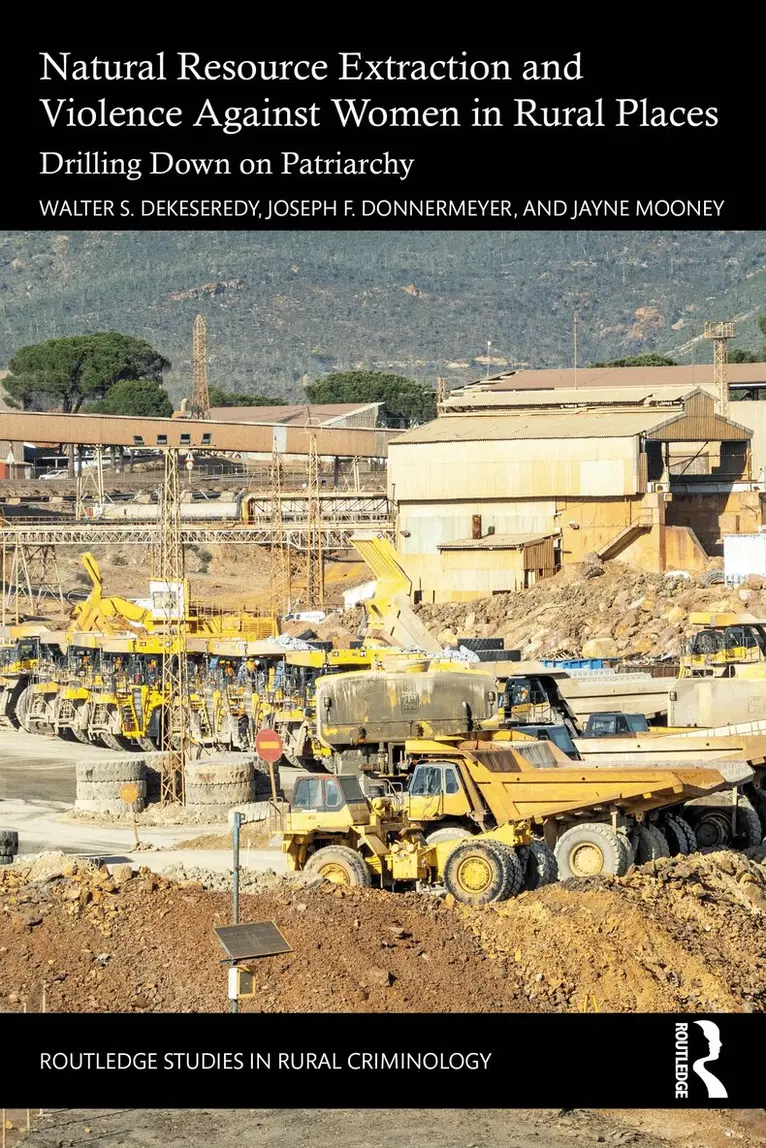
Natural Resource Extraction and Violence against Women in Rural Places
Drilling Down on Patriarchy
Inbunden, Engelska, 2026
2 113 kr
Skickas inom 10-15 vardagar
The phenomenon of boomtowns and of various impacts from resource extraction is global in the sense that it affects many, but certainly not all, rural communities throughout the world. However, it is not a single, homogenous influence, but one with a diversity of effects, including violence against women (VAW).Driven by a sophisticated theoretical framework, one that integrates three discrete bodies of knowledge (VAW, green criminology, and rural criminology), this book (1) describes the nature, extent, and distribution of VAW in rural boomtowns around the world, (2) critiques what the authors refer to as an anomie/social disorganization model of VAW in rural boomtown communities, and (3) introduces the concept of patriarchal social reorganization and demonstrates that globalization and natural resource extraction did not bring VAW to rural communities, but rather intensified an existing problem.The authors call upon the criminological community, especially feminist and rural criminologists, to stretch their theoretical imaginations to examine linkages between localized expressions of patriarchy, natural resource extraction, and VAW. Moreover, heavily informed by a combination of sound research and theoretical work and progressive practices designed and implemented by left realists, human rights activists, Indigenous coalitions, and by feminists, this book recommends forward-thinking and timely ways of curbing the types of violence identified throughout it.This is essential reading for all engaged in rural and feminist criminology, violence against women, and natural resource extraction.
Natural Resource Extraction and Violence against Women in Rural Places
Drilling Down on Patriarchy
Häftad, Engelska, 2026
578 kr
Skickas inom 10-15 vardagar
The phenomenon of boomtowns and of various impacts from resource extraction is global in the sense that it affects many, but certainly not all, rural communities throughout the world. However, it is not a single, homogenous influence, but one with a diversity of effects, including violence against women (VAW).Driven by a sophisticated theoretical framework, one that integrates three discrete bodies of knowledge (VAW, green criminology, and rural criminology), this book (1) describes the nature, extent, and distribution of VAW in rural boomtowns around the world, (2) critiques what the authors refer to as an anomie/social disorganization model of VAW in rural boomtown communities, and (3) introduces the concept of patriarchal social reorganization and demonstrates that globalization and natural resource extraction did not bring VAW to rural communities, but rather intensified an existing problem.The authors call upon the criminological community, especially feminist and rural criminologists, to stretch their theoretical imaginations to examine linkages between localized expressions of patriarchy, natural resource extraction, and VAW. Moreover, heavily informed by a combination of sound research and theoretical work and progressive practices designed and implemented by left realists, human rights activists, Indigenous coalitions, and by feminists, this book recommends forward-thinking and timely ways of curbing the types of violence identified throughout it.This is essential reading for all engaged in rural and feminist criminology, violence against women, and natural resource extraction.
2 113 kr
Skickas inom 10-15 vardagar
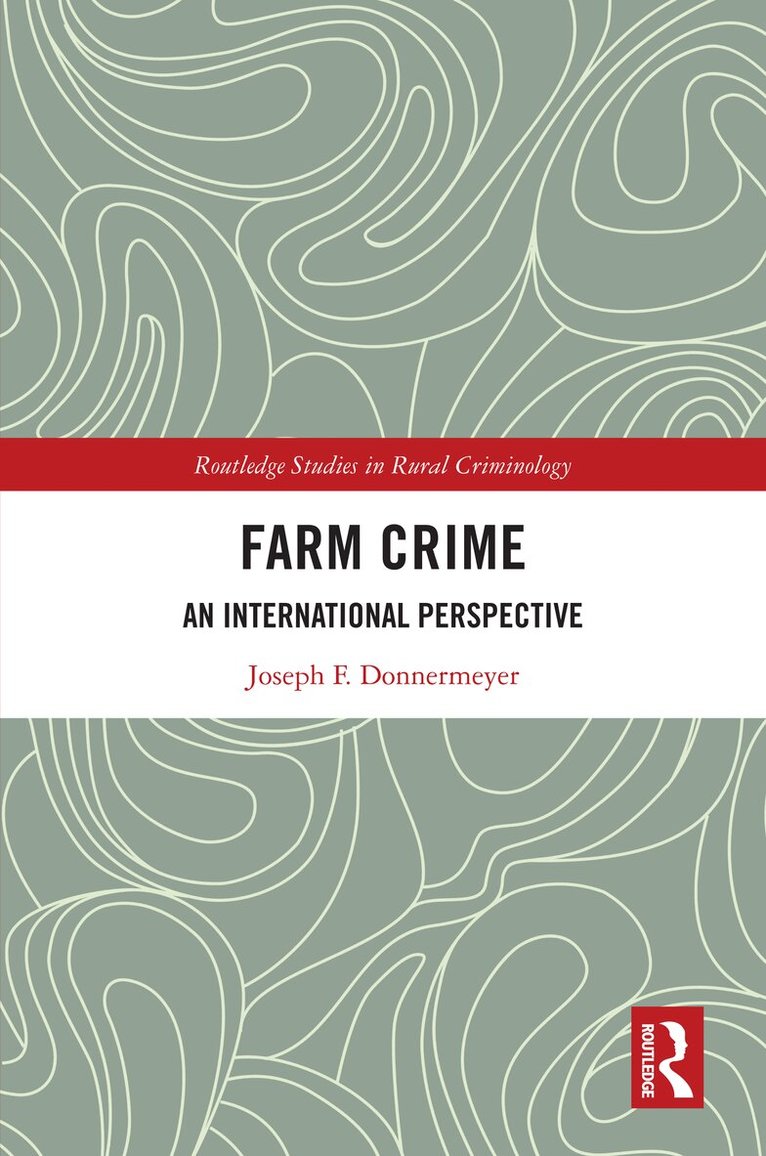
A little known and under-appreciated area in criminology is knowledge about the extent, pattern, and costs of crime committed against agriculture. Farm Crime: An International Perspective is the first book to summarize the existing literature from across the globe about agricultural victimization. It demonstrates the vulnerability of farms and farm families to both property and violent crime and how it threatens their livelihood and lifestyles.Written by a pioneer of rural criminology, this book provides both a descriptive synthesis of agricultural victimization and a discussion of various criminological theories applied to its study. Despite the great diversity of farms in different regions of the world and the significant differences between the kinds of crime committed against farms from continent to continent, Farm Crime summarizes common areas of vulnerability. It provides a significant agenda for the future study of agricultural victimization, both in terms of its importance to issues of food security and the safety of farm families around the world.This book is essential reading for green criminologists, rural criminologists, mainstream criminologists, and sociologists alike. It will also be of interest to researchers and policymakers focused on issues of rural development, agricultural policy, and food security.
2 113 kr
Skickas inom 10-15 vardagar
Rural crime has long been overlooked in the field of crime prevention. Sustained academic interrogation is necessary, therefore, to reduce the extensive economic and social costs of rural crime as well as to challenge some of the myths regarding the prevention of rural crime. Rural Crime Prevention: Theory, Tactics and Techniques critically analyses, challenges, considers and assesses a suite of crime prevention initiatives across an array of international contexts. This book recognises the diversity and distinct features of rural places and the ways that these elements impact on rates, experiences and responses. Crucially, Rural Crime Prevention also incorporates non-academic voices which are embedded throughout the book, linking theory and scholarship with practice.Proactive responses to rural offending based on sound evidence can serve to facilitate feelings of safety and security throughout communities, enhance individual wellbeing and alleviate pressure on the overburdened and typically under-resourced formal elements of the criminal justice system. This book provides an opportunity to focus on the prevention of crime in regional, rural and remote parts of the globe. An accessible and compelling read, this book will appeal to students and scholars of criminology, policing, sociology and practitioners interested in learning about the best-practice international approaches to rural crime prevention in the twenty-first century.