Scales of Transformation – serie
Visar alla böcker i serien Scales of Transformation. Handla med fri frakt och snabb leverans.
3 produkter
3 produkter
Häftad, Tyska, 2018
1 040 kr
Skickas
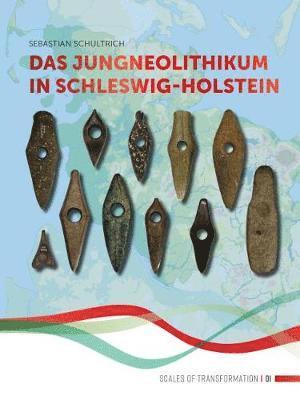
Dieses Buch bietet eine umfassende Studie zum Jungneolithikum (JN, auch Einzelgrabkultur, ca. 2850 – 2250 v. Chr.) in Schleswig-Holstein. Neben einer detaillierten Darstellung aller Funde und Befunde dieser Epoche, liegt ein besonderer Fokus auf Analysen zu den charakteristischen Streitäxten. Diese eignen sich in hervorragender Weise dazu, einen gesellschaftlichen Wandel zu erkennen, da die morphologische Variationsbreite im Laufe des JN zunimmt. So existieren im späten JN neben sehr elaboriert gestalteten Stücken auch plump wirkende Exemplare. Dies spiegelt vermutlich ein komplexer werdendes Gesellschaftssystem wider und deutet einen Bedeutungswandel der Äxte an. Die Streitäxte werden im Spätneolithikum(SN) durch die Silexdolche abgelöst, die durch ähnliche Variationsunterschiede gekennzeichnet sind. Dies deutet eine Kontinuität in der sozialen Organisation an der Wende zum SN an. Viele Streitäxte liegen im fragmentierten Zustand vor, wobei Schneiden- weitaus häufiger als Nackenhälften belegt sind. Da viele dieser Fragmente weiterhin im Besitz von Applikationen (Schälchen, pars pro toto Schaftlöcher) sind, ist anzunehmen, dass die Fragmente – und darauf aufbauend vermutlich ein Großteil aller Streitäxte aus Einzelfundkontexten – intentionale Deponierungen darstellen. Ein weiterer Fokus wurde auf die Transformation zum JN gelegt, die sich besonders im profanen Bereich als Phase kontinuierlicher Entwicklungen zeigt. Weiterhin wurde ein Unterschied zwischen dem Westen und Osten des Arbeitsgebietes aufgedeckt, der entgegen langläufiger Meinung keine chronologischen Ursachen besitzt. Vielmehr zeigt sich darin eine strukturell unterschiedliche soziale Orientierung der beteiligten Gruppen. Sowohl im JN als auch im SN ist es im Westen gängige Praxis, dem Verstorbenen Statusobjekte (Streitäxte, Silexdolche und früheBronzeartefakte) als Grabbeigabe mitzugeben, während diese Objekte im Osten des Landes äußerst selten Eingang in Bestattungen fanden, jedoch als Einzel- und im Falle der Bronzeobjekte auch als Depotfunde regelmäßig anzutreffen sind. English abstract This book offers a comprehensive study of the Younger Neolithic period ([YN], c. 2850 – 2250 BC) of Schleswig-Holstein (SH). Apart from presenting all currently known artefacts and contexts of that period in detail, a particular focus was placed on the examination of YN battle axes. They appear to be the most common artefact that is preserved from the YN, and they are very well suited for investigating social phenomena. These artefacts furthermore changed diachronically. While battle axes of the early stage are shaped more or less equally elaborately, late specimens exhibit significant morphological variation and difference, as some specimens were shaped very elaborately whereas others were quite simple. The same difference has been observed for the subsequently used flint daggers. It is suggested that this difference reflects the emergence of a more stratified society. Many battle axes appear to have been deposited as broken pieces. As the ratio of cutting edges to butt ends is unequal (2:1) both in SH and in a wider region and as many pieces have “decorations” (Applikationen, pars pro toto shaft holes), battle axes are regarded as intentionally deposited. Accordingly, a large proportion of single finds are regarded as intentional depositions. Another focus was set on examining the transition to the YN. It is argued that many aspects that are said to characterize the YN are rooted in the preceding Middle Neolithic. A novelty is that social role becomes marked in funerary contexts. Thus, the transformation to the YN marks a certain point where already initiated societal changes become visible for first time. The examination of certain attributes revealed furthermore that there are differences between western and eastern SH which are not determined by chronological changes only. Rather, general differences appear between western and eastern regions, an in a wider geographical as well as temporal frame, which might be linked to different social orientations – either collectively or individually acting groups. Scales of Transformation Series This is the publication series of the Kiel University research project “CRC 1266” which takes a long-term perspective, from 15,000 BCE to 1 BCE, to investigate processes of transformation in a crucial period of human history, from late Pleistocene hunter-gatherers to early state societies. Funded by the German Research Foundation, the CRC combines research of around 60 scientists from eight institutions and the Johanna-Mestorf-Academy of the Christian-Albrechts-University Kiel as well as the Centre for Baltic and Scandinavian Archaeology (ZBSA) and the Archaeological State Museum Schloss Gottdorf.
Inbunden, Tyska, 2018
1 039 kr
Skickas
Dieses Buch bietet eine umfassende Studie zum Jungneolithikum (JN, auch Einzelgrabkultur, ca. 2850 – 2250 v. Chr.) in Schleswig-Holstein. Neben einer detaillierten Darstellung aller Funde und Befunde dieser Epoche, liegt ein besonderer Fokus auf Analysen zu den charakteristischen Streitäxten. Diese eignen sich in hervorragender Weise dazu, einen gesellschaftlichen Wandel zu erkennen, da die morphologische Variationsbreite im Laufe des JN zunimmt. So existieren im späten JN neben sehr elaboriert gestalteten Stücken auch plump wirkende Exemplare. Dies spiegelt vermutlich ein komplexer werdendes Gesellschaftssystem wider und deutet einen Bedeutungswandel der Äxte an. Die Streitäxte werden im Spätneolithikum(SN) durch die Silexdolche abgelöst, die durch ähnliche Variationsunterschiede gekennzeichnet sind. Dies deutet eine Kontinuität in der sozialen Organisation an der Wende zum SN an. Viele Streitäxte liegen im fragmentierten Zustand vor, wobei Schneiden- weitaus häufiger als Nackenhälften belegt sind. Da viele dieser Fragmente weiterhin im Besitz von Applikationen (Schälchen, pars pro toto Schaftlöcher) sind, ist anzunehmen, dass die Fragmente – und darauf aufbauend vermutlich ein Großteil aller Streitäxte aus Einzelfundkontexten – intentionale Deponierungen darstellen. Ein weiterer Fokus wurde auf die Transformation zum JN gelegt, die sich besonders im profanen Bereich als Phase kontinuierlicher Entwicklungen zeigt. Weiterhin wurde ein Unterschied zwischen dem Westen und Osten des Arbeitsgebietes aufgedeckt, der entgegen langläufiger Meinung keine chronologischen Ursachen besitzt. Vielmehr zeigt sich darin eine strukturell unterschiedliche soziale Orientierung der beteiligten Gruppen. Sowohl im JN als auch im SN ist es im Westen gängige Praxis, dem Verstorbenen Statusobjekte (Streitäxte, Silexdolche und früheBronzeartefakte) als Grabbeigabe mitzugeben, während diese Objekte im Osten des Landes äußerst selten Eingang in Bestattungen fanden, jedoch als Einzel- und im Falle der Bronzeobjekte auch als Depotfunde regelmäßig anzutreffen sind. English abstract This book offers a comprehensive study of the Younger Neolithic period ([YN], c. 2850 – 2250 BC) of Schleswig-Holstein (SH). Apart from presenting all currently known artefacts and contexts of that period in detail, a particular focus was placed on the examination of YN battle axes. They appear to be the most common artefact that is preserved from the YN, and they are very well suited for investigating social phenomena. These artefacts furthermore changed diachronically. While battle axes of the early stage are shaped more or less equally elaborately, late specimens exhibit significant morphological variation and difference, as some specimens were shaped very elaborately whereas others were quite simple. The same difference has been observed for the subsequently used flint daggers. It is suggested that this difference reflects the emergence of a more stratified society. Many battle axes appear to have been deposited as broken pieces. As the ratio of cutting edges to butt ends is unequal (2:1) both in SH and in a wider region and as many pieces have “decorations” (Applikationen, pars pro toto shaft holes), battle axes are regarded as intentionally deposited. Accordingly, a large proportion of single finds are regarded as intentional depositions. Another focus was set on examining the transition to the YN. It is argued that many aspects that are said to characterize the YN are rooted in the preceding Middle Neolithic. A novelty is that social role becomes marked in funerary contexts. Thus, the transformation to the YN marks a certain point where already initiated societal changes become visible for first time. The examination of certain attributes revealed furthermore that there are differences between western and eastern SH which are not determined by chronological changes only. Rather, general differences appear between western and eastern regions, an in a wider geographical as well as temporal frame, which might be linked to different social orientations – either collectively or individually acting groups. Scales of Transformation Series This is the publication series of the Kiel University research project “CRC 1266” which takes a long-term perspective, from 15,000 BCE to 1 BCE, to investigate processes of transformation in a crucial period of human history, from late Pleistocene hunter-gatherers to early state societies. Funded by the German Research Foundation, the CRC combines research of around 60 scientists from eight institutions and the Johanna-Mestorf-Academy of the Christian-Albrechts-University Kiel as well as the Centre for Baltic and Scandinavian Archaeology (ZBSA) and the Archaeological State Museum Schloss Gottdorf.
Del 5 - Scales of Transformation
Megalithic Monuments and Social Structures
Comparative Studies on Recent and Funnel Beaker Societies
Häftad, Engelska, 2019
1 065 kr
Skickas inom 3-6 vardagar
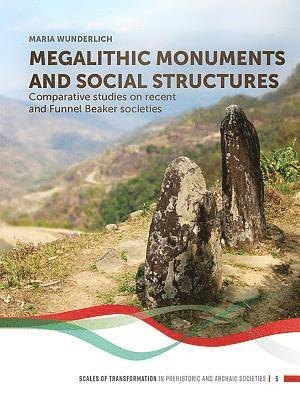
Megalith building constitutes not only a past, but also a recent phenomenon, which is still practised today. The documentation and interpretation of recent megalith building traditions is offering potential aid in the interpretation of prehistoric monuments. Fieldwork in Sumba and Nagaland set up a frame to answer questions such as: Who is buried in the megalithic tombs and what kind of commemoration is connected to megalithic monuments? How are socioeconomic characteristics of the associated households and societies reflected in the megaliths?Megalithic monuments and social structures includes various archaeological and ethnoarchaeological case studies on social implications of megalith building activities from a comparative perspective. The case studies presented include recent megalith building traditions in Sumba, Indonesia, Nagaland, North-East India, as well as Neolithic Funnel Beaker communities in today’s Northern Germany and Southern Sweden.This book presents a rich body of new data. By taking into account recent examples of megalithic construction, knowledge on important and influential ways of acting within societal contexts was expanded, whereby above all decentralised and communally-designed mechanisms are important. The case studies presented here clearly demonstrate the importance of cooperative and competitive structures and their effect on feasting activities and megalith building. Additionally, megalithic monuments represent a way of expressing and materialising economic inequality and social prestige. These mechanism and aspects also represent interpretations regarding Funnel Baker societies, which can supplement the existing ideas of megalithic construction in Neolithic Northern Europe.