Screen Decades: American Culture/American Cinema – serie
Visar alla böcker i serien Screen Decades: American Culture/American Cinema. Handla med fri frakt och snabb leverans.
10 produkter
10 produkter
660 kr
Skickas inom 3-6 vardagar
640 kr
Skickas inom 3-6 vardagar
660 kr
Skickas inom 3-6 vardagar
393 kr
Skickas inom 5-8 vardagar
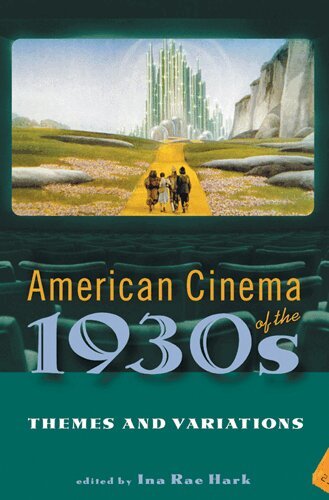
Probably no decade saw as many changes in the Hollywood film industry and its product as the 1930s did. At the beginning of the decade, the industry was still struggling with the transition to talking pictures. Gangster films and naughty comedies starring Mae West were popular in urban areas, but aroused threats of censorship in the heartland. Whether the film business could survive the economic effects of the Crash was up in the air. By 1939, popularly called "Hollywood's Greatest Year," films like Gone With the Wind and The Wizard of Oz used both color and sound to spectacular effect, and remain American icons today. The "mature oligopoly" that was the studio system had not only weathered the Depression and become part of mainstream culture through the establishment and enforcement of the Production Code, it was a well-oiled, vertically integrated industrial powerhouse.The ten original essays in American Cinema of the 1930s focus on sixty diverse films of the decade, including Dracula, The Public Enemy, Trouble in Paradise, 42nd Street, King Kong, Imitation of Life, The Adventures of Robin Hood, Swing Time, Angels with Dirty Faces, Nothing Sacred, Jezebel, Mr. Smith Goes toWashington, and Stagecoach .
427 kr
Skickas inom 7-10 vardagar
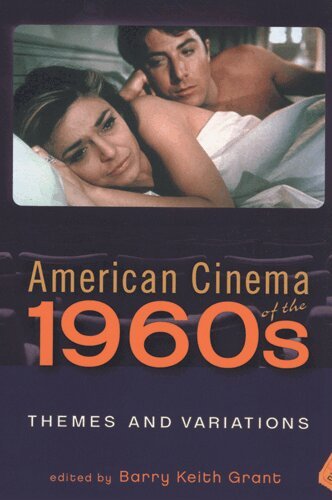
The profound cultural and political changes of the 1960s brought the United States closer to social revolution than at any other time in the twentieth century. The country fragmented as various challenges to state power were met with increasing and violent resistance. The Cold War heated up and the Vietnam War divided Americans. Civil rights, women's liberation, and gay rights further emerged as significant social issues. Free love was celebrated even as the decade was marked by assassinations, mass murders, and social unrest. At the same time, American cinema underwent radical change as well. The studio system crumbled, and the Production Code was replaced by a new ratings system. Among the challenges faced by the film industry was the dawning shift in theatrical exhibition from urban centers to surburban multiplexes, an increase in runaway productions, the rise of independent producers, and competition from both television and foreign art films. Hollywood movies became more cynical, violent, and sexually explicit, reflecting the changing values of the time.In ten original essays, American Cinema of the 1960s examines a range of films that characterized the decade, including Hollywood movies, documentaries, and independent and experimental films. Among the films discussed are Elmer Gantry, The Apartment, West Side Story, The Manchurian Candidate, To Kill a Mockingbird, Cape Fear, Bonnie and Clyde, 2001: A Space Odyssey, Midnight Cowboy, and Easy Rider.
393 kr
Skickas inom 5-8 vardagar
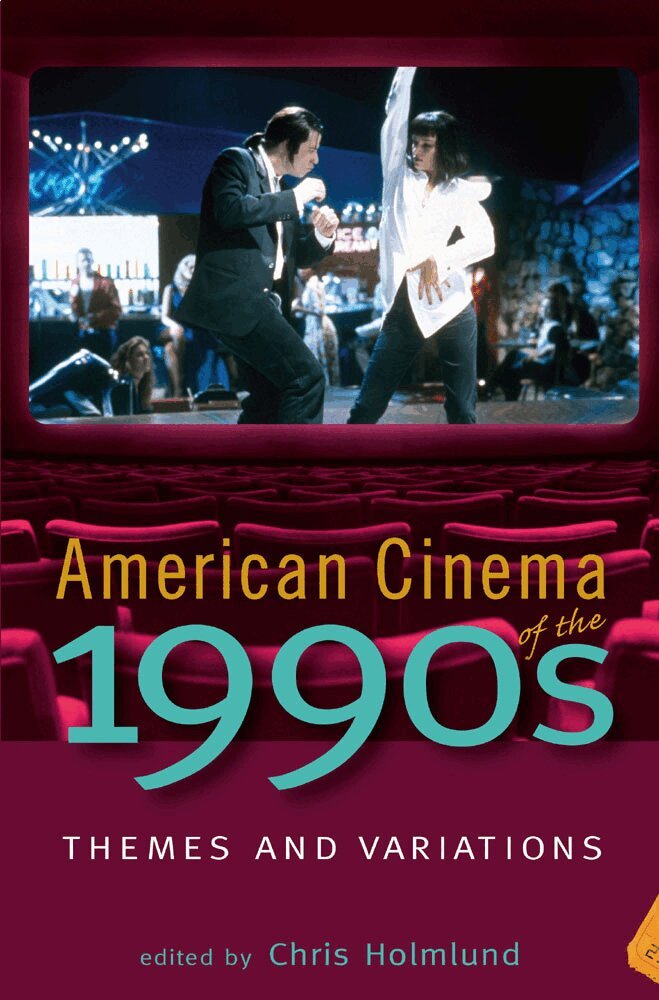
With the U.S. economy booming under President Bill Clinton and the cold war finally over, many Americans experienced peace and prosperity in the nineties. Digital technologies gained popularity, with nearly one billion people online by the end of the decade. The film industry wondered what the effect on cinema would be.The essays in American Cinema of the 1990s examine the big-budget blockbusters and critically acclaimed independent films that defined the decade. The 1990s' most popular genre, action, channeled anxieties about global threats such as AIDS and foreign terrorist attacks into escapist entertainment movies. Horror films and thrillers were on the rise, but family-friendly pictures and feel-good romances netted big audiences too. Meanwhile, independent films captured hearts, engaged minds, and invaded Hollywood: by decade's end every studio boasted its own "art film" affiliate.
419 kr
Skickas inom 5-8 vardagar
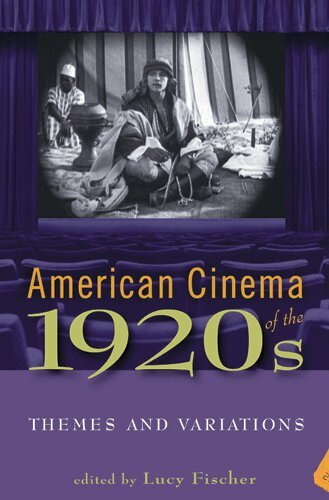
During the 1920s, sound revolutionized the motion picture industry and cinema continued as one of the most significant and popular forms of mass entertainment in the world. Film studios were transformed into major corporations, hiring a host of craftsmen and technicians including cinematographers, editors, screenwriters, and set designers. The birth of the star system supported the meteoric rise and celebrity status of actors including Charlie Chaplin, Mary Pickford, Joan Crawford, Greta Garbo, and Rudolph Valentino while black performers (relegated to "race films") appeared infrequently in mainstream movies. The classic Hollywood film style was perfected and significant film genres were established: the melodrama, western, historical epic, and romantic comedy, along with slapstick, science fiction, and fantasy.In ten original essays, American Cinema of the 1920s examines the film industry's continued growth and prosperity while focusing on important themes of the era.
427 kr
Skickas inom 7-10 vardagar
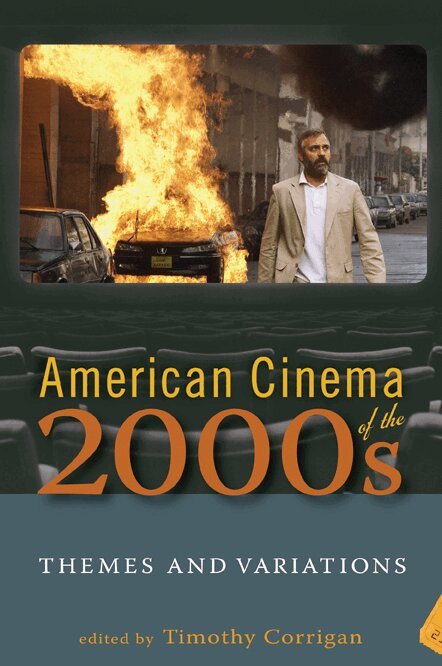
The decade from 2000 to 2009 is framed, at one end, by the traumatic catastrophe of the 9/11 attacks on the World Trade Center and, at the other, by the election of the first African American president of the United States. In between, the United States and the world witnessed the rapid expansion of new media and the Internet, such natural disasters as Hurricane Katrina, political uprisings around the world, and a massive meltdown of world economies.Amid these crises and revolutions, American films responded in multiple ways, sometimes directly reflecting these turbulent times, and sometimes indirectly couching history in traditional genres and stories. In American Cinema of the 2000s, essays from ten top film scholars examine such popular series as the groundbreaking Matrix films and the gripping adventures of former CIA covert operative Jason Bourne; new, offbeat films like Juno; and the resurgence of documentaries like Michael Moore’s Fahrenheit 9/11. Each essay demonstrates the complex ways in which American culture and American cinema are bound together in subtle and challenging ways.
336 kr
Skickas inom 7-10 vardagar
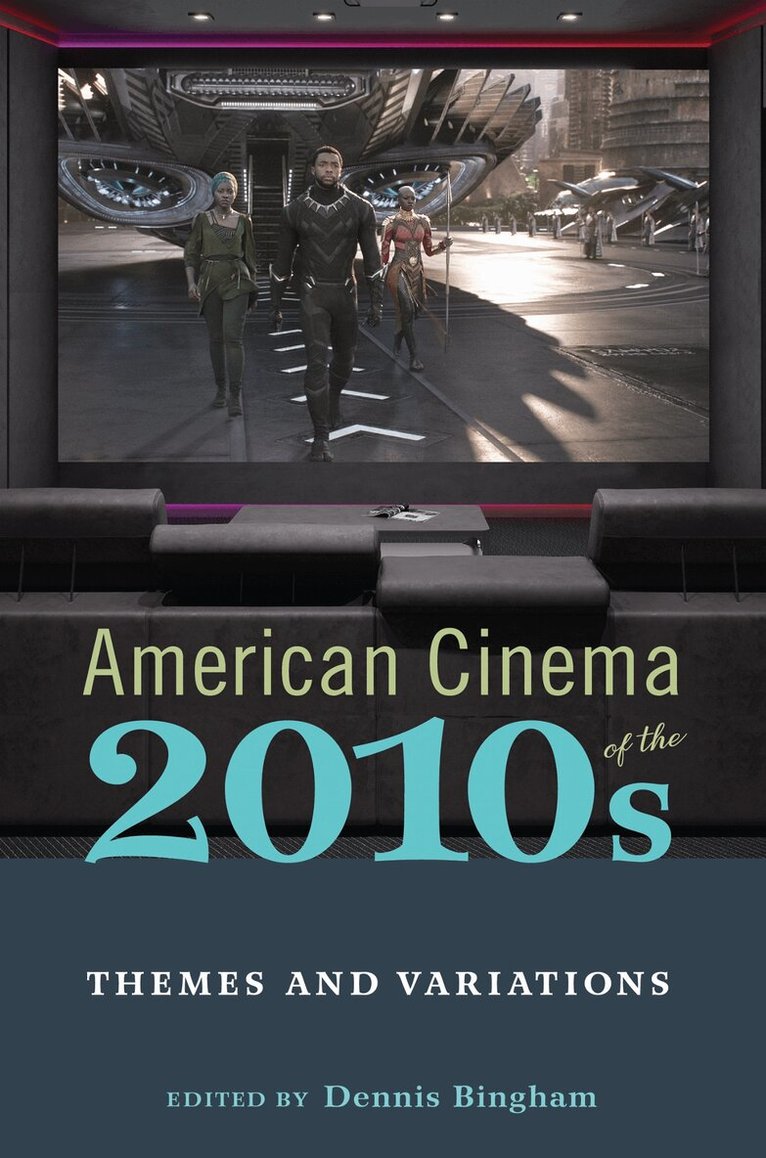
The 2010s might be remembered as a time of increased polarization in American life. The decade contained both the Obama era and the Trump era, and as the nation’s political fissures widened, so did the gap between the haves and have-nots. Hollywood reflected these divisions, choosing to concentrate on big franchise blockbusters at the expense of mid-budget films, while new players like Netflix and Amazon offered fresh opportunities for low-budget and independent filmmakers. As the movie business changed, films ranging from American Sniper to Get Out found ways to speak to the concerns of a divided nation. The newest installment in the Screen Decades series, American Cinema in the 2010s takes a close look at the memorable movies, visionary filmmakers, and behind-the-scenes drama that made this decade such an exciting time to be a moviegoer. Each chapter offers an in-depth examination of a specific year, covering a wide variety of films, from blockbuster superhero movies like Black Panther and animated films like Frozen to smaller-budget biopics like I, Tonya and horror films like Hereditary. This volume introduces readers to a decade in which established auteurs like Quentin Tarantino were joined by an exceptionally diverse set of new talents, taking American cinema in new directions.
785 kr
Skickas inom 7-10 vardagar
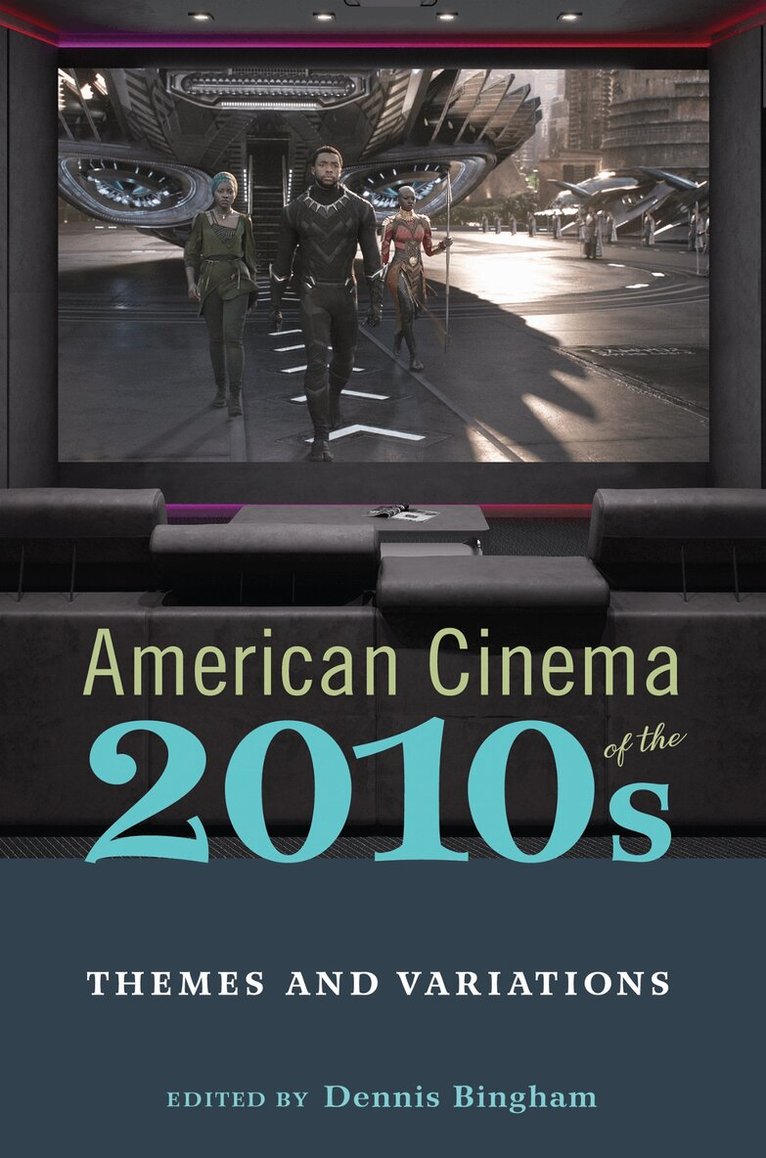
The 2010s might be remembered as a time of increased polarization in American life. The decade contained both the Obama era and the Trump era, and as the nation’s political fissures widened, so did the gap between the haves and have-nots. Hollywood reflected these divisions, choosing to concentrate on big franchise blockbusters at the expense of mid-budget films, while new players like Netflix and Amazon offered fresh opportunities for low-budget and independent filmmakers. As the movie business changed, films ranging from American Sniper to Get Out found ways to speak to the concerns of a divided nation. The newest installment in the Screen Decades series, American Cinema in the 2010s takes a close look at the memorable movies, visionary filmmakers, and behind-the-scenes drama that made this decade such an exciting time to be a moviegoer. Each chapter offers an in-depth examination of a specific year, covering a wide variety of films, from blockbuster superhero movies like Black Panther and animated films like Frozen to smaller-budget biopics like I, Tonya and horror films like Hereditary. This volume introduces readers to a decade in which established auteurs like Quentin Tarantino were joined by an exceptionally diverse set of new talents, taking American cinema in new directions.