Handbook of Natural Resources, Second Edition - Böcker
Visar alla böcker i serien Handbook of Natural Resources, Second Edition. Handla med fri frakt och snabb leverans.
14 produkter
14 produkter
707 kr
Skickas inom 10-15 vardagar
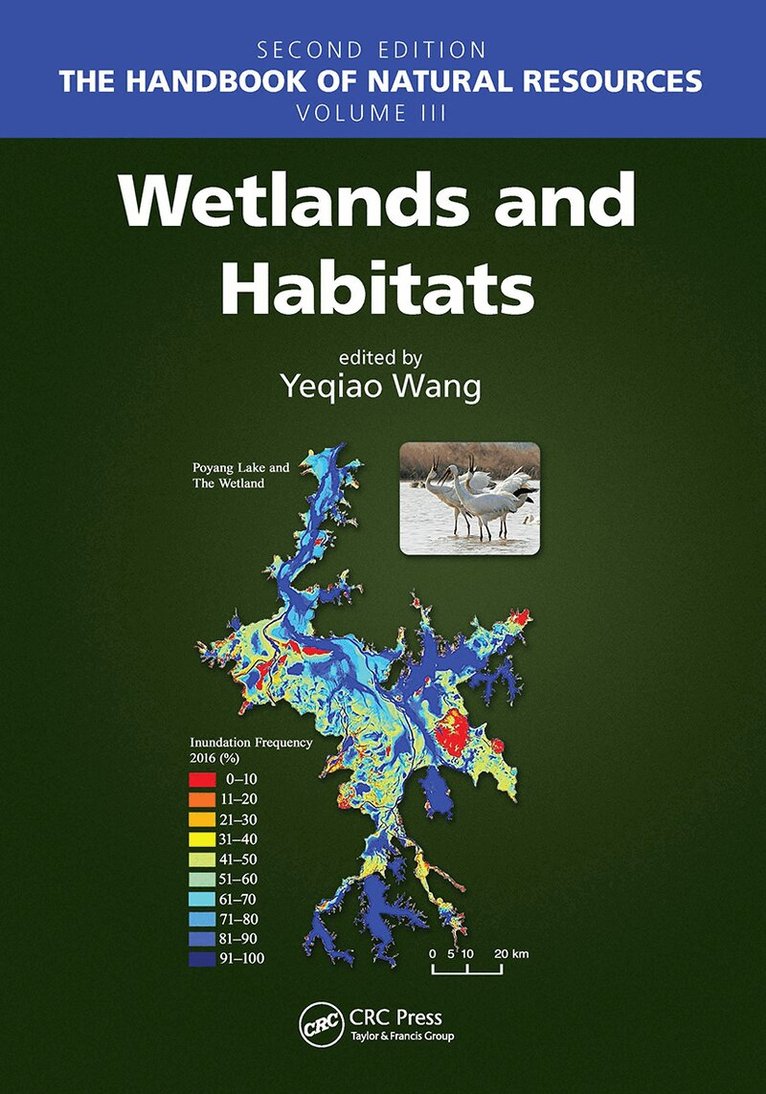
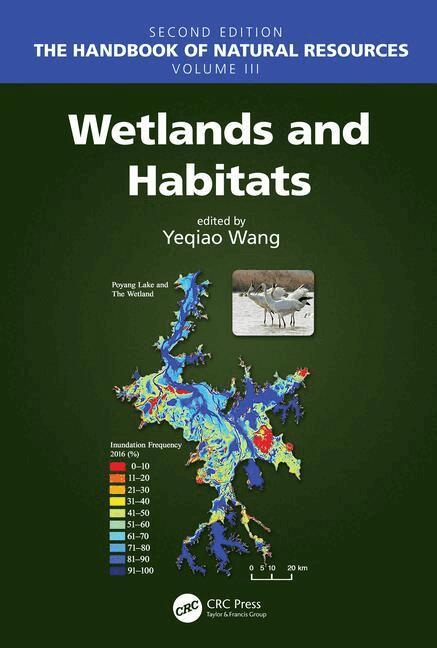
Authored by world-class scientists and scholars, The Handbook of Natural Resources, Second Edition, is an excellent reference for understanding the consequences of changing natural resources to the degradation of ecological integrity and the sustainability of life. Based on the content of the bestselling and CHOICE-awarded Encyclopedia of Natural Resources, this new edition demonstrates the major challenges that the society is facing for the sustainability of all well-being on the planet Earth. The experience, evidence, methods, and models used in studying natural resources are presented in six stand-alone volumes, arranged along the main systems of land, water, and air. It reviews state-of-the-art knowledge, highlights advances made in different areas, and provides guidance for the appropriate use of remote sensing and geospatial data with field-based measurements in the study of natural resources.Volume 3, Wetlands and Habitats, provides fundamental information on wetlands and their integral functions as a productive ecosystem. The topics it covers include wetlands biodiversity, wetlands classification and monitoring, floods, river ecosystems, pollution, and more. New to this edition are discussions on wetland vegetation, assessment of current wetland health status, restoration, sea-level rises and coastal storm, vulnerability to human impacts, and lakes and wetlands remote sensing. This volume demonstrates the key processes, methods, and models used through many case studies from around the world.Written in an easy-to-reference manner, The Handbook of Natural Resources, Second Edition, as individual volumes or as a complete set, is an essential reading for anyone looking for a deeper understanding of the science and management of natural resources. Public and private libraries, educational and research institutions, scientists, scholars, and resource managers will benefit enormously from this set. Individual volumes and chapters can also be used in a wide variety of both graduate and undergraduate courses in environmental science and natural science at different levels and disciplines, such as biology, geography, earth system science, and ecology.
707 kr
Skickas inom 10-15 vardagar
Authored by world-class scientists and scholars, The Handbook of Natural Resources, Second Edition, is an excellent reference for understanding the consequences of changing natural resources to the degradation of ecological integrity and the sustainability of life. Based on the content of the bestselling and CHOICE-awarded Encyclopedia of Natural Resources, this new edition demonstrates the major challenges that the society is facing for the sustainability of all well-being on the planet Earth. The experience, evidence, methods, and models used in studying natural resources are presented in six stand-alone volumes, arranged along the main systems of land, water, and air. It reviews state-of-the-art knowledge, highlights advances made in different areas, and provides guidance for the appropriate use of remote sensing and geospatial data with field-based measurements in the study of natural resources.Volume 4, Fresh Water and Watersheds, covers fresh water and watersheds, their health and conservation, protection, and management. Organized for ease of reference, it provides fundamental information on groundwater storage, water quality, supply and balance, and water resource vulnerability. New in this edition are discussions on water footprint assessment, water surface dynamics, and water management on a global scale. Understanding the conditions of watersheds is crucial for restoring areas with degraded water quality as well as protecting healthy waters from emerging problems. This volume demonstrates the key processes, methods, and models used through several practical case studies from around the world.Written in an easy-to-reference manner, The Handbook of Natural Resources, Second Edition, as individual volumes or as a complete set, is an essential reading for anyone looking for a deeper understanding of the science and management of natural resources. Public and private libraries, educational and research institutions, scientists, scholars, and resource managers will benefit enormously from this set. Individual volumes and chapters can also be used in a wide variety of both graduate and undergraduate courses in environmental science and natural science at different levels and disciplines, such as biology, geography, earth system science, and ecology.
686 kr
Skickas inom 10-15 vardagar
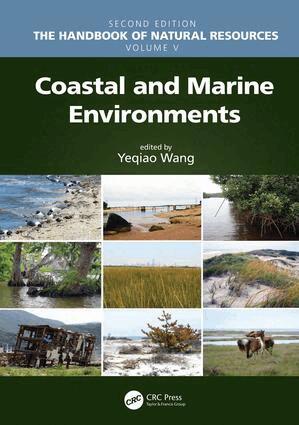
Authored by world-class scientists and scholars, The Handbook of Natural Resources, Second Edition, is an excellent reference for understanding the consequences of changing natural resources to the degradation of ecological integrity and the sustainability of life. Based on the content of the bestselling and CHOICE-awarded Encyclopedia of Natural Resources, this new edition demonstrates the major challenges that the society is facing for the sustainability of all well-being on the planet Earth. The experience, evidence, methods, and models used in studying natural resources are presented in six stand-alone volumes, arranged along the main systems of land, water, and air. It reviews state-of-the-art knowledge, highlights advances made in different areas, and provides guidance for the appropriate use of remote sensing and geospatial data with field-based measurements in the study of natural resources.Volume 5, Coastal and Marine Environments, discusses marine and coastal ecosystems, their biodiversity, conservation, and integrated marine management plans. It provides fundamental information on coastal and estuarine systems and includes discussions on coastal erosion and shoreline change, natural disasters, evaporation and energy balance, fisheries and marine resource management, and more. New in this edition are discussions on sea level rise, renewable energy, coral reef restoration, fishery resource economics, and coastal remote sensing. This volume demonstrates the key processes, methods, and models used through many case studies from around the world. Written in an easy-to-reference manner, The Handbook of Natural Resources, Second Edition, as individual volumes or as a complete set, is an essential reading for anyone looking for a deeper understanding of the science and management of natural resources. Public and private libraries, educational and research institutions, scientists, scholars, and resource managers will benefit enormously from this set. Individual volumes and chapters can also be used in a wide variety of both graduate and undergraduate courses in environmental science and natural science at different levels and disciplines, such as biology, geography, earth system science, and ecology.
686 kr
Skickas inom 10-15 vardagar
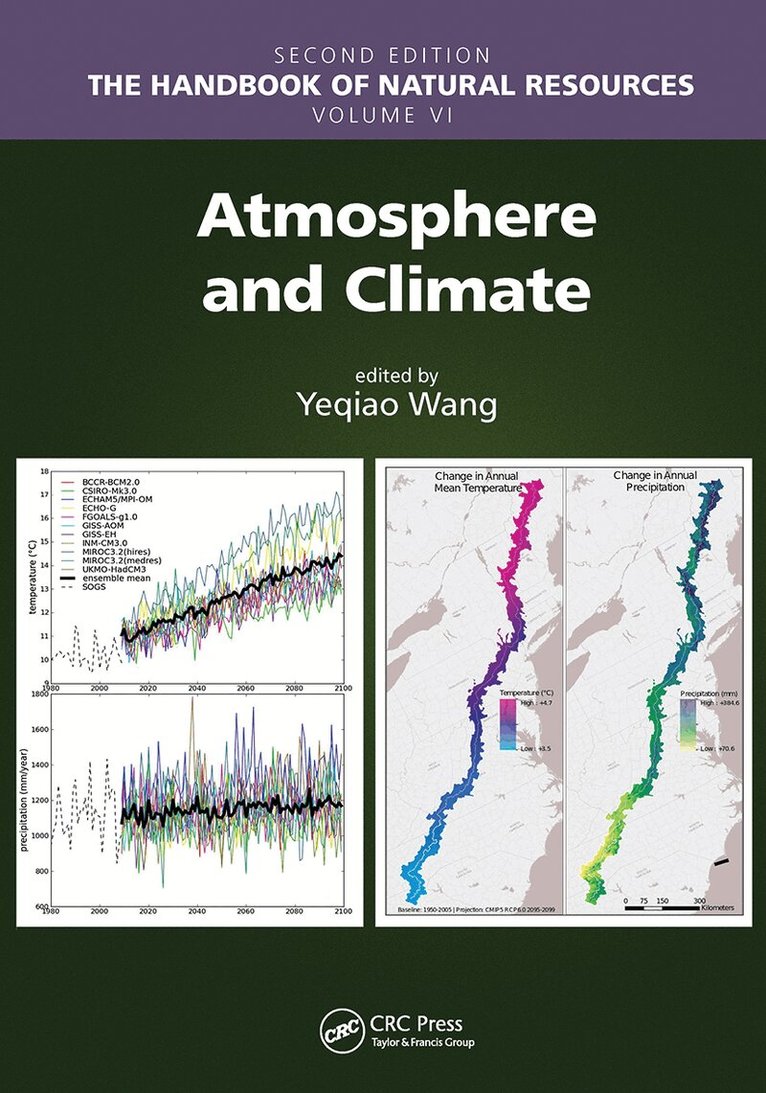
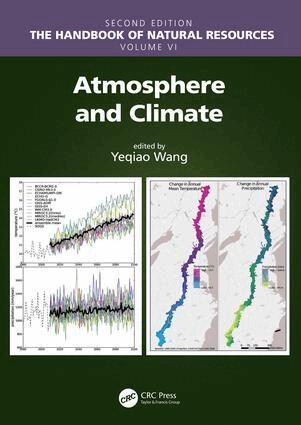
Authored by world-class scientists and scholars, The Handbook of Natural Resources, Second Edition, is an excellent reference for understanding the consequences of changing natural resources to the degradation of ecological integrity and the sustainability of life. Based on the content of the bestselling and CHOICE-awarded Encyclopedia of Natural Resources, this new edition demonstrates the major challenges that the society is facing for the sustainability of all well-being on the planet Earth. The experience, evidence, methods, and models used in studying natural resources are presented in six stand-alone volumes, arranged along the main systems of land, water, and air. It reviews state-of-the-art knowledge, highlights advances made in different areas, and provides guidance for the appropriate use of remote sensing and geospatial data with field-based measurements in the study of natural resources.Volume 6, Atmosphere and Climate, covers atmospheric pollution and the complexity of atmospheric systems and their interactions with human activity. As an excellent reference for fundamental information on air systems, the handbook includes coverage of acid rain and nitrogen deposition, air pollutants, elevated carbon dioxide, atmospheric circulation patterns, and climate change effects on polar regions and climatology. New in this edition are discussions on aerosols monitoring and mapping, greenhouse gases, the Greenland ice sheet, and mountainous regions. This book presents the key processes, methods, and models used in studying the impact of air pollution on ecosystems worldwide.Written in an easy-to-reference manner, The Handbook of Natural Resources, Second Edition, as individual volumes or as a complete set, is an essential reading for anyone looking for a deeper understanding of the science and management of natural resources. Public and private libraries, educational and research institutions, scientists, scholars, and resource managers will benefit enormously from this set. Individual volumes and chapters can also be used in a wide variety of both graduate and undergraduate courses in environmental science and natural science at different levels and disciplines, such as biology, geography, earth system science, and ecology.
707 kr
Skickas inom 10-15 vardagar
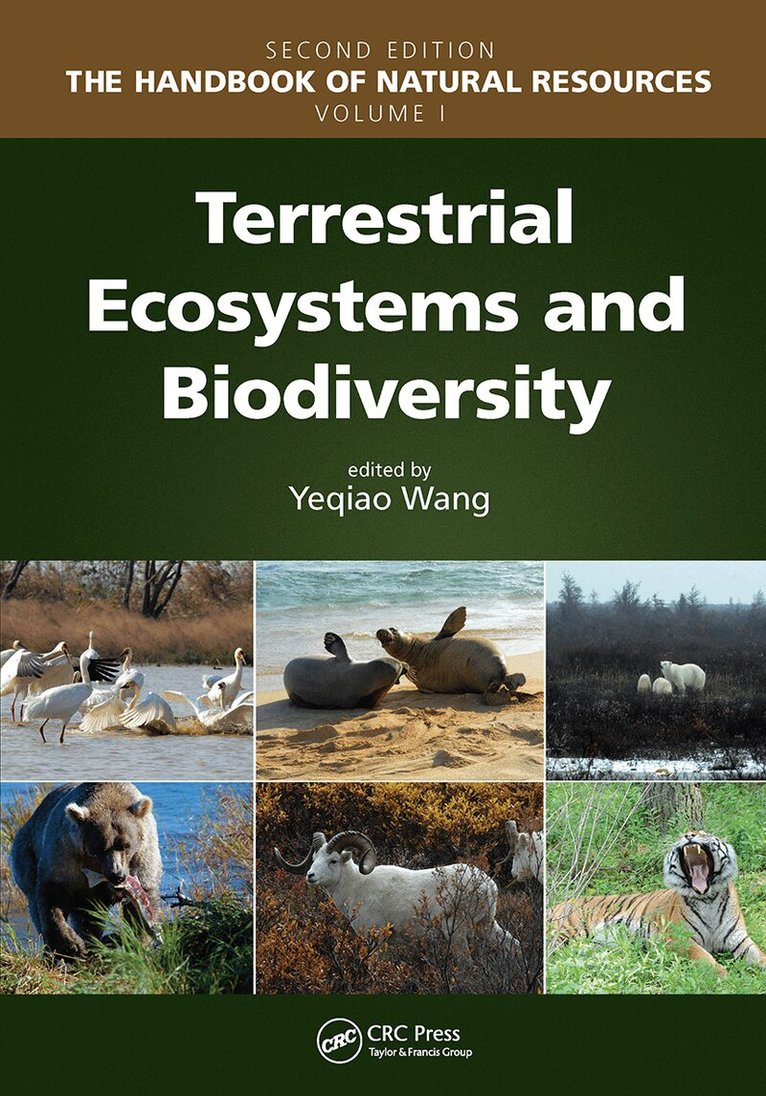
Authored by world-class scientists and scholars, The Handbook of Natural Resources, Second Edition, is an excellent reference for understanding the consequences of changing natural resources to the degradation of ecological integrity and the sustainability of life. Based on the content of the bestselling and CHOICE-awarded Encyclopedia of Natural Resources, this new edition demonstrates the major challenges that the society is facing for the sustainability of all well-being on the planet Earth. The experience, evidence, methods, and models used in studying natural resources are presented in six stand-alone volumes, arranged along the main systems of land, water, and air. It reviews state-of-the-art knowledge, highlights advances made in different areas, and provides guidance for the appropriate use of remote sensing and geospatial data with field-based measurements in the study of natural resources.Volume 1, Terrestrial Ecosystems and Biodiversity, provides fundamental information on terrestrial ecosystems, approaches to monitoring, and impacts of climate change on natural vegetation and forests. New to this edition are discussions on biodiversity conservation, gross and net primary production, soil microbiology, land surface phenology, and decision support systems. This volume demonstrates the key processes, methods, and models used through many case studies from around the world.Written in an easy-to-reference manner, The Handbook of Natural Resources, Second Edition, as individual volumes or as a complete set, is an essential reading for anyone looking for a deeper understanding of the science and management of natural resources. Public and private libraries, educational and research institutions, scientists, scholars, and resource managers will benefit enormously from this set. Individual volumes and chapters can also be used in a wide variety of both graduate and undergraduate courses in environmental science and natural science at different levels and disciplines, such as biology, geography, earth system science, and ecology.
1 756 kr
Skickas inom 10-15 vardagar
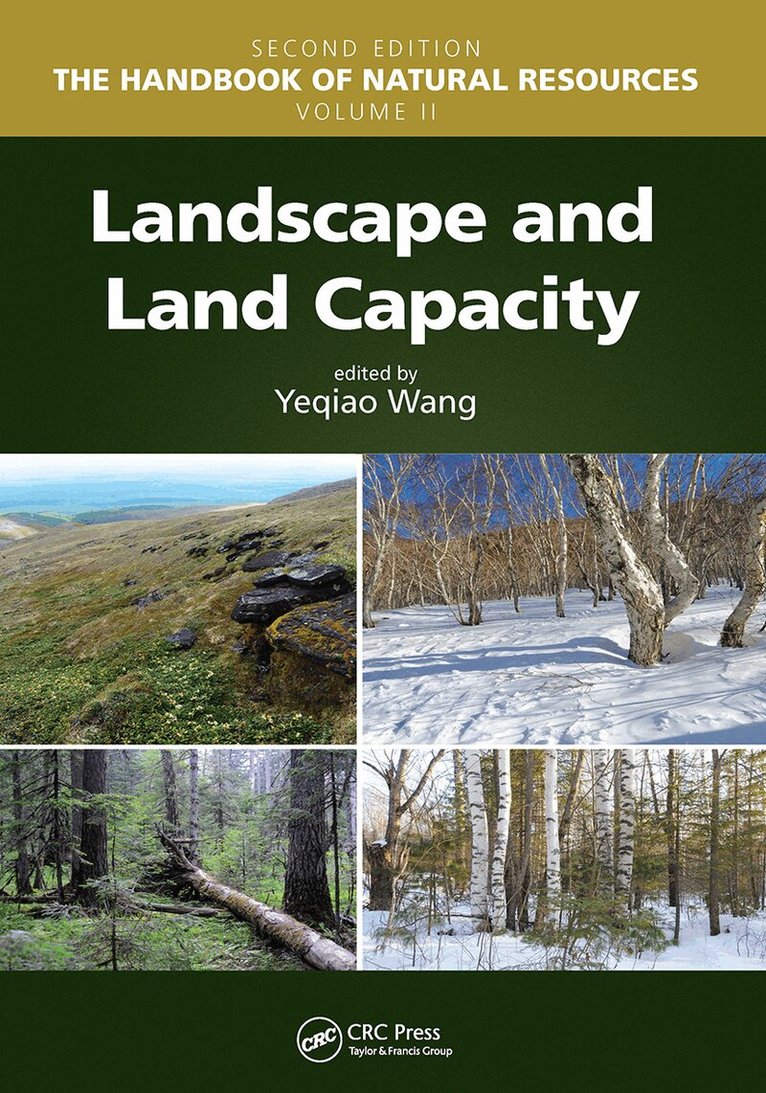
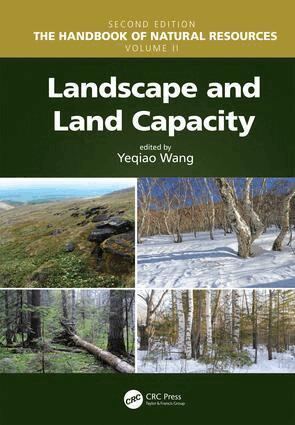
Authored by world-class scientists and scholars, The Handbook of Natural Resources, Second Edition, is an excellent reference for understanding the consequences of changing natural resources to the degradation of ecological integrity and the sustainability of life. Based on the content of the bestselling and CHOICE-awarded Encyclopedia of Natural Resources, this new edition demonstrates the major challenges that the society is facing for the sustainability of all well-being on the planet Earth. The experience, evidence, methods, and models used in studying natural resources are presented in six stand-alone volumes, arranged along the main systems of land, water, and air. It reviews state-of-the-art knowledge, highlights advances made in different areas, and provides guidance for the appropriate use of remote sensing and geospatial data with field-based measurements in the study of natural resources.Volume 2, Landscape and Land Capacity, covers soils and landscape issues, their diversity and importance, and how soils are related to the landscapes in which they form. It includes discussions on land conservation, land-use and land-cover changes, and urban environments and unravels the complex bond between humans and soils. New in this edition are discussions on habitat conservation and planning, landscape epidemiology and vector-borne disease, and landscape patterns and changes. This volume demonstrates the key processes, methods, and models used through several practical case studies from around the world.Written in an easy-to-reference manner, The Handbook of Natural Resources, Second Edition, as individual volumes or as a complete set, is an essential reading for anyone looking for a deeper understanding of the science and management of natural resources. Public and private libraries, educational and research institutions, scientists, scholars, and resource managers will benefit enormously from this set. Individual volumes and chapters can also be used in a wide variety of both graduate and undergraduate courses in environmental science and natural science at different levels and disciplines, such as biology, geography, earth system science, and ecology.
6 015 kr
Skickas inom 10-15 vardagar
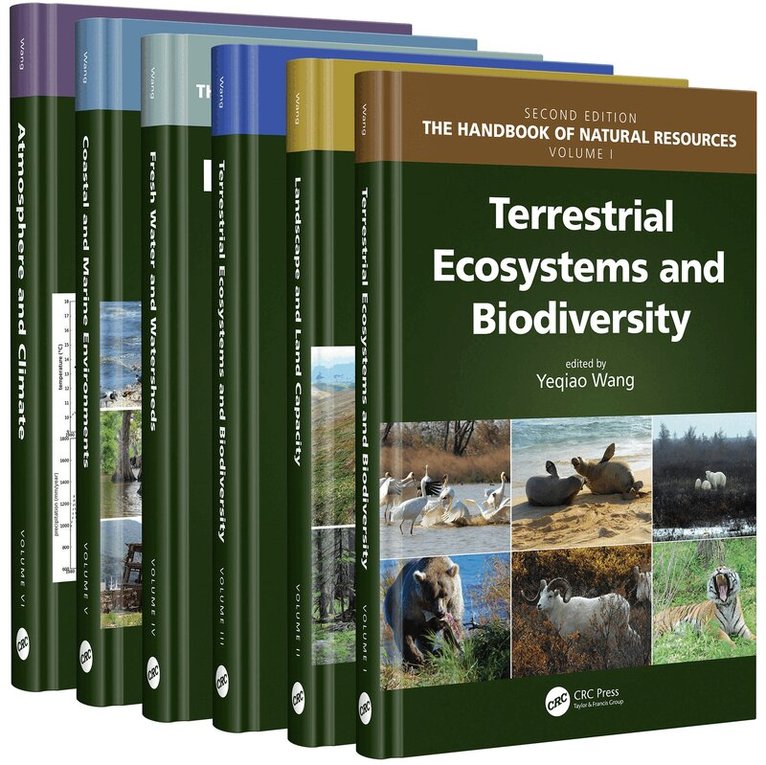
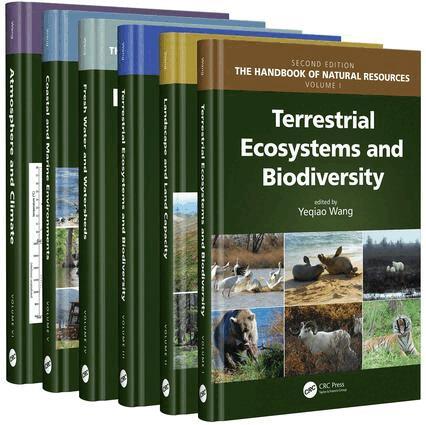
Authored by world-class scientists and scholars, the Handbook of Natural Resources, Second Edition, is an excellent reference for understanding the consequences of changing natural resources to the degradation of ecological integrity and the sustainability of life. Based on the content of the bestselling and CHOICE awarded Encyclopedia of Natural Resources, this new edition demonstrates the major challenges that the society is facing for the sustainability of all wellbeing on planet Earth. The experience, evidence, methods, and models used in studying natural resources are presented in six stand-alone volumes, arranged along the main systems: land, water, and air. It reviews state-of-the-art knowledge, highlights advances made in different areas, and provides guidance for the appropriate use of remote sensing data in the study of natural resources on a global scale. The six volumes in this set cover: Terrestrial Ecosystems and Biodiversity; Landscape and Land Capacity; Wetlands and Habitats; Fresh Water and Watersheds; Coastal and Marine Environments; and finally Atmosphere and Climate.Written in an easy-to-reference manner, the Handbook of Natural Resources, Second Edition, as a complete set, is essential for anyone looking for a deeper understanding of the science and management of natural resources. Public and private libraries, educational and research institutions, scientists, scholars, and resource managers will benefit enormously from this set. Individual volumes and chapters can also be used in a wide variety of both graduate and undergraduate courses in environmental science and natural science courses at different levels and disciplines, such as biology, geography, Earth system science, ecology, etc.
16 831 kr
Skickas inom 10-15 vardagar
Authored by world-class scientists and scholars, the Handbook of Natural Resources, Second Edition, is an excellent reference for understanding the consequences of changing natural resources to the degradation of ecological integrity and the sustainability of life. Based on the content of the bestselling and CHOICE awarded Encyclopedia of Natural Resources, this new edition demonstrates the major challenges that the society is facing for the sustainability of all wellbeing on planet Earth. The experience, evidence, methods, and models used in studying natural resources are presented in six stand-alone volumes, arranged along the main systems: land, water, and air. It reviews state-of-the-art knowledge, highlights advances made in different areas, and provides guidance for the appropriate use of remote sensing data in the study of natural resources on a global scale. The six volumes in this set cover: Terrestrial Ecosystems and Biodiversity; Landscape and Land Capacity; Wetlands and Habitats; Fresh Water and Watersheds; Coastal and Marine Environments; and finally Atmosphere and Climate.Written in an easy-to-reference manner, the Handbook of Natural Resources, Second Edition, as a complete set, is essential for anyone looking for a deeper understanding of the science and management of natural resources. Public and private libraries, educational and research institutions, scientists, scholars, and resource managers will benefit enormously from this set. Individual volumes and chapters can also be used in a wide variety of both graduate and undergraduate courses in environmental science and natural science courses at different levels and disciplines, such as biology, geography, Earth system science, ecology, etc.
2 385 kr
Skickas inom 10-15 vardagar
Authored by world-class scientists and scholars, The Handbook of Natural Resources, Second Edition, is an excellent reference for understanding the consequences of changing natural resources to the degradation of ecological integrity and the sustainability of life. Based on the content of the bestselling and CHOICE-awarded Encyclopedia of Natural Resources, this new edition demonstrates the major challenges that the society is facing for the sustainability of all well-being on the planet Earth. The experience, evidence, methods, and models used in studying natural resources are presented in six stand-alone volumes, arranged along the main systems of land, water, and air. It reviews state-of-the-art knowledge, highlights advances made in different areas, and provides guidance for the appropriate use of remote sensing and geospatial data with field-based measurements in the study of natural resources.Volume 1, Terrestrial Ecosystems and Biodiversity, provides fundamental information on terrestrial ecosystems, approaches to monitoring, and impacts of climate change on natural vegetation and forests. New to this edition are discussions on biodiversity conservation, gross and net primary production, soil microbiology, land surface phenology, and decision support systems. This volume demonstrates the key processes, methods, and models used through many case studies from around the world.Written in an easy-to-reference manner, The Handbook of Natural Resources, Second Edition, as individual volumes or as a complete set, is an essential reading for anyone looking for a deeper understanding of the science and management of natural resources. Public and private libraries, educational and research institutions, scientists, scholars, and resource managers will benefit enormously from this set. Individual volumes and chapters can also be used in a wide variety of both graduate and undergraduate courses in environmental science and natural science at different levels and disciplines, such as biology, geography, earth system science, and ecology.
2 385 kr
Skickas inom 10-15 vardagar
Authored by world-class scientists and scholars, The Handbook of Natural Resources, Second Edition, is an excellent reference for understanding the consequences of changing natural resources to the degradation of ecological integrity and the sustainability of life. Based on the content of the bestselling and CHOICE-awarded Encyclopedia of Natural Resources, this new edition demonstrates the major challenges that the society is facing for the sustainability of all well-being on the planet Earth. The experience, evidence, methods, and models used in studying natural resources are presented in six stand-alone volumes, arranged along the main systems of land, water, and air. It reviews state-of-the-art knowledge, highlights advances made in different areas, and provides guidance for the appropriate use of remote sensing and geospatial data with field-based measurements in the study of natural resources.Volume 2, Landscape and Land Capacity, covers soils and landscape issues, their diversity and importance, and how soils are related to the landscapes in which they form. It includes discussions on land conservation, land-use and land-cover changes, and urban environments and unravels the complex bond between humans and soils. New in this edition are discussions on habitat conservation and planning, landscape epidemiology and vector-borne disease, and landscape patterns and changes. This volume demonstrates the key processes, methods, and models used through several practical case studies from around the world.Written in an easy-to-reference manner, The Handbook of Natural Resources, Second Edition, as individual volumes or as a complete set, is an essential reading for anyone looking for a deeper understanding of the science and management of natural resources. Public and private libraries, educational and research institutions, scientists, scholars, and resource managers will benefit enormously from this set. Individual volumes and chapters can also be used in a wide variety of both graduate and undergraduate courses in environmental science and natural science at different levels and disciplines, such as biology, geography, earth system science, and ecology.
2 385 kr
Skickas inom 10-15 vardagar
Authored by world-class scientists and scholars, The Handbook of Natural Resources, Second Edition, is an excellent reference for understanding the consequences of changing natural resources to the degradation of ecological integrity and the sustainability of life. Based on the content of the bestselling and CHOICE-awarded Encyclopedia of Natural Resources, this new edition demonstrates the major challenges that the society is facing for the sustainability of all well-being on the planet Earth. The experience, evidence, methods, and models used in studying natural resources are presented in six stand-alone volumes, arranged along the main systems of land, water, and air. It reviews state-of-the-art knowledge, highlights advances made in different areas, and provides guidance for the appropriate use of remote sensing and geospatial data with field-based measurements in the study of natural resources.Volume 3, Wetlands and Habitats, provides fundamental information on wetlands and their integral functions as a productive ecosystem. The topics it covers include wetlands biodiversity, wetlands classification and monitoring, floods, river ecosystems, pollution, and more. New to this edition are discussions on wetland vegetation, assessment of current wetland health status, restoration, sea-level rises and coastal storm, vulnerability to human impacts, and lakes and wetlands remote sensing. This volume demonstrates the key processes, methods, and models used through many case studies from around the world.Written in an easy-to-reference manner, The Handbook of Natural Resources, Second Edition, as individual volumes or as a complete set, is an essential reading for anyone looking for a deeper understanding of the science and management of natural resources. Public and private libraries, educational and research institutions, scientists, scholars, and resource managers will benefit enormously from this set. Individual volumes and chapters can also be used in a wide variety of both graduate and undergraduate courses in environmental science and natural science at different levels and disciplines, such as biology, geography, earth system science, and ecology.
2 385 kr
Skickas inom 10-15 vardagar
Authored by world-class scientists and scholars, The Handbook of Natural Resources, Second Edition, is an excellent reference for understanding the consequences of changing natural resources to the degradation of ecological integrity and the sustainability of life. Based on the content of the bestselling and CHOICE-awarded Encyclopedia of Natural Resources, this new edition demonstrates the major challenges that the society is facing for the sustainability of all well-being on the planet Earth. The experience, evidence, methods, and models used in studying natural resources are presented in six stand-alone volumes, arranged along the main systems of land, water, and air. It reviews state-of-the-art knowledge, highlights advances made in different areas, and provides guidance for the appropriate use of remote sensing and geospatial data with field-based measurements in the study of natural resources.Volume 4, Fresh Water and Watersheds, covers fresh water and watersheds, their health and conservation, protection, and management. Organized for ease of reference, it provides fundamental information on groundwater storage, water quality, supply and balance, and water resource vulnerability. New in this edition are discussions on water footprint assessment, water surface dynamics, and water management on a global scale. Understanding the conditions of watersheds is crucial for restoring areas with degraded water quality as well as protecting healthy waters from emerging problems. This volume demonstrates the key processes, methods, and models used through several practical case studies from around the world.Written in an easy-to-reference manner, The Handbook of Natural Resources, Second Edition, as individual volumes or as a complete set, is an essential reading for anyone looking for a deeper understanding of the science and management of natural resources. Public and private libraries, educational and research institutions, scientists, scholars, and resource managers will benefit enormously from this set. Individual volumes and chapters can also be used in a wide variety of both graduate and undergraduate courses in environmental science and natural science at different levels and disciplines, such as biology, geography, earth system science, and ecology.
2 385 kr
Skickas inom 10-15 vardagar
Authored by world-class scientists and scholars, The Handbook of Natural Resources, Second Edition, is an excellent reference for understanding the consequences of changing natural resources to the degradation of ecological integrity and the sustainability of life. Based on the content of the bestselling and CHOICE-awarded Encyclopedia of Natural Resources, this new edition demonstrates the major challenges that the society is facing for the sustainability of all well-being on the planet Earth. The experience, evidence, methods, and models used in studying natural resources are presented in six stand-alone volumes, arranged along the main systems of land, water, and air. It reviews state-of-the-art knowledge, highlights advances made in different areas, and provides guidance for the appropriate use of remote sensing and geospatial data with field-based measurements in the study of natural resources.Volume 5, Coastal and Marine Environments, discusses marine and coastal ecosystems, their biodiversity, conservation, and integrated marine management plans. It provides fundamental information on coastal and estuarine systems and includes discussions on coastal erosion and shoreline change, natural disasters, evaporation and energy balance, fisheries and marine resource management, and more. New in this edition are discussions on sea level rise, renewable energy, coral reef restoration, fishery resource economics, and coastal remote sensing. This volume demonstrates the key processes, methods, and models used through many case studies from around the world. Written in an easy-to-reference manner, The Handbook of Natural Resources, Second Edition, as individual volumes or as a complete set, is an essential reading for anyone looking for a deeper understanding of the science and management of natural resources. Public and private libraries, educational and research institutions, scientists, scholars, and resource managers will benefit enormously from this set. Individual volumes and chapters can also be used in a wide variety of both graduate and undergraduate courses in environmental science and natural science at different levels and disciplines, such as biology, geography, earth system science, and ecology.
2 385 kr
Skickas inom 10-15 vardagar
Authored by world-class scientists and scholars, The Handbook of Natural Resources, Second Edition, is an excellent reference for understanding the consequences of changing natural resources to the degradation of ecological integrity and the sustainability of life. Based on the content of the bestselling and CHOICE-awarded Encyclopedia of Natural Resources, this new edition demonstrates the major challenges that the society is facing for the sustainability of all well-being on the planet Earth. The experience, evidence, methods, and models used in studying natural resources are presented in six stand-alone volumes, arranged along the main systems of land, water, and air. It reviews state-of-the-art knowledge, highlights advances made in different areas, and provides guidance for the appropriate use of remote sensing and geospatial data with field-based measurements in the study of natural resources.Volume 6, Atmosphere and Climate, covers atmospheric pollution and the complexity of atmospheric systems and their interactions with human activity. As an excellent reference for fundamental information on air systems, the handbook includes coverage of acid rain and nitrogen deposition, air pollutants, elevated carbon dioxide, atmospheric circulation patterns, and climate change effects on polar regions and climatology. New in this edition are discussions on aerosols monitoring and mapping, greenhouse gases, the Greenland ice sheet, and mountainous regions. This book presents the key processes, methods, and models used in studying the impact of air pollution on ecosystems worldwide.Written in an easy-to-reference manner, The Handbook of Natural Resources, Second Edition, as individual volumes or as a complete set, is an essential reading for anyone looking for a deeper understanding of the science and management of natural resources. Public and private libraries, educational and research institutions, scientists, scholars, and resource managers will benefit enormously from this set. Individual volumes and chapters can also be used in a wide variety of both graduate and undergraduate courses in environmental science and natural science at different levels and disciplines, such as biology, geography, earth system science, and ecology.