Sozialwissenschaftliche Zugänge zu Afrika – serie
Visar alla böcker i serien Sozialwissenschaftliche Zugänge zu Afrika. Handla med fri frakt och snabb leverans.
4 produkter
4 produkter
Häftad, Tyska, 2022
565 kr
Skickas inom 10-15 vardagar
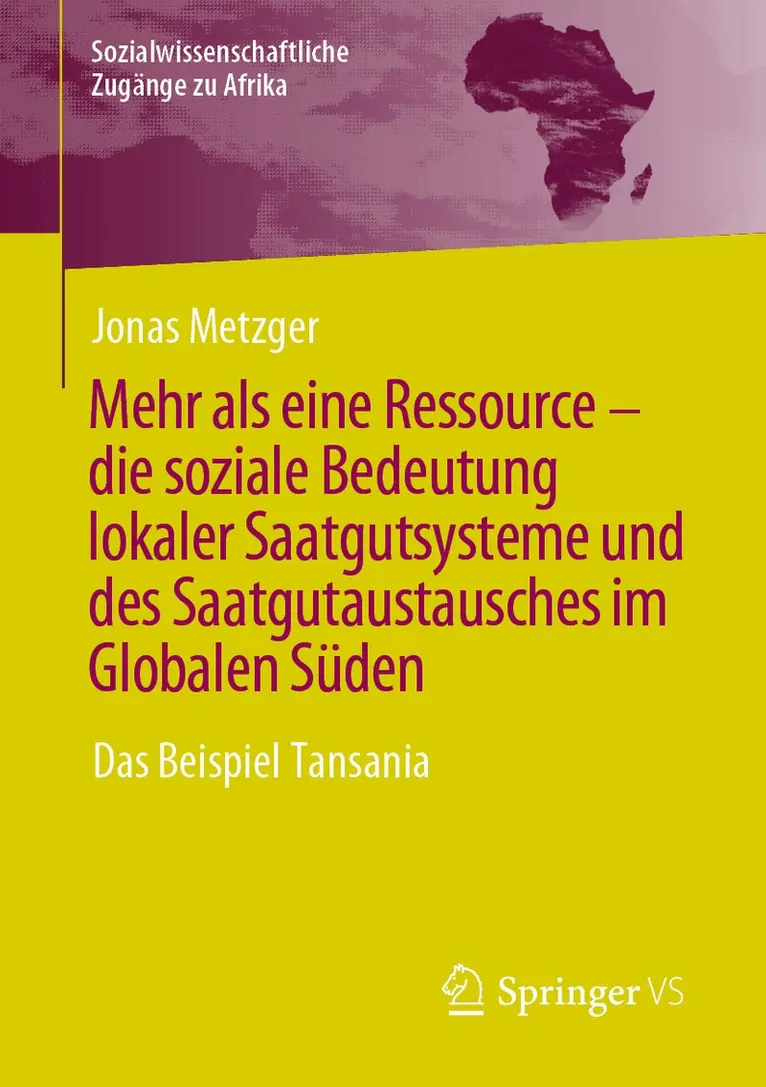
Saatgut steht im Zentrum eines Transformationsprozesses, der weltweit mehr als zwei Milliarden Menschen betrifft. In dieser Studie über Kleinbäuerinnen und Kleinbauern in Tansania wird untersucht, wie lokale Saatgutsysteme in den soziokulturellen Strukturen kleinbäuerlicher Lebenswelten verankert sind. Am Beispiel des Saatguts wird damit die enge Verwobenheit landwirtschaftlicher und sozialer Praxis nachgezeichnet und es wird herausgearbeitet, wie einzelne von außen herangetragene Modernisierungsprozesse weitreichende Konsequenzen für das kleinbäuerliche Zusammenleben nach sich ziehen. Die Studie liefert eine konkrete, detaillierte und differenzierende Darstellung des bäuerlichen Alltags sowie über den Umgang der kleinbäuerlichen Haushalte mit Saatgut. Ein besonderer Fokus liegt dabei auf den Saatgutaustauschbeziehungen und wie diese in der Untersuchungsregion sowohl soziale Sicherheit als auch gesellschaftliche Kohäsion stiften. Die Studie basiert auf umfangreicher Feldforschung und intensiven Gesprächen mit Bäuerinnen und Bauern, die in der Arbeit auch selbst zu Wort kommen.
Häftad, Tyska, 2027
912 kr
Kommande
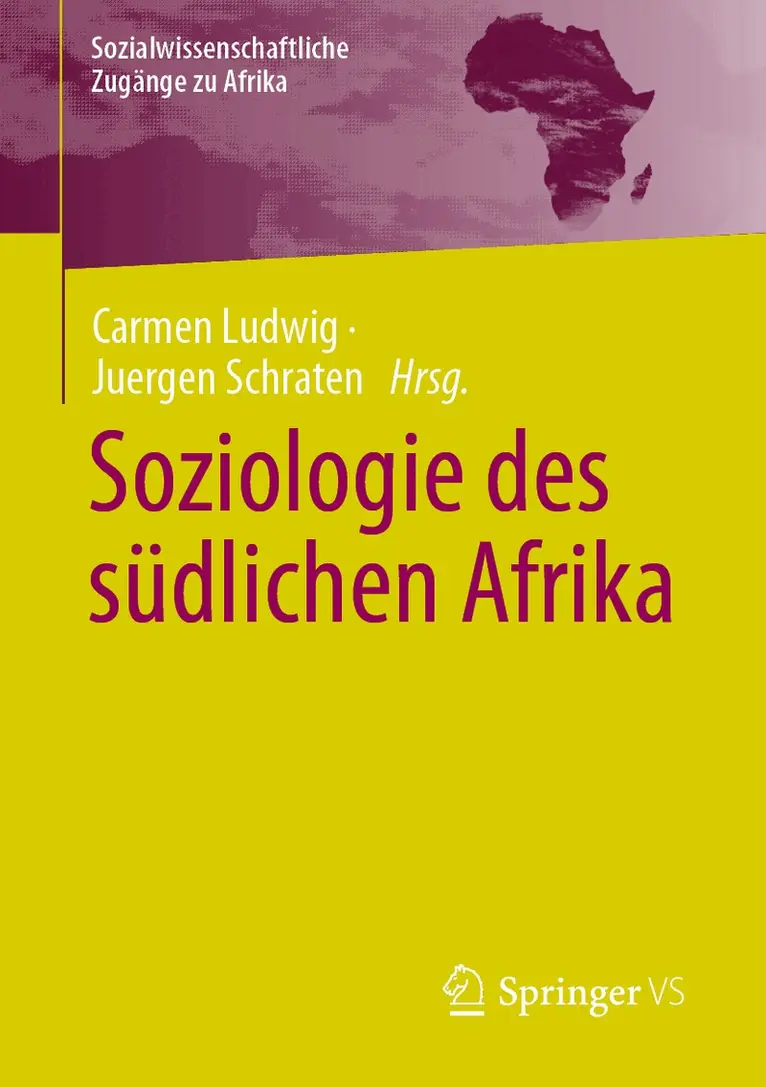
Der Band liefert einen grundlegenden Einstieg in die sozialwissenschaftlichen Auseinandersetzungen in und über Südafrika, Lesotho, Simbabwe, Botsuana und Namibia. Diese Gesellschaften eint eine gemeinsame britische Kolonialvergangenheit, die sich sowohl in ihrer heutigen Position im globalen Machtgefüge widerspiegelt, als auch in vielen innergesellschaftlichen Strukturen und Institutionen. Dennoch haben die Staaten seit der Dekolonialisierung Afrikas sehr unterschiedliche Pfade beschritten, und sind durch signifikante Konfliktbearbeitungsformen gekennzeichnet. Obwohl Südafrika sowohl im regionalen Machtgefüge als auch in der globalen Weltordnung einen privilegierten Platz einnimmt, ist die Gesellschaft in Fragen von Wirtschaft und Arbeit, sozialer Gleichheit, Gesundheitsvorsorge und Entwicklungsperspektiven keineswegs erfolgreicher als ihre Nachbarn. Lesotho bietet den bemerkenswerten, aber nicht untypischen Fall eines Kleinstaates mit großer Abhängigkeit regionalen Umfeld, aber dennoch ungebrochener politischer Autonomie. Simbabwe entwickelte sich unter der langjährigen Herrschaft Robert Mugabes vom Hoffnungsträger zum Katastrophenfall des südlichen Afrika, dessen weiterer Weg seit dem Führungswechsel 2017 prekär bleibt. Botsuana galt vielen westlichen Beobachtern lange Zeit als der Musterfall für demokratische Stabilität (trotz verbreiterter Armut), dessen soziales Gefüge und politische Ordnung nun jedoch durch verschiedene Bestrebungen nach Demokratisierung und Emanzipation zunehmend erschüttert werden. Namibia ist durch seine Rolle als Opfer deutscher Kolonialverbrechen in die sozialwissenschaftliche Aufmerksamkeit geraten. Dass die sozialwissenschaftliche Betrachtung darauf nicht reduziert werden darf, wird in diesem Band deutlich.
Häftad, Engelska, 2021
875 kr
Skickas inom 10-15 vardagar
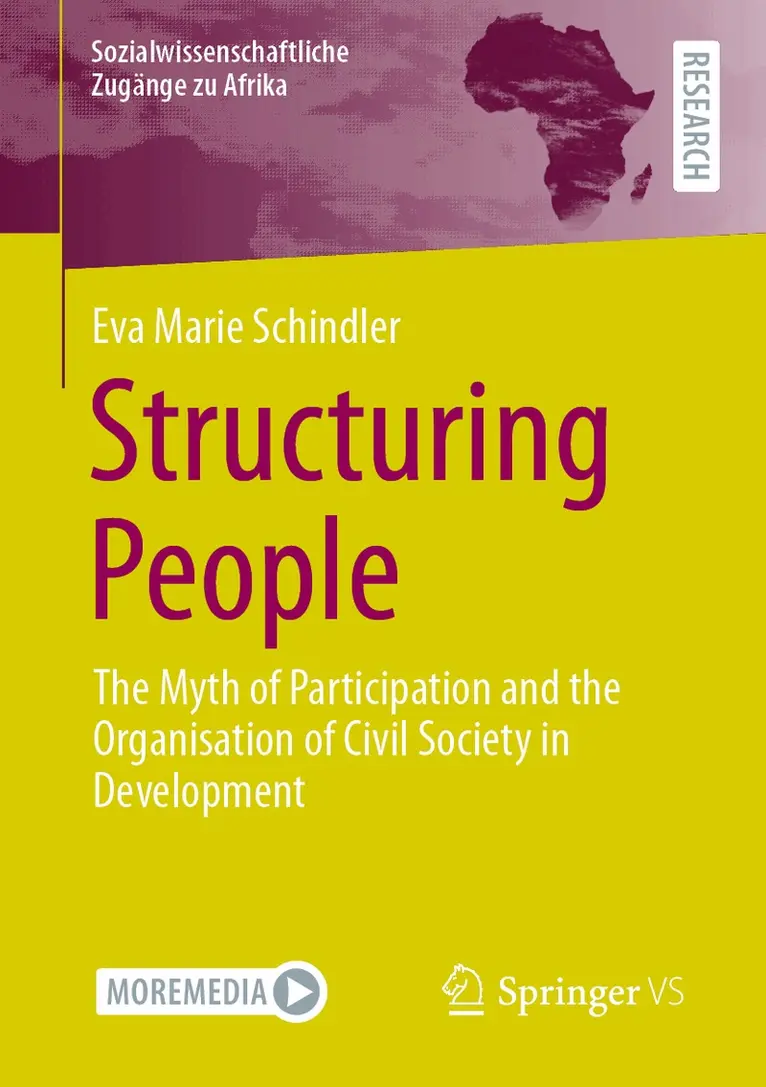
Participation has become an orthodoxy in the field of development, an essential element of projects and programmes. This book analyses participation in development interventions as an institutionalised expectation – a rationalized myth – and examines how organisations on different levels of government process it. At least two different objectives of participation are appropriate and legitimate for international organisations in the field: the empowerment of local beneficiaries and the achievement of programme goals. Both integrate participatory forums into the organisational logic of development interventions. Local administrations react to the institutionalised expectation with means-ends decoupling, where participatory forums are implemented superficially but de facto remain marginalised in local administrative processes and activities. The book furthermore provides a thick description of the organisationality of participation in development interventions. Participatory forums areshown to be a form of partial organisation. They establish an order in the relationship between administrations and citizens through the introduction of rules and the creation of a defined membership. At the same time, this order is found to be fragile and subject to criticism and negotiation.
Häftad, Engelska, 2023
1 012 kr
Skickas inom 10-15 vardagar
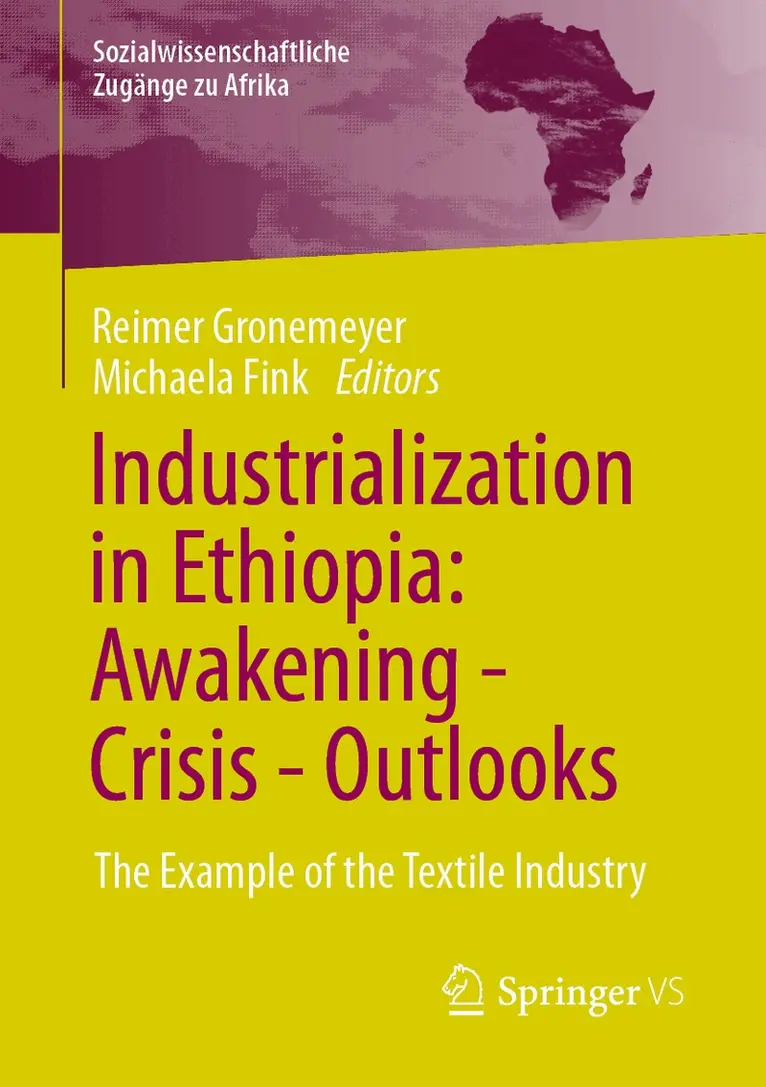
Ethiopia, though remaining one of the least urbanised countries in the world, has taken impressive actions to transform the state into a more industrialized nation.Several industrial parks have been built in recent years throughout the whole country. The textile sector is one of these sectors. The textile industry is expected to provide employment for hundreds of thousands and thus improve people's living conditions and contribute to the development of the country. Major reason for asian investors to shift their focus to Ethiopia are extremely low wages and the lower production costs involved. The Ethiopian textile industry has to deal with high rates of labor turnover and absenteeism. From the perspective of the mostly international managers the reason for turnover and absenteeism is often attributed to the 'mindset' of the predominantly female workforce. A research project financed by the German Bundesministerium für wirtschaftliche Zusammenarbeit und Entwicklung is looking at reasons and possible measures to solve this problem. Results of this project (conducted at the University of Giessen by Michaela Fink and Reimer Gronemeyer together with Ethiopian colleagues are presented in this book. Experts from Ethiopia and Germany are presenting the history of the textile industry in Ethiopia and the coming development. All this is framed by the discussion of present crisis - Covid-19; the war - in Ethiopia).