Steam Around ... - Böcker
Visar alla böcker i serien Steam Around .... Handla med fri frakt och snabb leverans.
5 produkter
5 produkter
178 kr
Skickas
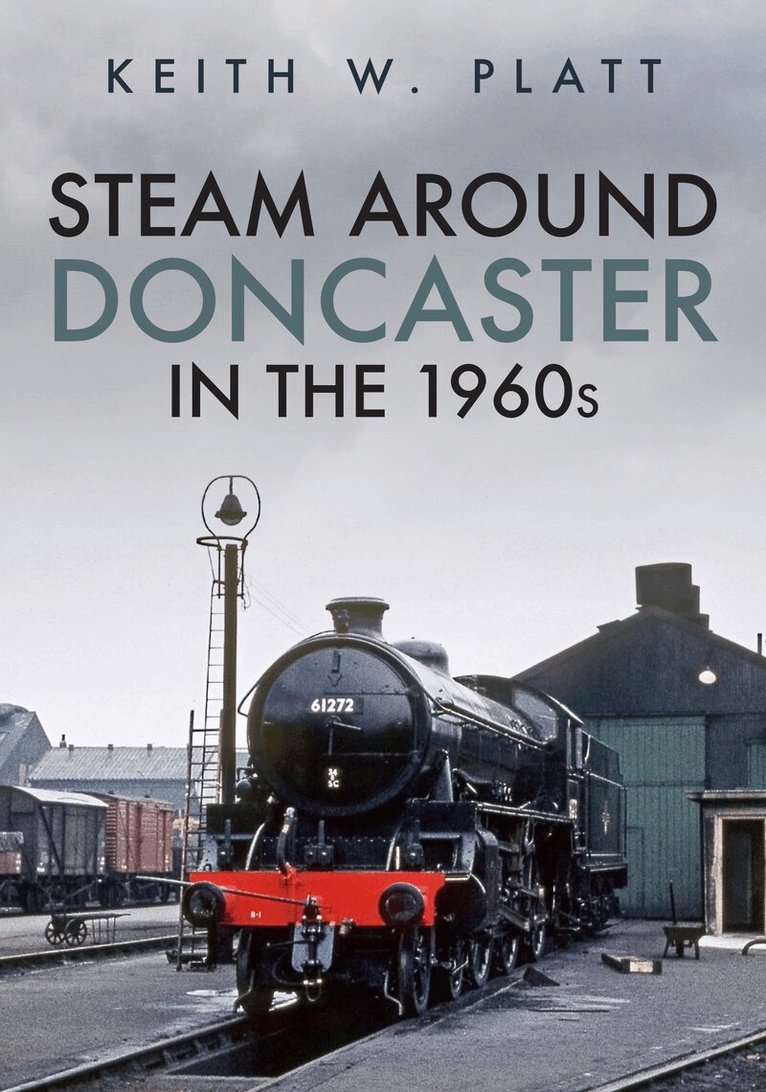
The 1960s saw the final hurrah of steam on the railways – the final period of steam-powered locomotives dominating the main line. This meant that a colourful array of traffic could be found across the length and breadth of Great Britain, and an army of enthusiasts both young and old dutifully recorded the nation’s rail scene. Here, in the first of a new series of book celebrating the steam of 1960s Britain, Keith W. Platt looks back at the fascinating array of traffic that could be found around the railway town of Doncaster.Packed with previously unpublished images, this is a book that will delight anybody with memories of steam around Doncaster or an enthusiasm for the area’s railways or history.
178 kr
Skickas
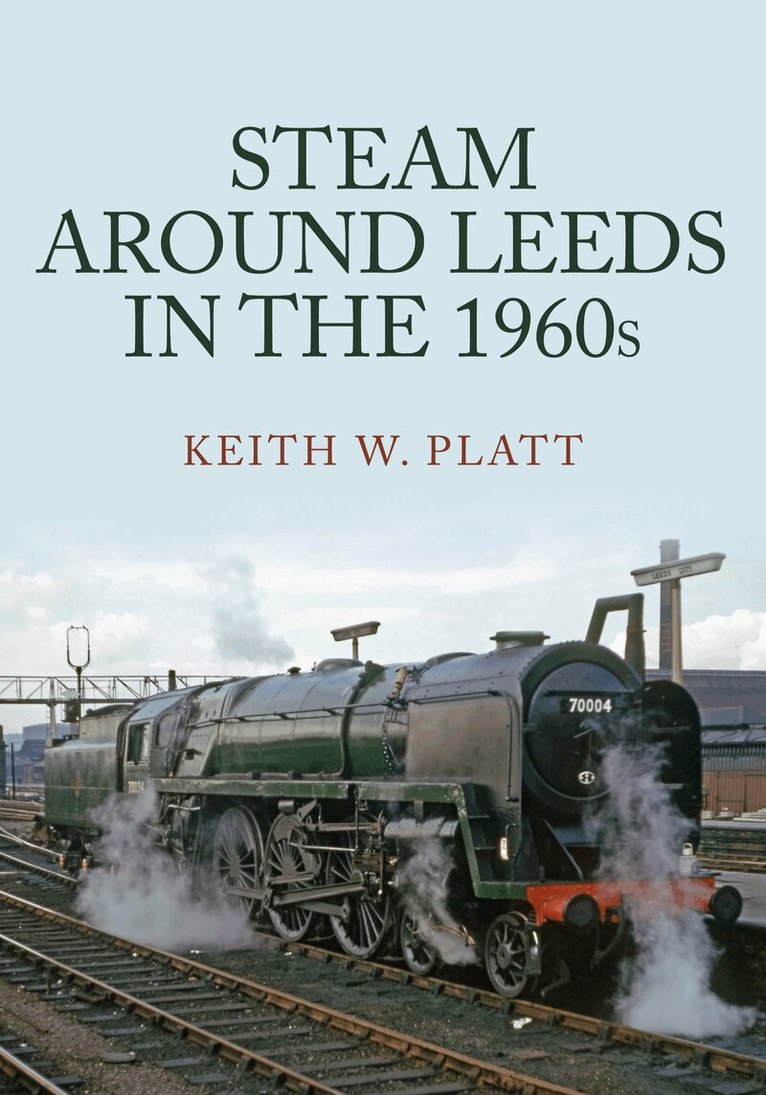
The 1960s saw the final hurrah of steam on the railways – the final period of steam-powered locomotives dominating the main line. This meant that a colourful array of traffic could be found across the length and breadth of Great Britain, and an army of enthusiasts both young and old dutifully recorded the nation’s rail scene. Here, in the first of a new series of book celebrating the steam of 1960s Britain, Keith W. Platt looks back at the variety that could be found on the railways around Leeds.Packed with previously unpublished images, this is a book that will delight anybody with memories of steam around Leeds or an enthusiasm for the area’s railways or history.
172 kr
Skickas
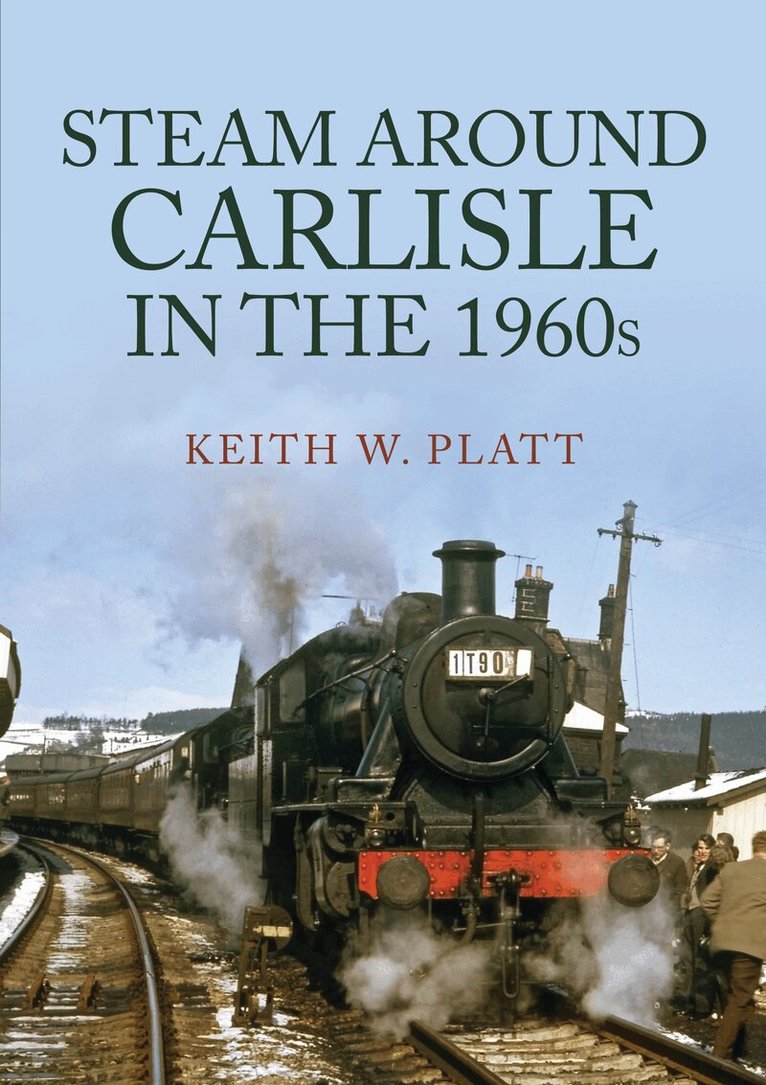
The 1960s saw the last hurrah of steam on the railways – the final period of steam-powered locomotives dominating the main line. This meant that a colourful array of traffic could be found across the length and breadth of Great Britain, and an army of enthusiasts both young and old dutifully recorded the nation’s rail scene. Here, in the first of a new series of books celebrating the steam of 1960s Britain, Keith W. Platt looks back at the wide range of traffic that could be found on the busy railways around Carlisle.This book is packed with a vibrant selection of previously unpublished images, and will delight anyone with memories of steam around Carlisle or an enthusiasm for the area’s railways or history.
178 kr
Skickas
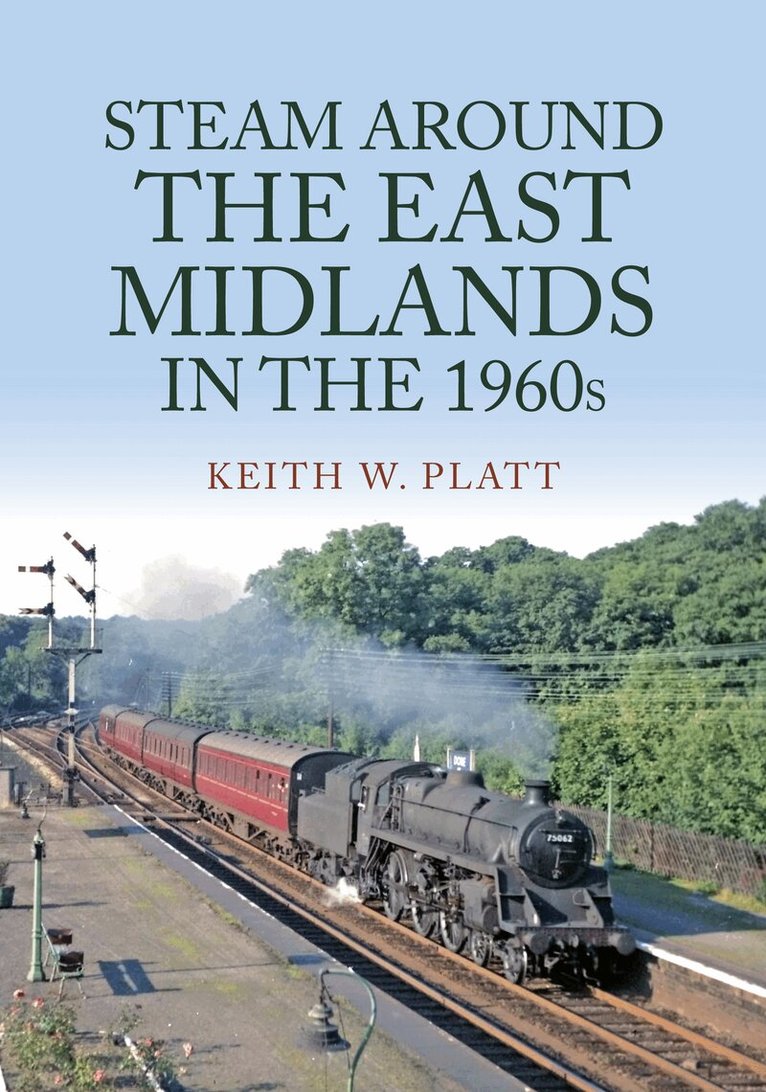
The 1960s saw the last hurrah for steam on the railways – the final period of steam-powered locomotives dominating the main line. This meant that a colourful array of traffic could be found across the length and breadth of Great Britain, and an army of enthusiasts, both young and old, dutifully recorded the nation’s rail scene. Here, Keith W. Platt looks back at the wide range of traffic that could be found all around the railways of the East Midlands. Packed with previously unpublished images, this is a book that will delight anybody with memories of steam in the East Midlands or an enthusiasm for the area’s railways and history.
210 kr
Skickas
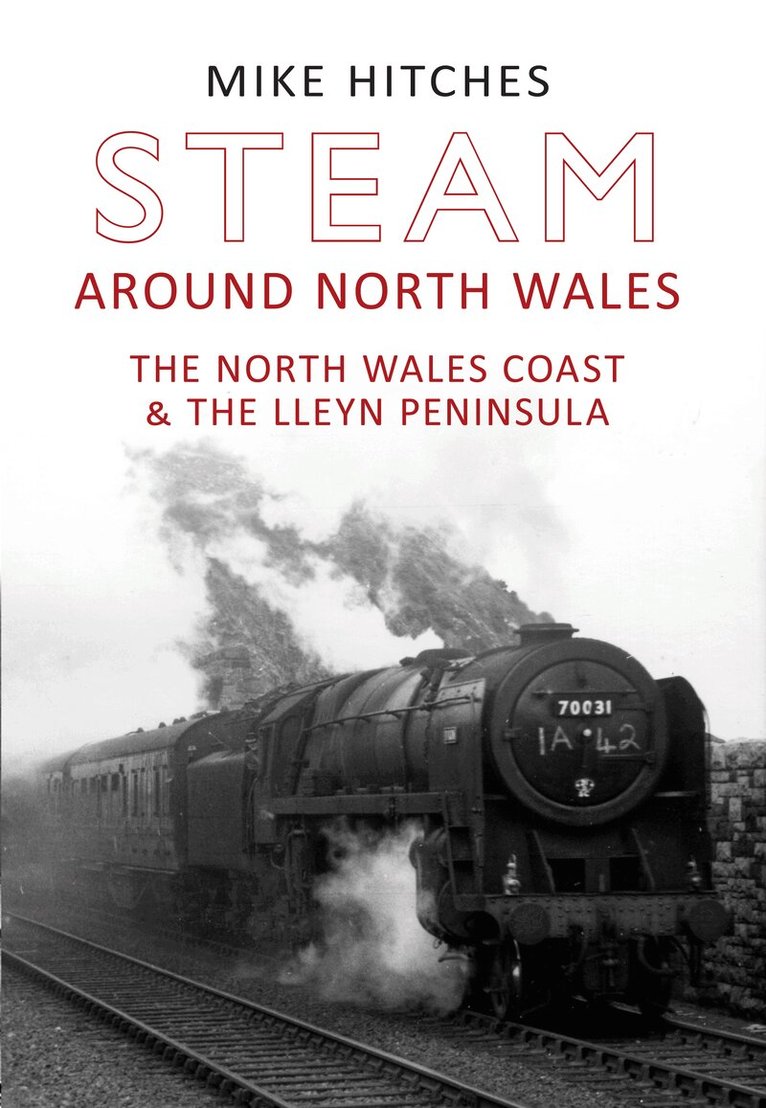
The North Wales landscape contains everything from steelworks and collieries to national parks and seaside resorts. Thus, there was plenty of traffic to interest the various railway companies that would be established in the area. The main reason for a railway in North Wales, however, was to create a speedier link between Westminster and Ireland. Although the most important railway in North Wales was the Chester & Holyhead, the first to enter the locality was the Shrewsbury & Chester Railway, opened in 1846. The C&HR was opened two years later to connect London with Ireland via Holyhead. From these early beginnings, we explore the whole history of the railways in the area, through mergers and grouping, and the trains that ran on the lines, from 'The Irish Mail' to 'The Welsh Dragon' and summer excursion trains. Despite the 'Modernisation Plan' and 'Beeching Report', the lines to Holyhead and the Cambrian would, once again, see steam as preserved locos headed excursions from 1989 onwards, reliving those wonderful steam days. In Steam Around North Wales, Mike Hitches explores the railway history of the area in the glory days of steam. Days when the railway formed an important part of the infrastructure and thousands of passengers used the trains. Mike covers shed allocations, timetables and preserved lines in this well-illustrated book.