Studies in Byzantine Cultural History – serie
Visar alla böcker i serien Studies in Byzantine Cultural History. Handla med fri frakt och snabb leverans.
13 produkter
13 produkter
Häftad, Engelska, 2023
607 kr
Skickas inom 10-15 vardagar
Experiencing the Last Judgement opens up new ways of understanding a Byzantine image type that has hitherto been considered largely uniform in its manifestations and to a great extent frightening, coercive and paralysing. It moves beyond a purely didactic understanding of the Byzantine image of the Last Judgement, as a visual eschatological text to be ‘read’ and learned from, and proposes instead an appreciation of each unique image as a dynamic site to be experienced. Paintings, icons and mosaics from the tenth to the fourteenth century, from inside and outside of the Byzantine Empire, are placed within their specific socio-historical milieus, their immediate decorative programmes and their architectural contexts to demonstrate that each unique image constituted a carefully orchestrated and immersive experience of judgement. Each case study outlines the differences that exist in reality between these images that are often subsumed under one iconographic label, making a case against condensing dynamic, lived images into apparently static pictorial ‘types’. Images of the Last Judgement needed the body, mind and memory of the viewer for the creation of meaning, and so the experience of these images was unavoidably spatial, gendered, corporeal, mnemonic, emotional, rhetorical and most often liturgical. Unpacking Byzantine images of judgement in light of these various facets of experience for the first time helps to elucidate the interaction of past individuals with the image, and the ways in which such encounters were intended to benefit the communities that made and lived alongside them.
Inbunden, Engelska, 2023
2 293 kr
Skickas inom 10-15 vardagar
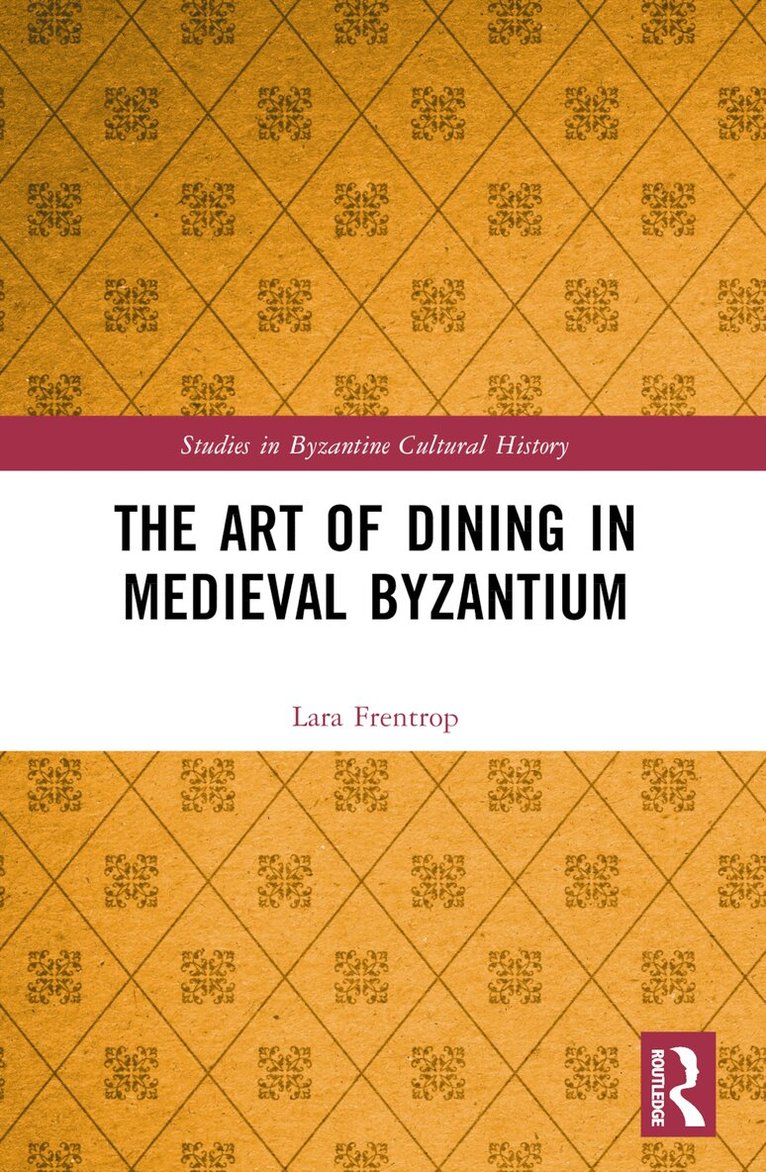
Thousands of intact ceramic bowls and plates as well as fragments made in the medieval Byzantine empire survive to this day. Decorated with figural and non-figural imagery applied in a variety of techniques and adorned with colourful paints and glazes, the vessels can tell us much about those who owned them and those who looked at them. In addition to innumerable ceramic vessels, a handful of precious metal bowls and plates survive from the period. Together, these objects make up the art of dining in medieval Byzantium. This art of dining was effervescent, at turns irreverent and deadly serious, visually stunning and fun. It is suggestive of ways in which those viewing the objects used a quotidian and biologically necessary (f)act – that of eating – to reflect on their lives and deaths, their aspirations and their realities.This book examines the ceramic and metal vessels in terms of the information offered on the foods eaten, the foods desired and their status; the spectacle of the banquet; the relationship between word and image in medieval Byzantium; the dangers of taste; the emergence of new moral and social ideals; and the use of dining as a tool in constructing and enforcing hierarchy.This book is of appeal to scholarly and non-scholarly audiences interested in the art and material culture of the medieval period and in the social history of food and eating.
Inbunden, Engelska, 2021
2 222 kr
Skickas inom 10-15 vardagar
Experiencing the Last Judgement opens up new ways of understanding a Byzantine image type that has hitherto been considered largely uniform in its manifestations and to a great extent frightening, coercive and paralysing. It moves beyond a purely didactic understanding of the Byzantine image of the Last Judgement, as a visual eschatological text to be ‘read’ and learned from, and proposes instead an appreciation of each unique image as a dynamic site to be experienced. Paintings, icons and mosaics from the tenth to the fourteenth century, from inside and outside of the Byzantine Empire, are placed within their specific socio-historical milieus, their immediate decorative programmes and their architectural contexts to demonstrate that each unique image constituted a carefully orchestrated and immersive experience of judgement. Each case study outlines the differences that exist in reality between these images that are often subsumed under one iconographic label, making a case against condensing dynamic, lived images into apparently static pictorial ‘types’. Images of the Last Judgement needed the body, mind and memory of the viewer for the creation of meaning, and so the experience of these images was unavoidably spatial, gendered, corporeal, mnemonic, emotional, rhetorical and most often liturgical. Unpacking Byzantine images of judgement in light of these various facets of experience for the first time helps to elucidate the interaction of past individuals with the image, and the ways in which such encounters were intended to benefit the communities that made and lived alongside them.
Häftad, Engelska, 2026
685 kr
Kommande
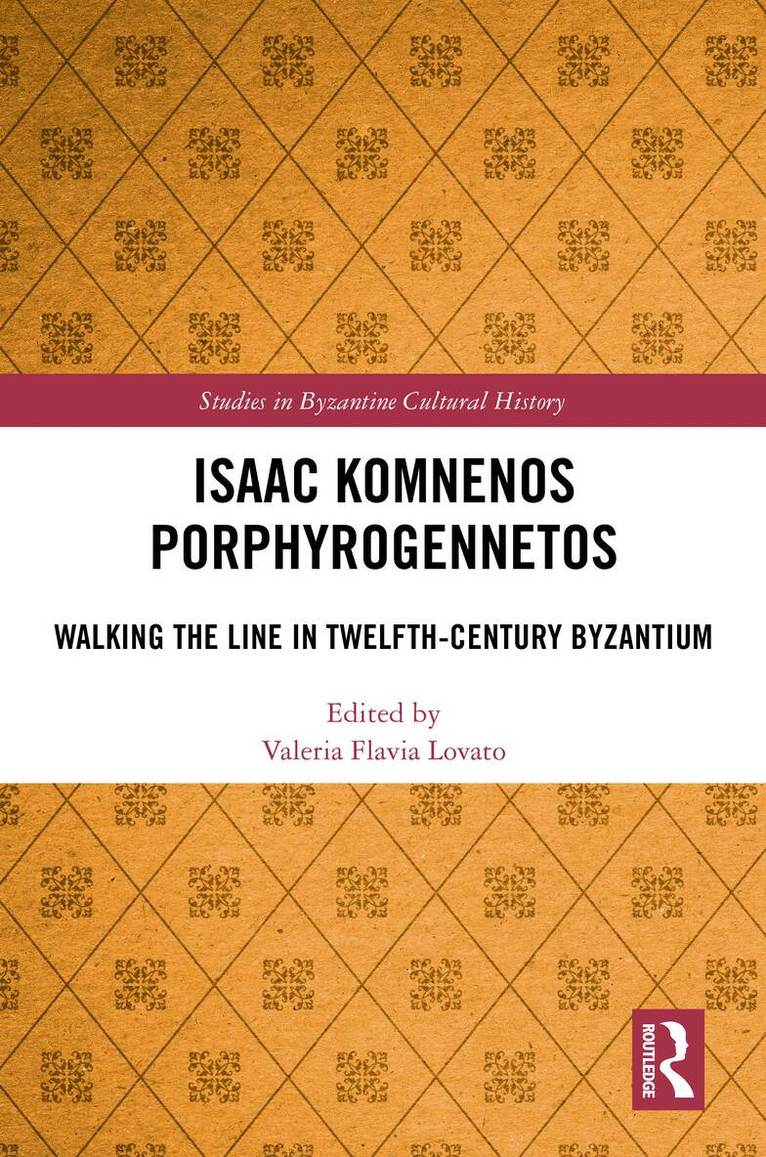
Twelfth-century Byzantium is characterized by a striking artistic vitality and profound socio-political changes. The Constantinopolitan elites, led by the Komnenian dynasty initiated by Alexios I, were the driving force behind the renewed intellectual landscape and power dynamics of the century. Despite the wealth of studies devoted to the Komnenians, the sebastokrator Isaac (1093–after 1152) has received limited attention in modern scholarship.Yet, Isaac is a fascinating figure at the crossroads of different worlds. He was an intellectual, the author of the first running commentary on the Iliad ever written in Byzantium. He was a patron, sponsoring magnificent buildings and supporting artists in and outside the capital. He was a would-be usurper, attempting to seize the throne several times. He was a shrewd diplomat, forging alliances with Armenian, Turkish, and Latin rulers.Modern scholars have so far failed to see the interplay between Isaac’s multiple personae. Isaac the scholar is rarely brought into conversation with Isaac the usurper, Isaac the patron, or Isaac the world traveller. Bringing together experts from a range of disciplines, this book fills a significant gap in the literature. As the first comprehensive study of one of the protagonists of the Komnenian era, it is essential reading for students of the Byzantine Empire. In addition, the portrait of Isaac presented here provides scholars of pre-modern civilizations with a relevant case study. By exposing the permeability of the theoretical and geographical ‘borders’ we use to conceptualize the past, Isaac epitomizes the interconnectedness at the heart of the so-called Global Middle Ages.
Inbunden, Engelska, 2024
2 079 kr
Skickas inom 10-15 vardagar
Twelfth-century Byzantium is characterized by a striking artistic vitality and profound socio-political changes. The Constantinopolitan elites, led by the Komnenian dynasty initiated by Alexios I, were the driving force behind the renewed intellectual landscape and power dynamics of the century. Despite the wealth of studies devoted to the Komnenians, the sebastokrator Isaac (1093–after 1152) has received limited attention in modern scholarship.Yet, Isaac is a fascinating figure at the crossroads of different worlds. He was an intellectual, the author of the first running commentary on the Iliad ever written in Byzantium. He was a patron, sponsoring magnificent buildings and supporting artists in and outside the capital. He was a would-be usurper, attempting to seize the throne several times. He was a shrewd diplomat, forging alliances with Armenian, Turkish, and Latin rulers.Modern scholars have so far failed to see the interplay between Isaac’s multiple personae. Isaac the scholar is rarely brought into conversation with Isaac the usurper, Isaac the patron, or Isaac the world traveller. Bringing together experts from a range of disciplines, this book fills a significant gap in the literature. As the first comprehensive study of one of the protagonists of the Komnenian era, it is essential reading for students of the Byzantine Empire. In addition, the portrait of Isaac presented here provides scholars of pre-modern civilizations with a relevant case study. By exposing the permeability of the theoretical and geographical ‘borders’ we use to conceptualize the past, Isaac epitomizes the interconnectedness at the heart of the so-called Global Middle Ages.
Inbunden, Engelska, 2023
2 019 kr
Skickas inom 10-15 vardagar
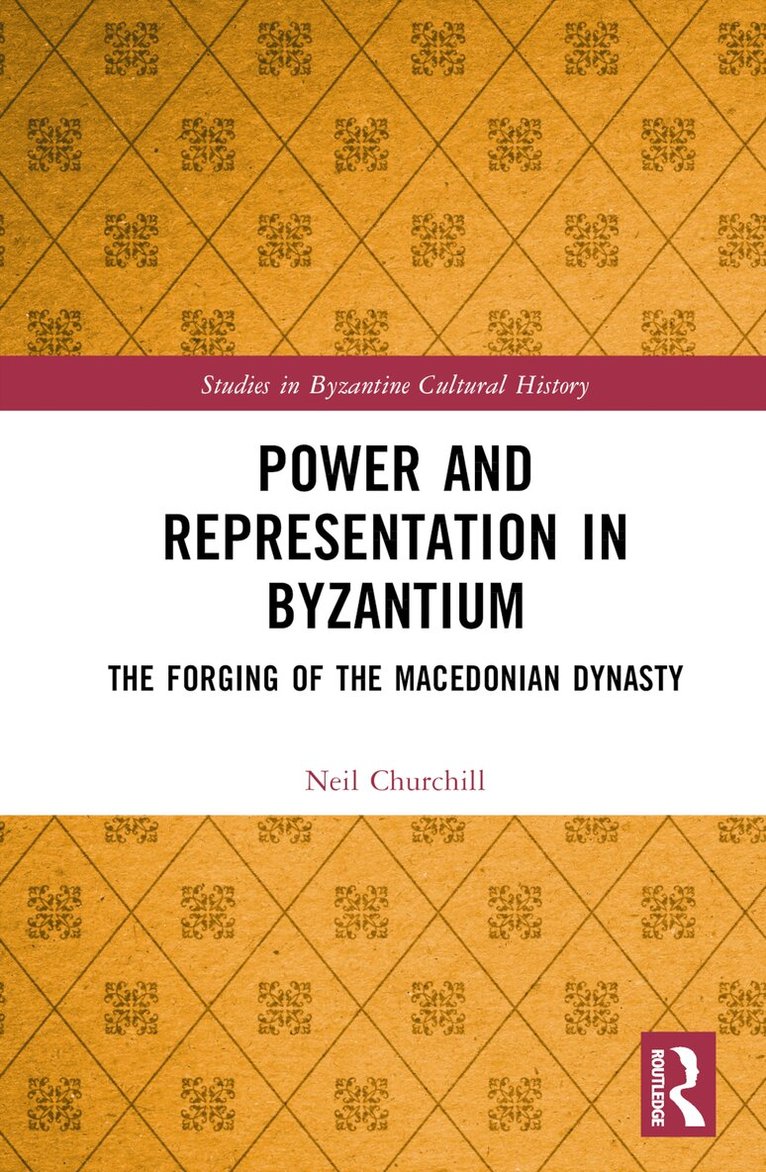
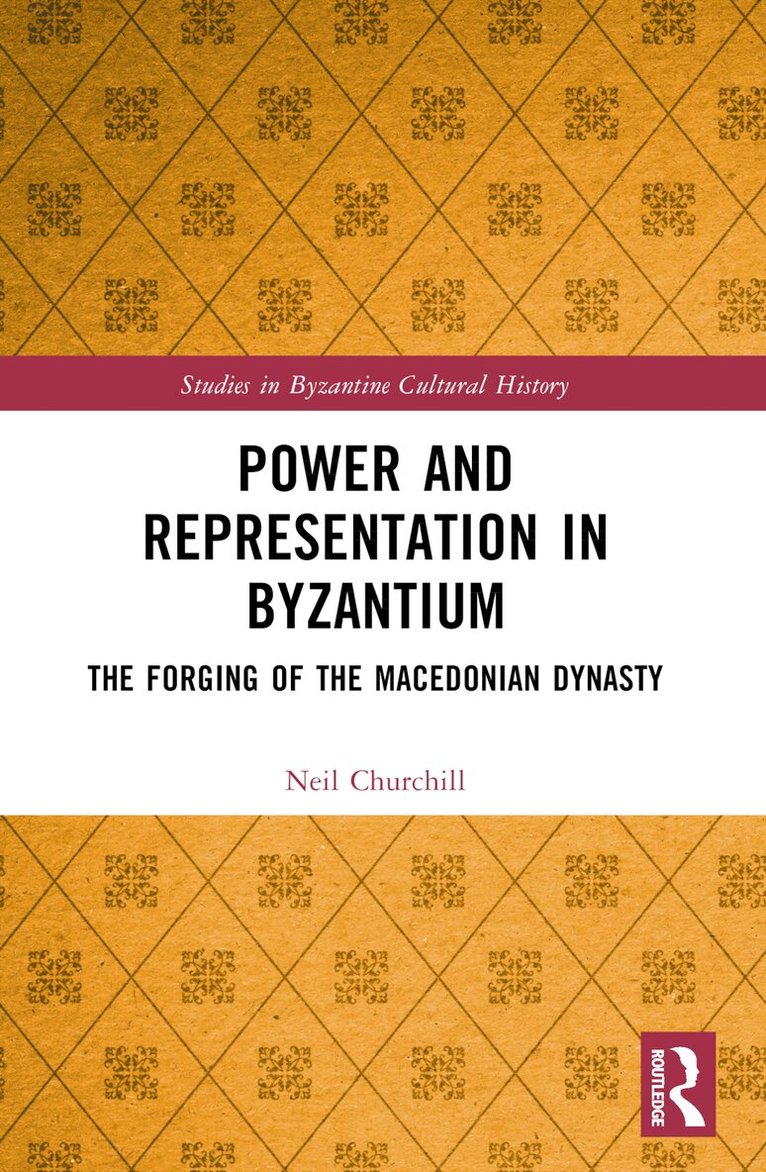
Throughout the history of Byzantium 65 emperors were dethroned and only 39 reigns ended peacefully. How might a usurper get away with murdering his predecessor? And how could a bloody act of regicide lead to one of the most glorious of all eras in Byzantium? These were questions that puzzled Michael Psellos as he looked back at Basil I’s assassination of Michael III and the origin of the Macedonian dynasty. Might the imperial art of Basil, his sons and grandson help to explain how the dynasty overcame its violent beginnings and secured the loyalty of its subjects?It has long been recognised that the early Macedonian emperors were active propagandists but royal art has usually been viewed thematically over the span of centuries. Official iconography has been understood to project imperial power in ways which were impersonal and unchanging. This book instead adopts a chronological approach and considers how Basil justified his seizure of power, and how his successors went on to articulate their own ideas about authority. It concludes that imperial art did at times reflect the personality of the emperor and the political demands of the moment, such as the need for an heir, the nature of court politics or the choice of successor. This innovative account of the forging of the Macedonian dynasty will appeal to those interested in how early medieval kings and emperors used art to create their own image, to differentiate themselves from rivals and to extend the boundaries of their personal power.
Häftad, Engelska, 2025
645 kr
Skickas inom 10-15 vardagar
Throughout the history of Byzantium 65 emperors were dethroned and only 39 reigns ended peacefully. How might a usurper get away with murdering his predecessor? And how could a bloody act of regicide lead to one of the most glorious of all eras in Byzantium? These were questions that puzzled Michael Psellos as he looked back at Basil I’s assassination of Michael III and the origin of the Macedonian dynasty. Might the imperial art of Basil, his sons and grandson help to explain how the dynasty overcame its violent beginnings and secured the loyalty of its subjects?It has long been recognised that the early Macedonian emperors were active propagandists but royal art has usually been viewed thematically over the span of centuries. Official iconography has been understood to project imperial power in ways which were impersonal and unchanging. This book instead adopts a chronological approach and considers how Basil justified his seizure of power, and how his successors went on to articulate their own ideas about authority. It concludes that imperial art did at times reflect the personality of the emperor and the political demands of the moment, such as the need for an heir, the nature of court politics or the choice of successor. This innovative account of the forging of the Macedonian dynasty will appeal to those interested in how early medieval kings and emperors used art to create their own image, to differentiate themselves from rivals and to extend the boundaries of their personal power.
Häftad, Engelska, 2024
607 kr
Skickas inom 10-15 vardagar
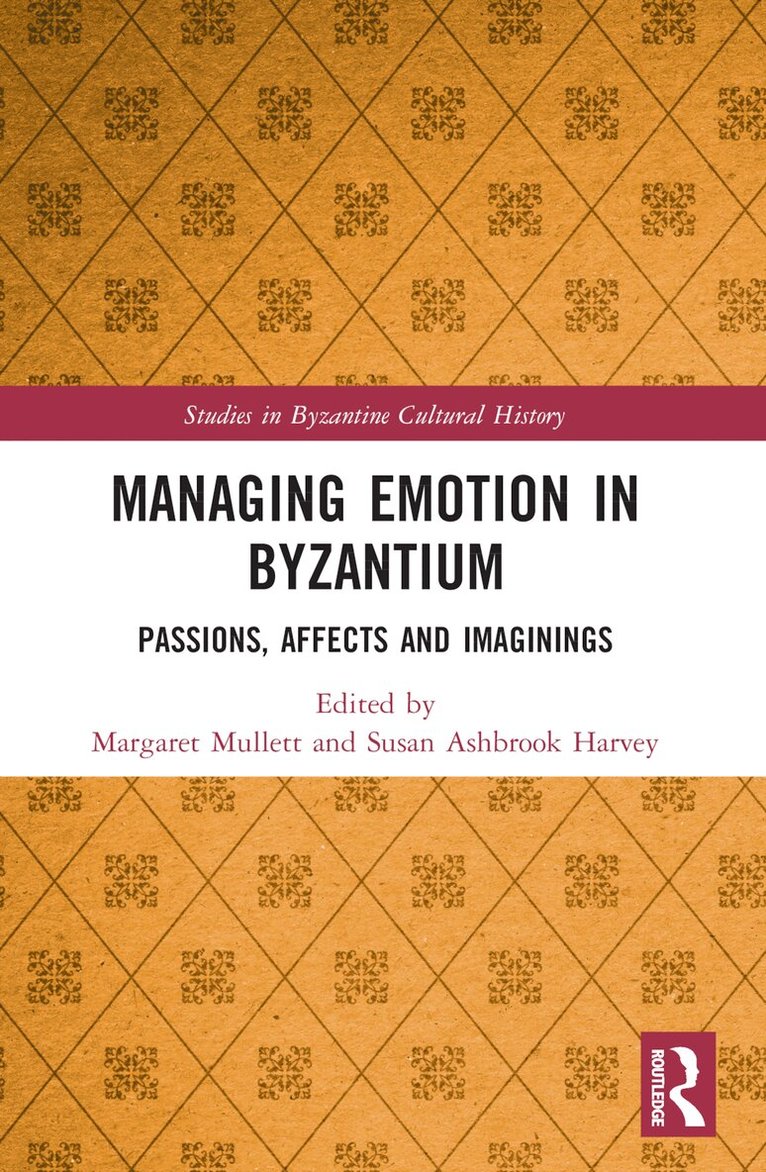
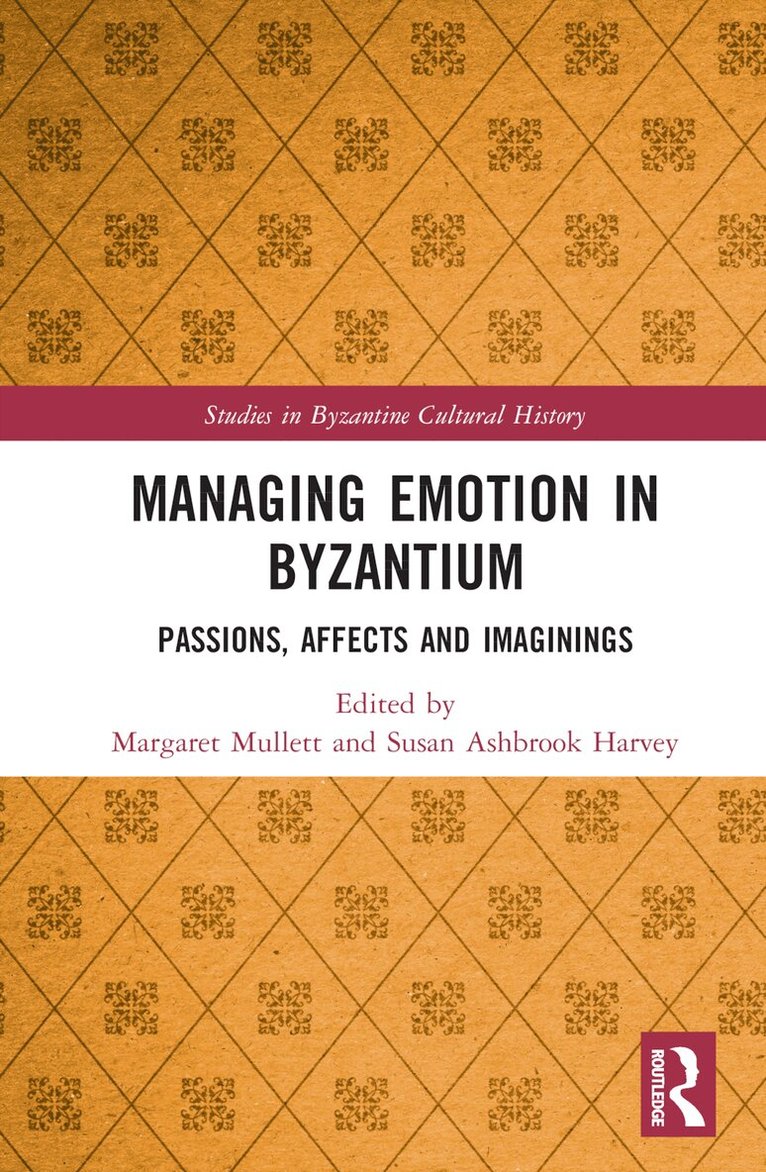
Byzantinists entered the study of emotion with Henry Maguire’s ground-breaking article on sorrow, published in 1977. Since then, classicists and western medievalists have developed new ways of understanding how emotional communities work and where the ancients’ concepts of emotion differ from our own, and Byzantinists have begun to consider emotions other than sorrow. It is time to look at what is distinctive about Byzantine emotion.This volume is the first to look at the constellation of Byzantine emotions. Originating at an international colloquium at Dumbarton Oaks, these papers address issues such as power, gender, rhetoric, or asceticism in Byzantine society through the lens of a single emotion or cluster of emotions. Contributors focus not only on the construction of emotions with respect to perception and cognition but also explore how emotions were communicated and exchanged across broad (multi)linguistic, political and social boundaries. Priorities are twofold: to arrive at an understanding of what the Byzantines thought of as emotions and to comprehend how theory shaped their appraisal of reality.Managing Emotion in Byzantium will appeal to researchers and students alike interested in Byzantine perceptions of emotion, Byzantine Culture, and medieval perceptions of emotion.
Inbunden, Engelska, 2024
2 079 kr
Skickas inom 10-15 vardagar
In 1963 a collection of fifty-seven silver vessels was discovered during illegal excavations by villagers in Antalya Province, Turkey. The Sion Treasure, named after the inscription ‘Holy Sion’ on several vessels in the hoard, is now divided between five collections: Antalya Museum (Turkey), Dumbarton Oaks (United States), a private collection in Geneva, the Digby-Jones collection and Hewett collection (United Kingdom).This book builds on the studies of the Sion Treasure and examines questions regarding silver mining, manufacture, and the economic and cultural role of the silver vessels. It considers the treasure using the concept of the cultural biography of objects. The vessels from the Sion Treasure have not previously been considered in this context and the book highlights the fact that the value and significance of the objects at the time they were created does not lie exclusively in their visual characteristics and aesthetics since their relationship to, and with, people is also significant. While their functionality lends them one life story, another biography is gained through their users: the producers, patrons, and individuals within the church, not only the clergy, who engaged with the objects.The Sion Treasure Reconsidered will appeal to students and scholars alike interested in Byzantine cultural and material history and medieval material history in general.
Häftad, Engelska, 2025
664 kr
Skickas inom 10-15 vardagar
In 1963 a collection of fifty-seven silver vessels was discovered during illegal excavations by villagers in Antalya Province, Turkey. The Sion Treasure, named after the inscription ‘Holy Sion’ on several vessels in the hoard, is now divided between five collections: Antalya Museum (Turkey), Dumbarton Oaks (United States), a private collection in Geneva, the Digby-Jones collection and Hewett collection (United Kingdom).This book builds on the studies of the Sion Treasure and examines questions regarding silver mining, manufacture, and the economic and cultural role of the silver vessels. It considers the treasure using the concept of the cultural biography of objects. The vessels from the Sion Treasure have not previously been considered in this context and the book highlights the fact that the value and significance of the objects at the time they were created does not lie exclusively in their visual characteristics and aesthetics since their relationship to, and with, people is also significant. While their functionality lends them one life story, another biography is gained through their users: the producers, patrons, and individuals within the church, not only the clergy, who engaged with the objects.The Sion Treasure Reconsidered will appeal to students and scholars alike interested in Byzantine cultural and material history and medieval material history in general.
Inbunden, Engelska, 2026
2 481 kr
Skickas inom 10-15 vardagar
The Buildings is a sixth-century text by Prokopios of Kaisareia (Caesarea Maritima) on the building works attributed to the eastern Roman emperor Justinian I (r. 527–65 CE), extolling the virtues of good rulership through praise of architecture. Book I centres on the imperial capital Constantinople: rich in its use of rhetoric and aesthetics, it portrays the emperor as a builder-patron, but also portrays the city itself as a place of beauty and delight to its inhabitants. Several of the buildings described in Book I – such as Hagia Sophia – are extant today; they and others are also documented in a range of historical sources that allow us to compare Prokopios’s account with that of his contemporaries, and to observe the legacy and changing uses of the spaces he describes into the Middle Ages.Fashioning Sixth-Century Constantinople presents an all-new English translation of Book I paired with a revised edition of the Greek text. It is accompanied by a detailed interdisciplinary commentary, informed by the respective disciplines of philology, history, archaeology and art history, but bringing a new perspective through cross-disciplinary collaboration, especially on points of technical and topographical descriptions, aiming at the most comprehensive and up-to-date commentary of the text.This book will appeal to scholars and students of Byzantine literature, history, art and archaeology, as well as those interested in the florescence of Byzantine Constantinople.This volume originates in the project ‘Procopius and the Language of Buildings’ (2018–2022), funded by the Deutsche Forschungsgemeinschaft and hosted by the Universities of Mainz and Halle-Wittenberg.
Häftad, Engelska, 2025
645 kr
Skickas inom 10-15 vardagar
Thousands of intact ceramic bowls and plates as well as fragments made in the medieval Byzantine empire survive to this day. Decorated with figural and non-figural imagery applied in a variety of techniques and adorned with colourful paints and glazes, the vessels can tell us much about those who owned them and those who looked at them. In addition to innumerable ceramic vessels, a handful of precious metal bowls and plates survive from the period. Together, these objects make up the art of dining in medieval Byzantium. This art of dining was effervescent, at turns irreverent and deadly serious, visually stunning and fun. It is suggestive of ways in which those viewing the objects used a quotidian and biologically necessary (f)act – that of eating – to reflect on their lives and deaths, their aspirations and their realities.This book examines the ceramic and metal vessels in terms of the information offered on the foods eaten, the foods desired and their status; the spectacle of the banquet; the relationship between word and image in medieval Byzantium; the dangers of taste; the emergence of new moral and social ideals; and the use of dining as a tool in constructing and enforcing hierarchy.This book is of appeal to scholarly and non-scholarly audiences interested in the art and material culture of the medieval period and in the social history of food and eating.
Inbunden, Engelska, 2022
2 366 kr
Skickas inom 10-15 vardagar
Byzantinists entered the study of emotion with Henry Maguire’s ground-breaking article on sorrow, published in 1977. Since then, classicists and western medievalists have developed new ways of understanding how emotional communities work and where the ancients’ concepts of emotion differ from our own, and Byzantinists have begun to consider emotions other than sorrow. It is time to look at what is distinctive about Byzantine emotion.This volume is the first to look at the constellation of Byzantine emotions. Originating at an international colloquium at Dumbarton Oaks, these papers address issues such as power, gender, rhetoric, or asceticism in Byzantine society through the lens of a single emotion or cluster of emotions. Contributors focus not only on the construction of emotions with respect to perception and cognition but also explore how emotions were communicated and exchanged across broad (multi)linguistic, political and social boundaries. Priorities are twofold: to arrive at an understanding of what the Byzantines thought of as emotions and to comprehend how theory shaped their appraisal of reality.Managing Emotion in Byzantium will appeal to researchers and students alike interested in Byzantine perceptions of emotion, Byzantine Culture, and medieval perceptions of emotion.