Studies in Economic History and Policy - Böcker
Visar alla böcker i serien Studies in Economic History and Policy. Handla med fri frakt och snabb leverans.
2 produkter
2 produkter
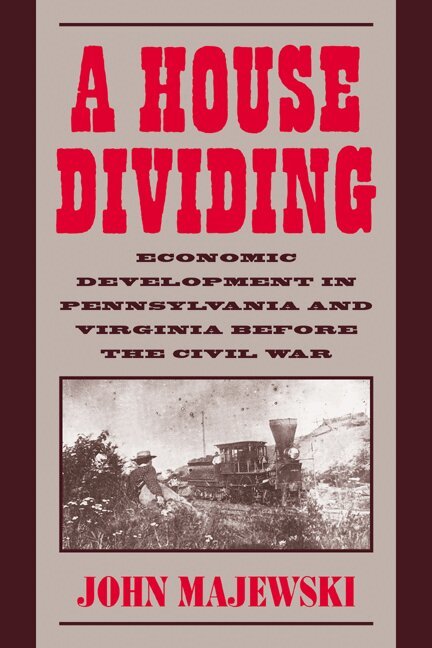
A House Dividing
Economic Development in Pennsylvania and Virginia before the Civil War
Häftad, Engelska, 2006
428 kr
Skickas inom 7-10 vardagar
A House Dividing compares Virginia and Pennsylvania to answer a crucial question of American history: how did slavery undermine the development of the southern economy? Extensive archival research reveals that in the first decades of the nineteenth century, local residents in each state financed transportation improvements to raise land values and spur commercial growth. In the 1830s, however, Philadelphia capitalists began financing Pennsylvania's railroad network, eventually building integrated systems that reached deep within the Midwest. Virginia's railroads, still dependent upon local investment and funds from the state government, remained a collection of local lines without western connections. The lack of a great city that could provide capital and traffic for large-scale railroads was the Achilles' heel of Virginia's slave economy. The chains of slavery, Virginians learned to their dismay, also shackled the invisible hand of the market.
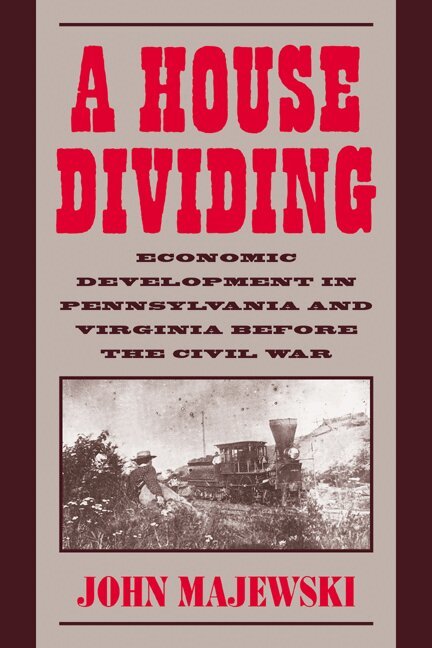
A House Dividing
Economic Development in Pennsylvania and Virginia before the Civil War
Inbunden, Engelska, 2000
618 kr
Skickas inom 7-10 vardagar
A House Dividing compares Virginia and Pennsylvania to answer a crucial question of American history: how did slavery undermine the development of the southern economy? Extensive archival research reveals that in the first decades of the nineteenth century, local residents in each state financed transportation improvements to raise land values and spur commercial growth. In the 1830s, however, Philadelphia capitalists began financing Pennsylvania's railroad network, eventually building integrated systems that reached deep within the Midwest. Virginia's railroads, still dependent upon local investment and funds from the state government, remained a collection of local lines without western connections. The lack of a great city that could provide capital and traffic for large-scale railroads was the Achilles' heel of Virginia's slave economy. The chains of slavery, Virginians learned to their dismay, also shackled the invisible hand of the market.