Studies in Ethics and Economics - Böcker
Visar alla böcker i serien Studies in Ethics and Economics. Handla med fri frakt och snabb leverans.
12 produkter
12 produkter
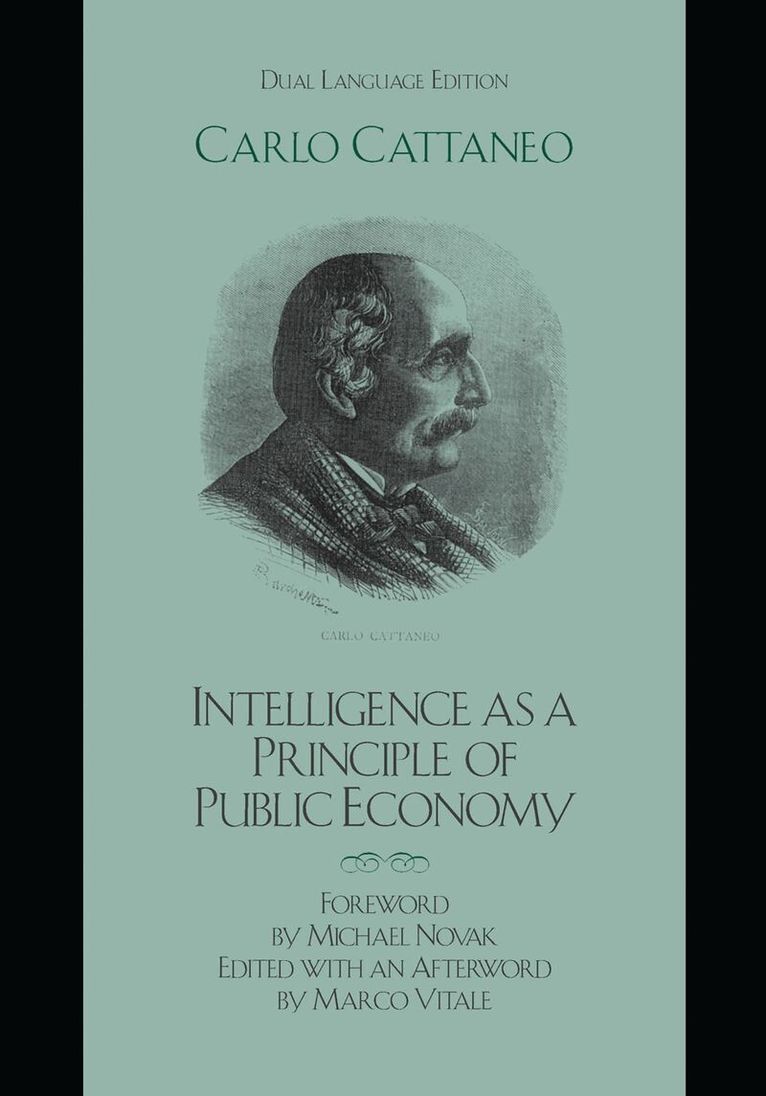
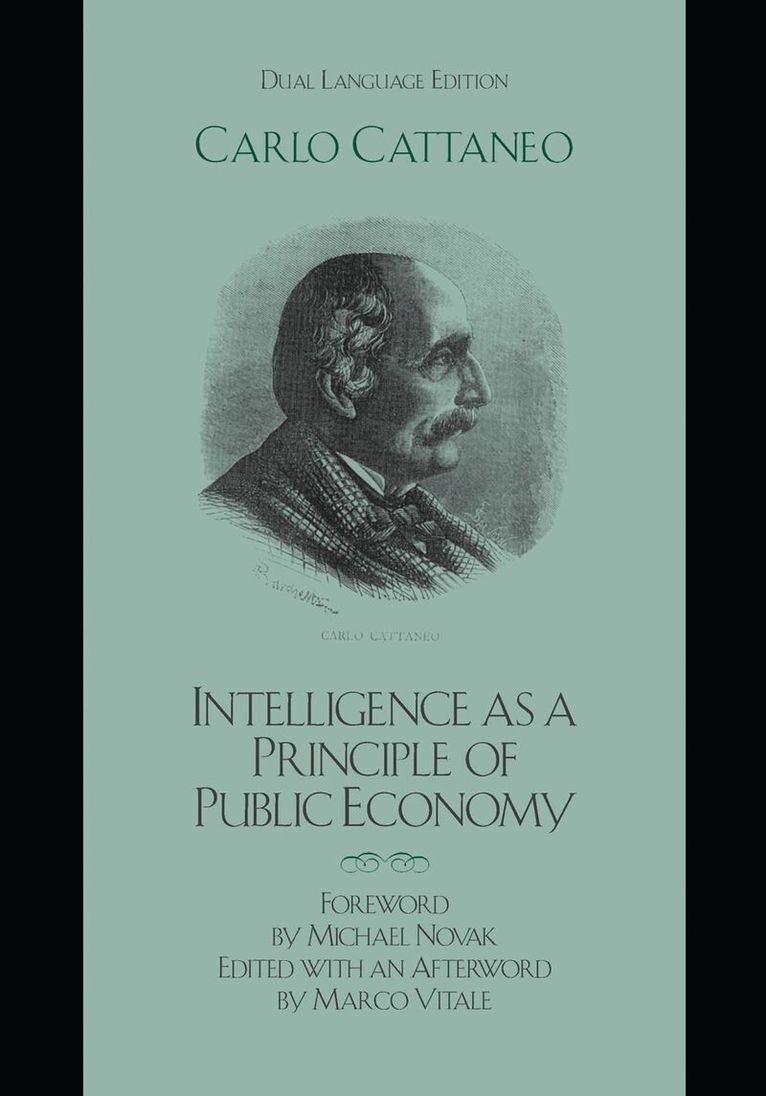
Intelligence as a Principle of Public Economy
Del pensiero come principio d'economia publica
Inbunden, Engelska, 2002
1 371 kr
Skickas inom 5-8 vardagar
Intelligence as a Principle of Public Economy offers the best expression of the life and thought of the nineteenth-century Italian political economist Carlo Cattaneo. Available here for the first time in English, this volume showcases pensiero come principio d'economia publica, Cattaneo's pioneering vision of economic growth that emphasized the central role of intelligence and will in economic processes, the value of knowledge and innovation, and the importance of liberty. This classic of Italian thought is framed by a long biographical sketch of Cattaneo's life before, during, and after the Italian Risorgimento and an afterword that demonstrates the continuing relevance of Cattaneo's social, political, and economic ideas to today's ongoing debate about the importance of a free society.
685 kr
Skickas inom 5-8 vardagar
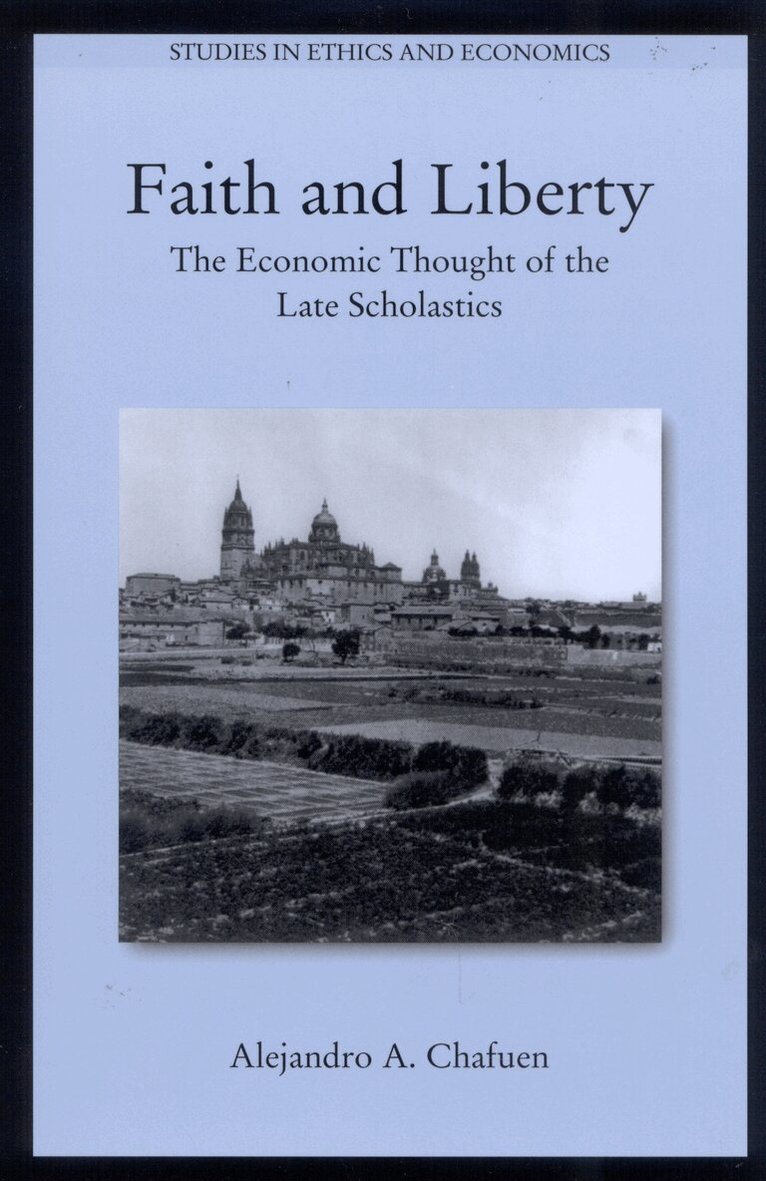
Most people think that free-market ideas and theories were first substanially developed in the eighteenth century by figures such as Adam Smith. In this revised edition of Faith and Liberty, Alejandro A. Chafuen illustrates this misconception by examining the sixteenth and seventeenth century writings of a group of Catholic theologians and philosophers. The Late- Scholastics, as they are called, were the first to engage in a systematic moral analysis of the ethical issues associated with trade and commerce. In doing so, they arrived at solutions that are in many senses indistinguishable from the ideas of many modern free market commentators. In this revised ediiton, Chafuen blosters his case by including recent and pertinent material which gives rise to new questions and concerns. Reading this book will force to consider what they understand to be an authentiaclly Christian approach to economic questions.
685 kr
Skickas inom 5-8 vardagar
Although free enterprise and free economies now proliferate around the globe, the idea of business as a holy vocation is one that has received little attention. Few business figures have depicted their professions in this light, as few have seen how their roles might bridge the divide between the economic and theological realms. François Michelin is an exception. Years of experience with the Michelin group—the company famous for introducing the radial tire that revolutionized the car industry—have convinced Michelin that the entrepreneur produces great moral and material good as he or she fulfills the myriad responsibilities of the job. In this illuminating series of interviews, Michelin explains his belief that the work of a business leader closely reflects God's creative act. And Why Not: Morality and Business argues convincingly for the valuation of a profound theological dimension of business life and advocates for a greater appreciation of men and women in business, on whose efforts the health of a nation stands.
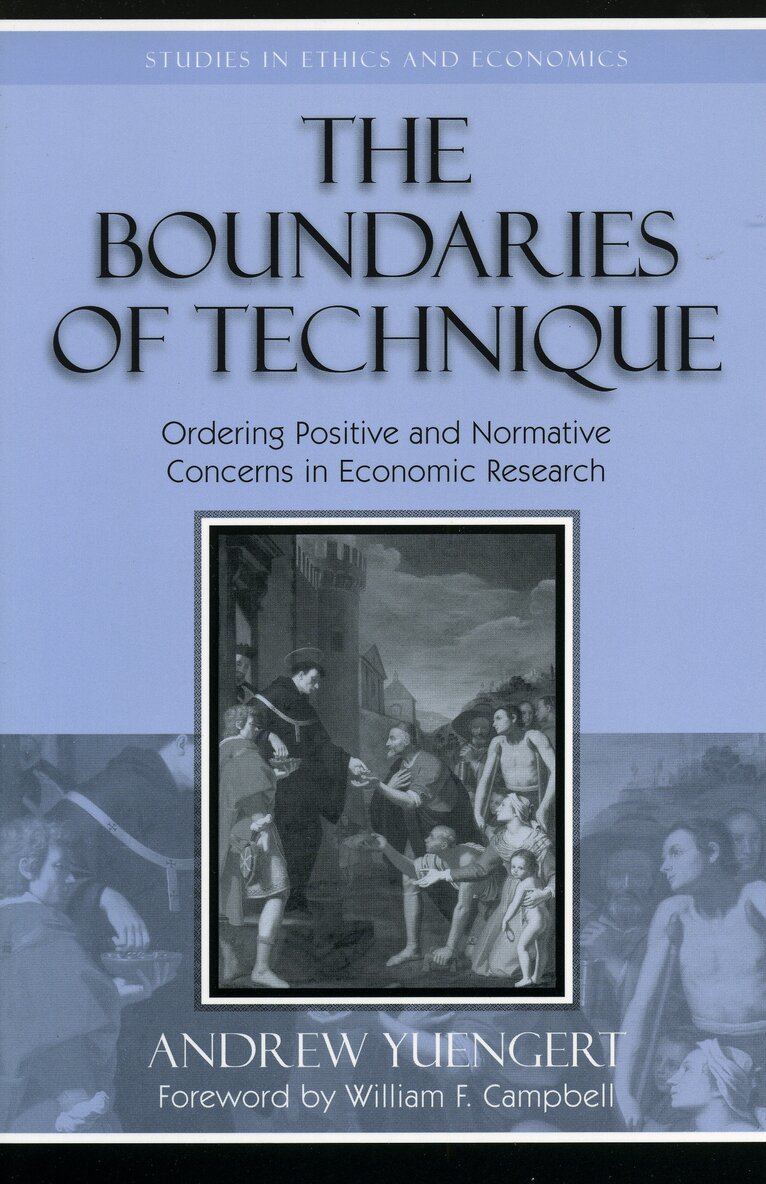
Boundaries of Technique
Ordering Positive and Normative Concerns in Economic Research
Häftad, Engelska, 2004
685 kr
Skickas inom 5-8 vardagar
In this engaging and thought-provoking new work, Andrew Yuengert uses the moral philosophy of Thomas Aquinas to offer a fresh perspective on the sharp distinctions currently drawn between economics and ethics. In contract to modern philosophical approaches, which focus on the contrast between is and ought statements, a Thomistic analysis begins with the actions of economic researchers. This approach reconciles two popular extreme positions: economics as ethical at every turn, and economics as morally neutral. Exploring recent controversies over the role of ethics in economics, The Boundaries of Technique encourages scholars and students to discover and debate the ways in which economics is insulated from ethics, and the ways in which it is dependent upon it. Ultimately, by bringing readers to a deeper awareness of the intrinsic involvement of the individual and the responsibility of moral choice, Yuengert makes an invaluable contriubtion to the study and practice of economics.
1 409 kr
Skickas inom 5-8 vardagar
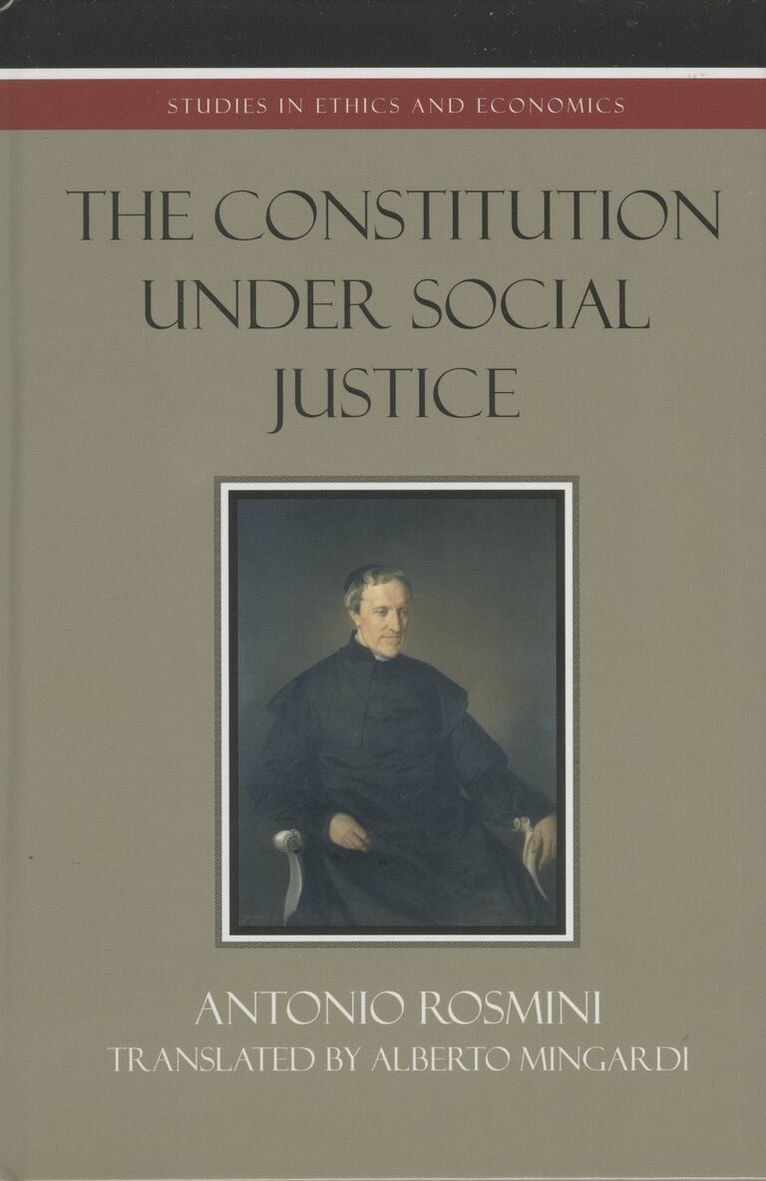
Antonio Rosmini-Serbati (1797–1855) was one of the first natural law scholars to bring natural law thinking into a conversation with the market economic order that was beginning to emerge in Europe in the 19th century. His reflections on matters such as the origin, nature, and limits of private property, the role of the state, and the nature of human reason show him to be a unique, innovative thinker who nonetheless was determined to work within the parameters of Catholic doctrine. Many of these ideas are concretized in his seminal work The Constitution Under Social Justice, a text that has profound instights to offer those today seeking to integrate theology, philosophy, and economics into their conceptions of a social order that aspires to be both free and just.
619 kr
Skickas inom 5-8 vardagar
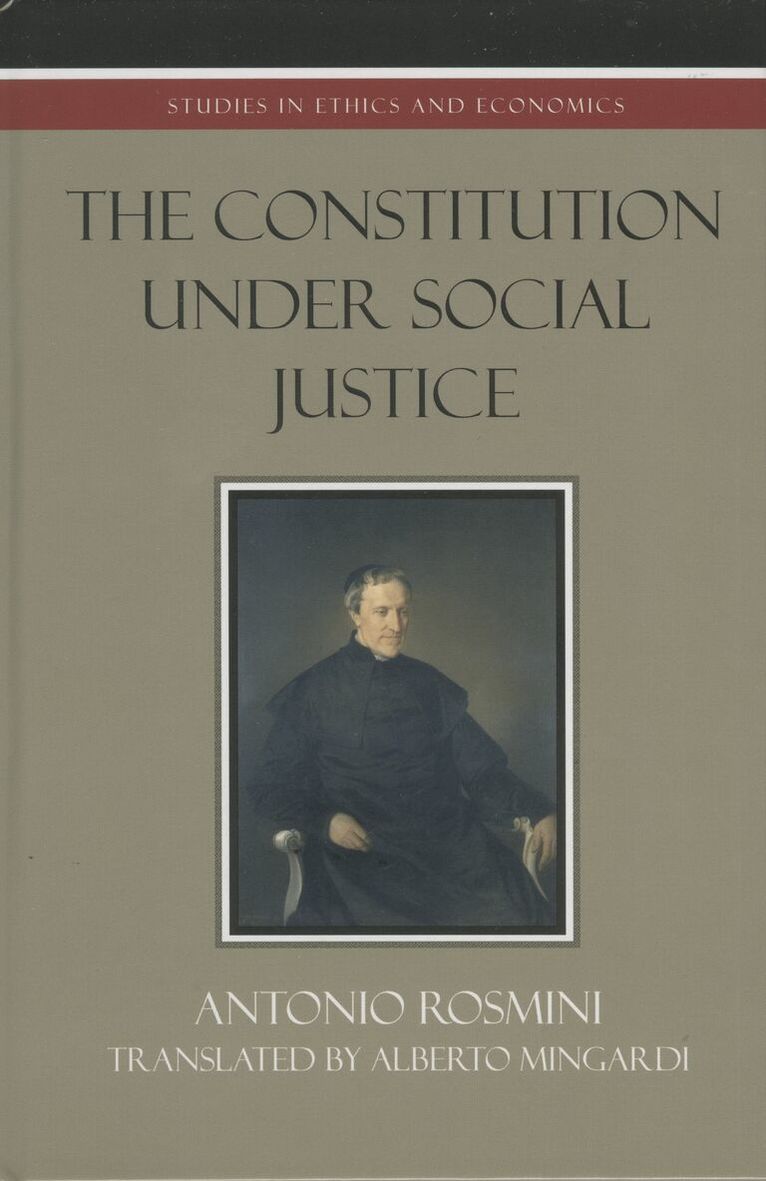
Antonio Rosmini-Serbati (1797–1855) was one of the first natural law scholars to bring natural law thinking into a conversation with the market economic order that was beginning to emerge in Europe in the 19th century. His reflections on matters such as the origin, nature, and limits of private property, the role of the state, and the nature of human reason show him to be a unique, innovative thinker who nonetheless was determined to work within the parameters of Catholic doctrine. Many of these ideas are concretized in his seminal work The Constitution Under Social Justice, a text that has profound instights to offer those today seeking to integrate theology, philosophy, and economics into their conceptions of a social order that aspires to be both free and just.
681 kr
Skickas inom 5-8 vardagar
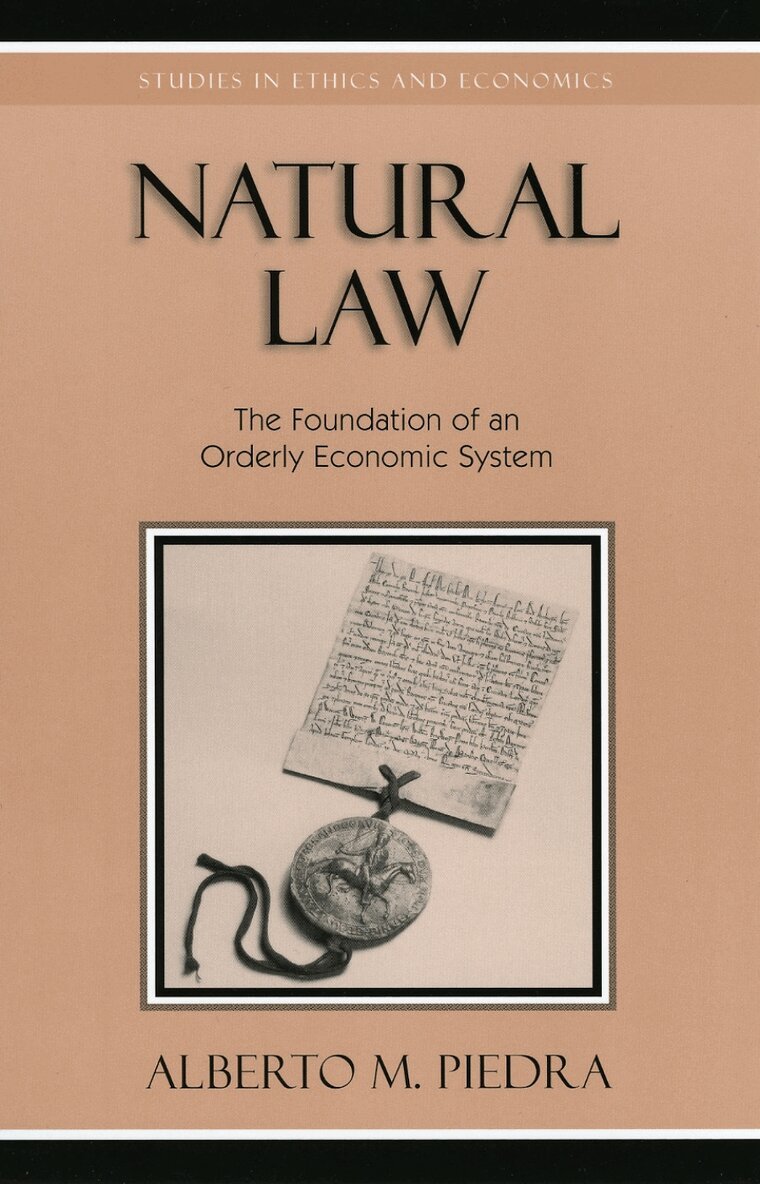
Author Alberto M. Piedra lucidly illustrates the notion of "natural law" through the examination of economic, social, political, and cultural issues. In this work Piedra draws on classical and Christian sources as well as his personal experience as an economist, diplomat, and lecturer on world politics to address philosophical views in a constructive and morally guided exegesis of natural law and economics. This innovative book shows the value of appeals to a governing, natural law and attendant principles such as the common good, subsidiarity, hierarchy, spiritual welfare, the reciprocity of freedom and authority, and the cultivation of personal moral and intellectual virtue. Natural Law will appeal to scholars, professionals, and others interested in the cultivation of personal moral and intellectual virtue.
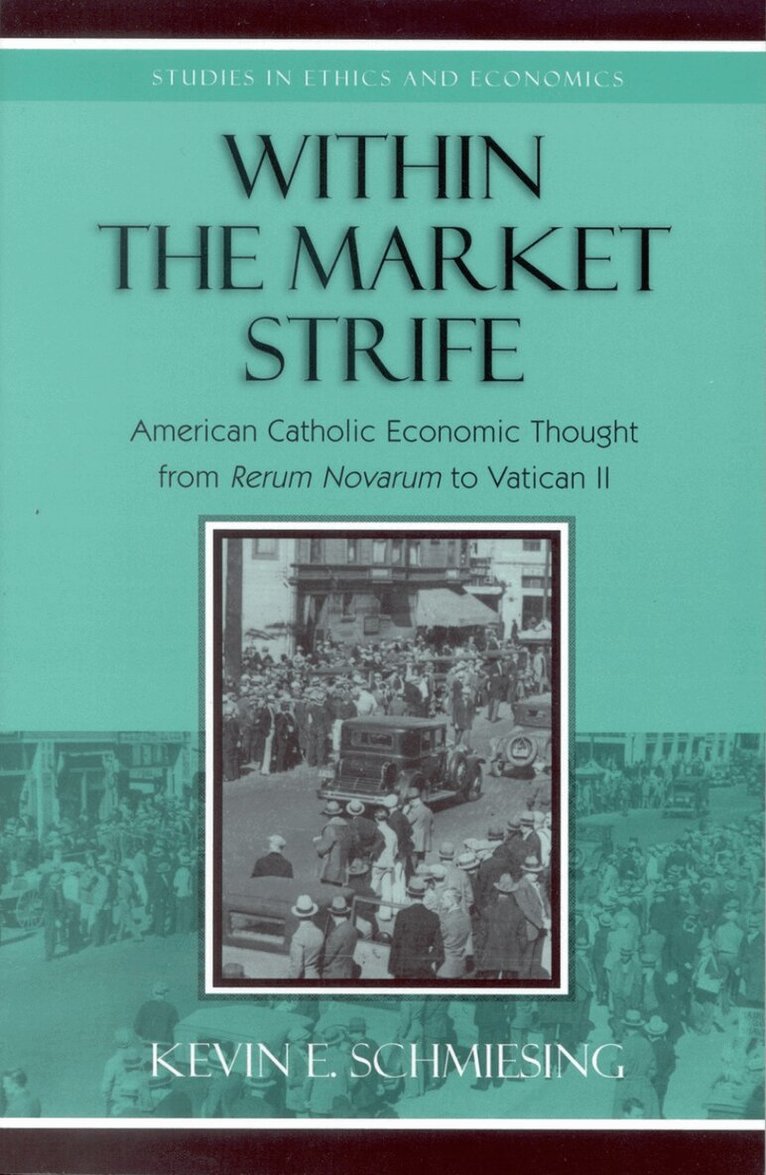
Within the Market Strife
American Catholic Economic Thought from Rerum Novarum to Vatican II
Häftad, Engelska, 2004
665 kr
Skickas inom 5-8 vardagar
In a period often viewed by historians as one in which Catholics labored in an intellectual ghetto, shut off from mainstream American thought and culture, a number of Catholic intellectuals were thinking seriously about the relationship between Catholicism and its American context. Within the Market Strife examines these views on economic questions in the period 1891-1962, from populism and progressivism to the New Deal and post-World War II conservatism. The book uniquely contributes to the historical understanding of Catholicism — and of American intellectual history more generally — by examining the ways in which Catholic views variously mirrored and interacted with broader American (non-Catholic) views. Within the Market Strife combines Catholic and general American historiographies to discern the ways in which American Catholic economic thought was dependent on factors other than their adherence to the authoritative social teaching of their church, unique political loyalties, personal experience, and economic theories. This book is an essay in intellectual history that will prove itself invaluable to scholars interested in Catholic history, economic history, American religious history, and American intellectual history.
681 kr
Skickas inom 5-8 vardagar
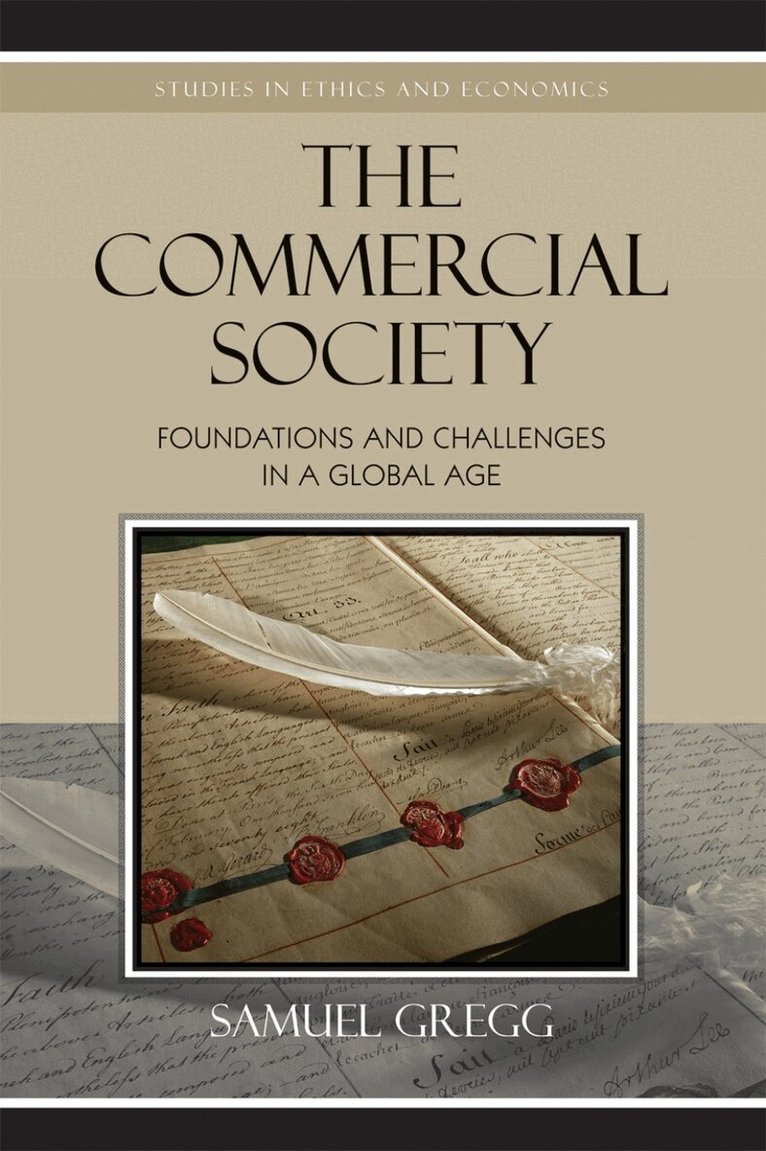
Once relatively confined to parts of Europe and North America, commercial societies are now found in many other cultures and continents. Yet despite the international spread and growth of commercial order, the moral, economic, and legal foundations of commercial society remain poorly understood, especially in those countries where it first took root. Guided by the thoughts of Alexis de Tocqueville, Samuel Gregg's The Commercial Society identifies and explores the key foundational elements that must exist within a society for commercial order to take root and flourish. Gregg studies the challenges that have consistently impeded and occasionally undermined commercial order, including the persistence of "corporatist" values and political movements seeking to equalize social conditions. This book offers a historically-grounded analysis for modern audiences interested in philosophy or the history of economics.
Intelligence as a Principle of Public Economy
Del pensiero come principio d'economia publica
Häftad, Engelska, 2007
626 kr
Skickas inom 10-15 vardagar
Intelligence as a Principle of Public Economy offers the best expression of the life and thought of the nineteenth-century Italian political economist Carlo Cattaneo. Available here for the first time in English, this volume showcases pensiero come principio d'economia publica, Cattaneo's pioneering vision of economic growth that emphasized the central role of intelligence and will in economic processes, the value of knowledge and innovation, and the importance of liberty. This classic of Italian thought is framed by a long biographical sketch of Cattaneo's life before, during, and after the Italian Risorgimento and an afterword that demonstrates the continuing relevance of Cattaneo's social, political, and economic ideas to today's ongoing debate about the importance of a free society.
675 kr
Skickas inom 10-15 vardagar
Entrepreneurship in the Catholic Tradition is a theological and historical exploration of the treatment of entrepreneurship, business, and commerce in the teaching of the Roman Catholic Church. Moving from Scriptural exegesis to modern papal social encyclicals, Anthony G. Percy shows how Catholic teaching had developed profound insights into the ultimate meaning of entrepreneurship and commerce and invested it with theological, philosophical, and economic meaning that surpasses many conventional religious and secular interpretations. Entrepreneurship is illustrated as being as much a potential contributor to all-round integral human flourishing as it is to economic growth and development. In this sense, Entrepreneurship in the Catholic Tradition challenges the stereotype of the Catholic Church having a negative view of economic liberty and the institutions that enhance its productivity. Instead we discover a tradition in which first millennium theologians, medieval scholastics, and modern Catholic thinkers have thought seriously and at length about the character of free enterprise and its moral and commercial significance.
1 572 kr
Skickas inom 10-15 vardagar
This book rescues an often misunderstood, underappreciated, and radical John Dewey. It centers on his rejection of traditional epistemology for his original and powerful view of "logic"—with serious implications for general philosophy, the philosophy of the human sciences, including psychology, and the philosophy of democracy. The goal of this work is not to try to rescue Dewey from his critics, but to rescue Dewey from his friends—from those who ignore the implications of Dewey's naturalism to those influenced by Richard Rorty who take Dewey's rejection of insurrectionary politics too far.While it is true that Dewey rejected insurrectionary politics and was no "fire-eating leftist," his analysis of the present was radical in the sense that it went straight to the roots. Peter T. Manicas examines how this made Dewey's politics similar to those of Marx in many crucial ways and the positive effort of these essays places Dewey's naturalism at the forefront, resolving some of the tensions and misunderstandings stemming from his body of work. Doing so requires serious reconsideration of some of his most characteristic views on philosophy—especially of logic and epistemology—science, and democracy.