Sustainable Artificial Intelligence-Powered Applications – serie
Visar alla böcker i serien Sustainable Artificial Intelligence-Powered Applications. Handla med fri frakt och snabb leverans.
17 produkter
17 produkter
Inbunden, Engelska, 2025
2 360 kr
Skickas inom 5-8 vardagar
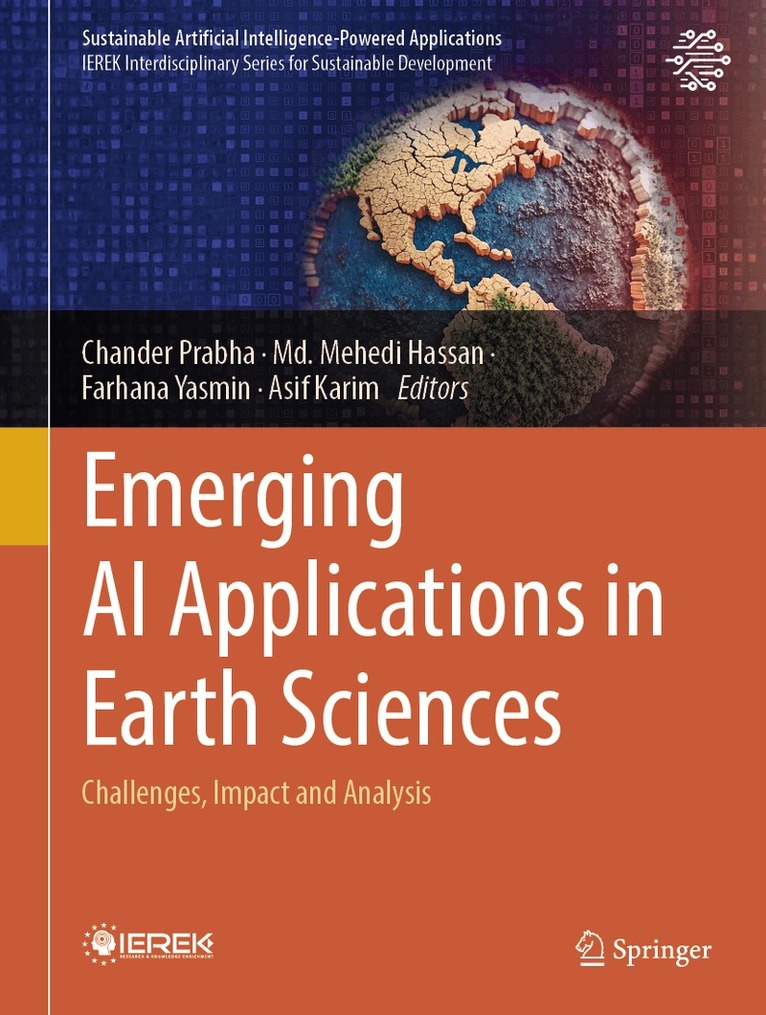
This proposed book provides deeper insights into artificial intelligence techniques and procedures available for earth sciences. This book unveils several applications of metaheuristic approaches (i.e., swarm intelligence and IoT technologies) in collaboration with AI for earth sciences.
Inbunden, Engelska, 2025
1 932 kr
Skickas inom 5-8 vardagar
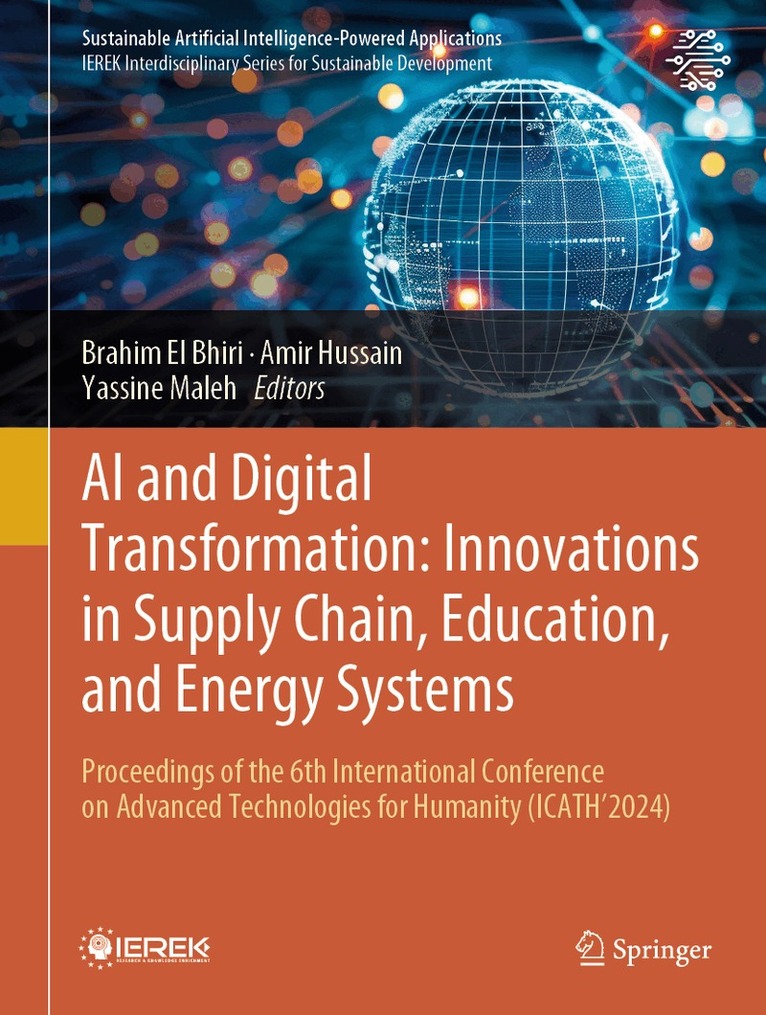
This book offers a comprehensive exploration of how artificial intelligence and digital technologies are revolutionizing key industries. From optimizing supply chain logistics and enhancing educational frameworks to advancing sustainable energy solutions and predictive maintenance strategies, this book provides invaluable insights into the future of industry and academia. Divided into five thematic sections, the book covers cutting-edge research and practical applications in AI-powered supply chains, digital transformation in education and industry, sustainable energy systems, and advanced maintenance techniques. Each chapter delves into innovative methodologies and real-world case studies, offering readers a roadmap to navigate the challenges and opportunities of the digital age. Whether you're a researcher, engineer, or industry professional, “AI and Digital Transformation: Innovations in Supply Chain, Education, and Energy Systems” equips you with the knowledge and tools to harness the power of AI and digital technologies for a sustainable and efficient future. This book is your guide to staying ahead in a rapidly evolving technological landscape.
Inbunden, Engelska, 2025
2 156 kr
Skickas inom 10-15 vardagar
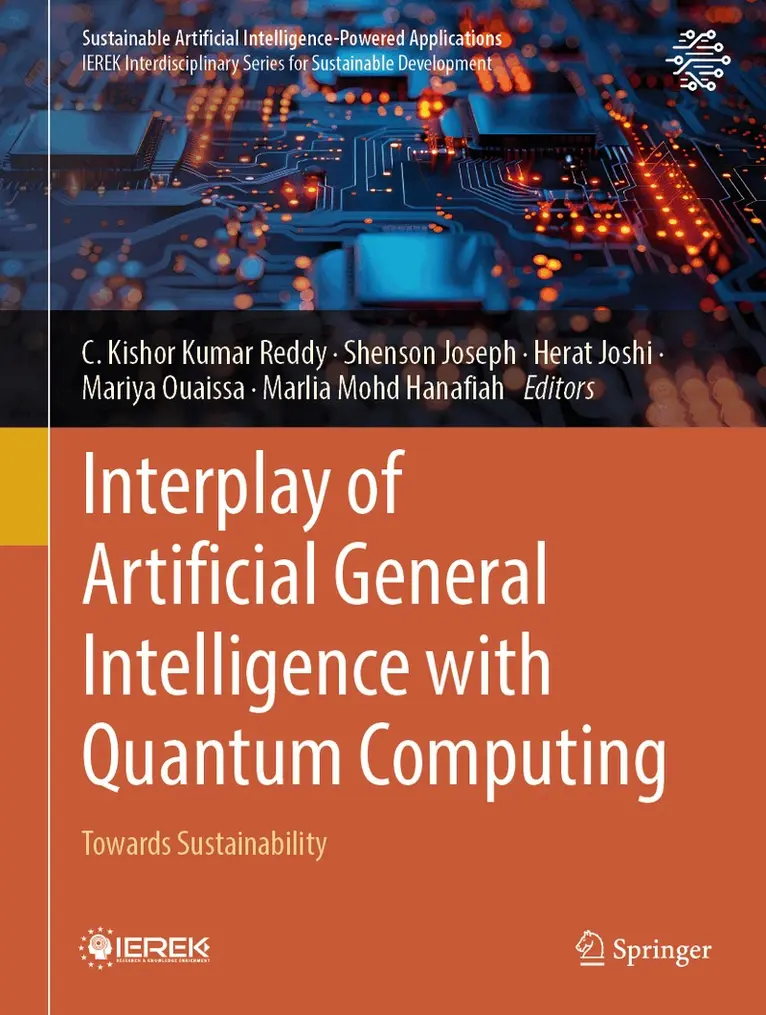
This book investigates the dynamic relationship between artificial general intelligence (AGI) and quantum computing.
Inbunden, Engelska, 2025
1 727 kr
Skickas inom 10-15 vardagar
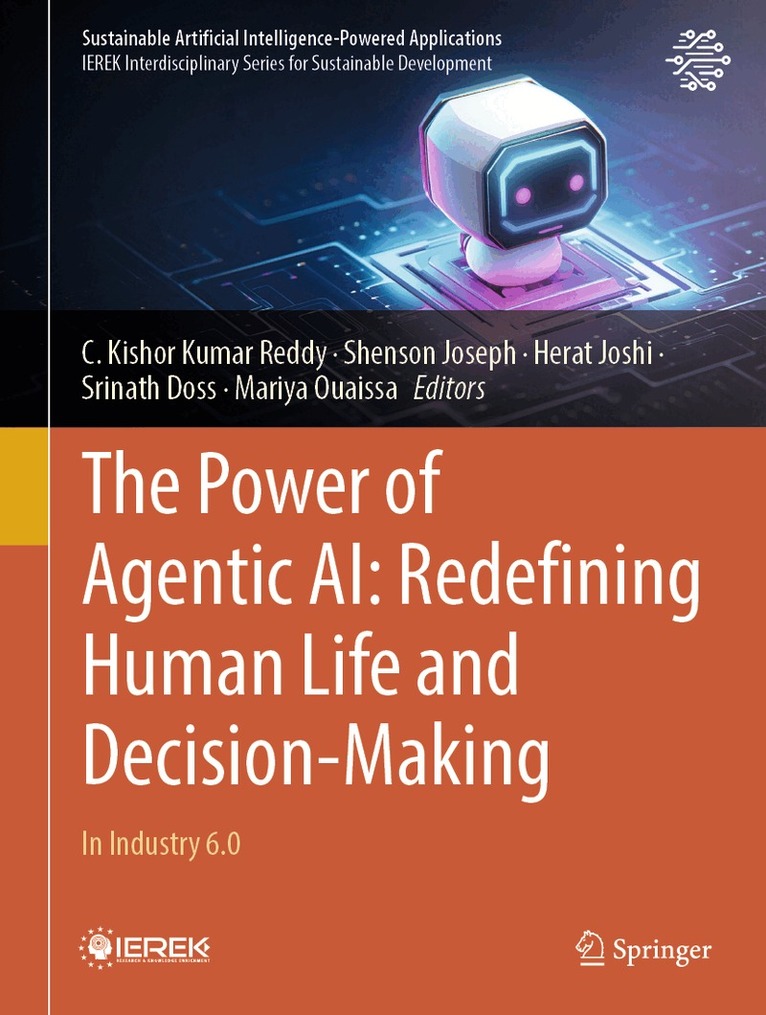
This book explores how autonomous AI systems are reshaping human decision-making across various industries and society. The book delves into the concept of Agentic AI—AI systems that can act independently and make decisions without human intervention. Unlike existing literature that speculates about superintelligent systems, this book offers practical insights into how current AI systems are already transforming sectors like health care, finance, and law. It highlights the growing impact of these technologies on professional roles and governance, offering a balanced view of both the opportunities and challenges presented by AI autonomy. The book's findings show that Agentic AI enhances decision-making by improving efficiency, accuracy, and scalability. However, it also presents ethical concerns related to accountability, transparency, and the shifting nature of human responsibility in AI-mediated environments. It emphasizes the need for robust ethical frameworks and governance structures to ensure that AI systems align with human values. By focusing on real-world applications and current AI technologies, the book provides actionable insights for decision-makers, helping businesses, policymakers, and technologists navigate the evolving AI landscape. It offers a roadmap for understanding the present-day capabilities of autonomous systems and prepares professionals for the ethical and operational challenges of integrating these technologies. Readers will gain a comprehensive understanding of how Agentic AI is poised to redefine human life and decision-making, making it essential for anyone interested in the future of technology, ethics, and innovation. Unlike traditional AI, which typically requires human supervision or input, Agentic AI introduces the concept of autonomy—AI systems that can act, learn, and make decisions independently. This paradigm shift challenges the conventional human-centered approach to decision-making, positioning AI as a true partner in complex cognitive tasks. The book also explores the ethical and societal implications of AI autonomy in ways that extend beyond typical discussions.
Inbunden, Engelska, 2025
1 834 kr
Skickas inom 10-15 vardagar
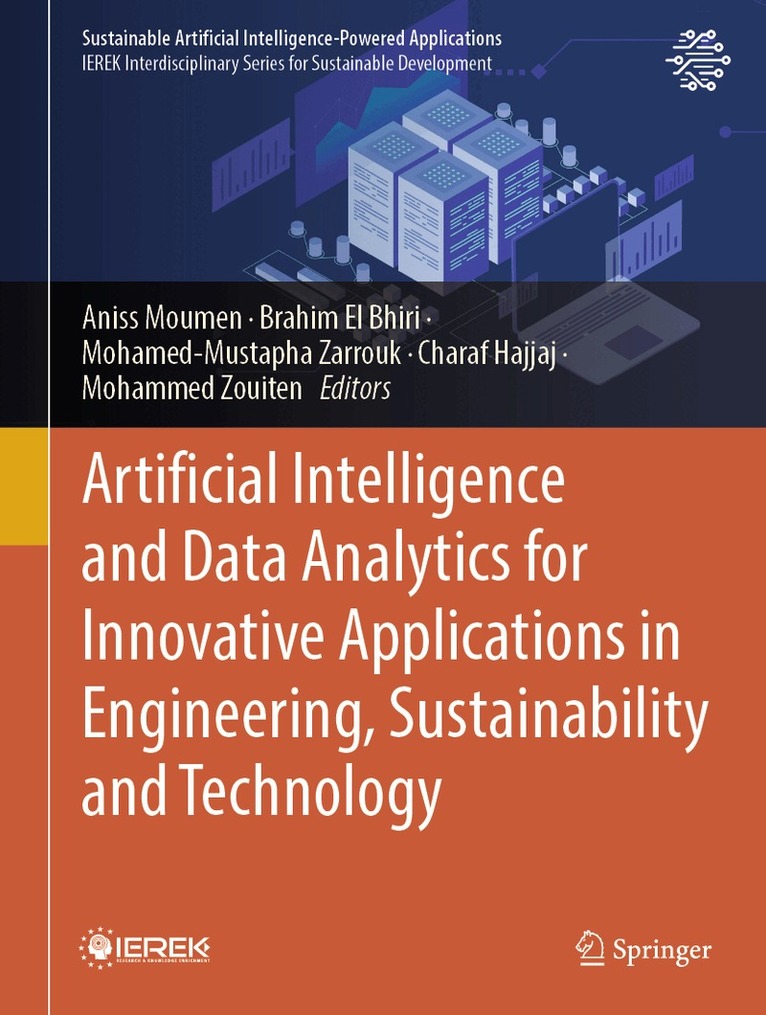
This book explores the forefront of Artificial Intelligence (AI), data analytics, and sustainable engineering, presenting in-depth research and practical applications across various domains. It is designed to provide valuable insights for professionals, researchers, and students eager to understand these cutting-edge advancements. The book begins by applying AI to the formal verification of System-on-Chip (SoC) components, showcasing methods that ensure efficient and reliable design processes. It discusses innovative techniques for optimizing the formulation of unfired clay bricks with Chamaerops Humilis fibers. It evaluates the mechanical and thermal properties of compact clay blocks stabilized with wood ash or traditional pottery waste. A detailed bibliometric analysis highlights research progress and trends in renewable energy and sustainable development, offering a clear view of future directions in these vital fields. The book also reviews advancements in traction motors and power electronic converters for electric vehicle drivetrains, providing insights into their efficiency and performance. The mathematical intricacies of the Topological Degree Method for coupled systems of $\psi$-fractional semilinear differential equations with non-local conditions are examined. The book delves into the impact of AI and machine learning on intelligent banking, anomaly detection in IoT networks, and enhancing model portability using Moodle users' traces. Case studies on the profitability of green hydrogen production powered by wind generators and the adoption of public e-services in Moroccan urban agencies illustrate real-world applications and offer practical insights into implementing these technologies. Additionally, the integration of AI in supply chain management within the automotive industry and the future of multi-touch attribution modeling for marketing strategies are explored. The book addresses big data architecture for managing water resources and mapping water quality variability. It includes practical applications such as a hybrid technique for anomaly detection in IoT networks and the smart OSC-Mac CT mode in wireless sensor networks based on WI-LEM technology.
Inbunden, Engelska, 2025
2 442 kr
Skickas inom 10-15 vardagar
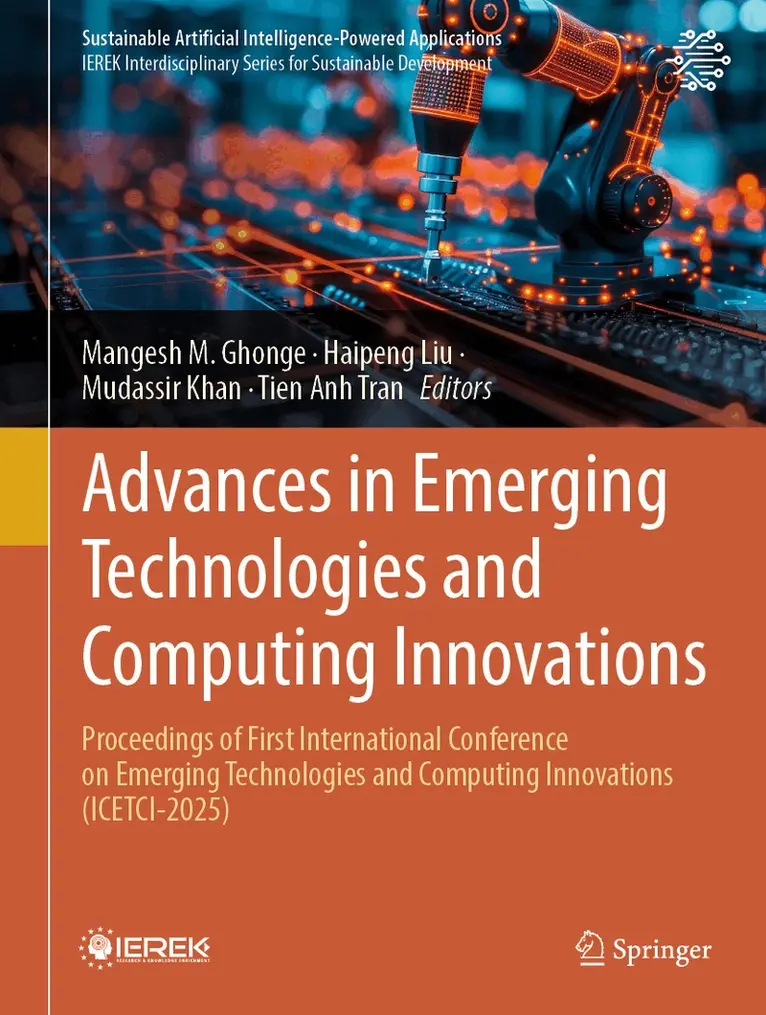
This book is considered as an essential medium to introduce the up-to-date findings, new level research, and developing fields in the area of technology and computing for First International Conference on Emerging Technologies and Computing Innovations (ICETCI-2025). The objective of the ICETCI-2025 is to provide a platform to highlight state-of-the-art research work and innovative findings in technology and computing. The conference is focused on filling the gap between modern theoretical improvements and real-life issues by providing a platform for discussions among experts in different areas concerning innovative fields like AI, ML, big data, blockchain, IoT giant computing, etc. ICETCI-2025 benefits from being a multidisciplinary approach for a broad set of emerging technologies. The conference aims to foster the exchange of ideas and experiences by bringing together leaders, researchers, academics, industry practitioners as well as policymakers. Much of the diversity they provide aids unconventional thinking, applicable implementation, and strategic growth that tackles current as well as future technology hurdles. ICETCI-2025 proceedings present high quality research papers, case studies and reviews focusing on state of the art developments in domains like artificial intelligence, big data analytics, cybersecurity and privacy, IoT and blockchain and cloud computing. By collaborating with academia, industry leaders, and policymakers, these proceedings are essential for bringing attention to emerging trends and best practices. They play a critical role in promoting knowledge, stimulating innovation, and providing cross-disciplinary support to help drive technological development. This book is aimed at researchers, academics, graduate students, industry professionals, and policymakers who have an interest in the field of computing, information technologies, and their application.
Inbunden, Engelska, 2025
1 999 kr
Skickas inom 10-15 vardagar
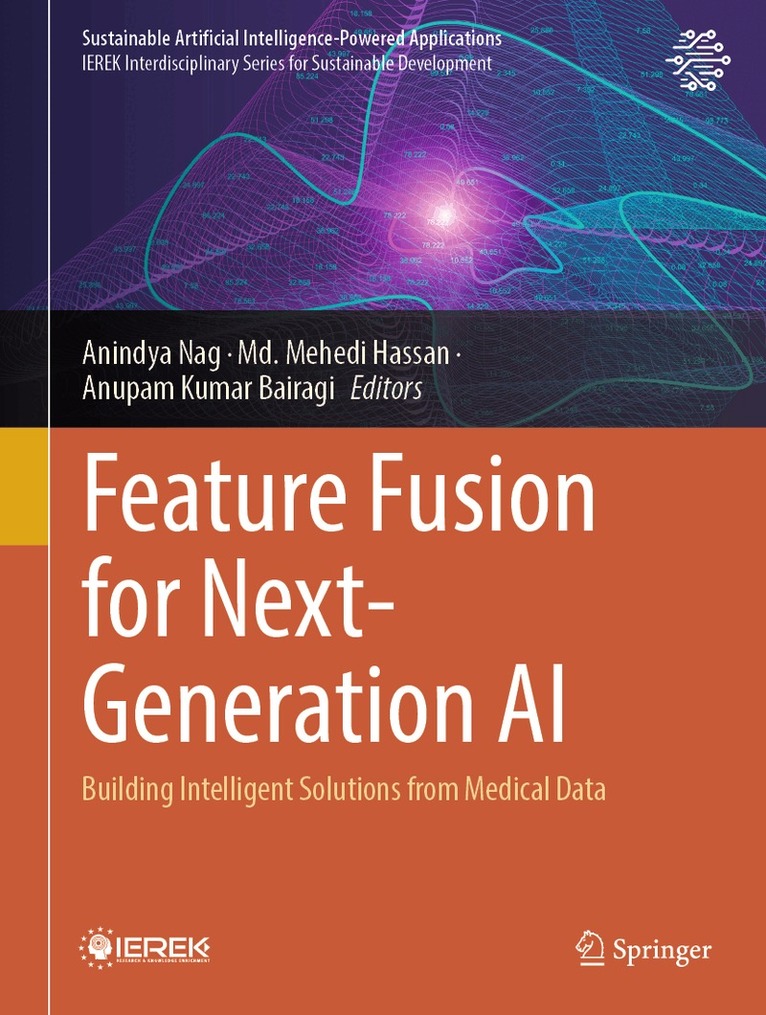
This book delves into the fundamental concepts, methodologies, and practical implementations of feature fusion, providing valuable perspectives on how merging several data aspects might augment the decision-making skills of artificial intelligence. Feature fusion is inherently connected to the advancement of intelligent solutions from medical data as it enables the incorporation of various and complementary data sources to construct more advanced AI models. Within the medical domain, data manifests in diverse formats, including electronic health records (EHRs), medical imaging, genomic data, and real-time sensor metrics. Although each of these data kinds offers distinct perspectives, they may have limitations in terms of their breadth or depth when considered independently. The application of feature fusion enables the integration of diverse data sources into a unified model, hence improving the AI's capacity to detect patterns, make precise predictions, and produce significant insights. The fusion process facilitates the development of intelligent solutions that exhibit enhanced reliability and effectiveness by using a more extensive reservoir of knowledge. For example, an artificial intelligence system that combines imaging data with clinical history might enhance the precision of disease diagnosis, forecast patient outcomes, and suggest tailored treatment strategies. Feature fusion is the crucial factor in unleashing the complete capabilities of medical data, enabling artificial intelligence to provide intelligent solutions that not only enhance the provision of healthcare but also stimulate advancements in medical research and practice. The proposed book explores the advanced notion of feature fusion within the field of artificial intelligence, with a particular emphasis on its implementation in physiological data. The integration of many data sources is crucial in the development of more precise, dependable, and understandable AI models as the healthcare industry becomes more data-driven.
Inbunden, Engelska, 2026
1 718 kr
Skickas inom 5-8 vardagar
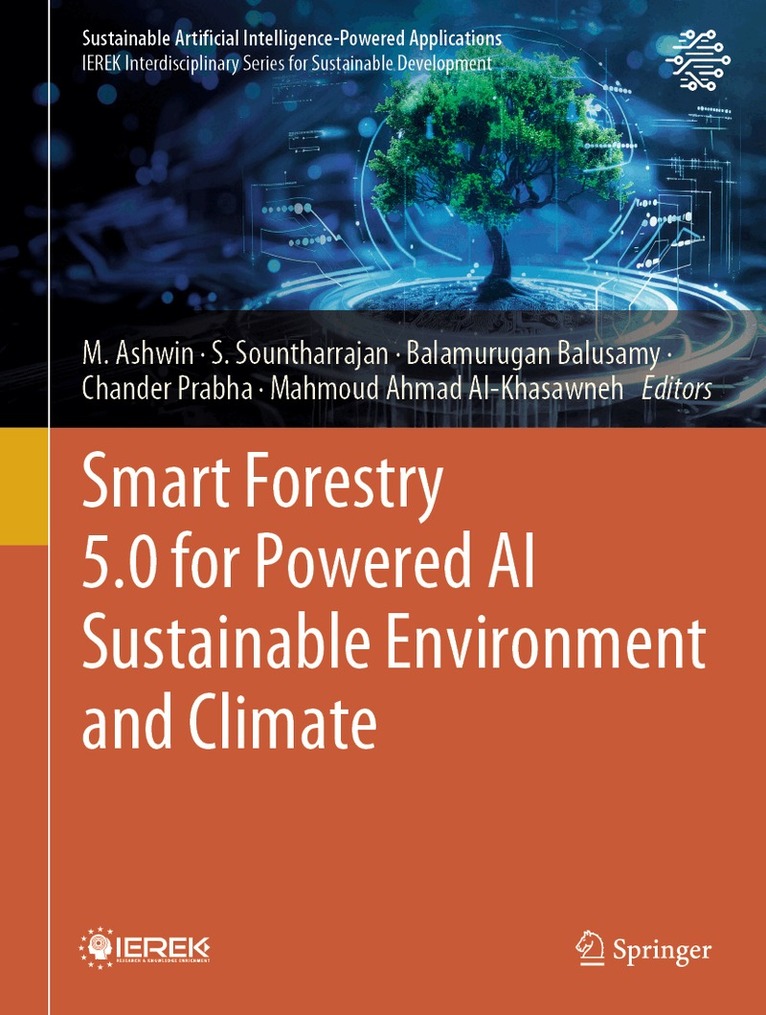
"Smart Forestry 5.0 for Powered AI Sustainable Environment and Climate" explores the transformative potential of integrating advanced artificial intelligence (AI) technologies into forestry practices. This book delves into how the fifth industrial revolution can reshape the way we manage forests, promoting sustainability and resilience in the face of climate change. It combines theoretical insights with practical applications, providing a comprehensive guide for researchers, practitioners, and policymakers.The book is structured around several key themes which includes Foundations of Smart Forestry, AI and Data-Driven Decision Making, Innovative Applications of AI, Ecosystem Monitoring and Restoration, Collaborative Frameworks for Sustainable Practices, Ethical Considerations in Smart Forestry, Future Trends and Innovations that highlight the intersection of smart forestry and AI, emphasizing sustainability in forest management. It discusses innovative technologies and methodologies that enable efficient monitoring, management, and restoration of forest ecosystems.
Inbunden, Engelska, 2025
1 667 kr
Skickas inom 10-15 vardagar
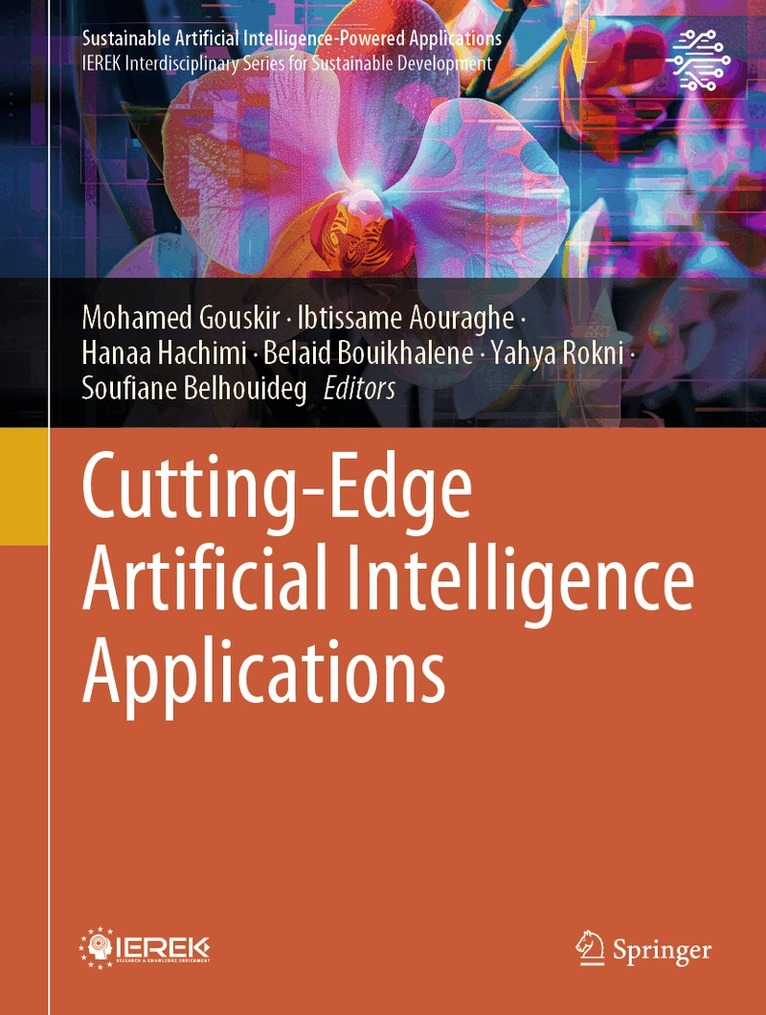
"Cutting-Edge Artificial Intelligence Applications" is a comprehensive exploration of the latest advancements in AI and their implications for various industries. The book also addresses the challenges and opportunities associated with AI deployment, offering insights into the future directions of AI research and development.
Inbunden, Engelska, 2026
2 146 kr
Skickas inom 5-8 vardagar
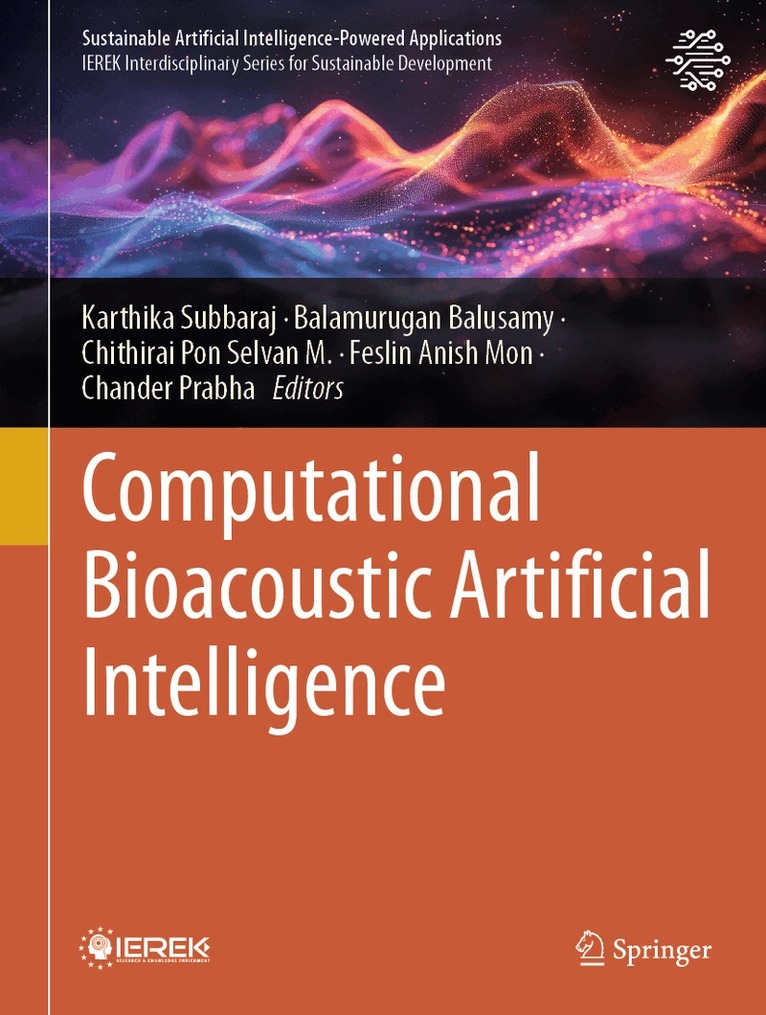
This book deep dives into the theoretical background of bioacoustics, signal processing techniques, feature extraction and pattern recognition algorithms, and technically advanced case studies in bioacoustics AI. By exploring the intricate characteristics of bioacoustic signals, this book offers a comprehensive understanding of the underlying principles and practical implementations. The fundamental chapters provide readers the basics by discussing the statistical and deterministic models of bioacoustic signals, including parametric and non-parametric approaches, time-frequency representations, and stochastic processes. Furthermore, this book delves into the complexities of bioacoustic signal generation and propagation, considering physiological factors, acoustic media, and signal degradation. The feature engineering methodology upon the complex and noisy sound data is understood and explored using advanced signal processing techniques, such as wavelet transforms, matching pursuit, higher-order statistics, and fractal analysis. The subsequent chapters focus on feature engineering and pattern recognition. The feature extraction methods under subject of discussion include time-domain, frequency-domain, and time-frequency features, as well as statistical and structural features. The advanced techniques related to deep learning such as convolutional neural networks and recurrent neural networks are also explored. Traditional classification techniques, including statistical pattern recognition and syntactic pattern recognition, are covered, followed by a deep dive into the application of deep learning for bioacoustic classification. The later chapters detail on the futuristic topics such as bioacoustic localization, source separation, change detection, and monitoring. The bioacoustic data collected with other sensor modalities are significant in the development of bioacoustic indices. This book leads the assessment techniques to determine the quality of ecosystem and its performance. Furthermore, the application of bioacoustic AI in man-machine interaction is examined.
Inbunden, Engelska, 2026
1 797 kr
Skickas inom 11-20 vardagar
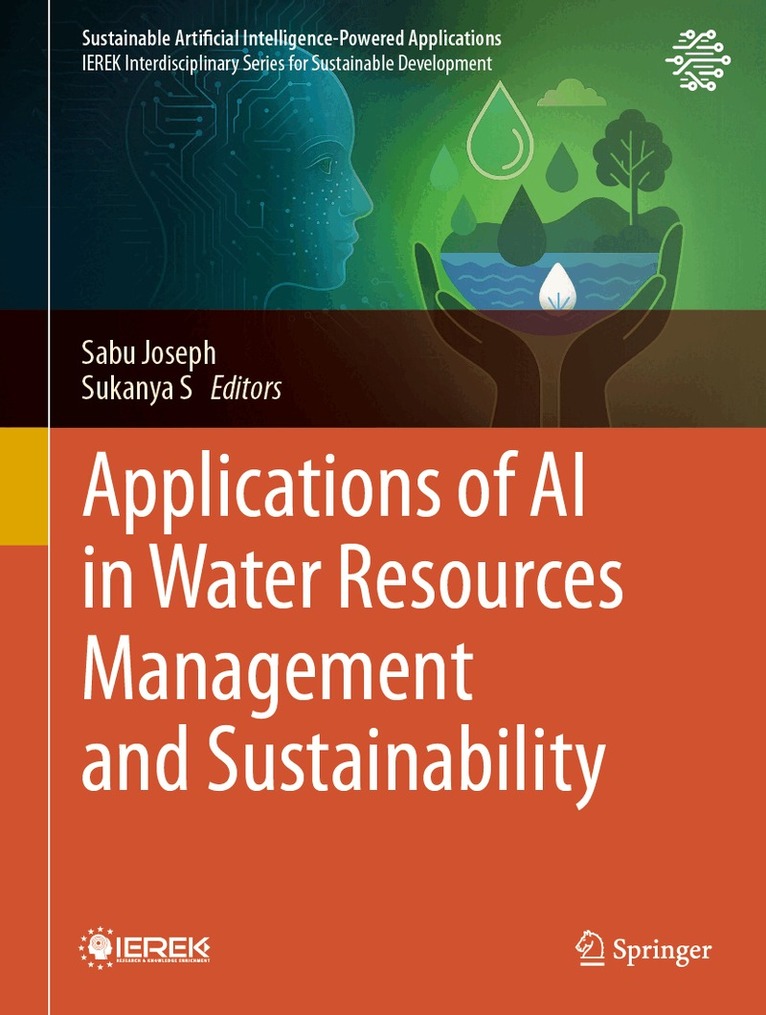
This book offers a comprehensive exploration of the transformative potential of robust, innovative AI techniques like machine learning and deep learning in revolutionizing water management to achieve UN sustainability goals. It highlights AI’s pivotal role in ensuring the efficient, equitable, and sustainable use of water resources, aligning particularly with Sustainable Development Goal 6 (SDG-6) — ensuring the availability and sustainable management of water and sanitation for all. Beyond SDG-6, this book highlights AI’s critical contributions to other goals, such as promoting sustainable agriculture (SDG-2), building resilient infrastructure and fostering innovation (SDG-9) and creating inclusive, safe, resilient, and sustainable cities (SDG-11), with a special focus on water-stressed regions in the context of climate change.The book delves into the integration of AI in various aspects of water resource management including enhancing data science processing capabilities, protecting public health and understanding societal impacts. The multifaceted challenge this book addresses is the global issue of water scarcity, quality and distribution, and how AI technologies can be leveraged to provide innovative solutions. It blends theoretical insights with practical applications, serving as a vital resource for those seeking to harness AI for effective water management. Through its comprehensive scope and forward-looking perspective, this book aims to inspire innovation and drive significant progress toward a sustainable water future, ensuring that water resources are managed with efficiency and equity.Organized into several chapters, each section provides an in-depth analysis and practical insights into specific AI applications within water management domain. Key topics include water quality management, groundwater and surface water resources management, urban and agricultural water solutions, coastal aquifer management, industrial water and wastewater treatment and desalination processes. The book also explores AI’s role in promoting a circular water economy and its applications in crucial areas such as hydroclimatology.
Inbunden, Engelska, 2026
1 727 kr
Skickas inom 10-15 vardagar
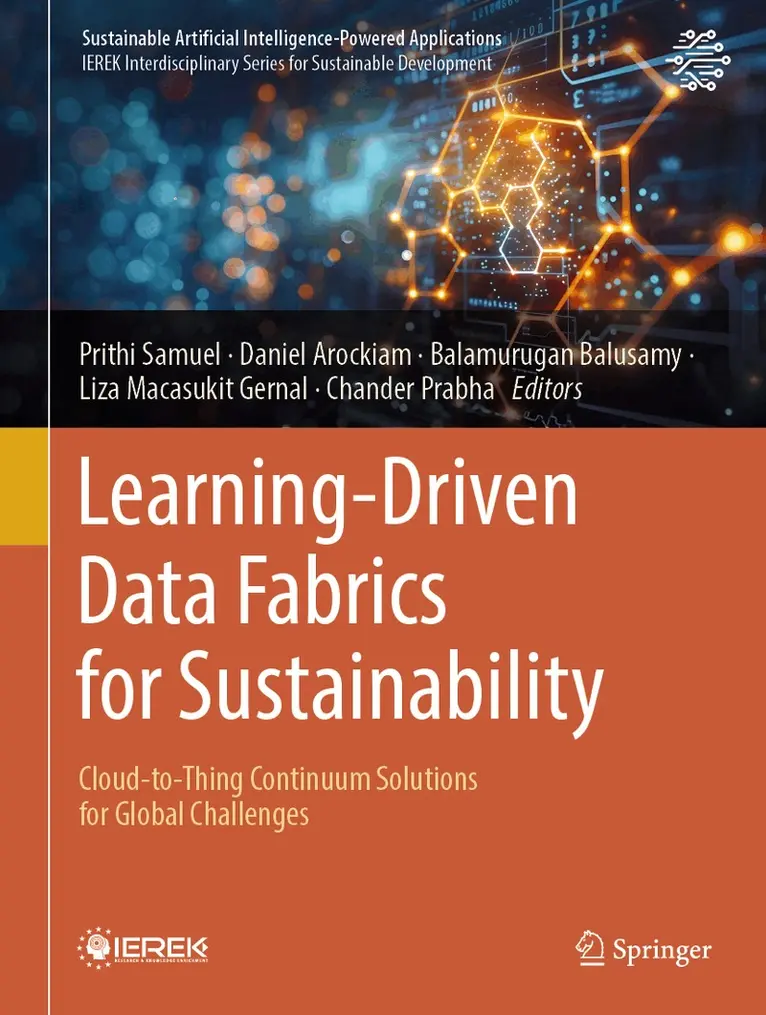
This book explores the distinct problems, trends, and future trajectories for constructing cohesive, sustainable data infrastructures that correspond with the United Nations Sustainable Development Goals (SDGs). In the contemporary digital ecosystem, the amalgamation of data across diverse platforms and environments—from cloud to edge to IoT—has become imperative for fostering creativity, sustainability, and efficiency. “Learning-Driven Data Fabric for Sustainable Cloud-to-Thing Continuum” examines the optimization of integration through sophisticated data fabrics enhanced by machine learning and AI. This book initiates its exploration by analyzing the fundamental concepts of a learning-driven data fabric that integrates cloud and IoT ecosystems, facilitating real-time decision-making and minimizing energy consumption. It offers comprehensive insights into how intelligent data management throughout the cloud-to-thing continuum may be utilized to enhance resource efficiency, facilitate smart city planning, and promote advancements in sectors such as healthcare, transportation, and agriculture. This book emphasizes how data fabrics may advance objectives related to affordable and clean energy (SDG 7), industrial innovation (SDG 9), and sustainable cities and communities (SDG 11), with sustainability as its central theme. This book illustrates how learning-driven data architectures are revolutionizing businesses and tackling global challenges through real-world case studies and upcoming trends. Subjects encompass edge computing, real-time data analytics, safe data transmission, and the reduction of carbon footprints via effective data processing. This study examines how data fabrics might alleviate the risks associated with cyberattacks and data breaches, while ensuring regulatory compliance and fostering sustainable, ethical AI operations. This book offers a detailed framework for utilizing data fabric technologies to create sustainable, safe, and intelligent cloud-to-thing ecosystems, regardless of whether you are a data scientist, IoT specialist, cloud architect, or policymaker. This book promotes data-driven decision-making throughout the infrastructure, enabling organizations to design scalable and sustainable solutions that advance global development objectives.
Inbunden, Engelska, 2026
2 156 kr
Skickas inom 10-15 vardagar
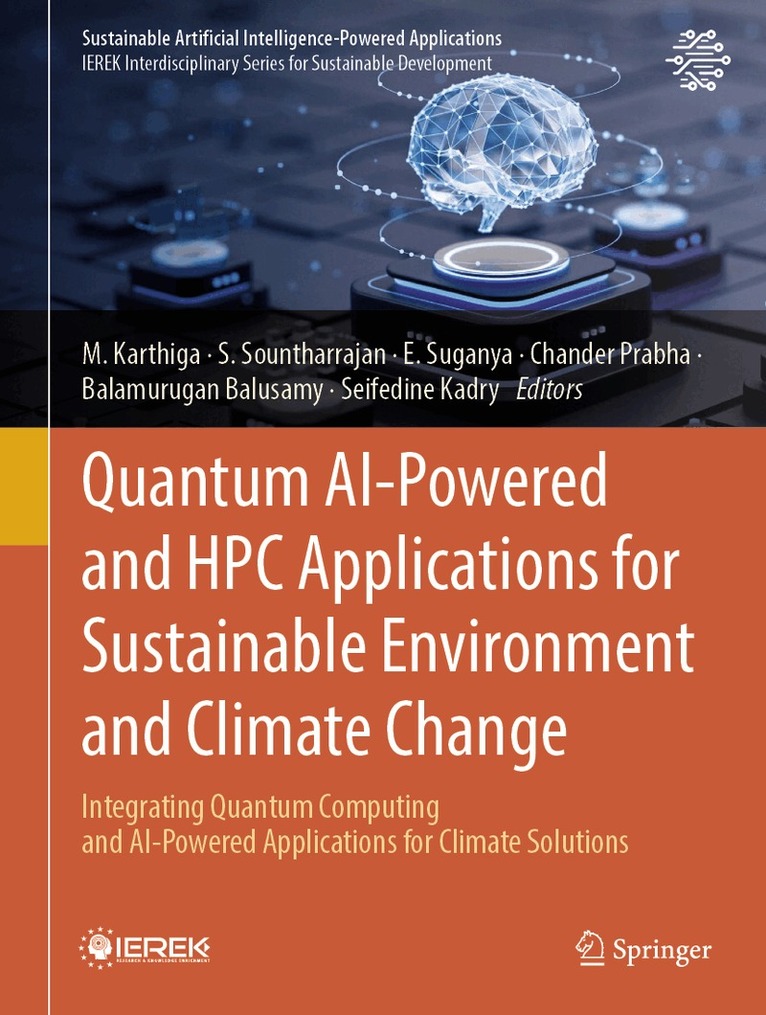
This book ‘Quantum AI-powered and HPC applications for sustainable environment and climate change’ offers an in-depth exploration of how Quantum Artificial Intelligence (AI) -powered and High-Performance Computing (HPC) based technologies can revolutionize our approach to environmental sustainability and climate change mitigation. Through a comprehensive analysis, the book delves into the urgent climate challenges of our era, showcasing the transformative potential of cutting-edge technologies to address these issues effectively.The fundamental chapters provide a foundational understanding of the pressing environmental challenges of the 21st century and the transformative potential of quantum AI-powered and HPC. These chapters explore the power of environmental data analysis, the importance of balancing data security and privacy, and the advancements in federated learning for climate and environmental science. Additionally, they introduce the principles of quantum computing and its revolutionary applications in solving complex environmental problems.The subsequent chapters provide detailed insights into specific applications of quantum AI-powered and HPC in environmental science. Topics include quantum image recognition for precise Earth observation, advancements in extreme weather forecasting, and quantum-enhanced sensing technologies for detecting environmental contaminants. These chapters also cover the optimization of natural resource management, advanced climate modeling powered by quantum computing and HPC, and the importance of explainable AI for building trust and transparency in environmental solutions.The final chapters deal with the broader implications and future directions of quantum AI-powered and HPC applications in promoting environmental sustainability. They examine strategies for improving energy efficiency in quantum computing, ensuring data privacy and security in federated environmental systems, and leveraging quantum and HPC technologies for innovative renewable energy solutions. The book concludes with insights into building a resilient future by adapting to environmental changes and promoting sustainable development through advanced technologies. The book also delves with HPC applications that are useful for environmental sustainability and climate modelling.By addressing these topics, this book aims to bridge the gap between current environmental challenges and the potential of advanced technologies to offer sustainable solutions. It is targeted at researchers, practitioners, policymakers, students, and industry professionals in the fields of environmental science, computer science, and quantum computing, as well as anyone interested in the intersection of technology and environmental sustainability.
Inbunden, Engelska, 2026
3 064 kr
Kommande
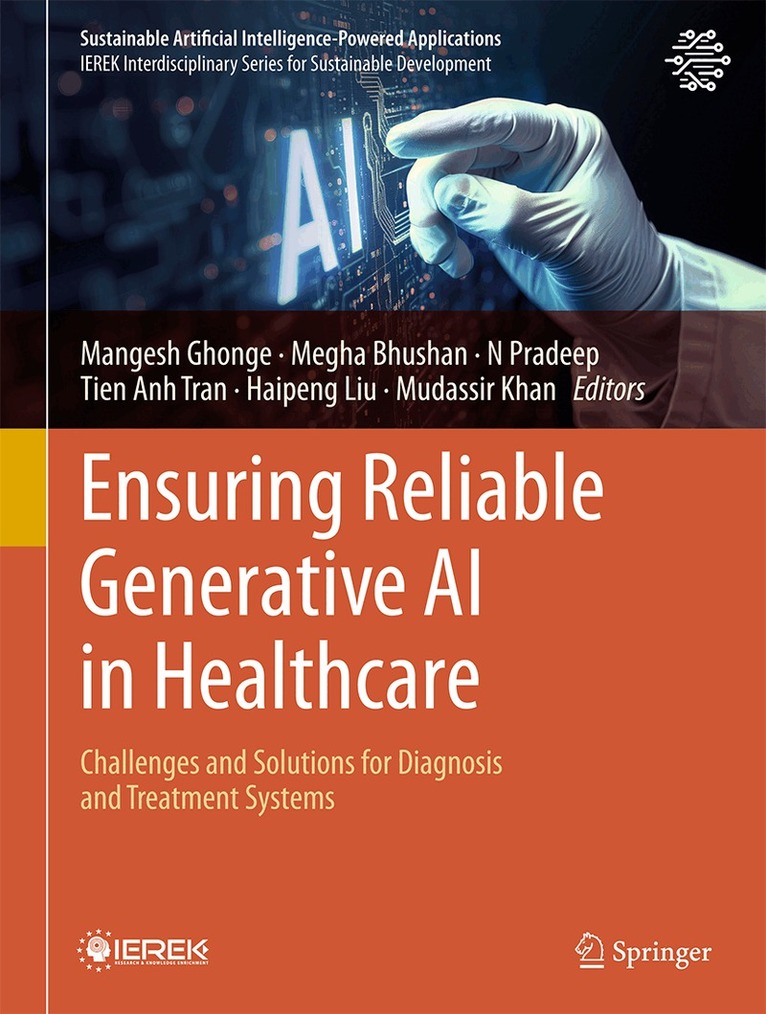
This book provides a deep dive into how Generative Artificial Intelligence is fostering innovation apart from being impactful, and key problems that affect the healthcare ecosystem as a whole are now being solved. With the rapid rise of Generative Artificial Intelligence (AI), industries are changing rapidly, and healthcare is no exception. Generative AI, as a transformative subset of AI, has the extraordinary ability to create new data, simulate scenarios, and optimize complex processes. Its potential for medical diagnostics and drug development is beyond doubt and it is born to revolutionize medical research and Personalized treatment. Reasoning subtitled Generative AI for Healthcare, this exploratory volume on cutting-edge technology's profound impact on modern medicine is based on years of dedicated research. Key highlights include:· Using Generative AI to actually produce synthetic teaching sets and consequently re-armed medical-solving equipment will in turn enhance diagnosis and accuracy· Reducing the amount of time and costs for developing drugs by means of artificial intelligence, by iterating through virtual compounds and simulating molecular environments· Creating personalized treatment strategies out of specific patient profiles that embrace precision medicine, improving outcomes· Simulating medical scenarios to measure the effectiveness of a cure in advance expensive, high-risk trials, the profound secrets behind complex diseases are slowly coming to light.This book is designed to help the next generation of healthcare practices address research gaps, regulatory challenges, ethical considerations, and other concerns. Balancing rich case studies with practical insights and forward -looking ideas, this book aims to link up the promise of technological innovation in healthcare with its real application. The book also highlights the need for responsible AI adoption, addressing issues such as data privacy, bias reduction in models, explainable and reliable AI systems. The goal is to provide healthcare professionals, researchers and policy makers with knowledge and tools needed to use Generative AI responsibly and effectively. Whether you are a healthcare provider, AI researcher or industry innovator, Generative AI for Healthcare gives you an essential primer on how AI can be applied to transform patient care outcomes, drive medical research forward -- and even shape the future of healthcare itself.
Inbunden, Engelska, 2026
2 308 kr
Kommande
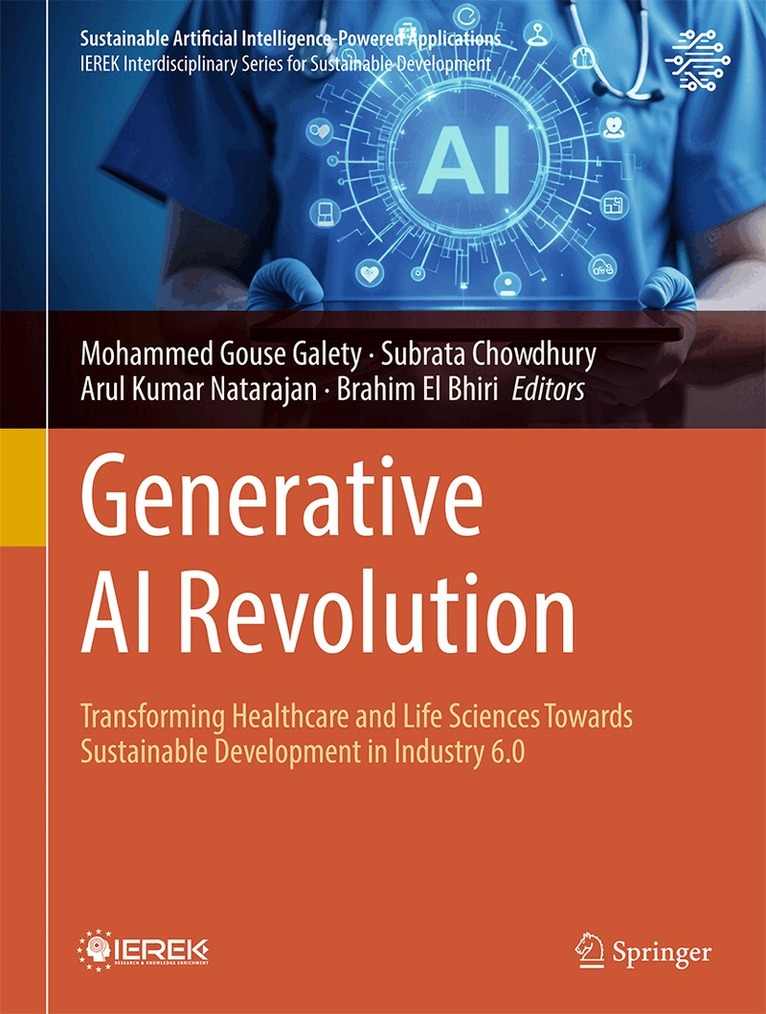
Generative AI Revolution: Transforming Healthcare and Life Sciences towards Sustainable Development in Industry 6.0 examines how generative artificial intelligence is redefining modern healthcare systems. As the world moves toward Industry 6.0—an era of human-centric, intelligent, and sustainable innovation—this book explores how AI enhances patient care, medical diagnostics, drug discovery, and population health management. Organized into three thematic sections, the volume covers AI-driven patient engagement, mental health analytics, disease prediction models, deep learning–based imaging diagnostics, and AI-enabled drug development pipelines. It also addresses healthcare supply chains, epidemiological modeling, and data-driven decision support systems that strengthen resilience and efficiency in healthcare ecosystems. Emphasizing ethical and responsible AI adoption aligned with global sustainability goals, this book is an essential resource for researchers, healthcare professionals, policymakers, and industry leaders seeking to harness generative AI to build smarter, more sustainable healthcare solutions.
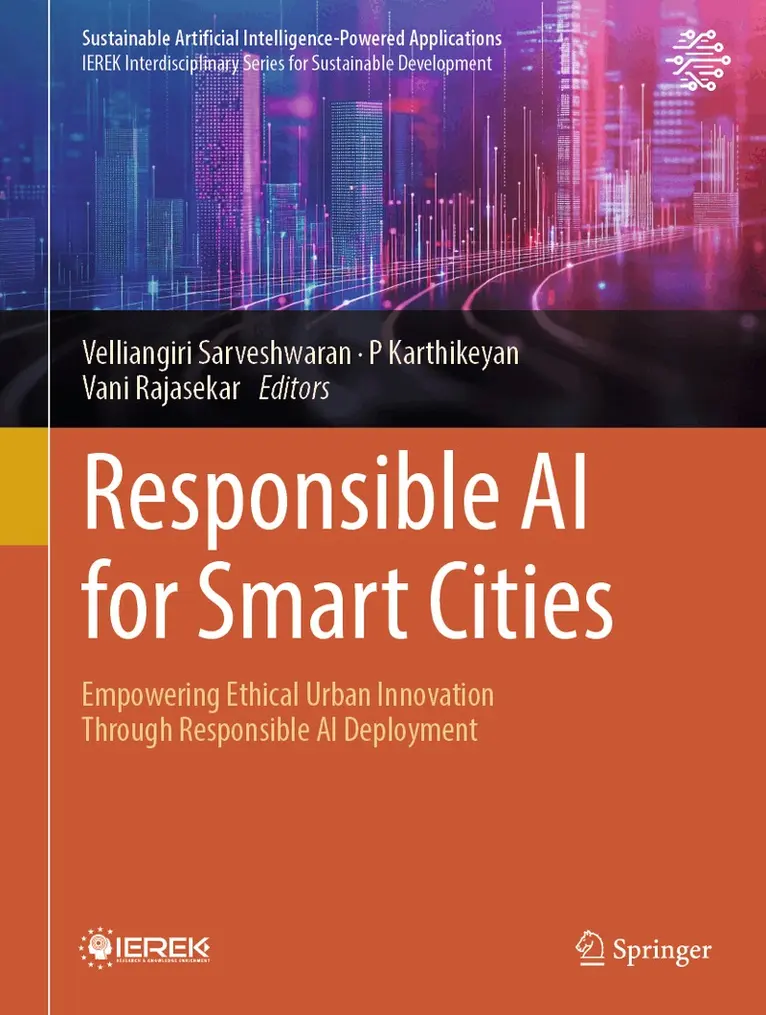
Responsible AI for Smart Cities
Empowering Ethical Urban Innovation through Responsible AI Deployment
Inbunden, Engelska, 2026
1 927 kr
Kommande
This book provides a complete comprehensive investigation of Responsible AI in Smart Cities, ethical, social welfare and AI-based environmental aspects of functioning in urban environments. When RAI integrates into social developments to solve problems like traffic congestion, Public Safety, electricity savings and healthcare technologies. This book is dedicated to governance systems and inter-regulation approaches to ensure Responsible AI which includes real-life experiences and case studies from all over the world. Although Responsible AI is the core focus, it will not be possible to notice the impacts in real time. This book highlights the significance of RAI for urban development and the aims of empowering policymakers, urban planners and AI-driven smart city development responsibly and ethically. Major focus on sustainability development through Responsible AI to ensure the well-being and happiness of the residents. Target audiences: Researchers, Social scientists, Urban Planners Policy Makers and industry professionals.
Inbunden, Engelska, 2026
3 203 kr
Kommande
This book presents a multidisciplinary exploration of artificial intelligence, digital transformation, and sustainability across education, energy, healthcare, urban systems, governance, and socio-economic development. Besides environmental communication, the book examines the role of generative AI in enhancing the quality of higher education, critically assesses the conceptual foundations of artificial intelligence and investigate its application in optimizing green hydrogen production and carbon footprint prediction. Several contributions focus on AI-driven solutions in healthcare, including real-time ECG monitoring, prostate cancer classification, health information systems, and digital platforms for early childhood parenting education. The book also addresses AI adoption in humanitarian logistics, construction management, cybersecurity, and organizational performance, highlighting the mediating and moderating factors that influence successful implementation. Urban and regional perspectives are explored through smart cities, eco-districts, digital twins for mobility, and sustainable urban development models, alongside discussions on smart governance, public leadership, and regional transformation in the Mediterranean context. Collectively, the book provides theoretical insights, empirical evidence, and practical frameworks that demonstrate how AI and digital technologies can drive sustainable, inclusive, and resilient development across multiple sectors.