Sustainable Environmental Waste Management Strategies – Serie
Visar alla böcker i serien Sustainable Environmental Waste Management Strategies. Handla med fri frakt och snabb leverans.
11 produkter
11 produkter
Electronic Waste and Environmental Pollution
Impacts and Sustainable Management through Circular Economy
Inbunden, Engelska, 2026
1 687 kr
Skickas inom 7-10 vardagar
Electronic waste or E-waste is the term for expired and end-of-life electronics that have been dumped by their owners. Examples include televisions, laptops, freezers, generators, computers, and other electrical devices, which contains toxic metal like Ni, Pb, Sn, Al, Cu Mn, and Fe, along with many kinds of metal oxide, glass Fiber, plastics, and ceramics that are bonded to and covered in the waste. Improper waste management techniques of these e-waste may have a serious effect on living beings. The presence of these hazardous wastes in the environment will make vulnerable conditions to aquatic as well as terrestrial life. To date, several conventional techniques have been implemented to treat this hazardous e-waste but biological treatment is more efficient from all, basic economic and environmental points of view. Through the utilization of microorganisms like bacteria or archaea, the extraction technique known as "bio-recovery of metals" can remove valuable metals from low-grade ore.The purpose of this book is to discuss the challenges that have arisen due to e-waste, their harmful effects on the ecosystem, and limitations as well as the improvement of current biological techniques used for the management and recovery of e-waste. This book focuses on the role of advanced green engineering technologies for sustainable e-waste management in building an economically supportable society as a basic need of developing countries.
Innovative Technologies for Waste Management
Strategies, Challenges and Future Directions
Inbunden, Engelska, 2025
1 687 kr
Skickas inom 10-15 vardagar
This contributed volume offers background and cases that detail technologies and techniques for transforming garbage into valuable goods. The cases here examine developments and challenges in waste management technology and offer suggestions for sustainable ways forward. The book provides covers a wide variety of issues including waste management and classification, recycling and upcycling waste into carbon nanomaterials and value-added products, water treatment, e-waste, biomedical waste management, and the role of microorganisms and nanotechnology in waste treatment. This volume will serve as an invaluable resource for academics, students, and waste management professionals.
1 823 kr
Skickas inom 11-20 vardagar
Mining activities have affected fresh water through heavy use of water in processing ore, and through water pollution from discharged mine effluent and seepage from tailings and waste rock impoundments.
Emerging Micropollutants
Status in the Environment and Management through Bioremediation
Inbunden, Engelska, 2025
1 687 kr
Skickas inom 7-10 vardagar
The insidious nature of micropollutants lies in their capacity to bioaccumulate, posing long-term risks as they move up the food chain, ultimately impacting human health through contaminated food and water sources.
Synergizing Sustainability for Integrated Waste Management
Artificial Intelligence, Economic Stability and Energy Recovery
Inbunden, Engelska, 2026
1 695 kr
Skickas inom 10-15 vardagar
1 695 kr
Skickas inom 10-15 vardagar
This book includes a variety of cases detailing novel municipal waste management strategies, including use of microorganisms, harnessing artificial intelligence and machine learning technologies, and implementing advanced waste management techniques. Sustainable municipal waste management, coupled with a zero waste approach and circular economy principles, represents a pivotal strategy for addressing the escalating challenges posed by municipal waste pollution. Municipal waste encompasses a diverse array of materials generated from households, businesses, institutions, and public spaces, including organic waste, plastics, paper, metals, and glass. As urbanization accelerates and consumption patterns evolve, the volume of municipal waste continues to surge, exerting significant pressures on ecosystems, public health, and natural resources. Municipal waste pollution arises from improper disposal practices, inadequate waste management infrastructure, and unsustainable consumption habits. Sources of municipal waste in the environment include landfills, incineration facilities, illegal dumping sites, and littering, contributing to soil, water, and air pollution. The indiscriminate disposal of waste leads to a number of adverse effects and impacts, including habitat destruction, wildlife entanglement, groundwater contamination, greenhouse gas emissions, and the proliferation of disease vectors. To address these challenges, innovative approaches blended with sustainability principles are essential. With these strategies, communities can transition toward more resilient and resource-efficient waste management systems
1 695 kr
Skickas inom 10-15 vardagar
This book offers a variety of case studies focusing on the production of platform chemicals from organic waste. It explores how microbial processes can transform organic waste into valuable chemicals, offering sustainable solutions to the global challenges of waste disposal and resource scarcity. By marrying innovative biotechnological methods with practical applications, this book serves as a resource for researchers, practitioners, and policymakers aiming to turn waste into wealth through biotechnology. The book highlights how biotechnological innovations can be integrated into production systems, addressing environmental, economic, and industrial needs.
1 906 kr
Skickas inom 10-15 vardagar
This contributed volume aims to provide a comprehensive exploration of role of nanotechnology in environmental sustainability. Via a collection of chapters written by experts in this area, the book covers background and various topics related to nanomaterials such as nanotechnology in water and air purification, soil remediation, waste management, nanomaterials in environmental monitoring. The book will discuss the current state-of-art and future potential of nano-environmental technologies and hence will be an essential resources for researchers, policy-makers, practitioners in this particular domain of study. The book is distinctive due to its comprehensive, interdisciplinary and practical approach. The chapters and cases presented here describe recent trends and analyze future directions of study by encouraging interdisciplinary collaborations. Additionally, safety and toxicity concerns, regulatory issues and ethical considerations in the domain are discussed.
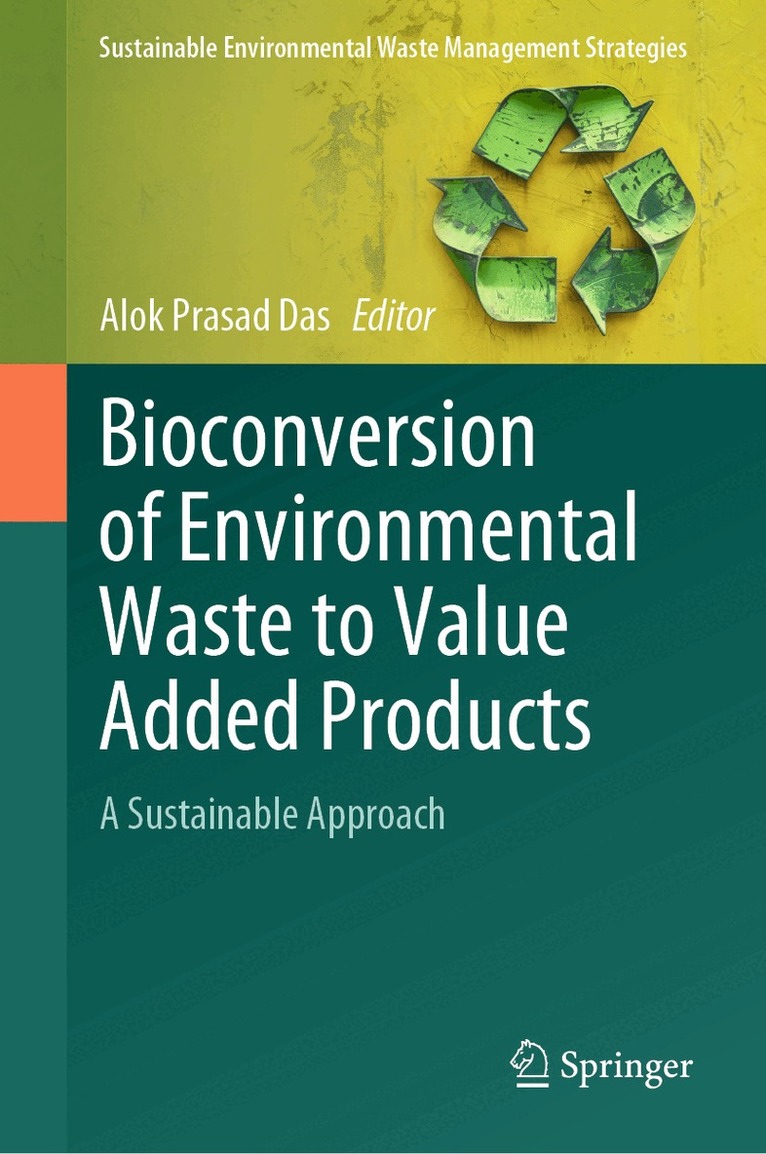
Bioconversion of Environmental Waste to Value Added Products
A Sustainable Approach
Inbunden, Engelska, 2026
1 695 kr
Skickas inom 10-15 vardagar
This volume comprehensively explores the role of microbial-assisted bioconversion techniques in waste management, with a focus on how waste products can be utilized and repurposed towards sustainable ends. Bioconversion of environmental wastes to value-added products refers to the process of using microorganisms to transform organic waste materials like agricultural residues, food scraps, or industrial byproducts into useful and commercially valuable products, providing a sustainable approach to waste management by turning potential pollutants into beneficial resources. Microorganisms, such as bacteria and fungi, are utilized to break down complex organic molecules within the waste into simpler compounds that can be further processed into valuable products through fermentation or other biological pathways.
2 449 kr
Kommande
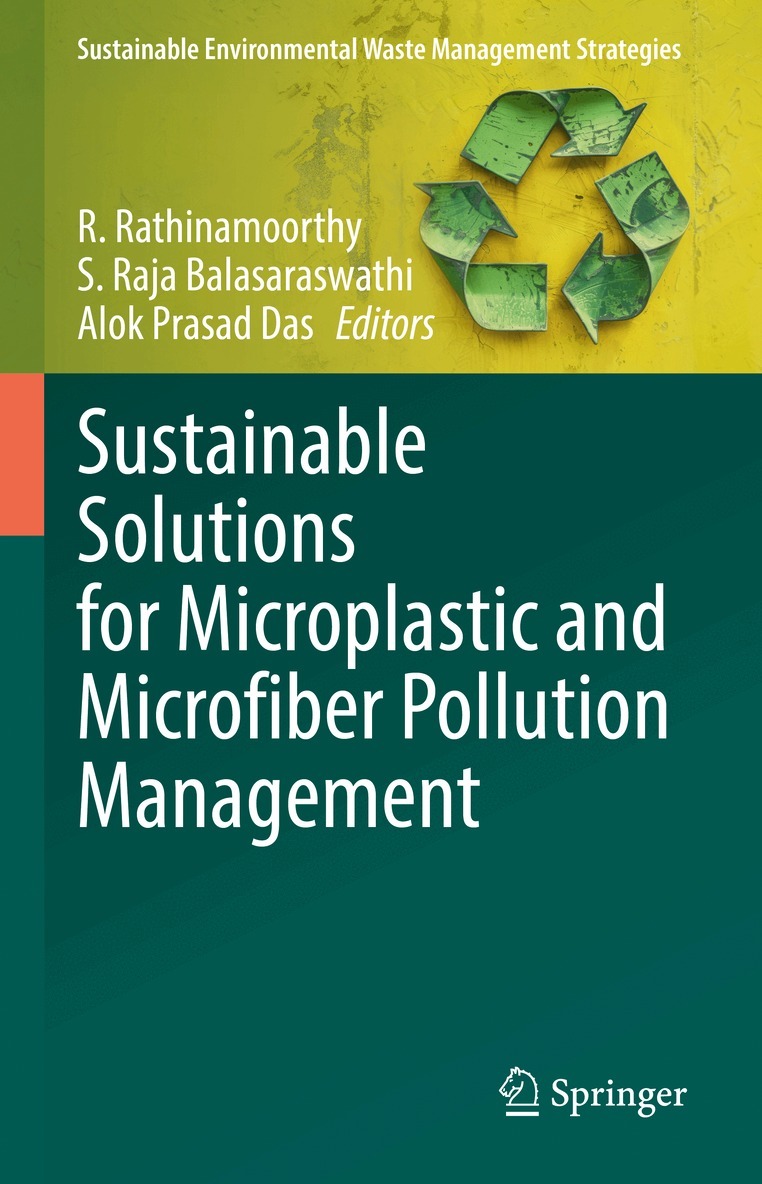
This volume offers a variety of cases detailing microplastic and microfiber contamination and remediation. Microplastics and microfibers are omnipresent in the environment and even in human bodies, and their presence can cause negative effects in both. Prevention of microfiber and microplastics from entering the environment and mitigating the effect of pollutants that are already present are societal imperatives. Most existing literature on this topic focuses on identifying the presence and corresponding impact of microfibers and microplastics in different ecosystems over mitigation. This book addresses this area but gives more focus to mitigation and remediation. The book also emphasizes sustainable and circular solutions to the microfiber/microplastic issue and how mitigation and remediation can move us toward achieving the UN Sustainable Development Goals.
2 449 kr
Kommande
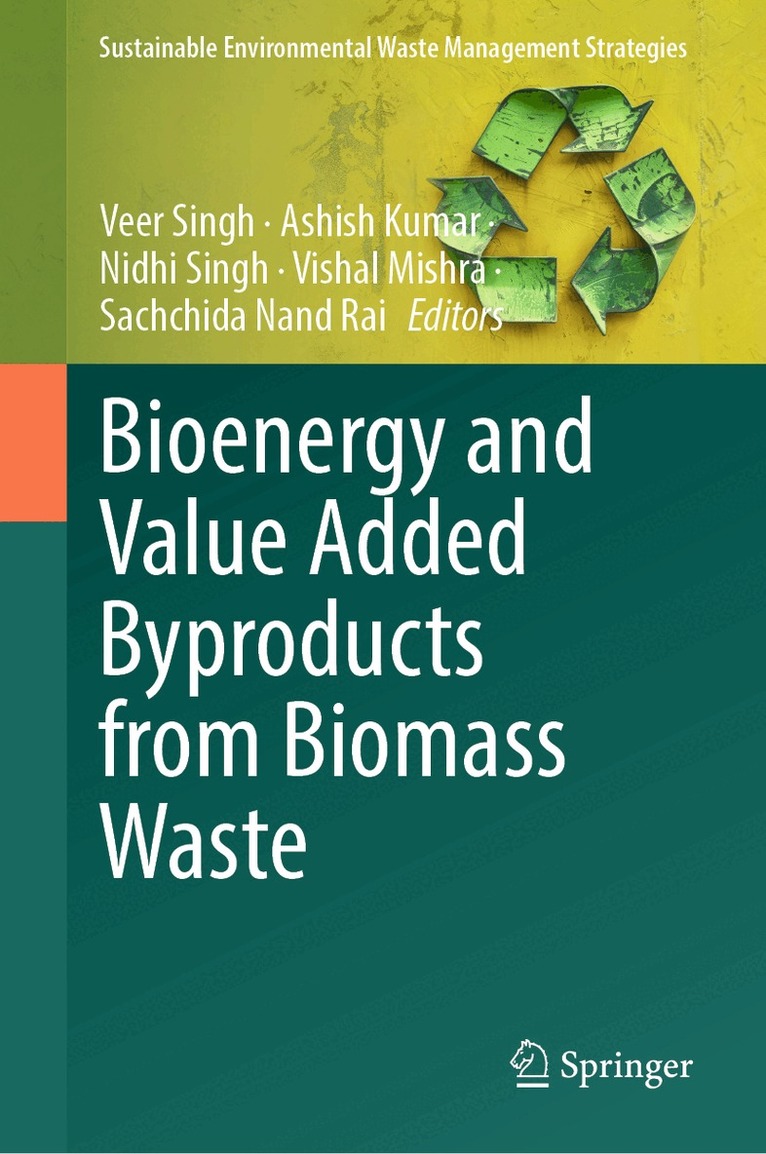
This contributed volume offers comprehensive analysis of biomass and its potential application in the field of bioenergy production. Biomass is a plant or microbial-based product and it can be turned into fuel (biofuel) and its byproducts can be utilized as adsorbent for the removal of several water contaminants such as heavy metals, dye, etc. Bioenergy is energy produced from renewable, biological sources and bioenergy is used as supply heat and electricity. Bioenergy can be obtained in several forms of biofuels. The liquid biofuels used in motor vehicles and agro-waste, forest wood used in several industrial operations for the production of heat and electricity. The feedstock of biofuel production includes grains (corn kernel and soybean), cellulosic materials (plant and crop residue), and microbial fuel cell (bacteria & algae) energy crops. Thus, bioenergy has attracted much attention and occupied a significant status in the world’s energy consumption and the fight against climate change. Biomass is converted into biofuels and a large amount of waste generates in the form of byproducts. The byproducts contain the majority of carbon, nitrogen and phosphorous. These byproducts utilize for the removal of organic and inorganic contaminants from wastewater. Adsorbent materials derived from biomass have several function groups on their surface which have an important role in the adsorption of heavy metal ions from wastewater. Microbial fuel cell (MFC) is used for bio-electricity generation and the remaining microbial dead biomass can be utilised for water and wastewater treatment. Here, we concluded the biomass application including plant, bacterial, algae and agro-waste in bioenergy production including biodiesel, bioethanol, biohydrogen, methane, and electricity. The byproducts of these biomasses utilize for the removal of water contaminants and safe disposal methods of used byproducts. The integrated approach of biomass to bioenergy conversion and utilization of byproducts for environmental application can be beneficial for the clean energy production process and zero waste generation.