Tamesis Companions - Böcker
Visar alla böcker i serien Tamesis Companions. Handla med fri frakt och snabb leverans.
12 produkter
12 produkter
1 617 kr
Skickas inom 7-10 vardagar
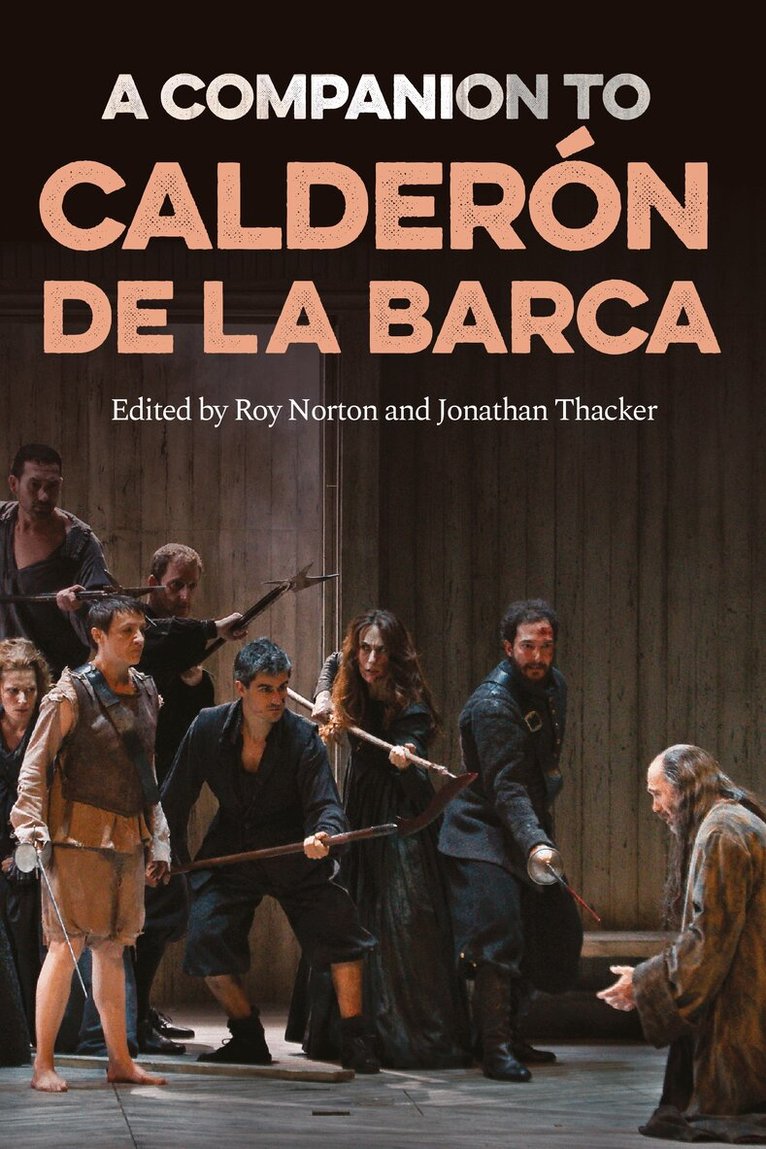
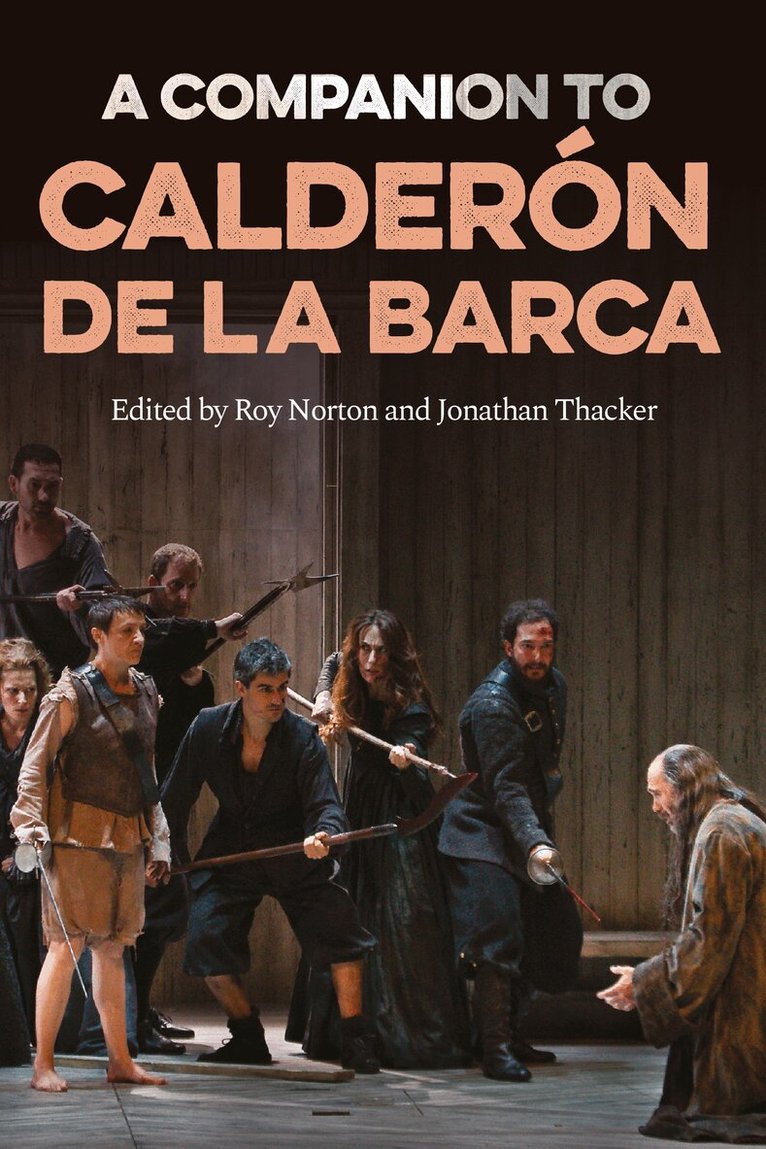
The first comprehensive study of Calderón in EnglishPedro Calderón de la Barca (1600-1681) is one of the most important dramatists - many would say the single most important dramatist - of the Spanish Golden Age. Spain's dominant and most prestigious playwright for much of the seventeenth century, his work is still regularly staged and translated, influential in more recent times on writers as diverse as Schiller, Shelley and Lorca. The author of around 120 plays (not counting his numerous Corpus Christi autos) in a variety of styles, Calderón is most famous for his stirring dramas, characterized by rhetorically powerful poetry, dramatic structures carefully calibrated to produce poignant echoes, and the fizzing intellectual energy they apply to the age's ontological, eschatological and political preoccupations. His plays succeed in combining these perennial concerns with compelling plots subtle enough to defy definitive interpretation. As this volume seeks to show, however, Calderón's comedies deserve equal recognition. Too long stereotyped as a dour, cerebral conservative, this playwright's comic works are as amusing as they are clever. This Companion is the first comprehensive study of Calderón in English. It provides a rigorous but readable introduction to the man, his work and its legacy. Its chapters - written by leading international comedia specialists - provide an overview of his life, explain his intellectual, social, moral, and literary contexts, and examine his stagecraft, his corpus, and his reception both within and without the Hispanic world up to the twenty-first century. Specific chapters are devoted to La vida es sueño, his most famous work, which appears on many a university syllabus, and to his infamous wife-murder plays.
1 197 kr
Skickas inom 7-10 vardagar
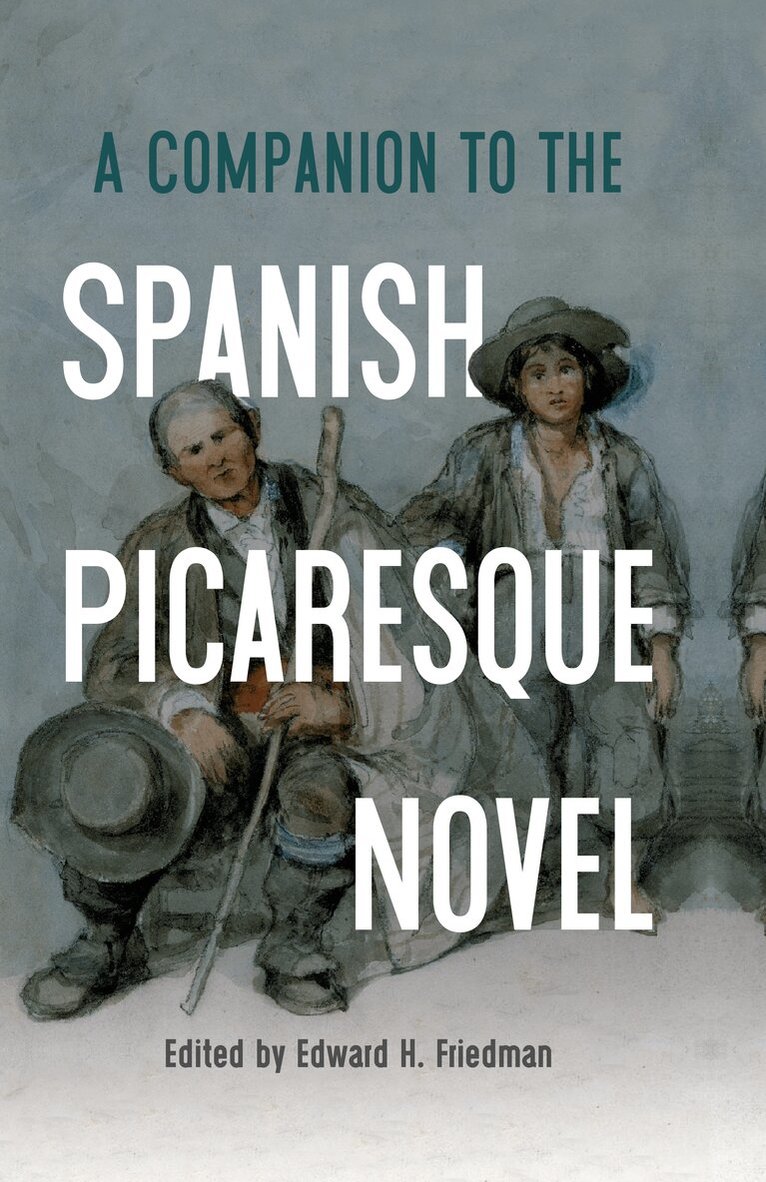
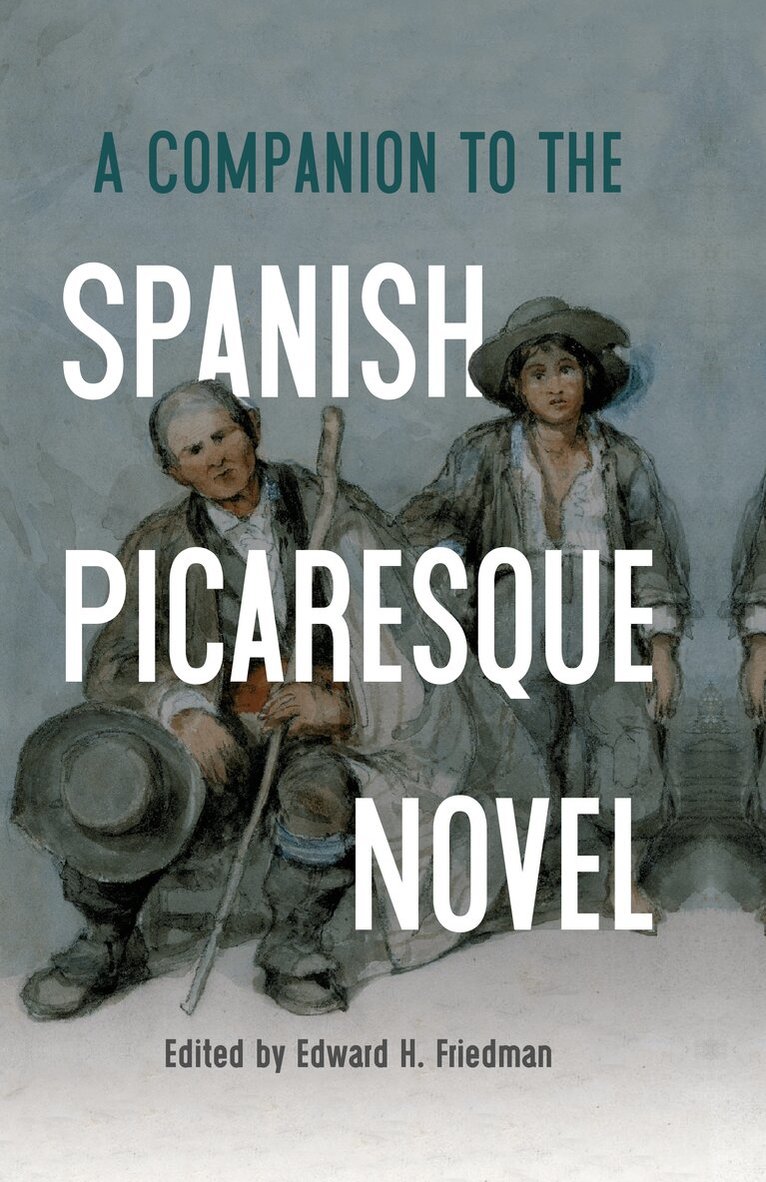
Written by an international group of scholars, this edited collection provides an overview of the Spanish picaresque from its origins in tales of lowborn adventurers to its importance for the modern novel, along with consideration of the debates that the picaresque has inspired.The term picaresque describes a specific set of early modern Spanish narratives relating the life story of a lowborn adventurer in a realist, ironic, and often humorous manner. The protagonist, the picaro or pícara (rascal), seeks upward mobility in a resolutely hierarchical society determined to prevent his - or her - ascent, and both are rich targets of satire. Spanish pícaros inspired Anglo-French rogues including Gil Blas and Tom Jones and paved the way for the modern novel. Written by an international group of scholars, this edited collection provides an overview of the Spanish picaresque novel from its origins to the present day, along with a treatment of the debates that the picaresque has inspired. After introductory chapters on the picaresque genre and the origin of the phenomenon, the book analyses canonical texts and their role in the picaresque spectrum. Further chapters then turn to critical approaches to the genre and manifestations of the picaresque in Hispanic America, France, England, and modern Spain. Overall, the book affords readers a broad sense of the range of this rich tradition and an in-depth view of the field and its major texts.
1 799 kr
Kommande
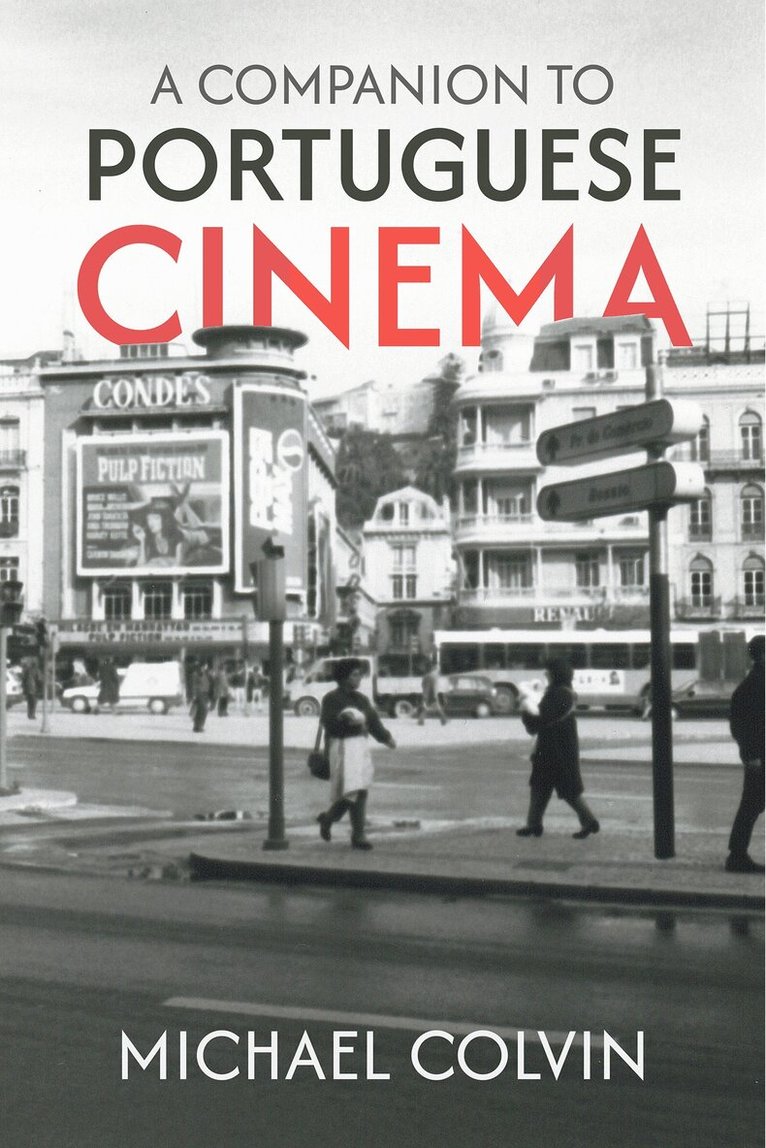
A compelling history of Portuguese cinema that reveals how politics, culture and technology shaped a national film tradition with international reach.The book focuses on the relationship between the major political, technological, and cultural movements in Portugal and the construction of a film industry, a national cinema, an international cinema, an auteur's cinema, and a Portuguese cinephile culture. After an introduction presenting a brief overview of Portuguese cinema in the context of Portuguese history and culture since the nineteenth century, the following chapters delve into silent film and the development of genres between 1896 and 1934; sound film and the construction of a national cinema under Portugal's newly established Estado Novo in the 1930s; the golden age and waning of the Portuguese comedy and class dramas in the 40s and 50s; the emergence of Cinema Novo between 1955 and 1979; cinematic responses to Portugal's political transitions in the late twentieth century; and Portuguese cinema in the contexts of private television and European cinema between the 1980s and the present day. The afterword reflects on the history, character, and function of Portuguese Cinema that Portuguese producers, directors, actors, critics, politicians, scholars, artists, and singers have made over the last 120 years and proposes Portuguese cinema as an international cinema.
Del 3 - Tamesis Companions
Companion to Spanish Environmental Cultural Studies
Inbunden, Engelska, 2023
1 163 kr
Skickas inom 7-10 vardagar
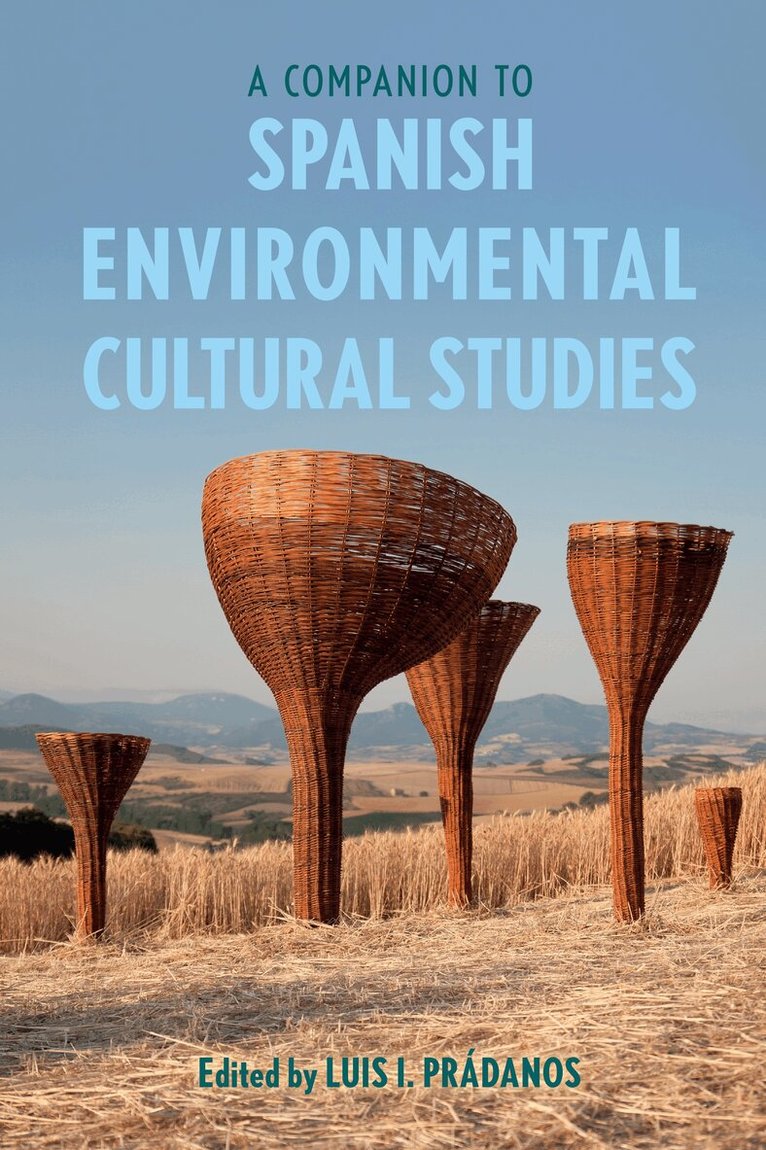
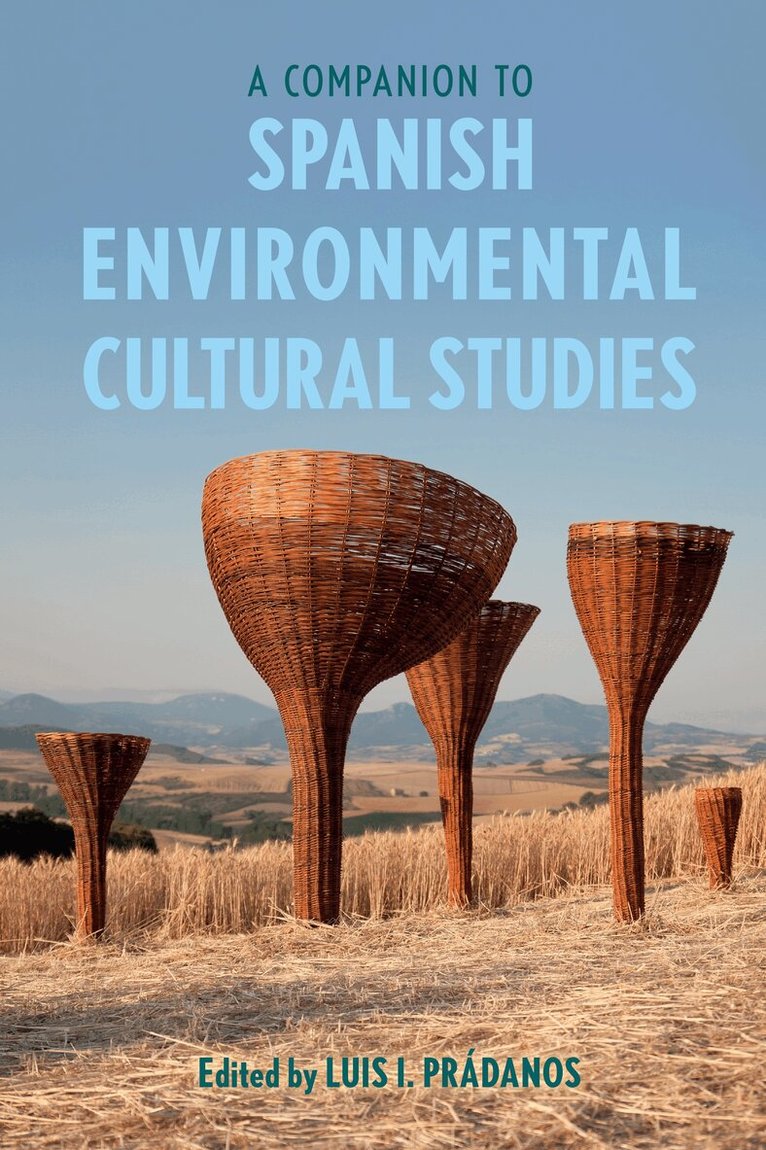
An exploration of how writers, artists, and filmmakers expose the costs and contest the assumptions of the Capitalocene era that guides readers through the rapidly developing field of Spanish environmental cultural studies.From the scars left by Franco's dams and mines to the toxic waste dumped in Equatorial Guinea, from the cruelty of the modern pork industry to the ravages of mass tourism in the Balearic Islands, this book delves into the power relations, material practices and social imaginaries underpinning the global economic system to uncover its unaffordable human and non-human costs. Guiding the reader through the rapidly emerging field of Spanish environmental cultural studies, with chapters on such topics as extractivism, animal studies, food studies, ecofeminism, decoloniality, critical race studies, tourism, and waste studies, an international team of US and European scholars show how Spanish writers, artists, and filmmakers have illuminated and contested the growth-oriented and neo-colonialist assumptions of the current Capitalocene era. Focussed on Spain, the volume also provides models for exploring the socioecological implications of cultural manifestations in other parts of the world.CONTRIBUTORS: Eugenia Afinoguénova, Samuel Amago, Daniel Ares-López, Kata Beilin, John Beusterien, Miguel Caballero Vázquez, Jorge Catalá, Glen S. Close, Jeffrey K. Coleman, Jamie de Moya-Cotter, Ana Fernández-Cebrián, Ofelia Ferrán, Tatjana Gajic , Pedro García-Caro, Santiago Gorostiza, Germán Labrador Méndez, Maryanne L. Leone, Shanna Lino, Jorge Marí, José Manuel Marrero Henríquez, Maria Antònia Martí Escayol, Christine Martínez, Cristina Martínez Tejero, Micah McKay, Pamela F. Phillips, Mercè Picornell, Luis I. Prádanos, Cécile Stehrenberger, John H. Trevathan, Joaquín Valdivielso, William Viestenz, Maite Zubiaurre
2 169 kr
Skickas inom 3-6 vardagar
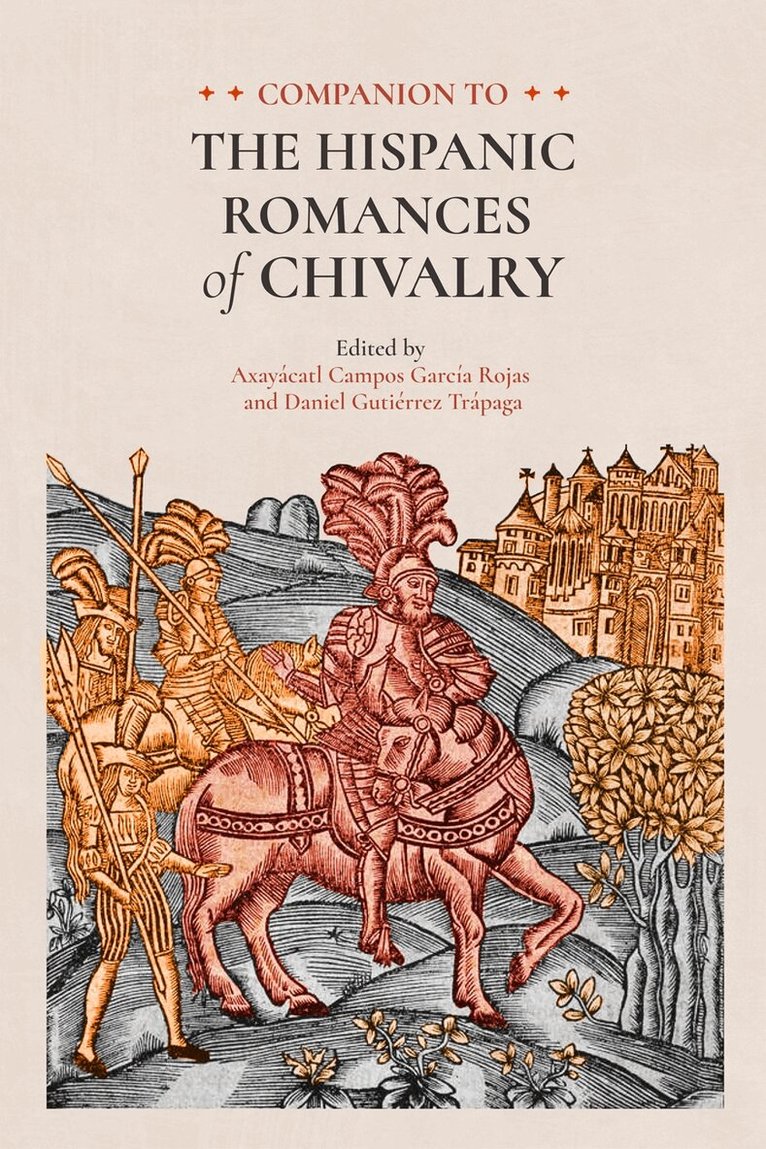
The first comprehensive overview of Hispanic chivalric romance in English.Hispanic romances of chivalry dominated Spanish and European fiction between the fifteenth and the seventeenth centuries. They became a cultural sensation which had a crucial influence on the development of modern narrative and other art forms. This companion, written by experts from Mexico, Italy, Spain, the UK, and the USA, provides a comprehensive introduction to this highly successful early modern genre, covering its origins, characteristics, canonical texts, circulation, and origins. This book also considers the relationship between chivalric romance and other literary genres, for instance, sentimental romance and Arthurian literature, as well as the publishing context and readership. Thus, it considers the main narrative, cultural, and literary aspects that defined Hispanic chivalric romances and provides an up-to-date literature review. Additionally, it includes an overview of its scholarly reception, as well as chapters on the recreations of these romances in other art forms, such as plays, ballads, music, children's literature, and the decorative arts. Ultimately, this book seeks to make these romances accessible, in all their variety and complexity, to scholars and students alike.
1 072 kr
Skickas inom 7-10 vardagar
A comprehensive account of modern Basque cultural life, written from an insider's perspective.Euskal Herria-the Land of the Basque Speakers-is a paradox: a nation without a state, a people divided between France and Spain, and a culture at once ancient and avant-garde. Long regarded as an anomaly, with a language unrelated to its neighbours and a population often imagined as rooted in prehistory, the Basque Country was, until recently, known internationally above all for the bombing of Gernika-immortalized by Picasso-and for the political violence of ETA. Yet in the twenty-first century, it has re-emerged as a vibrant cultural hub, drawing millions of visitors each year and projecting a distinctive image onto the global stage.A Companion to Basque Culture offers a comprehensive account of modern Basque cultural life. Opening with an introduction to the region's origins, geography, and historical trajectories, subsequent chapters explore language, literature, improvisational singing, the visual arts, festivals, cuisine, gender and the notion of a matriarchal culture, migration, and the dynamics of the Basque "brand." Written from an insider's perspective, this volume challenges fossilized and exoticized representations of Basque identity, examining instead how contemporary Basques negotiate the tensions between cultural distinctiveness and the pursuit of global recognition.
1 197 kr
Skickas inom 7-10 vardagar
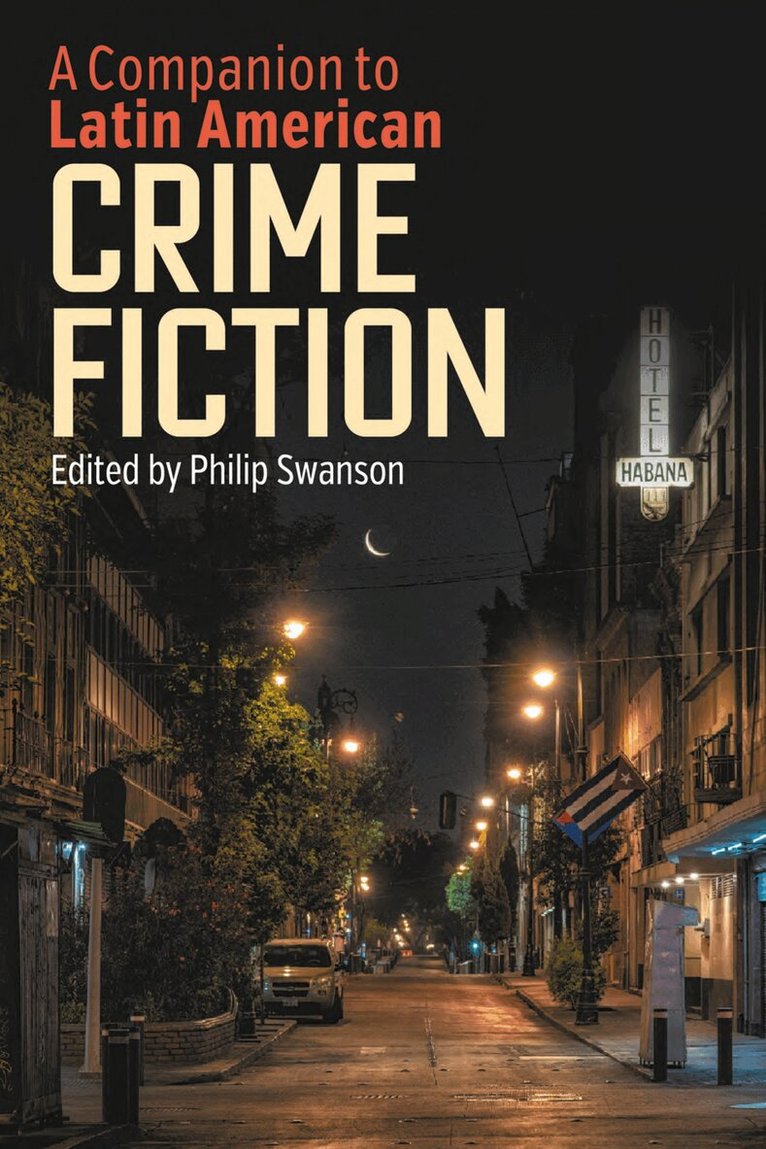
The first integrated overview in English of Latin American crime fiction, a flourishing genre with unique perspectives and characteristics.Latin American crime fiction has a long and rich history, and this volume offers the first integrated overview in English of a flourishing tradition with unique perspectives and characteristics. Featuring contributions from leading scholars of a multifarious genre often shortened to neopolicíaco or neopolicial, this Companion explores noir literature in Latin America. The first part looks at the history of the novela negra and its manifestations in Mexico, Argentina, Cuba and Brazil. The second part examines patterns and trends including literary crime fiction, the narconovela, a concern for increasing racial and sexual diversity and the phenomenon of true crime. In the third part, expert analyses are given of four leading authors and their work: Paco Ignacio Taibo II, Leonardo Padura Fuentes, Claudia Piñeiro and Rubem Fonseca. The book closes with a chapter on screen adaptations of crime fiction for film and television. Overall, the Companion provides a clear and authoritative account of Latin American crime fiction, showcasing its variety, fluidity and adaptability.
1 072 kr
Skickas inom 7-10 vardagar
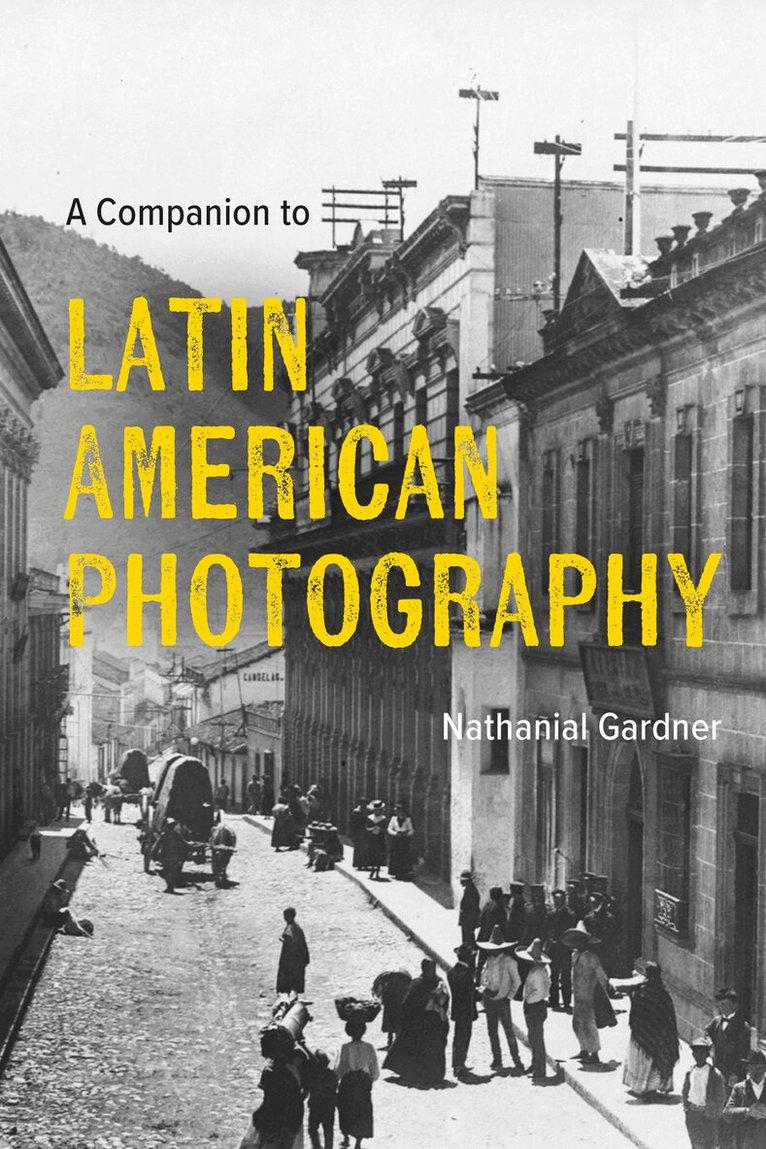
How can photography enrich our knowledge of Latin America?Photography provides unique insights into Latin America. It acts as a witness, agent, and archive - containing a wealth of knowledge about the continent, its social classes, and its multiple ethnicities. This companion introduces the reader to the role that photography plays in Latin America, offers ways in which it can be studied, and reveals how this medium can promote a deeper awareness of the region. It reviews the history of photography in Latin America; ways in which the technology transmits distinctive information; the influence of specific photographers and their relationships with patrons, mentors, and students; the role of institutions in promoting photography; and the developing Latin American canon. The Companion to Latin American Photography also explores how the medium can shape Latin American narratives and cultural identities; assert or question power; serve as testimony and memory; and represent and empower women, children and youth, as well as marginalized groups such as the disappeared. The study is intended not only to provide an overview of Latin American photography (including dozens of images from a vast array of photographers over the past two centuries), it also discusses innovative work taking place there. Above all, this book can be viewed as a guide to the ways in which photography can enhance and expand a viewer's knowledge of Latin America.
1 197 kr
Skickas inom 7-10 vardagar
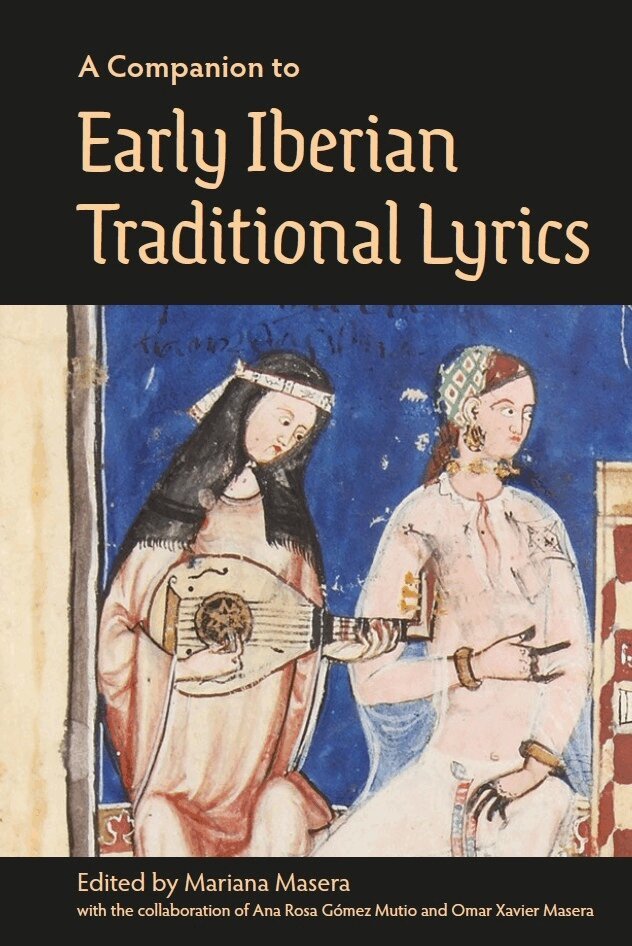
Accessible and reliable introduction in English to the earliest vernacular lyric poetry in the Iberian Peninsula.Dating to the tenth century, the earliest vernacular lyric poems in the Iberian Peninsula have been seen as evidence of an even older, oral, folk tradition and attest to the multicultural, multilingual nature of the genre from its very beginning. Primarily preserved in manuscript and printed songbooks, these poems were widely diffused across the Hispanic world. This Companion offers an accessible, reliable introduction in English to early Iberian traditional lyrics from a comparative and interdisciplinary perspective, paying special attention to their multicultural origins and their complex nature as both oral and written compositions. The opening chapters discuss the importance of understanding this dual essence in studying traditional lyrics today, provide an outline of their structure and formal features, and offer a contemporary overview of the field. The volume then examines the kharjas, the cantigas de amigo, and the tradition of Catalan lyricism before turning to a comparison of popular lyrics with the poetry of the cancioneros and romanceros and the preservation of the tradition in Sephardic ballads. The final chapters examine the survival of popular lyrics into the modern era and explore a new means of interpreting these poems through musical archaeology and musicological studies.
449 kr
Kommande
The first comprehensive study of Calderón in EnglishPedro Calderón de la Barca (1600-1681) is one of the most important dramatists - many would say the single most important dramatist - of the Spanish Golden Age. Spain's dominant and most prestigious playwright for much of the seventeenth century, his work is still regularly staged and translated, influential in more recent times on writers as diverse as Schiller, Shelley and Lorca. The author of around 120 plays (not counting his numerous Corpus Christi autos) in a variety of styles, Calderón is most famous for his stirring dramas, characterized by rhetorically powerful poetry, dramatic structures carefully calibrated to produce poignant echoes, and the fizzing intellectual energy they apply to the age's ontological, eschatological and political preoccupations. His plays succeed in combining these perennial concerns with compelling plots subtle enough to defy definitive interpretation. As this volume seeks to show, however, Calderón's comedies deserve equal recognition. Too long stereotyped as a dour, cerebral conservative, this playwright's comic works are as amusing as they are clever. This Companion is the first comprehensive study of Calderón in English. It provides a rigorous but readable introduction to the man, his work and its legacy. Its chapters - written by leading international comedia specialists - provide an overview of his life, explain his intellectual, social, moral, and literary contexts, and examine his stagecraft, his corpus, and his reception both within and without the Hispanic world up to the twenty-first century. Specific chapters are devoted to La vida es sueño, his most famous work, which appears on many a university syllabus, and to his infamous wife-murder plays.
321 kr
Kommande
An exploration of how writers, artists, and filmmakers expose the costs and contest the assumptions of the Capitalocene era that guides readers through the rapidly developing field of Spanish environmental cultural studies.From the scars left by Franco's dams and mines to the toxic waste dumped in Equatorial Guinea, from the cruelty of the modern pork industry to the ravages of mass tourism in the Balearic Islands, this book delves into the power relations, material practices and social imaginaries underpinning the global economic system to uncover its unaffordable human and non-human costs. Guiding the reader through the rapidly emerging field of Spanish environmental cultural studies, with chapters on such topics as extractivism, animal studies, food studies, ecofeminism, decoloniality, critical race studies, tourism, and waste studies, an international team of US and European scholars show how Spanish writers, artists, and filmmakers have illuminated and contested the growth-oriented and neo-colonialist assumptions of the current Capitalocene era. Focussed on Spain, the volume also provides models for exploring the socioecological implications of cultural manifestations in other parts of the world.CONTRIBUTORS: Eugenia Afinoguénova, Samuel Amago, Daniel Ares-López, Kata Beilin, John Beusterien, Miguel Caballero Vázquez, Jorge Catalá, Glen S. Close, Jeffrey K. Coleman, Jamie de Moya-Cotter, Ana Fernández-Cebrián, Ofelia Ferrán, Tatjana Gajic , Pedro García-Caro, Santiago Gorostiza, Germán Labrador Méndez, Maryanne L. Leone, Shanna Lino, Jorge Marí, José Manuel Marrero Henríquez, Maria Antònia Martí Escayol, Christine Martínez, Cristina Martínez Tejero, Micah McKay, Pamela F. Phillips, Mercè Picornell, Luis I. Prádanos, Cécile Stehrenberger, John H. Trevathan, Joaquín Valdivielso, William Viestenz, Maite Zubiaurre
342 kr
Kommande
Written by an international group of scholars, this edited collection provides an overview of the Spanish picaresque from its origins in tales of lowborn adventurers to its importance for the modern novel, along with consideration of the debates that the picaresque has inspired.The term picaresque describes a specific set of early modern Spanish narratives relating the life story of a lowborn adventurer in a realist, ironic, and often humorous manner. The protagonist, the picaro or pícara (rascal), seeks upward mobility in a resolutely hierarchical society determined to prevent his - or her - ascent, and both are rich targets of satire. Spanish pícaros inspired Anglo-French rogues including Gil Blas and Tom Jones and paved the way for the modern novel. Written by an international group of scholars, this edited collection provides an overview of the Spanish picaresque novel from its origins to the present day, along with a treatment of the debates that the picaresque has inspired. After introductory chapters on the picaresque genre and the origin of the phenomenon, the book analyses canonical texts and their role in the picaresque spectrum. Further chapters then turn to critical approaches to the genre and manifestations of the picaresque in Hispanic America, France, England, and modern Spain. Overall, the book affords readers a broad sense of the range of this rich tradition and an in-depth view of the field and its major texts.