Teaching and Research in Architecture - Böcker
Visar alla böcker i serien Teaching and Research in Architecture. Handla med fri frakt och snabb leverans.
3 produkter
3 produkter
486 kr
Skickas inom 7-10 vardagar
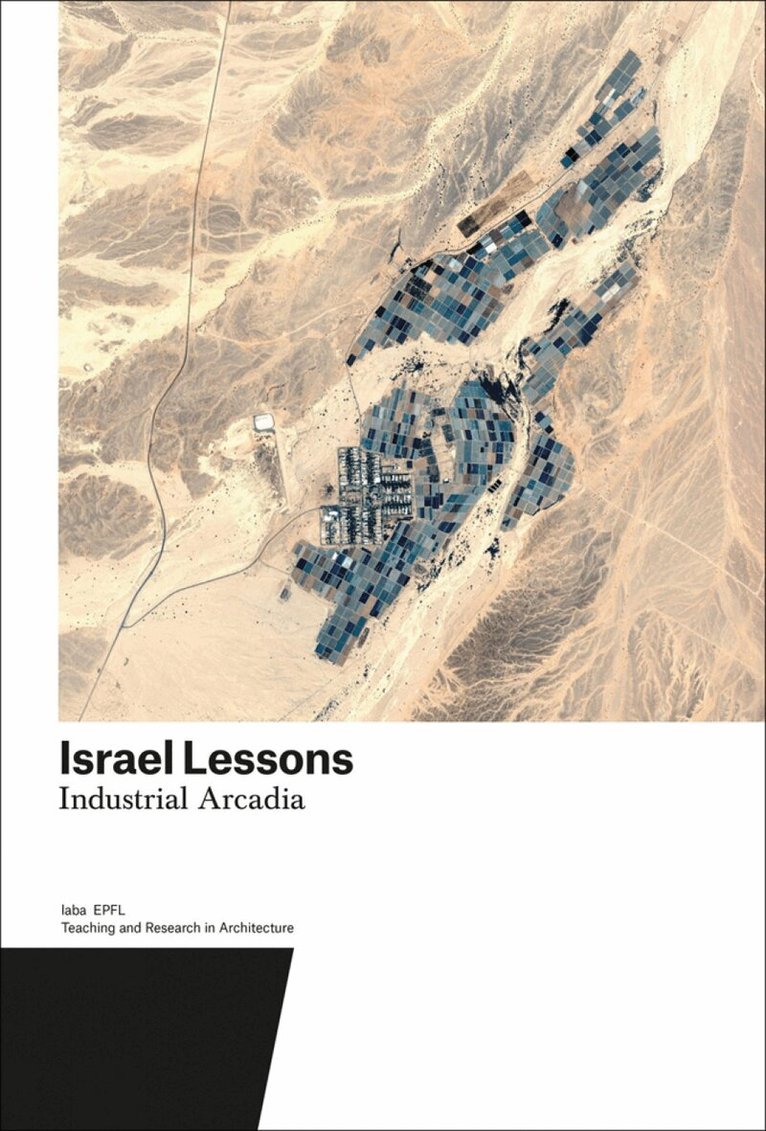
The Middle East is the birthplace of the Neolithic revolution that came to humanise and domesticate the planet. It is also considered the cradle of civilisation as it saw some of the very first developments in human social and technological inventions, such as cities, class-based societies, monumental architecture, writing, the wheel, and irrigation. The 2016/17 research campaign of EPFL's Laboratory Basel (laba) took a critical look at the part of this region that today forms the state of Israel and the role agriculture there played in territorial appropriation and domestication, in structuring the development of urbanisation, in creating a national homeland narrative, and in changing the climate. The research explored the three major types of Israeli agricultural development: the vernacular Palestinian/Bedouin, the socialist utopian Kibbutz/Moshav, and the contemporary high-tech desert farming.Israel Lessons: Industrial Arcadia presents the findings as text as well as visualised in striking images, graphics and maps. It also demonstrates how facts and narratives related to agriculture and the climate crisis are intertwined with geopolitics and sectarian ideals of earthly paradises. Proposals for architectural interventions designed by laba's students round out the book.
546 kr
Skickas inom 7-10 vardagar
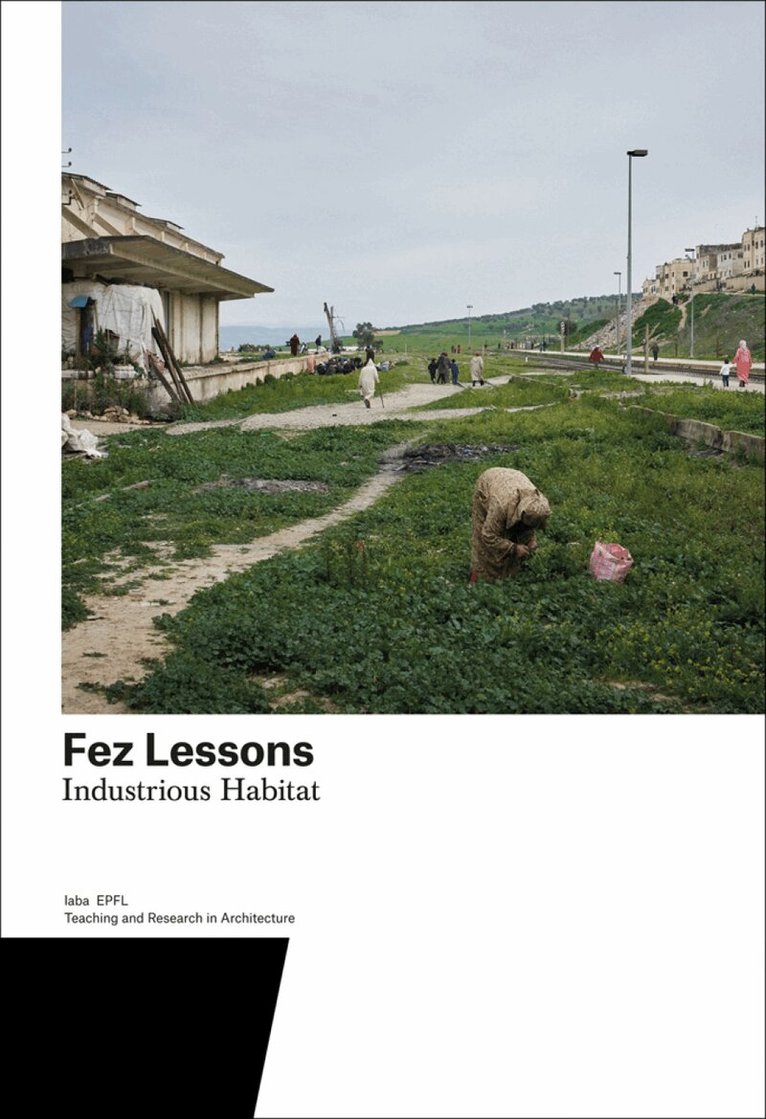
The infamous Scramble for Africa in the late 19th and 20th centuries disrupted the entire African continent with enduring repercussions. Morocco - located at a crossroads between Sub-Saharan Africa, the Arab-Muslim world in the Maghreb, and Mediterranean Europe - has struggled to withstand the resulting culturaland sociopolitical clashes ever since.Fez Lessons: Industrious Habitatlooks at Fez, Morocco's famous former capital and today its second-largest city. Based on a recent research program conducted by EPFL's Laboratory Basel (laba), it investigates how these clashes have marked the city's socioeconomic structure and urban fabric, and whether or not it offers alternative and relevant means of human association andcommunity.Given the growing stream of large-scale international investment, the constant enticement of tourism, and a worldwide revival of nationalism, Laba's student's and researchers were looking for tiny cues, nagging doubts, and signs of the fusion between form and life, raising questions about identity, authenticity, tradition, the globalisation of culture, and the use of local resources. Their findingsare visualised in the book in striking images, graphics and maps. Students' proposals for architectural interventions addressing these issues are presented through images and plans.
411 kr
Skickas
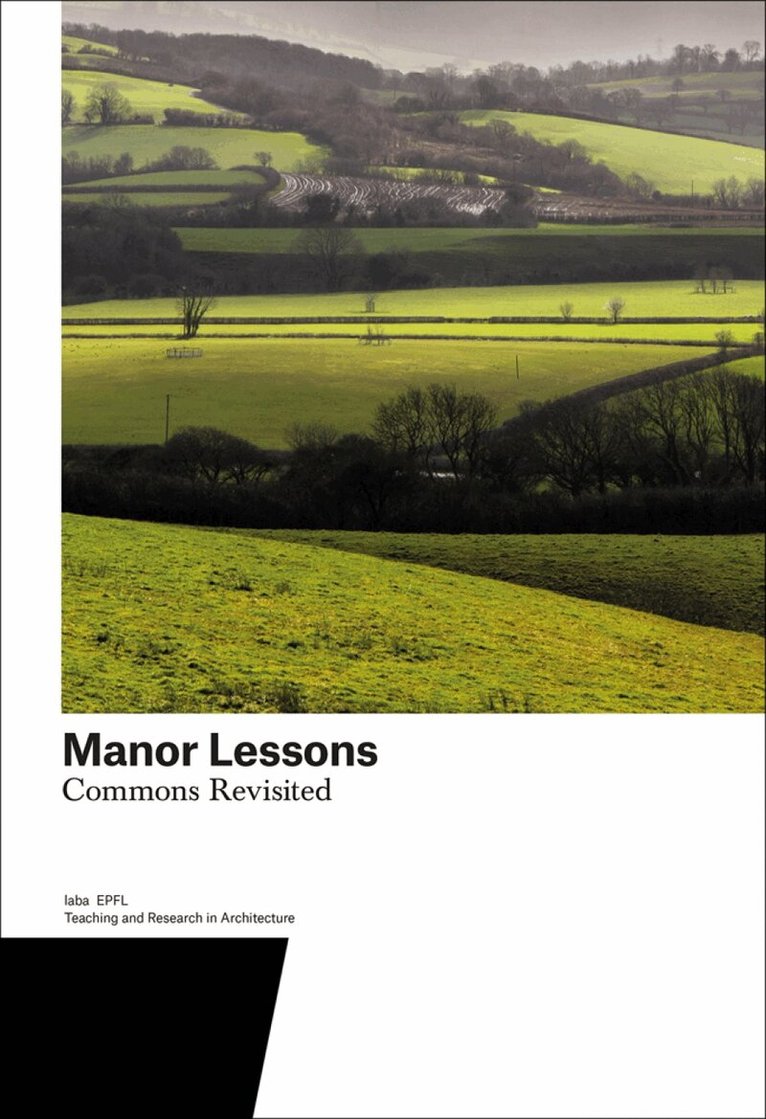
Our contemporary condition, governed by the abstract apparatus of the capitalist market, demands a critical reading of the distribution, ownership, and use of common resources such as land. This is especially true in Britain with its long history of privatisation stemming from land enclosure. The latest research campaign of Laboratory Basel (laba), a satellite studio of the École Polytechnique Fédérale de Lausanne, investigated the English manor house and how it can serve as a testing ground to reassess Britain’s complex and ongoing relationship with the countryside.The south-west of England, the most rural region of one of the more densely populated countries in Europe, reflects all the absurdities of a globalised country under pressure to develop economically, physically and environmentally. Highly protected landscapes, both natural and composed, form the backdrop to historic seats of political power and wealth, whilst sites of intense modern productivity are neatly concealed behind natural veils.Manor Lessons: Commons Revisited, the concluding volume of laba’s Teaching and Research in Architecture series, explores the lessons that can be learned from the compound history of the Manorial System, whose forgotten feudalistic origins were once rooted in the idea of the land, not as private property but as common ground.