Textbooks in Aging - Böcker
Visar alla böcker i serien Textbooks in Aging. Handla med fri frakt och snabb leverans.
8 produkter
8 produkter
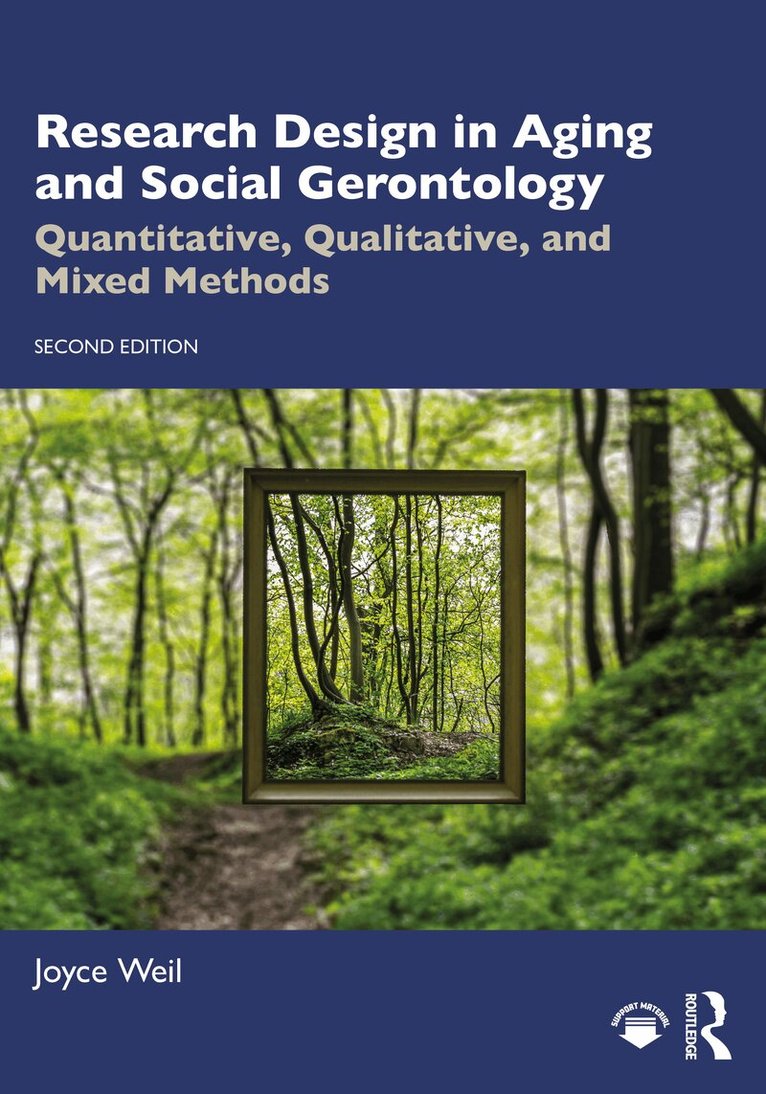
Research Design in Aging and Social Gerontology
Quantitative, Qualitative, and Mixed Methods
Häftad, Engelska, 2025
973 kr
Skickas inom 10-15 vardagar
This comprehensive book provides a review across methodological approaches and data-collection methods commonly used with older adults in real-life settings. It addresses the role of normative age-related sensory, cognitive, and functional changes, as well as the influence of generational cohort (age-period-cohort).Fully updated, this second edition reflects recent changes in gerontology and includes more information about equity, diversity and inclusion; the impact of the COVID-19 pandemic; the use of virtual research methods; discussion about the researcher’s reflexivity; the role of theory in research; qualitative research developments; an expansion of secondary analysis of data;and the use of artificial intelligence in research.Features include:Descriptions, evaluations, and applications of a wide range of methodological approaches and methods used to collect data about older persons (quantitative, qualitative, mixed, and emergent methods: photovoice, virtual environments, etc.)Ways to match research questions to selection of method without a preconceived methodological preference or dominanceReal-world and applied examples along with cases from the gerontological literature"How to" sections about reading output/software reports and qualitative-analysis screenshots (from NVivo) and quantitative (SPSS) output and interpretationPedagogical tools in every chapter such as text boxes, case studies, definitions of key terms, discussion questions, and references for further reading on chapter topicsGlossary of key terms, complete sample research report, and an overview of past methodological research design work in gerontologyThis text is intended for upper-level undergraduates and masters students in aging and gerontology as well as students in human development, applied anthropology, psychology, public health, sociology, and social work settings. Healthcare professionals, social workers, and care managers who work with older adults will also find this text a valuable resource.At www.routledge.com/cw/weil instructors will find PowerPoint presentations, additional discussion questions, suggestions for in-class activities and assessments and a sample syllabus; and students will find flashcards based on glossary terms, a downloadable copy of the sample research report in the text, links to data sets, related websites, online videos and podcasts, further reading, select gerontological journals and multiple choice and true or false questions.
Research Design in Aging and Social Gerontology
Quantitative, Qualitative, and Mixed Methods
Inbunden, Engelska, 2025
2 176 kr
Skickas inom 10-15 vardagar
This comprehensive book provides a review across methodological approaches and data-collection methods commonly used with older adults in real-life settings. It addresses the role of normative age-related sensory, cognitive, and functional changes, as well as the influence of generational cohort (age-period-cohort).Fully updated, this second edition reflects recent changes in gerontology and includes more information about equity, diversity and inclusion; the impact of the COVID-19 pandemic; the use of virtual research methods; discussion about the researcher’s reflexivity; the role of theory in research; qualitative research developments; an expansion of secondary analysis of data;and the use of artificial intelligence in research.Features include:Descriptions, evaluations, and applications of a wide range of methodological approaches and methods used to collect data about older persons (quantitative, qualitative, mixed, and emergent methods: photovoice, virtual environments, etc.)Ways to match research questions to selection of method without a preconceived methodological preference or dominanceReal-world and applied examples along with cases from the gerontological literature"How to" sections about reading output/software reports and qualitative-analysis screenshots (from NVivo) and quantitative (SPSS) output and interpretationPedagogical tools in every chapter such as text boxes, case studies, definitions of key terms, discussion questions, and references for further reading on chapter topicsGlossary of key terms, complete sample research report, and an overview of past methodological research design work in gerontologyThis text is intended for upper-level undergraduates and masters students in aging and gerontology as well as students in human development, applied anthropology, psychology, public health, sociology, and social work settings. Healthcare professionals, social workers, and care managers who work with older adults will also find this text a valuable resource.At www.routledge.com/cw/weil instructors will find PowerPoint presentations, additional discussion questions, suggestions for in-class activities and assessments and a sample syllabus; and students will find flashcards based on glossary terms, a downloadable copy of the sample research report in the text, links to data sets, related websites, online videos and podcasts, further reading, select gerontological journals and multiple choice and true or false questions.
Research Design in Aging and Social Gerontology
Quantitative, Qualitative, and Mixed Methods
Inbunden, Engelska, 2017
1 674 kr
Tillfälligt slut
Research Design in Aging and Social Gerontology provides a review of methodological approaches and data-collection methods commonly used with older adults in real-life settings. It addresses the role of normative age-related sensory, cognitive, and functional changes, as well as the influence of generational cohort (age-period-cohort) upon each design. It discusses the role of older adults as true co-researchers; issues uniquely related to studies of persons residing in community-based, assisted, skilled, and memory-care settings; and ethical concerns related to cognitive status changes. The text concludes with detailed guidelines for improving existing data collection methods for older persons and selecting the best fitting methodologies for use in planning research on aging.Features of Research Design in Aging and Social Gerontology include: Descriptions and evaluations of a wide range of methodological approaches, and methods used to collect data about older persons (quantitative, qualitative, mixed, and emergent methods: photovoice, virtual environments, etc.) Ways to match research questions to selection of method without a preconceived methodological preference or dominance Real-world and applied examples along with cases from the gerontological literature "How to" sections about reading output/software reports and qualitative-analysis screenshots (from ATLAS.ti) and quantitative (SPSS) output and interpretation Pedagogical tools in every chapter such as text boxes, case studies, definitions of key terms, discussion questions, and references for further reading on chapter topics Glossary of key terms, complete sample research report, and an overview of past methodological research design work in gerontology Companion website at www.routledge.com/cw/Weil where instructors will find PowerPoint presentations, additional discussion questions, and a sample syllabus; and students will find flashcards based on glossary terms, a downloadable copy of the sample research report in the text, and links to data sets, related websites, further reading, and select gerontological journalsThis text is intended for upper-level undergraduates and masters students in aging and gerontology as well as students in human development, applied anthropology, psychology, public health, sociology, and social-work settings. Health care professionals, social workers, and care managers who work with older adults will also find this text a valuable resource.
Research Design in Aging and Social Gerontology
Quantitative, Qualitative, and Mixed Methods
Häftad, Engelska, 2017
648 kr
Tillfälligt slut
Research Design in Aging and Social Gerontology provides a review of methodological approaches and data-collection methods commonly used with older adults in real-life settings. It addresses the role of normative age-related sensory, cognitive, and functional changes, as well as the influence of generational cohort (age-period-cohort) upon each design. It discusses the role of older adults as true co-researchers; issues uniquely related to studies of persons residing in community-based, assisted, skilled, and memory-care settings; and ethical concerns related to cognitive status changes. The text concludes with detailed guidelines for improving existing data collection methods for older persons and selecting the best fitting methodologies for use in planning research on aging.Features of Research Design in Aging and Social Gerontology include: Descriptions and evaluations of a wide range of methodological approaches, and methods used to collect data about older persons (quantitative, qualitative, mixed, and emergent methods: photovoice, virtual environments, etc.) Ways to match research questions to selection of method without a preconceived methodological preference or dominance Real-world and applied examples along with cases from the gerontological literature "How to" sections about reading output/software reports and qualitative-analysis screenshots (from ATLAS.ti) and quantitative (SPSS) output and interpretation Pedagogical tools in every chapter such as text boxes, case studies, definitions of key terms, discussion questions, and references for further reading on chapter topics Glossary of key terms, complete sample research report, and an overview of past methodological research design work in gerontology Companion website at www.routledge.com/cw/Weil where instructors will find PowerPoint presentations, additional discussion questions, and a sample syllabus; and students will find flashcards based on glossary terms, a downloadable copy of the sample research report in the text, and links to data sets, related websites, further reading, and select gerontological journalsThis text is intended for upper-level undergraduates and masters students in aging and gerontology as well as students in human development, applied anthropology, psychology, public health, sociology, and social-work settings. Health care professionals, social workers, and care managers who work with older adults will also find this text a valuable resource.
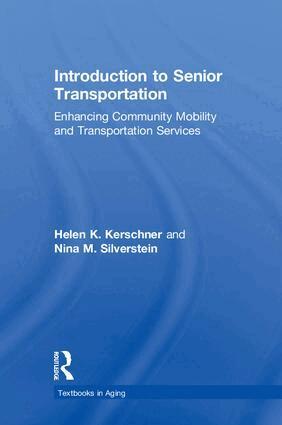
Introduction to Senior Transportation
Enhancing Community Mobility and Transportation Services
Inbunden, Engelska, 2018
2 456 kr
Skickas inom 10-15 vardagar
Introduction to Senior Transportation focuses on an issue that is a growing concern—the community mobility needs of older adults. Surpassing the coverage available in existing gerontology textbooks, it enables the reader to understand and appreciate the challenges faced by older adults as they make the transition from driving to using transportation options (many of which were not designed to meet their particular needs). It considers the physical and cognitive limitations of older adult passengers, the family of transportation services, the challenges providers face in meeting the assistance and support needs of senior passengers, and the transportation methods that do and do not currently meet the needs and wants of senior passengers. This textbook addresses the educational and professional development needs of faculty, students, and practitioners working in the fields of aging, aging services, and transportation. The book has been class-tested and features innovative, practical learning tools that appeal to students and practitioners. It complements any introductory course in gerontology, human development and aging, or human factors, and will enhance the curriculum of programs in the social behavioral sciences as well as traffic safety, transit engineering, and community planning.
Introduction to Senior Transportation
Enhancing Community Mobility and Transportation Services
Häftad, Engelska, 2018
847 kr
Skickas inom 10-15 vardagar
Introduction to Senior Transportation focuses on an issue that is a growing concern—the community mobility needs of older adults. Surpassing the coverage available in existing gerontology textbooks, it enables the reader to understand and appreciate the challenges faced by older adults as they make the transition from driving to using transportation options (many of which were not designed to meet their particular needs). It considers the physical and cognitive limitations of older adult passengers, the family of transportation services, the challenges providers face in meeting the assistance and support needs of senior passengers, and the transportation methods that do and do not currently meet the needs and wants of senior passengers. This textbook addresses the educational and professional development needs of faculty, students, and practitioners working in the fields of aging, aging services, and transportation. The book has been class-tested and features innovative, practical learning tools that appeal to students and practitioners. It complements any introductory course in gerontology, human development and aging, or human factors, and will enhance the curriculum of programs in the social behavioral sciences as well as traffic safety, transit engineering, and community planning.
2 251 kr
Skickas inom 10-15 vardagar
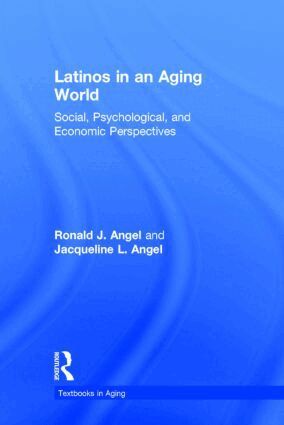
This book fosters a deeper understanding of the growing Latino elderly population and the implications on society. It examines post-WWII demographic and social changes and summarizes research from sociology, psychology, economics, and public health to shed light on the economic, physical, and mental well-being of older Latinos. The political and cultural implications including possible policy changes are also considered. Written in an engaging style, each chapter opens with a vignette that puts a human face on the issues. Boxed exhibits highlight social programs and policies and physical and mental health challenges that impact Latino elders. Web alerts direct readers to sites that feature more detailed information related to the chapter’s issues. Each chapter also features an introduction, examples, tables, figures, a summary, and discussion questions. The self-contained chapters can be presented in any order. Latinos in an Aging World explores:Real world problems individuals face in dealing with poverty, immigration, and health and retirement decisionsThe latest data on Latinos as compared to research on African- and Asian- Americans where appropriateThe unique historical, demographic, social, familial, and economic situations of various Latino subgroups including those from Mexico, Puerto Rico, and CubaHow ethnicity affects one’s position of wealth and power and sense of citizenship. The consequence of life-long disadvantages and stigmatization on economic, physical, and mental well-beingThe impact of one’s neighborhood and the proximity to those from similar cultures on quality of life. The introduction motivates the book and sets the stage for the entire discussion. Chapter 1 reviews the histories of the major Hispanic subgroups along with various theories as they relate to race, ethnicity, and gender that provide a conceptual framework for understanding the later chapters. Demographic, economic, and social profiles of the various Hispanic subgroups are explored in chapter 2. Next the Latino population is explored from various perspectives including the economic and social situations of men and women and their educational, marital and family, and labor force experiences. Chapter 4 examines older immigrants and their families and identifies the resources available to them in their communities that often replicate the cultural and social support system of the old country. Major health risks that older Latinos face as a result of the disadvantages they experience throughout life are examined in chapter 5. Family situations and long-term care and living arrangements of older Hispanics are examined in chapter 6. The impact of neighborhood on quality of life in terms of safety and physical and mental wellbeing is explored in chapter 7. The burden that eldercare can place upon those who bear the responsibility of their daily care is explored in chapter 8. Chapter 9 investigates the gaps in income between minority and non-Hispanic white Americans and reviews what individuals with few resources need to know about financial management. The book concludes with the social, political, and economic implications of the growing Hispanic population and the role of NGOs and other organizations in providing services to older populations. Intended for courses on Latinos and aging, diversity, race and ethnicity, minorities and aging, adult development and aging, the psychology or sociology or politics of aging, geriatric social work, public health and aging, global aging, social or family policy, and health and society taught in the behavioral and social sciences, ethnic, or Latin American/Chicano Studies, this book also appeals to researchers and practitioners who work with Hispanic families.
786 kr
Skickas inom 10-15 vardagar
This book fosters a deeper understanding of the growing Latino elderly population and the implications on society. It examines post-WWII demographic and social changes and summarizes research from sociology, psychology, economics, and public health to shed light on the economic, physical, and mental well-being of older Latinos. The political and cultural implications including possible policy changes are also considered. Written in an engaging style, each chapter opens with a vignette that puts a human face on the issues. Boxed exhibits highlight social programs and policies and physical and mental health challenges that impact Latino elders. Web alerts direct readers to sites that feature more detailed information related to the chapter’s issues. Each chapter also features an introduction, examples, tables, figures, a summary, and discussion questions. The self-contained chapters can be presented in any order. Latinos in an Aging World explores:Real world problems individuals face in dealing with poverty, immigration, and health and retirement decisionsThe latest data on Latinos as compared to research on African- and Asian- Americans where appropriateThe unique historical, demographic, social, familial, and economic situations of various Latino subgroups including those from Mexico, Puerto Rico, and CubaHow ethnicity affects one’s position of wealth and power and sense of citizenship. The consequence of life-long disadvantages and stigmatization on economic, physical, and mental well-beingThe impact of one’s neighborhood and the proximity to those from similar cultures on quality of life. The introduction motivates the book and sets the stage for the entire discussion. Chapter 1 reviews the histories of the major Hispanic subgroups along with various theories as they relate to race, ethnicity, and gender that provide a conceptual framework for understanding the later chapters. Demographic, economic, and social profiles of the various Hispanic subgroups are explored in chapter 2. Next the Latino population is explored from various perspectives including the economic and social situations of men and women and their educational, marital and family, and labor force experiences. Chapter 4 examines older immigrants and their families and identifies the resources available to them in their communities that often replicate the cultural and social support system of the old country. Major health risks that older Latinos face as a result of the disadvantages they experience throughout life are examined in chapter 5. Family situations and long-term care and living arrangements of older Hispanics are examined in chapter 6. The impact of neighborhood on quality of life in terms of safety and physical and mental wellbeing is explored in chapter 7. The burden that eldercare can place upon those who bear the responsibility of their daily care is explored in chapter 8. Chapter 9 investigates the gaps in income between minority and non-Hispanic white Americans and reviews what individuals with few resources need to know about financial management. The book concludes with the social, political, and economic implications of the growing Hispanic population and the role of NGOs and other organizations in providing services to older populations. Intended for courses on Latinos and aging, diversity, race and ethnicity, minorities and aging, adult development and aging, the psychology or sociology or politics of aging, geriatric social work, public health and aging, global aging, social or family policy, and health and society taught in the behavioral and social sciences, ethnic, or Latin American/Chicano Studies, this book also appeals to researchers and practitioners who work with Hispanic families.