
Textile Institute Series: Responsibility and Sustainability – serie
Visar alla böcker i serien Textile Institute Series: Responsibility and Sustainability. Handla med fri frakt och snabb leverans.
3 produkter
3 produkter
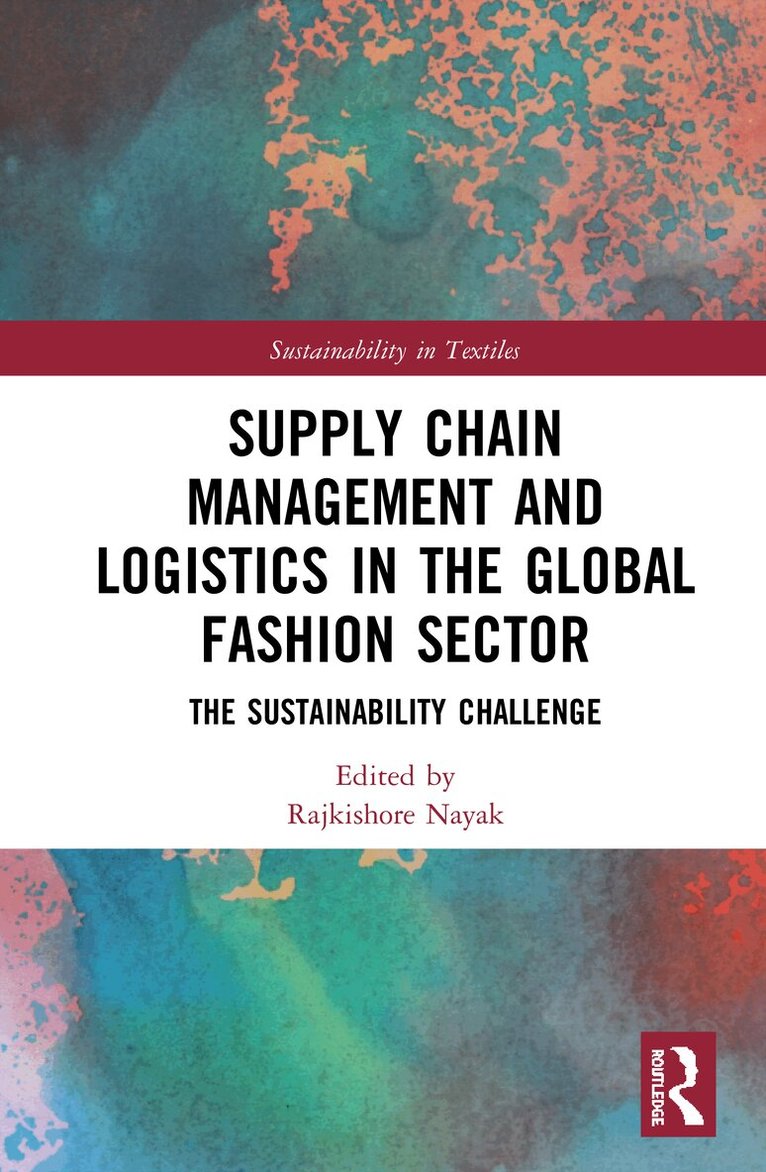
Supply Chain Management and Logistics in the Global Fashion Sector
The Sustainability Challenge
Inbunden, Engelska, 2020
2 113 kr
Skickas inom 10-15 vardagar
The ways in which we design, make, transport and then discard clothes has a huge social and environmental impact. This book covers responsible business practices and sustainability in the fashion industry from the raw fibre stage, through production, to the point of customer consumption. The concepts of responsibility and sustainability are fast becoming essential factors in business decisions and Supply Chain Management and Logistics in the Global Fashion Sector leads the reader through the multiple stages in the supply chain that can impact on business strategy.A perfect resource for students studying fashion and for those working in the sector who wish to identify the latest thinking as they plan sustainability strategies, the book is divided into four clear sections. Part I of the book examines sustainability in the supply chain by identifying the three pillars of sustainability (social, economic and environmental) and considers how fashion brands are innovating in this area. Part II looks at fashion logistics and supply chain operations by assessing fibre, yarn and fabric considerations, logistical issues for both garment production, and service delivery, stock control, transportation, barriers and risks. Part III develops the logistics theme further by identifying recent trends and case studies that highlight agility and lean management structures, and the application of transparency enhancing radio frequency identification (RFID). This section further applies modelling and simulation techniques from the automotive and pharmaceutical industries to the fashion sector. Part IV considers how sustainability can be embedded into the multi-tiered fashion supply chain and its selling environment.
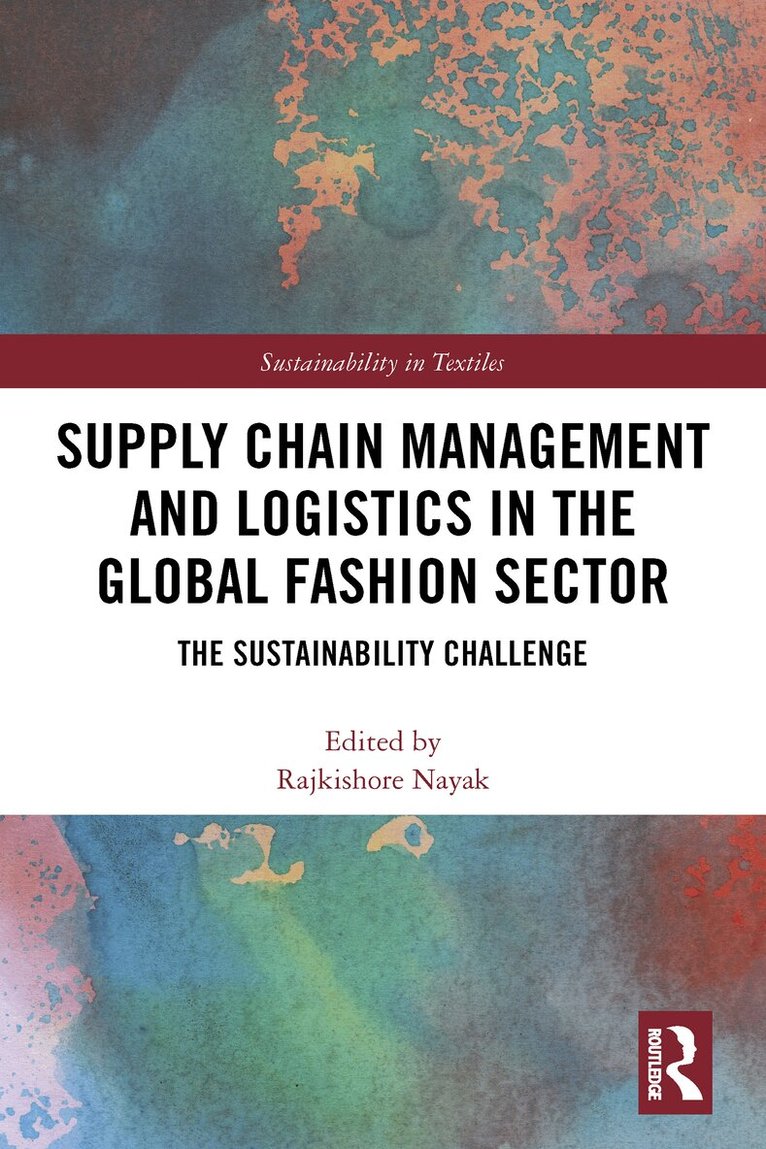
Supply Chain Management and Logistics in the Global Fashion Sector
The Sustainability Challenge
Häftad, Engelska, 2024
578 kr
Skickas inom 10-15 vardagar
The ways in which we design, make, transport and then discard clothes has a huge social and environmental impact. This book covers responsible business practices and sustainability in the fashion industry from the raw fibre stage, through production, to the point of customer consumption. The concepts of responsibility and sustainability are fast becoming essential factors in business decisions and Supply Chain Management and Logistics in the Global Fashion Sector leads the reader through the multiple stages in the supply chain that can impact on business strategy.A perfect resource for students studying fashion and for those working in the sector who wish to identify the latest thinking as they plan sustainability strategies, the book is divided into four clear sections. Part I of the book examines sustainability in the supply chain by identifying the three pillars of sustainability (social, economic and environmental) and considers how fashion brands are innovating in this area. Part II looks at fashion logistics and supply chain operations by assessing fibre, yarn and fabric considerations, logistical issues for both garment production, and service delivery, stock control, transportation, barriers and risks. Part III develops the logistics theme further by identifying recent trends and case studies that highlight agility and lean management structures, and the application of transparency enhancing radio frequency identification (RFID). This section further applies modelling and simulation techniques from the automotive and pharmaceutical industries to the fashion sector. Part IV considers how sustainability can be embedded into the multi-tiered fashion supply chain and its selling environment.
2 176 kr
Skickas inom 10-15 vardagar
The make-take-waste paradigm of fast fashion explains much of the producer and consumer behavior patterns towards fast fashion. The evolution from a two-season fashion calendar to fast fashion, characterized by rapid product cycles from retailers and impulse buying by consumers, presents new challenges to the environment, workplace and labour practices. This book provides a comprehensive overview of new insights into consumer behaviour mechanisms in order to shift practices toward sustainable fashion and to minimize the negative impacts of fast fashion on the environment and society. Concepts and techniques are presented that could overcome the formidable economic drivers of fast fashion and lead toward a future of sustainable fashion. While the need for change in the fashion industry post-Rana Plaza could not be more obvious, alternative and more sustainable consumption models have been under-investigated. The paucity of such research extends to highly consumptive consumer behaviours regarding fast fashion (i.e. impulse buying and throwaways) and the related impediments these behaviours pose for sustainable fashion.Written by leading researchers in the field of sustainable fashion and supported by the Textile Institute, this book evaluates fashion trends, what factors have led to new trends and how the factors supporting fast fashion differ from those of the past. It explores the economic drivers of fast fashion and what social, environmental and political factors should be maintained, and business approaches adopted, in order for fast fashion to be a sustainable model. In particular, it provides consumer behaviour concepts that can be utilized at the retail level to support sustainable fashion.