• Fri frakt över 249 kr
  • •
  • Snabba leveranser
  • •
  • Billiga böcker
Kundservice

Du är på sajten för privatpersoner.

Företag, bibliotek eller offentlig verksamhet?

Du handlar på classic.bokus.com, där alla dina funktioner finns intakta.
Till classic.bokus.com
Bokus logotyp. Gå till startsidan.
  • Erbjudanden
  • Nyheter
  • Student
  • Topplistor
  • Barn & ungdom
  • Bokus Play
  • E-böcker
  • Pocketböcker
  • Spel & pussel

10% studentrabatt med kod TERM26

Sidfot

Mina sidor

    Hjälp

    • Kundservice
    • Vanliga frågor och svar
    • Frakt och leverans
    • Retur vid ångerrätt
    • Reklamera vara
    • Betalning
    • Köpvillkor
    • Allmänna villkor
    • Information om webbplatsens tillgänglighet

    Om Bokus

    • Om oss
    • Pressrum
    • För studenter
    • För företag
    • För bibliotek och offentlig verksamhet
    • För leverantörer
    • Hållbarhet

    Populärt

    • Aktuella erbjudanden
    • Presentkort
    • Studentlitteratur
    • Nya böcker
    • Topplistor
    • Signerade böcker
    • Engelska böcker

    Inspiration

    • Boktips
    • BookTok
    • Populära bokserier
    • Barnbokskaraktärer
    • Populära författare
    Logotyp för Bokus
    Följ oss på Facebook (extern länk)Följ oss på Instagram (extern länk)Följ oss på YouTube (extern länk)Följ oss på TikTok (extern länk)
    bokus @ CookiesAnpassa cookiesIntegritetspolicyKöpvillkor
    Till Citymail hemsida (extern länk)Till Budbee hemsida (extern länk)Till Postnord hemsida (extern länk)Till Schenker hemsida (extern länk)Till Early Bird hemsida (extern länk)Till Walleys hemsida (extern länk)
    1. Ekonomi och Ledarskap
    2. Industrier och branscher
    3. Servicesektorn

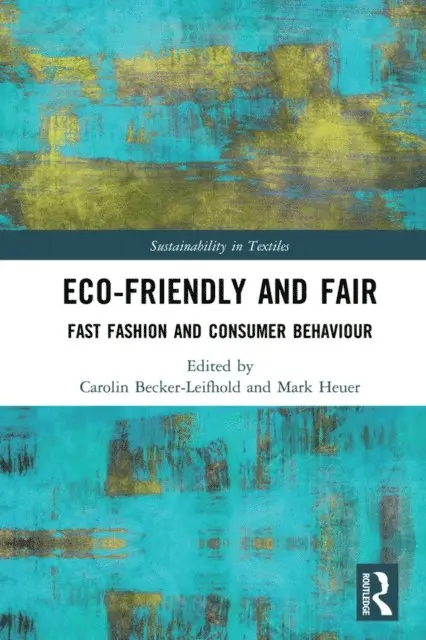
    Eco-Friendly and Fair

    Fast Fashion and Consumer Behaviour

    AvMark Heuer,Carolin Becker-Leifhold

    Inbunden, Engelska, 2018

    Del i serien Textile Institute Series: Responsibility and Sustainability

    2 506 kr

    Beställningsvara. Skickas inom 10-15 vardagar. Fri frakt över 249 kr.

    Beskrivning

    The make-take-waste paradigm of fast fashion explains much of the producer and consumer behavior patterns towards fast fashion. The evolution from a two-season fashion calendar to fast fashion, characterized by rapid product cycles from retailers and impulse buying by consumers, presents new challenges to the environment, workplace and labour practices. This book provides a comprehensive overview of new insights into consumer behaviour mechanisms in order to shift practices toward sustainable fashion and to minimize the negative impacts of fast fashion on the environment and society. Concepts and techniques are presented that could overcome the formidable economic drivers of fast fashion and lead toward a future of sustainable fashion. While the need for change in the fashion industry post-Rana Plaza could not be more obvious, alternative and more sustainable consumption models have been under-investigated. The paucity of such research extends to highly consumptive consumer behaviours regarding fast fashion (i.e. impulse buying and throwaways) and the related impediments these behaviours pose for sustainable fashion.Written by leading researchers in the field of sustainable fashion and supported by the Textile Institute, this book evaluates fashion trends, what factors have led to new trends and how the factors supporting fast fashion differ from those of the past. It explores the economic drivers of fast fashion and what social, environmental and political factors should be maintained, and business approaches adopted, in order for fast fashion to be a sustainable model. In particular, it provides consumer behaviour concepts that can be utilized at the retail level to support sustainable fashion.


    Produktinformation

    • Utgivningsdatum:2018-05-03
    • Mått:156 x 234 x 19 mm
    • Vikt:480 g
    • Format:Inbunden
    • Språk:Engelska
    • Serie:Textile Institute Series: Responsibility and Sustainability
    • Antal sidor:224
    • Förlag:Taylor & Francis Ltd
    • ISBN:9781783538201

    Utforska kategorier

    • Servicesektorn inom Ekonomi och Ledarskap
    • Entreprenörskap inom Ekonomi och Ledarskap
    • Försäljning och marknadsföring inom Ekonomi och Ledarskap

    Mer om författaren

    Carolin Becker-Leifhold studied Business Administration and Sustainability Management. Since 2015 she has worked as a research assistant at the University of Ulm, Germany, in a third-party project for sustainability in the textile industry. She is also a PhD student at the University of Ulm and is writing her PhD thesis about ​​Sharing Economy and collaborative clothing consumption. Mark Heuer is an Associate Professor of Management at the Sigmund Weis School of Business at Susquehanna University, USA. Mark previously held positions in the governmental, nonprofit, and private sectors for over 30 years. His research interests include sustainability, social issues management, and national culture.

    Innehållsförteckning

    • IntroductionSection 1 - The Fast Fashion Phenomena and Its Consequences from a Sustainability Point of ViewChapter 1: Rana Plaza as a threat to the fast fashion model? An analysis of institutional responses to the disaster in GermanyChapter 2: Evaluating fast fashion: examining the micro and the macro perspectiveSection 2 - Fast Fashion and the ConsumerChapter 3: Mind the gap; fashion consumers’ intentions and behaviorsChapter 4: Drivers and obstacles of ethical fashion consumptionChapter 5: Knowing better, but behaving emotionally: strong emotional undertone in the fast fashion consumptionChapter 6: From myopia to boycott: consumer acceptance of, and resistance to, fast fashionChapter 7: Enabling sustainable behaviours through M-Commerce app design: focus on the fast fashion industrySection 3: Alternative Models for a Sustainable Fashion ConsumptionChapter 8: Consumer colour and style preferences: a new approach to tackling the textile waste conundrumChapter 9: Looking backwards and forwards in sustainable fashion: comparison of two social enterprises to circulate used clothesChapter 10: Innovative sustainability in South Asian garment supply chains: the case of MAS Holdings in Sri LankaChapter 11: Sustainable fashion: a hybrid business model for social, economic, and environmental responsibility in HaitiChapter 12: Product service systems: a viable business model for fashion brands?Chapter 13: Redirecting the fashion industry toward eco-effective practicesChapter 14: To wear or to own? Influences of values on the attitudes toward and the engagement in collaborative fashion consumptionSection 4: Supply Chain InsightsChapter 15: Evaluating social transparency in global fashion supply chainsChapter 16: A for Fabrics: Innovation and waste preventionChapter 17: From sustainable sourcing to sustainable consumption: the case of DBL Group in BangladeshConclusion