Themes In Modern German History - Böcker
Visar alla böcker i serien Themes In Modern German History. Handla med fri frakt och snabb leverans.
12 produkter
12 produkter
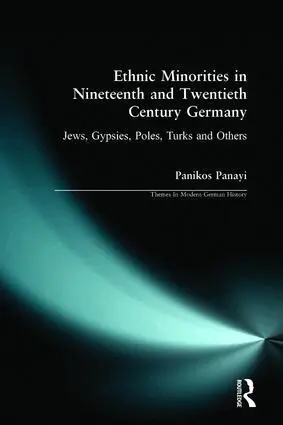
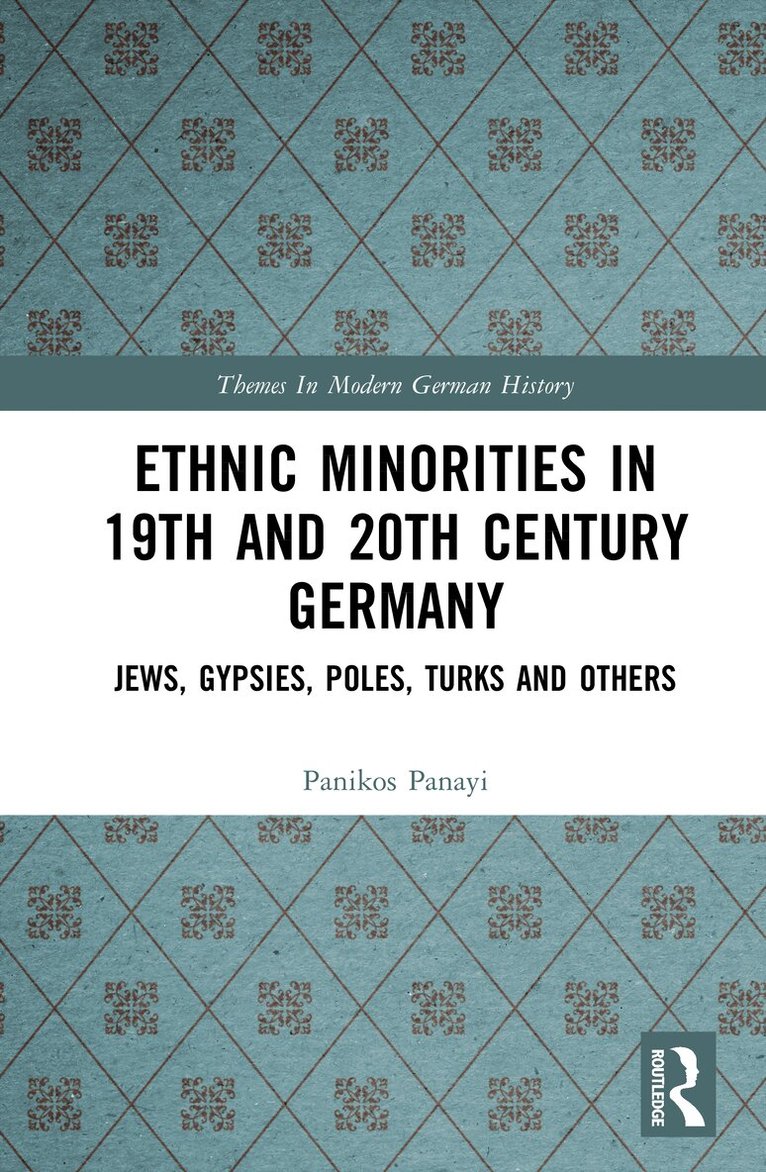
Ethnic Minorities in 19th and 20th Century Germany
Jews, Gypsies, Poles, Turks and Others
Häftad, Engelska, 2000
1 085 kr
Skickas inom 10-15 vardagar
This is the first book to trace the history of all ethnic minorities in Germany during the nineteenth and twentieth-centuries. It argues that all of the different types of states in Germany since 1800 have displayed some level of hostility towards ethnic minorities. While this reached its peak under the Nazis, the book suggests a continuity of intolerance towards ethnic minorities from 1800 that continued into the Federal Republic.During this long period German states were home to three different types of ethnic minorities in the form of- dispersed Jews and Gypsies; localised minorities such as Serbs, Poles and Danes; and immigrants from the 1880s. Taking a chronological approach that runs into the new Millennium, the author traces the history of all of these ethnic groups, illustrating their relationship with the German government and with the rest of the German populace. He demonstrates that Germany provides a perfect testing ground for examining how different forms of rule deal with minorities, including monarchy, liberal democracy, fascism and communism.
749 kr
Skickas inom 10-15 vardagar
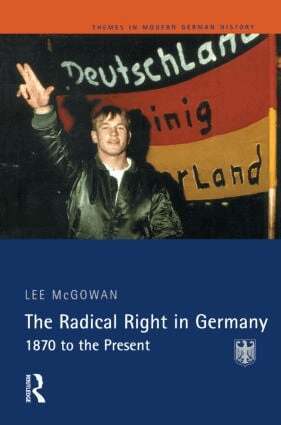
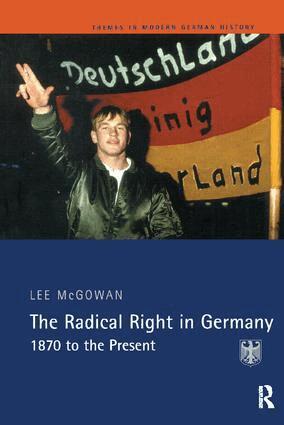
The Radical Right has represented a major element in German politics and society throughout the history of the united country (i.e. since the 1870s), though the understandable concentration on the Third Reich (1933-45) has tended to distort the wider picture. This book explores the history of the radical right through the full span of Germany's life as a nation, thus putting the Third Reich in its natural context, and also emphasising that the attitudes and policies of the radical right did not begin with Hitler's pursuit of power in the 1920s or end with his death in the ruins of Berlin.
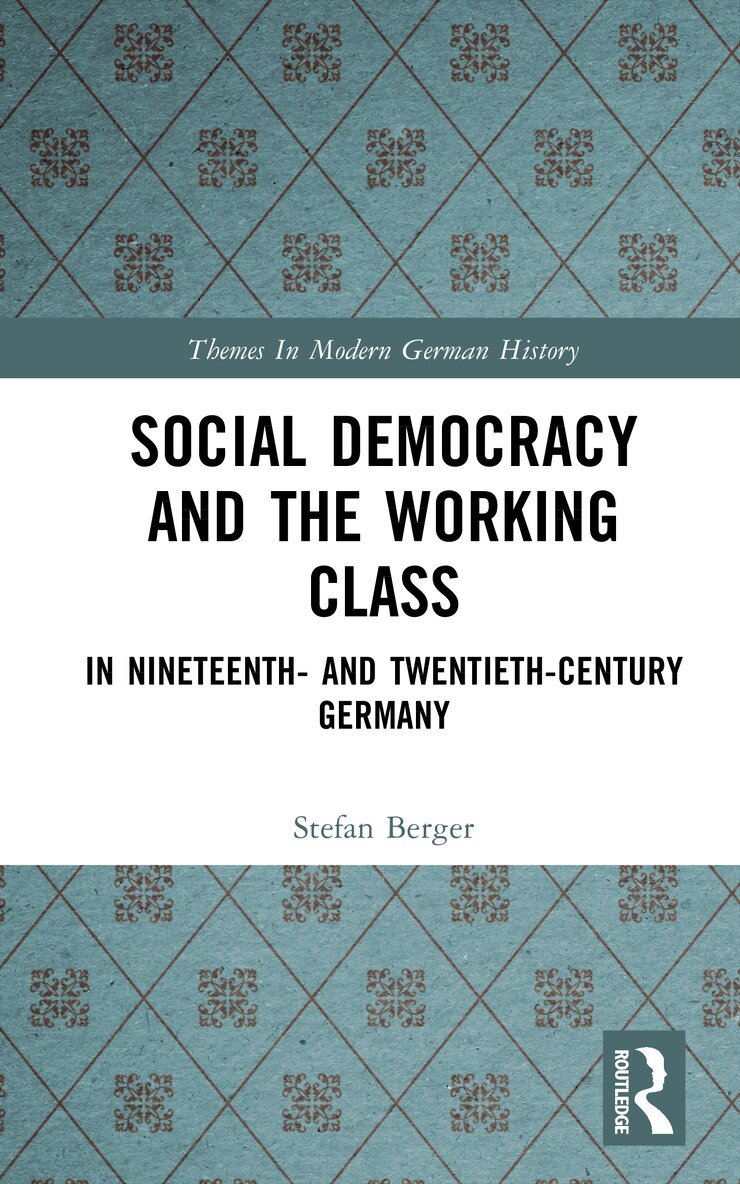
Social Democracy and the Working Class
in Nineteenth- and Twentieth-Century Germany
Häftad, Engelska, 1999
987 kr
Skickas inom 10-15 vardagar
A powerful and original survey of German social democracy.
861 kr
Skickas inom 10-15 vardagar
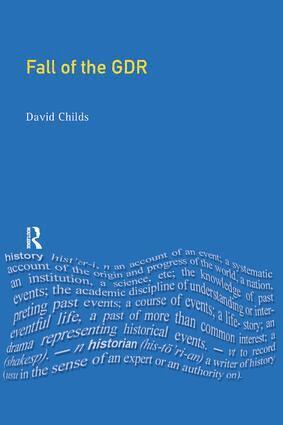
The book charts the dramatic months leading to one of the most profound changes of the 20th century, the opening of the Berlin Wall in 1989 and the restoration of German unity in 1990. The author analyses the nature of Communist rule in the GDR over 40 years, its few strengths and its many weaknesses, and the myths which grew up around it. This book places the GDR in its international setting as the proud ally of the Soviet Union in the Warsaw Pact. It examines the reactions abroad to the unfolding revolution.The text is based on a wide variety of written sources and many interviews with leading Communist figures, such as Krenz and Modrow, and with their opponents and successors, and former Stasi officers and the dissidents they tried to crush. It greatly benefits from the author's decades of involvement with East Germany, including personal friendships there, before 1989 and his eye-witness accounts of many of the events during Die Wende. It should be of interest not only to students of German politics, contemporary history and the Cold War, but to all who are curious about the momentous times through which we have lived.
791 kr
Skickas inom 10-15 vardagar
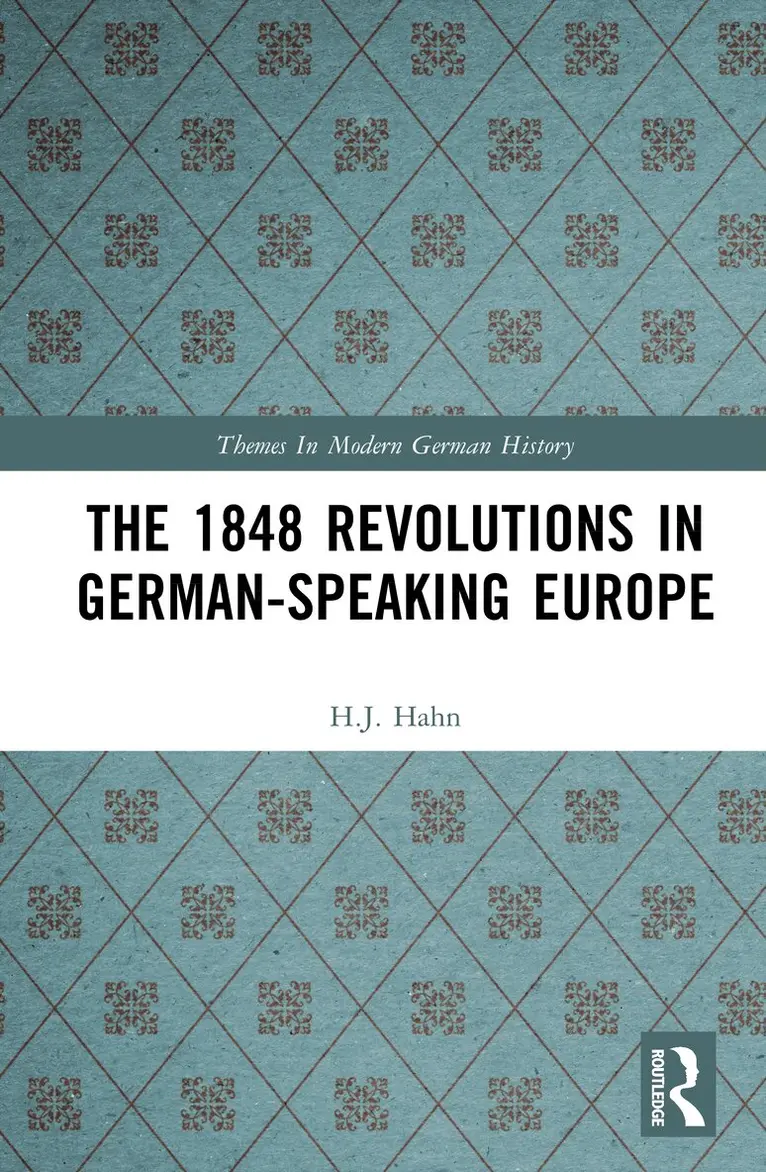
In 1848 the continent of Europe was rocked by revolutions: only Great Britain and Russia remained relatively immune to the upheaval. Most spectacularly, the Revolutions swept across the German-speaking lands of central Europe, with the newly-released forces of nationalism and mass popular protest smashing the reactionary Metternich regimes which had held sway since the defeat of Napoleon. The Metternich system was dead: nationalism and national self-determination asserted themselves as the dominant dynamic forces of continental Europe in the later nineteenth century. This impressive history examines the political and social implications of the 1848 Revolutions for the future destiny and shape of Europe as a whole, and explores the wider forces at play in the German lands of nineteenth-century Europe.
861 kr
Skickas inom 10-15 vardagar
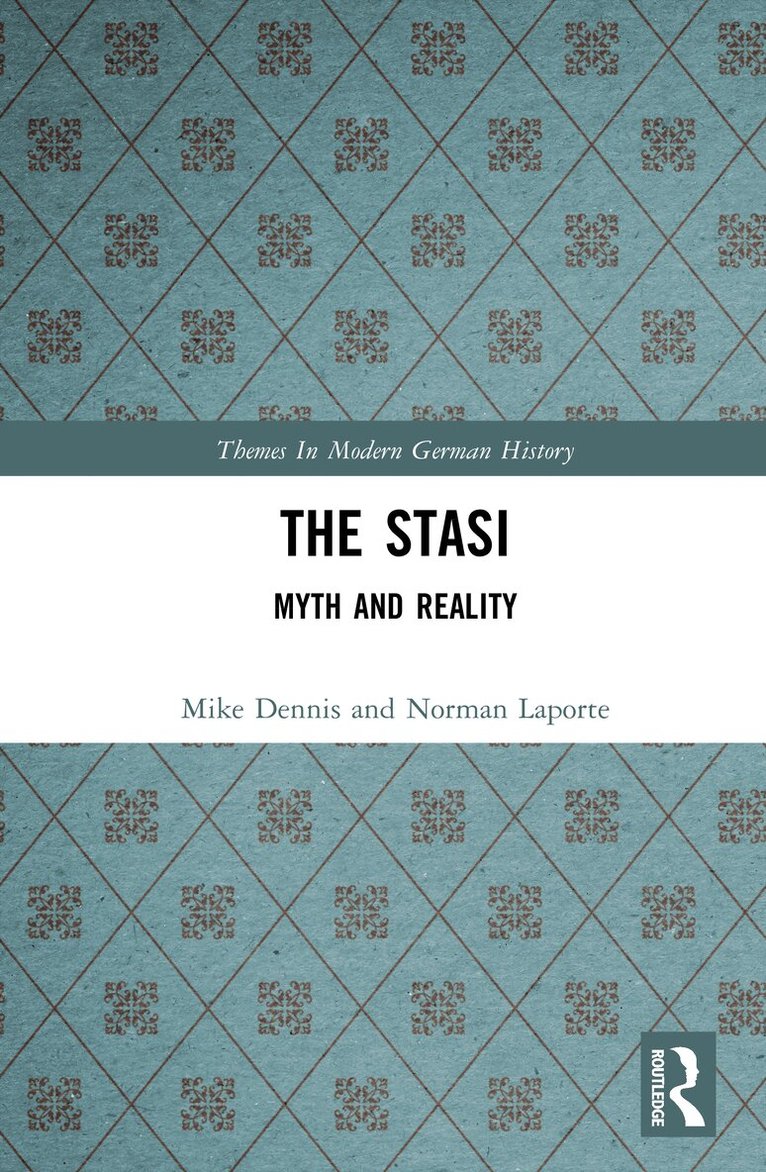
The Stasi were a central institution of the GDR. This book serves as a study of the powerful and much-feared East German Ministry of State Security from its establishment in 1950 to its fall in 1990. It illuminates the nature and operation of the entire East German regime, addressing one of the important topics in modern German history.
Ethnic Minorities in 19th and 20th Century Germany
Jews, Gypsies, Poles, Turks and Others
Inbunden, Engelska, 2016
2 176 kr
Skickas inom 10-15 vardagar
This is the first book to trace the history of all ethnic minorities in Germany during the nineteenth and twentieth-centuries. It argues that all of the different types of states in Germany since 1800 have displayed some level of hostility towards ethnic minorities. While this reached its peak under the Nazis, the book suggests a continuity of intolerance towards ethnic minorities from 1800 that continued into the Federal Republic.During this long period German states were home to three different types of ethnic minorities in the form of- dispersed Jews and Gypsies; localised minorities such as Serbs, Poles and Danes; and immigrants from the 1880s. Taking a chronological approach that runs into the new Millennium, the author traces the history of all of these ethnic groups, illustrating their relationship with the German government and with the rest of the German populace. He demonstrates that Germany provides a perfect testing ground for examining how different forms of rule deal with minorities, including monarchy, liberal democracy, fascism and communism.
2 176 kr
Skickas inom 10-15 vardagar
The East German Ministry of State Security, popularly known as the Stasi, was one of the largest and most intrusive secret police systems in world history. So extensive was the system of surveillance and control that in any given year throughout the 1970s and 1980s, about one in fifty of the 13 million East German adults were working for the Stasi either as an officer or as an informer.Drawing on original sources from the Stasi archives and the recollections of contemporary witnesses, The Stasi: Myth and Reality reveals the intricacies of the relationship between the Stasi enforcers, its agents and its targets/victims, and demonstrates how far the Stasi octopus extended its tentacles into people’s lives and all spheres of society.The origins and developments of this vast system of repression are examined, as well as the motivation of the informers and the ways in which they penetrated the niches of East German society. The final chapters assess the ministry’s failure to help overcome the GDR’s inherent structural defects and demonstrate how the Stasi’s bureaucratic procedures contributed to the implosion of the Communist system at the end of the 1980’s.
2 176 kr
Skickas inom 10-15 vardagar
In 1848 the continent of Europe was rocked by revolutions: only Great Britain and Russia remained relatively immune to the upheaval. Most spectacularly, the Revolutions swept across the German-speaking lands of central Europe, with the newly-released forces of nationalism and mass popular protest smashing the reactionary Metternich regimes which had held sway since the defeat of Napoleon. The Metternich system was dead: nationalism and national self-determination asserted themselves as the dominant dynamic forces of continental Europe in the later nineteenth century. This impressive history examines the political and social implications of the 1848 Revolutions for the future destiny and shape of Europe as a whole, and explores the wider forces at play in the German lands of nineteenth-century Europe.
1 826 kr
Skickas inom 10-15 vardagar
The book charts the dramatic months leading to one of the most profound changes of the 20th century, the opening of the Berlin Wall in 1989 and the restoration of German unity in 1990. The author analyses the nature of Communist rule in the GDR over 40 years, its few strengths and its many weaknesses, and the myths which grew up around it. This book places the GDR in its international setting as the proud ally of the Soviet Union in the Warsaw Pact. It examines the reactions abroad to the unfolding revolution.The text is based on a wide variety of written sources and many interviews with leading Communist figures, such as Krenz and Modrow, and with their opponents and successors, and former Stasi officers and the dissidents they tried to crush. It greatly benefits from the author's decades of involvement with East Germany, including personal friendships there, before 1989 and his eye-witness accounts of many of the events during Die Wende. It should be of interest not only to students of German politics, contemporary history and the Cold War, but to all who are curious about the momentous times through which we have lived.
Social Democracy and the Working Class
in Nineteenth- and Twentieth-Century Germany
Inbunden, Engelska, 2017
2 176 kr
Skickas inom 10-15 vardagar
This is a powerful and original survey of German social democracy breaks new ground in covering the movement's full span, from its origins after the French Revolution, to the present day. Stefan Berger looks beyond narrow party political history to relate Social Democracy to other working class identities in the period and sets the German experience within its wider European context. This timely book considers both the background and long-term perspective on the current rethinking of Social Democratic ideas and values, not only in Germany but also in France, Britain and elsewhere.
2 806 kr
Skickas inom 10-15 vardagar
The Radical Right has represented a major element in German politics and society throughout the history of the united country (i.e. since the 1870s), though the understandable concentration on the Third Reich (1933-45) has tended to distort the wider picture. This book explores the history of the radical right through the full span of Germany's life as a nation, thus putting the Third Reich in its natural context, and also emphasising that the attitudes and policies of the radical right did not begin with Hitler's pursuit of power in the 1920s or end with his death in the ruins of Berlin.