Topics in Social Psychiatry - Böcker
Visar alla böcker i serien Topics in Social Psychiatry. Handla med fri frakt och snabb leverans.
12 produkter
12 produkter
1 637 kr
Skickas inom 10-15 vardagar
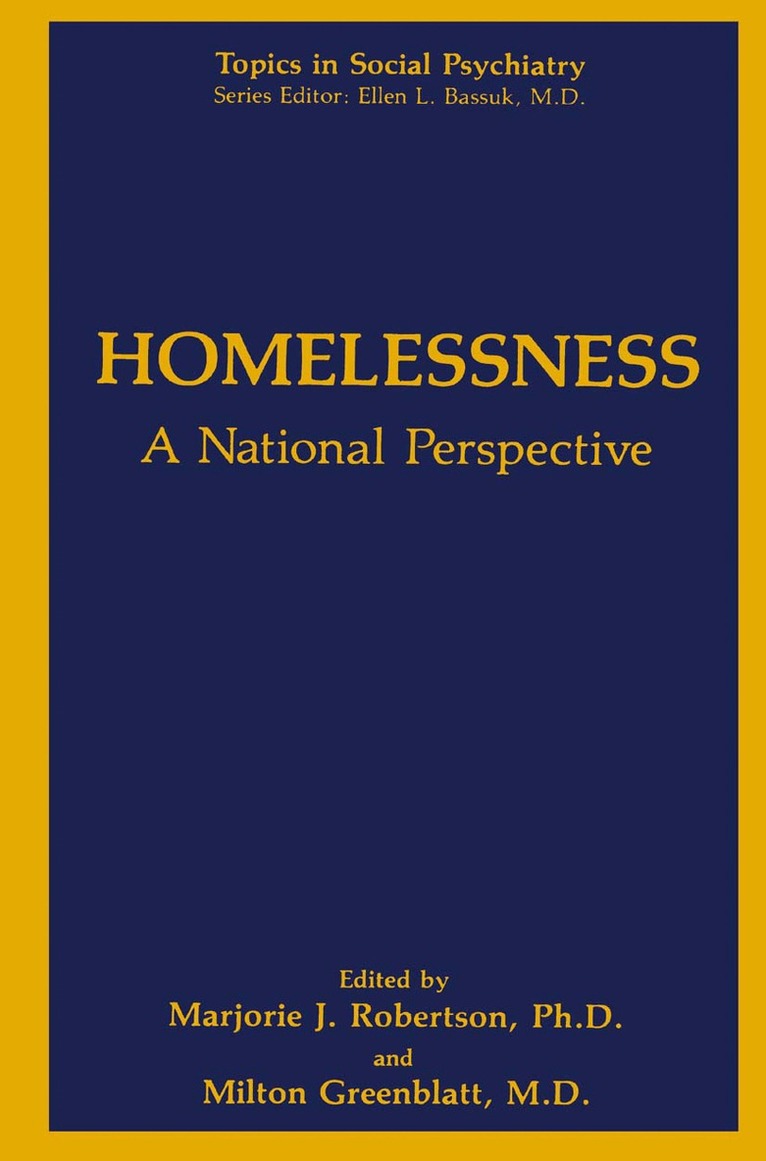
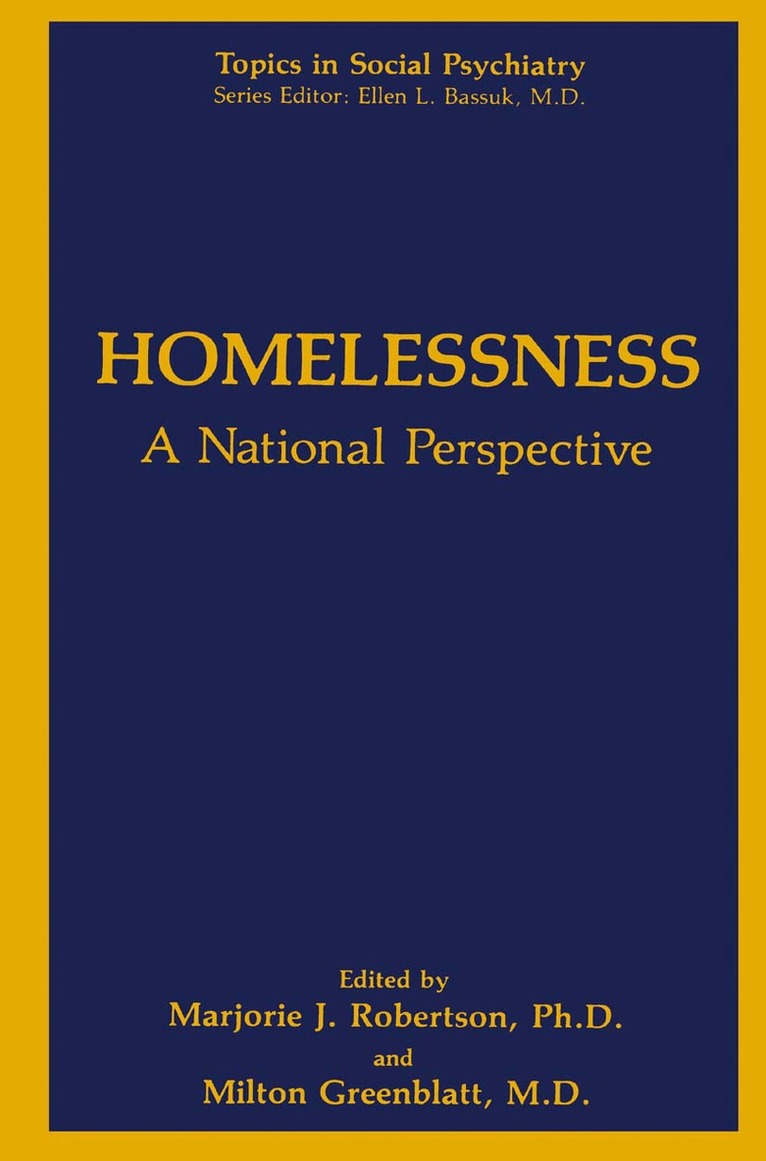
Distinguished contributors analyze the problem of homelessness from a clinical perspective, focusing on the major health problems found among the homeless, special populations within the homeless, and strategies for improvement and change.
1 637 kr
Skickas inom 10-15 vardagar
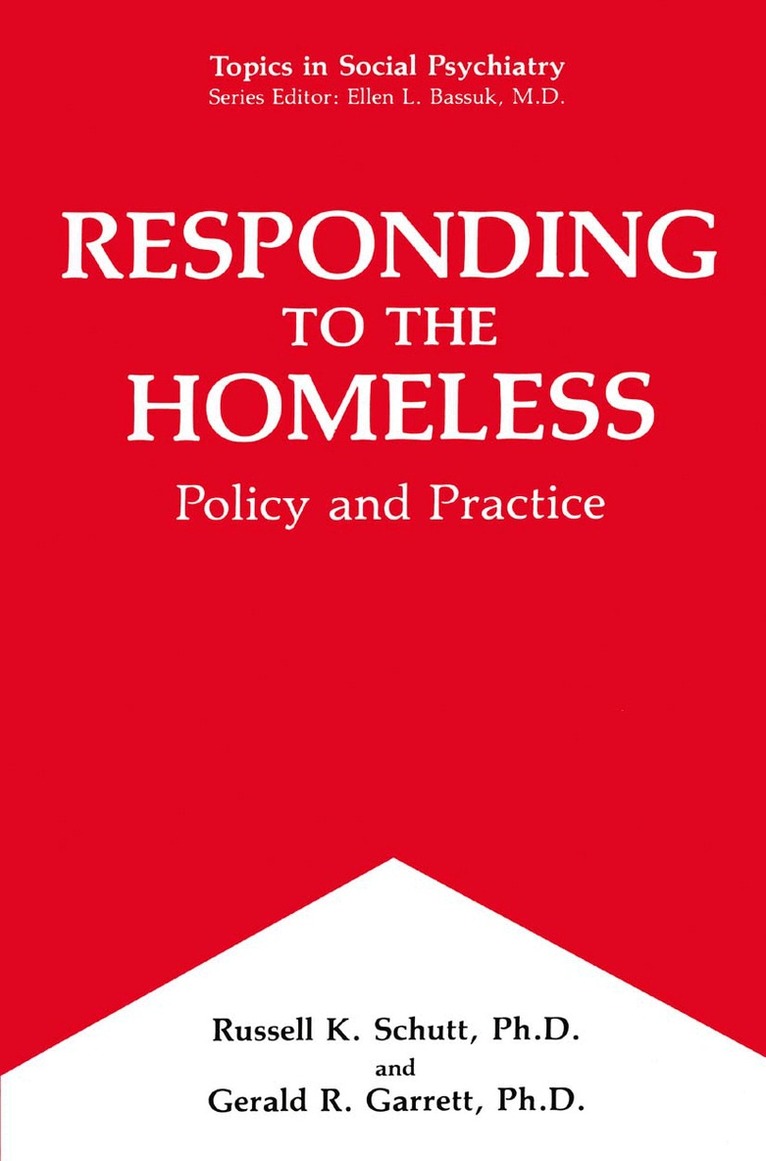
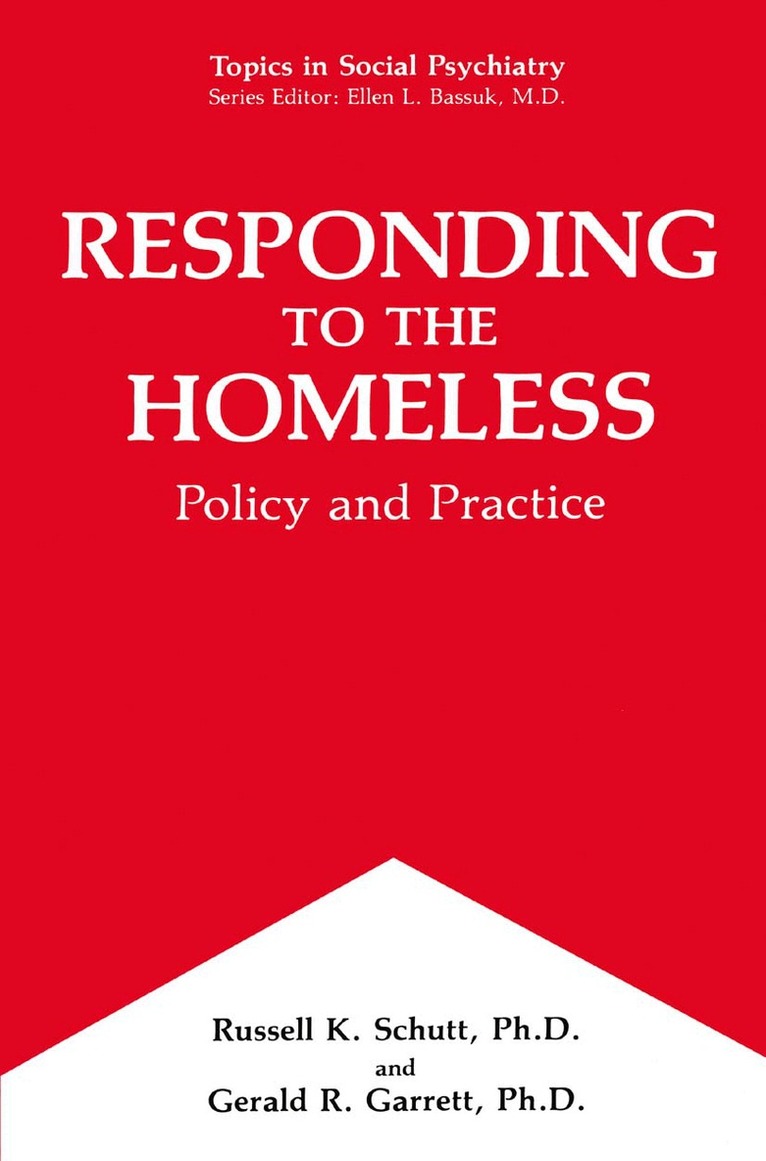
Responding to the Homeless: Policy and Practice is largely a product of a unique collaboration between Russell K. Schutt and Gerald R. Garrett and their Boston community. As such, it offers a rich perspective on the problem of homelessness that is derived from the authors' shared experience with researchers, academics, students, providers, policymakers, and homeless persons themselves. Schutt and Garrett take the reader into the shelters and acquaint him or her with the philosophical and practical dilemmas facing line workers as well as policymakers. They also take the reader into the community to better understand the housing market and the dysfunctional continuities among shelter, housing, treatment, and social supports. There are sensitive discussions of the salient health problems that too commonly touch the lives of homeless individuals, such as substance abuse and AIDS. The volume also includes clear descriptions of the sometimes elusive processes of counseling and case management for homeless individuals. The sidebars of "what to do" and "what not to do" contain useful information that will both inform and empower individuals who are working on the front lines, and inspire and prepare future caregivers. While the eminently readable organization and style of the book are sugges tive of a highly practical handbook on the basics of homelessness, the authors and their contributors have also produced a scholarly volume that is replete with current research findings, programs descriptions, case studies, and vignettes.
1 637 kr
Skickas inom 10-15 vardagar
When the 13 founders of the American Psychiatric Association came together in 1844, hospitals were small, and the administrative aspects of a superinten dent's job were relatively minor compared with their size and complexity today. Since the turn of the century, administration-the art and the sci ence-has become a specialty of great importance, particularly in big business and government. Business recognizes fully that the success of organizational endeavors depends to a great extent on the talents and energies of top lead ers. As a result, industry spends huge sums of money to train promising young executives and offers generous salaries and benefits to entice them. Anyone who wants to invest in a business first asks: "Who manages this organization, and is this management competitive in today's marketplace?" Although health is today a great industry, emphasis on the executive role has lagged behind that in the general business field. In mental health circles, the strong emphasis on one-to-one therapy has delayed a full appreciation of the influence of organization per se on patient care and treatment. Yet there 1 are now many signs of change. The popularization of behavioral science and the rise of social and community psychiatry have brought organizational con siderations forward. We are increasingly concerned with the human side of enterprise, with worker satisfaction, group dynamics, and organizational morale. Other flags have been unfurled.
876 kr
Skickas inom 10-15 vardagar
Social Psychiatry across Cultures
Studies from North America, Asia, Europe, and Africa
Inbunden, Engelska, 1995
1 094 kr
Skickas inom 10-15 vardagar
The World Health Organization's concept of health as "the condition of psychophysical and social well-being" must be translated into opera tional terms. The objective is to place the human person within the social system, given that mental health, mental illness, and suffering are individual, despite the fact that their causes are to be sought in the society and environment that surround and interact with the indi vidual. One dimension that must be emphasized in this field is the contin uum that exists between social environment and cerebral development. This continuum consists of the physical and biological features of the two interacting systems: on one hand, the brain managed and con trolled by the genetic program, and, on the other hand, the environ ment, be it natural or social. A simple dichotomy of individual and environment is no longer a sufficient concept in understanding the etiology of mental health and illness. Needless to say, socioepidemiological research in psychiatry and transcultural psychiatry is useful in reaching these ends. However, at the root of mental illness, one can always find the same causal elements: informational chaos, inadequate dietary intake, substance abuse, trauma, conditioning, and so on, which make the interactive systems dysfunctional. Subsequent organic and psychotic disorders occur to the detriment of both the individual and society. Current biological psychiatry is inadequately equipped in treating mental illness.
1 094 kr
Skickas inom 10-15 vardagar
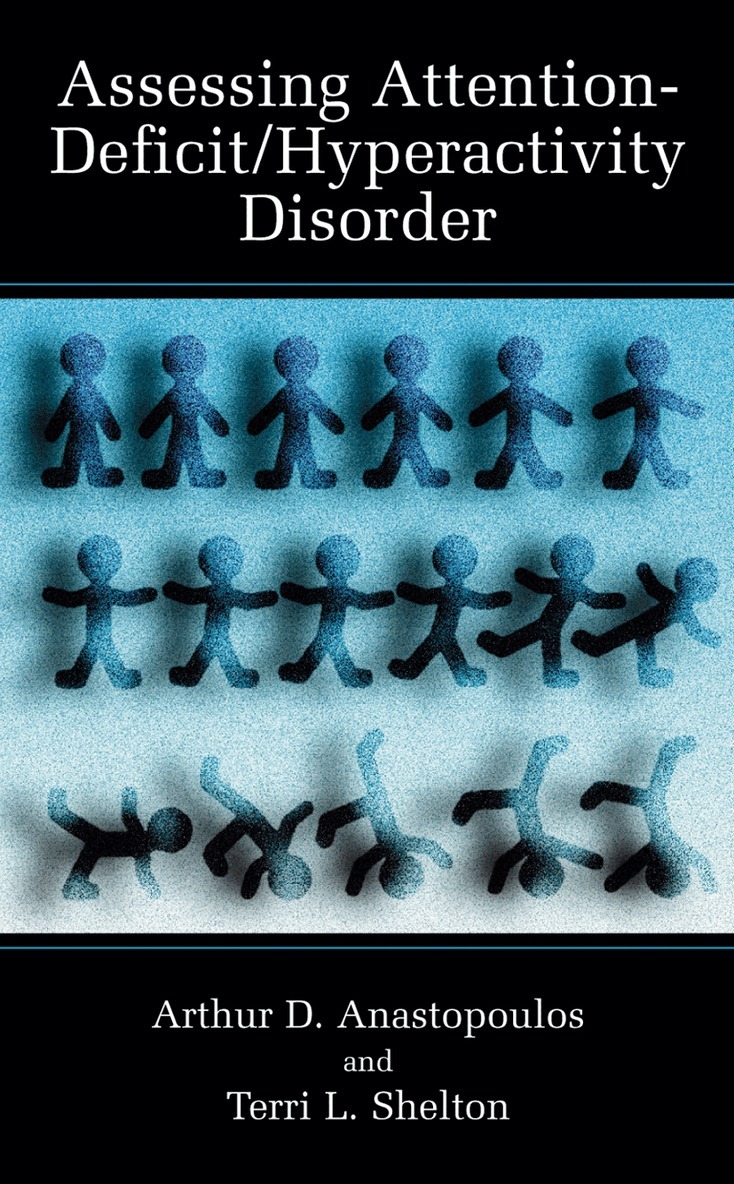
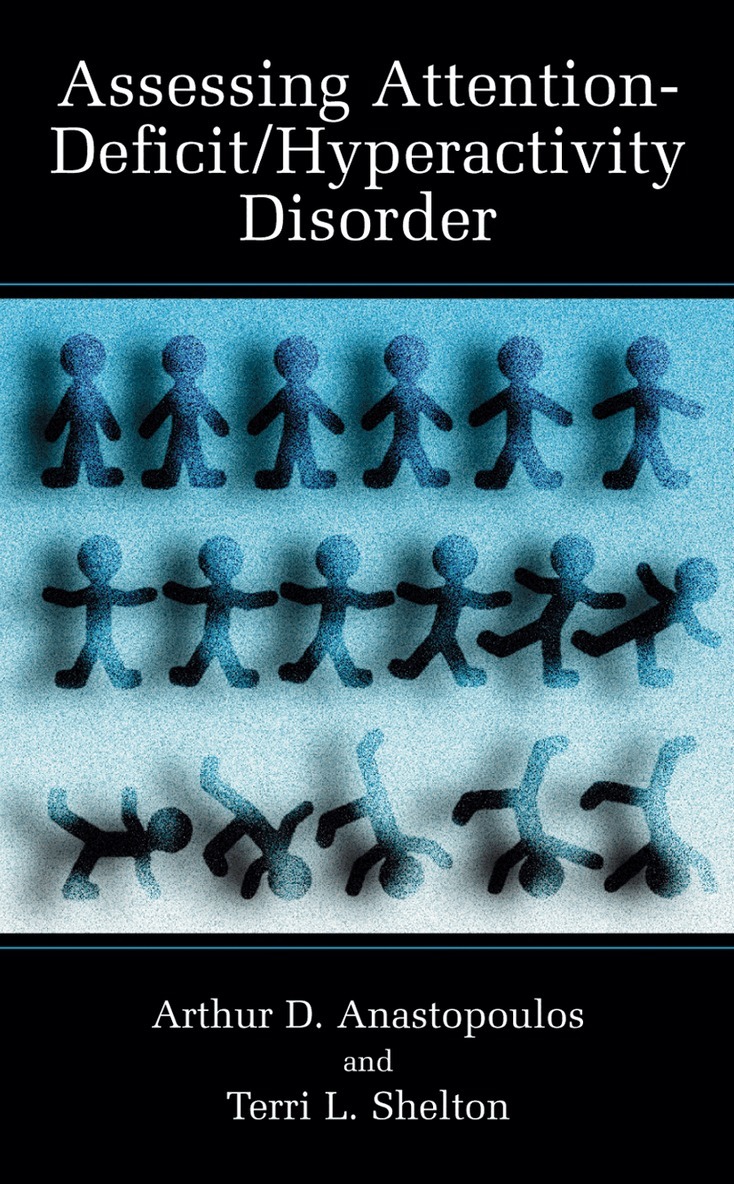
This volume provides child health care professionals and educators with a comprehensive set of empirically-driven, process-oriented guidelines for assessing children and adolescents who exhibit symptoms of attention-deficit/hyperactivity disorder (AD/HD). Although other texts describe measures or procedures that can be used in assessing AD/HD, none provides any guidelines with respect to the process of conducting an AD/HD assessment. The content of "Assessing Attention-Deficit/Hyperactivity Disorder" includes a detailed description of the defining features of AD/HD, along with comprehensive discussion of the manner in which AD/HD and its associated features unfold across the life span. Also presented is a comprehensive review and critique of various assessment procedures. Against this background, the reader is guided through the process of selecting measures and driving at an accurate AD/HD diagnosis. The text also reviews the process of translating assessment data into treatment recommendations, giving feedback to children and families, and evaluating treatment efficacy.Use of the guidelines described will lead to increased clinical accuracy, not only with respect to diagnosis, but also in terms of assessing the efficacy of various treatments. Rich with case examples, this volume should be of interest to professionals and students who provide clinical services to children and adolescents.
550 kr
Skickas inom 10-15 vardagar
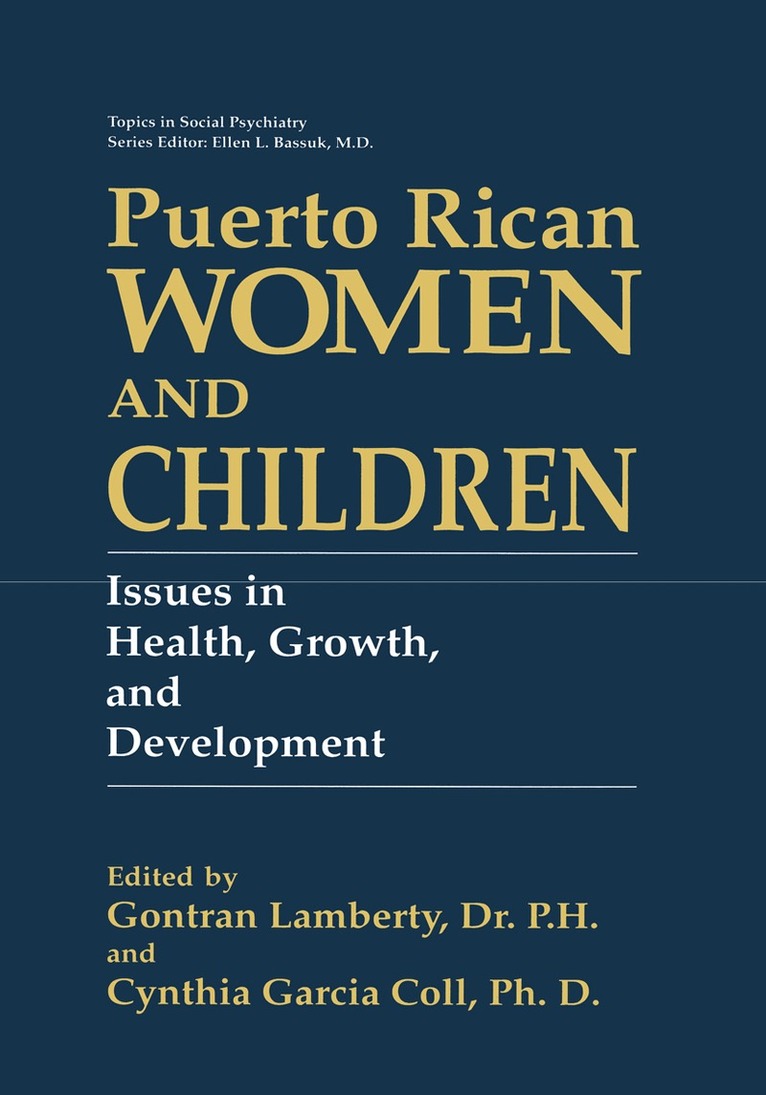
Julio Morales describes the Puerto Rican nation as being comprised of those individuals who identify themselves as Puerto Ricans. This includes almost 6. 2 million people who live primarily, but not exclu sively, on the island of Puerto Rico, and in the northeastern United States. One gets to be a Puerto Rican by various means. You are Puerto Rican if you are born in Puerto Rico, although at the same time you are an American because you were born there. You are Puerto Rican if your parents are Puerto Rican, even if you have never visited the island, have never eaten arroz y habichuelas, and have never spoken a word in Spanish. You can be a second and third generation Puerto Rican of mixed marriage, be highly acculturated to American culture, but when asked, you say proudly, "I am a Puerto Rican. " You can meet some of us whose world is bicultural, a world where English and Spanish are easily interchanged, where traditional Thanksgiving turkey is followed by lechon asado at Christmas as the main treat, where salsa or bolero are enjoyed with the same passion as rock'n roll or the big band sound. It is a world where various cultures have merged and the historical forces of slavery and Spanish and American colonialism have left their indelible marks on the psyche.
1 094 kr
Skickas inom 10-15 vardagar
In fact, a 1998 National Institutes of Health consensus panel concluded that “existing diagnostic treatment practices … point to the need for improved awareness by the health service sector conce- ing an appropriate assessment, treatment, and follow-up.
1 637 kr
Skickas inom 10-15 vardagar
When the 13 founders of the American Psychiatric Association came together in 1844, hospitals were small, and the administrative aspects of a superinten dent's job were relatively minor compared with their size and complexity today. Since the turn of the century, administration-the art and the sci ence-has become a specialty of great importance, particularly in big business and government. Business recognizes fully that the success of organizational endeavors depends to a great extent on the talents and energies of top lead ers. As a result, industry spends huge sums of money to train promising young executives and offers generous salaries and benefits to entice them. Anyone who wants to invest in a business first asks: "Who manages this organization, and is this management competitive in today's marketplace?" Although health is today a great industry, emphasis on the executive role has lagged behind that in the general business field. In mental health circles, the strong emphasis on one-to-one therapy has delayed a full appreciation of the influence of organization per se on patient care and treatment. Yet there 1 are now many signs of change. The popularization of behavioral science and the rise of social and community psychiatry have brought organizational con siderations forward. We are increasingly concerned with the human side of enterprise, with worker satisfaction, group dynamics, and organizational morale. Other flags have been unfurled.
Social Psychiatry across Cultures
Studies from North America, Asia, Europe, and Africa
Häftad, Engelska, 2013
1 032 kr
Skickas inom 10-15 vardagar
The World Health Organization's concept of health as "the condition of psychophysical and social well-being" must be translated into opera tional terms. The objective is to place the human person within the social system, given that mental health, mental illness, and suffering are individual, despite the fact that their causes are to be sought in the society and environment that surround and interact with the indi vidual. One dimension that must be emphasized in this field is the contin uum that exists between social environment and cerebral development. This continuum consists of the physical and biological features of the two interacting systems: on one hand, the brain managed and con trolled by the genetic program, and, on the other hand, the environ ment, be it natural or social. A simple dichotomy of individual and environment is no longer a sufficient concept in understanding the etiology of mental health and illness. Needless to say, socioepidemiological research in psychiatry and transcultural psychiatry is useful in reaching these ends. However, at the root of mental illness, one can always find the same causal elements: informational chaos, inadequate dietary intake, substance abuse, trauma, conditioning, and so on, which make the interactive systems dysfunctional. Subsequent organic and psychotic disorders occur to the detriment of both the individual and society. Current biological psychiatry is inadequately equipped in treating mental illness.
1 637 kr
Skickas inom 10-15 vardagar
Distinguished contributors analyze the problem of homelessness from a clinical perspective, focusing on the major health problems found among the homeless, special populations within the homeless, and strategies for improvement and change.
1 637 kr
Skickas inom 10-15 vardagar
Responding to the Homeless: Policy and Practice is largely a product of a unique collaboration between Russell K. Schutt and Gerald R. Garrett and their Boston community. As such, it offers a rich perspective on the problem of homelessness that is derived from the authors' shared experience with researchers, academics, students, providers, policymakers, and homeless persons themselves. Schutt and Garrett take the reader into the shelters and acquaint him or her with the philosophical and practical dilemmas facing line workers as well as policymakers. They also take the reader into the community to better understand the housing market and the dysfunctional continuities among shelter, housing, treatment, and social supports. There are sensitive discussions of the salient health problems that too commonly touch the lives of homeless individuals, such as substance abuse and AIDS. The volume also includes clear descriptions of the sometimes elusive processes of counseling and case management for homeless individuals. The sidebars of "what to do" and "what not to do" contain useful information that will both inform and empower individuals who are working on the front lines, and inspire and prepare future caregivers. While the eminently readable organization and style of the book are sugges tive of a highly practical handbook on the basics of homelessness, the authors and their contributors have also produced a scholarly volume that is replete with current research findings, programs descriptions, case studies, and vignettes.