Tracing Your Ancestors - Böcker
Visar alla böcker i serien Tracing Your Ancestors. Handla med fri frakt och snabb leverans.
24 produkter
24 produkter
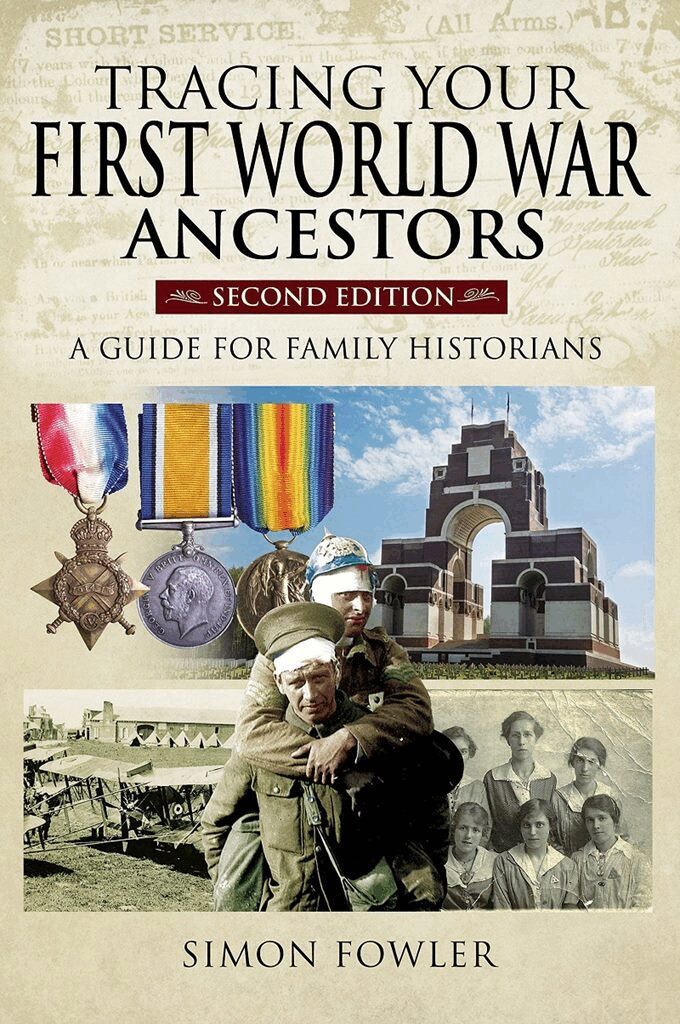
Tracing Your First World War Ancestors - Second Edition
A Guide for Family Historians
Häftad, Engelska, 2021
168 kr
Tillfälligt slut
The First World War was perhaps the most traumatic event of the Twentieth Century. Millions of men, women and children were affected by it. And it still has a resonance today more than a hundred years after the Armistice.This guide offers a simple, yet comprehensive, guide to researching the men and women from Britain - and its dominions and colonies - who took part in the First World War either at the front or at homeIt is an accessible, up-to-date and expert introduction to get you on your way and to answer those questions you might come across during your researches.In a straightforward, easy-to-follow style the book introduces readers to the multitude of sources they can use to explore the history of the First World War for themselves.In a series of short, instructive chapters the book takes the reader through the process of researching ancestors who served during the First World War providing short cuts and background information as required.The book covers the key sources, including the National Archives and the many online sites that researchers can turn to. It also covers records of casualties, munitions workers, conscientious objectors and service personnel from the British Dominions.
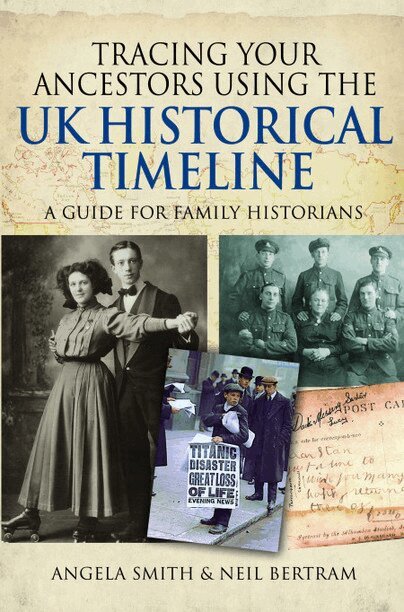
Tracing your Ancestors using the UK Historical Timeline
A Guide for Family Historians
Häftad, Engelska, 2021
157 kr
Skickas
This handy book is a timeline guide to genealogical resources - what records are available and when they started - as well as an aide-memoire to significant historical events from 1066 to 2020; helping to put family ancestors into an historical context. Each page in this book has a main column with facts of genealogical relevance in the broadest sense; a side column makes mention of events of socio-cultural significance and events relating to the monarchy, the State and the Church. Entries cover historical and genealogical aspects of all four countries of the UK plus Ireland and the Channel Islands, as well as significant historical events in the wider world that had an impact here.The timeline is especially strong on the contribution of migration, extreme weather, disasters, epidemics, wars, non-conformist religions, taxation, transport, the armed services, famine, empire, organised labour, social writers, mapmakers, political unrest and scientific advances. Genealogically, there is information on changes to BMD certificates and the associated register entries, as well as to censuses and the facts they collected, plus much more. There are also references to earlier records that generated name indexes such as muster rolls and poll taxes, how complete they are and where they can be found. By being reasonably balanced across the centuries, the authors have resisted the temptation to include excessive detail on recent history.This book will help the family historian to construct a timeline for their ancestors, providing a fairly full set of historical events, developments and records likely to have had an impact on them, their family and community. It is a handy reference guide to a myriad of dates but is also a useful book to study when writing a family history as it offers plenty of contextual information. It should also prompt readers to search out new resources in tracing their ancestors.
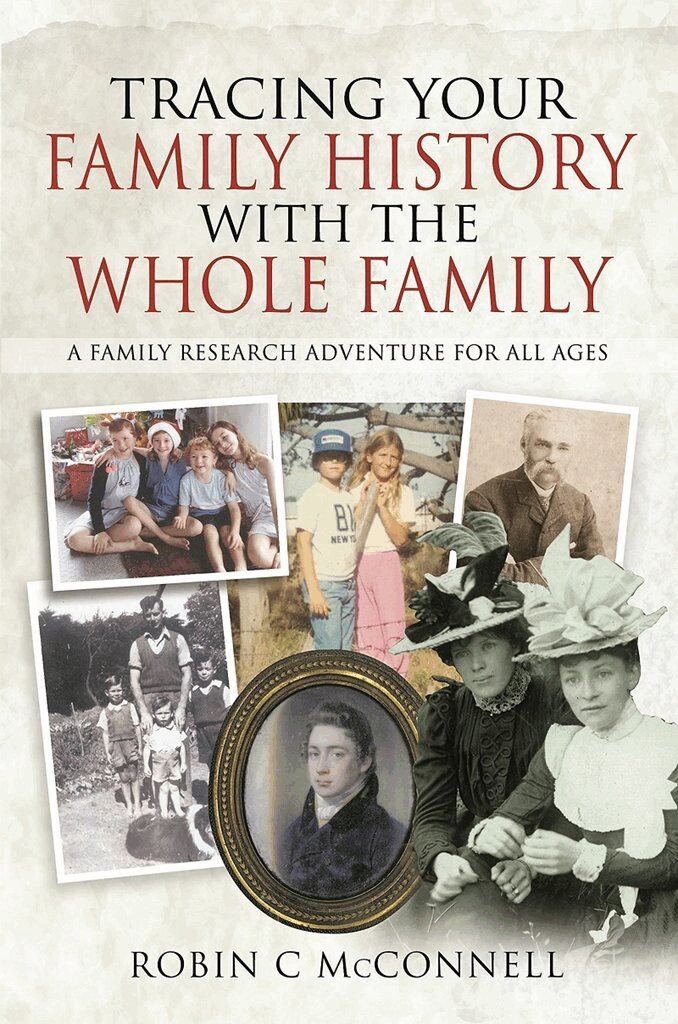
Tracing Your Family History with the Whole Family
A Family Research Adventure for All Ages
Häftad, Engelska, 2022
168 kr
Skickas
This book is innovative. A plethora of genealogy books primarily assume that family history research is by adults, for adults, marking family history as an adults only' sphere of life. This book establishes a new dimension in family history research. It is written in the belief that engaging in family history is a venture for all of the present-day family, regardless of age and, sometimes, because of age. To assist those of all ages who venture into this wider domain of family history the book is laden with practical examples.The author has an outstanding educational background with marked national success at all levels, from sole-teacher of a rural school to professorship achievements. At each level he has been noted nationally. His qualifications reflect this lasting commitment to education with imagination and an abiding belief in the potential of families and their children. He is an acknowledged international expert in teams and team leadership. The subject of his Doctor of Philosophy thesis was in this field and his Master of Philosophy thesis, The Singing Word', was an experiential development of children's creative writing. He is a lifelong genealogist.This book, assuredly, has new material for families, educators and children. It leads from their research of the family's yesterdays to depictions of the family's contemporary setting. It then leads children and adults into factual and creative portrayals of their present lives which will be handed on to future generations as informative elements of past and present family history.
328 kr
Skickas inom 3-6 vardagar
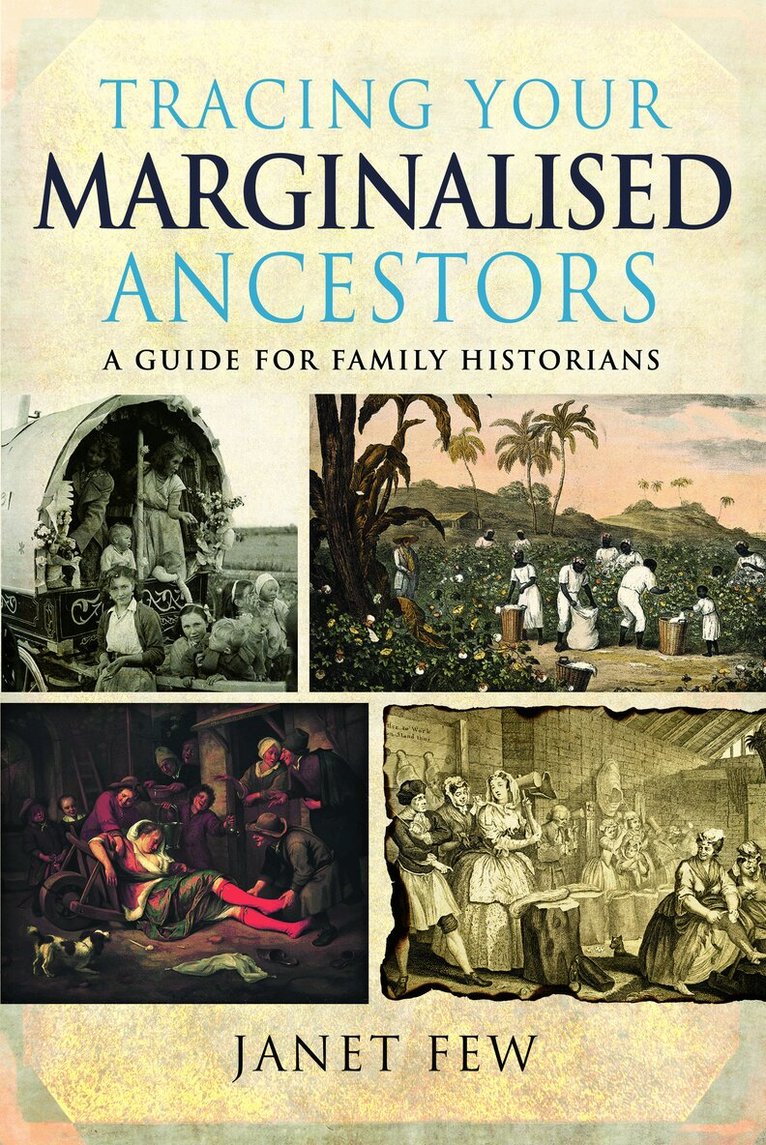
Often, our most fascinating ancestors are those on society’s margins. They might have been discriminated against due to personal misfortune, or have been a victim of society’s fear of difference. You may have ancestors who were poor, or sick, illegitimate, or lawbreakers. Were your family stigmatised because of their ethnicity? Perhaps they struggled with alcoholism, were prostitutes, or were accused of witchcraft. This book will help you find out more about them and the times in which they lived.The nature of this book means that it deals with subjects that can make uncomfortable reading but it is important to confront these issues as we try to understand our ancestors and the society that led to them becoming marginalised. In Tracing your Marginalised Ancestors, you will find plenty of suggestions to help you uncover the stories of these, often elusive, groups of people. Will you accept the challenge to seek out your marginalised ancestors and tell their stories?
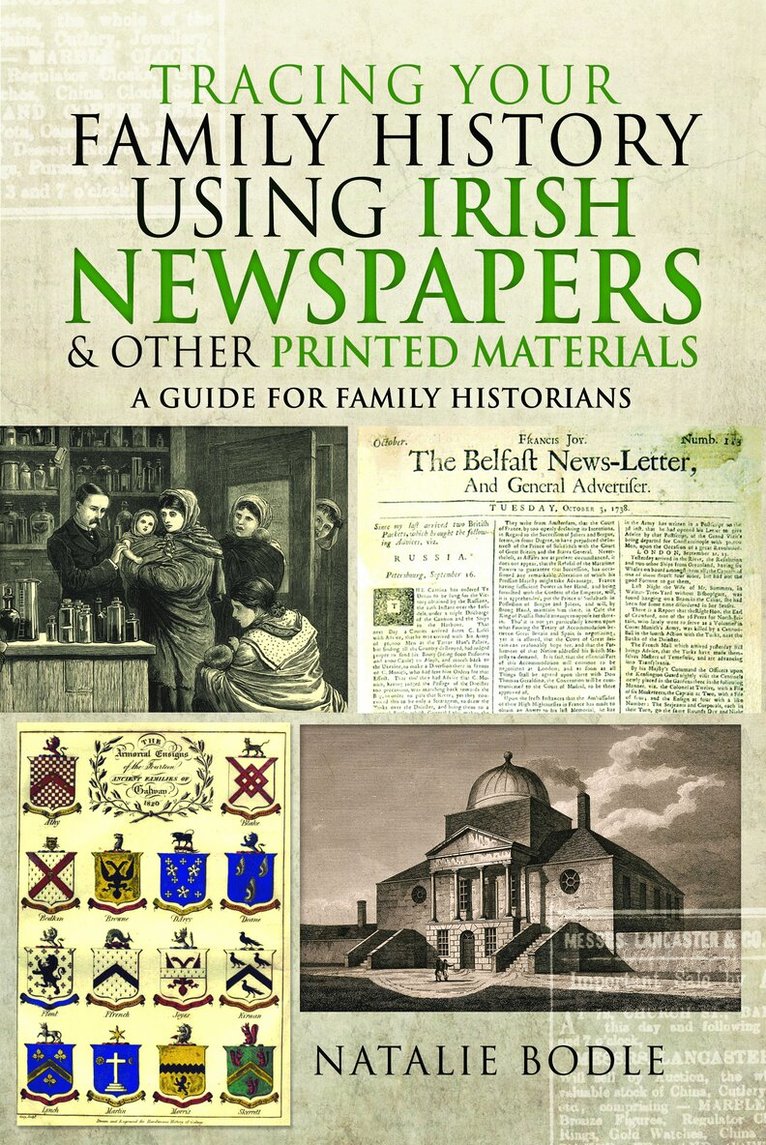
Tracing your Family History using Irish Newspapers and other Printed Materials
A Guide for Family Historians
Häftad, Engelska, 2024
292 kr
Skickas inom 3-6 vardagar
Tracing your Family History using Irish Newspapers is a great introduction for the family historian into Irish newspapers, journals and periodicals and how these resources can be used to paint a picture of the lives of your ancestors with so much more than what can be found in primary source material.An informative guide with hints and tips throughout, as well as case studies and excerpts that show you the type of material you can find on your ancestors, their lives and where they lived. Natalie Bodle explores how to find information in biographies, genealogies and name books, as well as how to find your ancestors in the official record, The Gazette, and how to track them down in street directories, including a range of physical and online libraries, portals and book publishers who have a focus on Irish genealogy material.
162 kr
Skickas
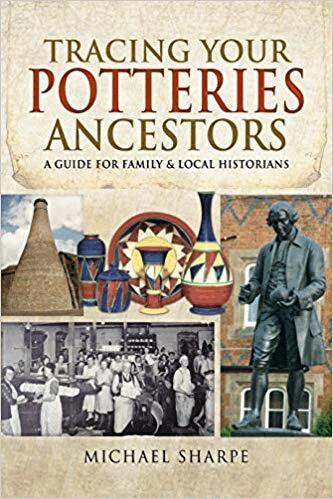
Tracing Your Potteries Ancestors introduces readers to the wealth of information available to those wishing to trace their North Staffordshire roots. Michael Sharpe gives a fascinating insight into the history of this part of the Midlands which was for so long dominated by the pottery industry. The six pottery towns Tunstall, Burslem, Hanley, Stoke, Fenton and Longton are at the heart of the story. His handbook is an essential guide for anyone researching the life of an individual or family connected with the area, bringing together all the relevant local and national archives for the first time. In a series of short information-packed chapters it describes the lives and experiences of ordinary people in this most extraordinary of landscapes. It charts the transition of the Six Towns from scattered farming communities to a thriving industrial conurbation. The living conditions of the urban poor, health and welfare, the influence of religion and migration, education, leisure pursuits, and the traumatic experience of war are all explored, and the many different archives and sources that are open to family history researchers are explained.
168 kr
Skickas
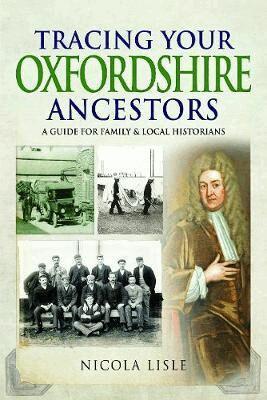
Oxfordshire has a proud history as an agricultural county, relying for centuries on the wool trade for its prosperity. It is also famous for the founding of Oxford University in the eleventh century and for the Morris Motors car factory established in Oxford in 1912\. The county is richly endowed with churches, museums, stately homes, industrial heritage sites and other places of interest, all offering a fascinating insight into its past and its present.In this informative and practical guide, Nicola Lisle explores Oxfordshire's diverse history, including its industries and occupations, education, religion, transport, law and order, health services, migration and immigration, leisure pursuits and the impact of both world wars. Each chapter includes details of relevant archives, libraries, online resources, further reading and places to visit, together with case studies and research tips.This is an essential handbook for anyone with an interest in Oxfordshire local and family history, and is suitable both for beginners and for more experienced researchers.
168 kr
Tillfälligt slut
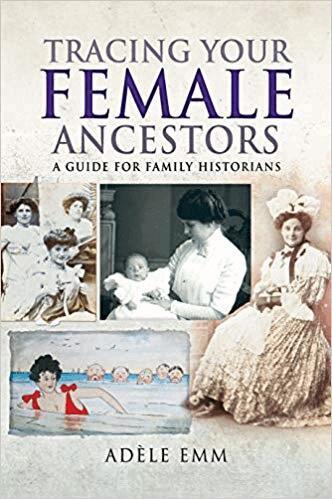
Everyone has a mother and a line of female ancestors and often their paths through life are hard to trace. That is why this detailed, accessible handbook is of such value, for it explores the lives of female ancestors from the end of the Napoleonic Wars in 1815 to the beginning of the First World War.In 1815 a woman was the chattel of her husband; by 1914, when the menfolk were embarking on one of the most disastrous wars ever known, the women at home were taking on jobs and responsibilities never before imagined. Adele Emm's work is the ideal introduction to the role of women during this period of dramatic social change.Chapters cover the quintessential experiences of birth, marriage and death, a woman's working and daily life both middle and working class, through to crime and punishment, the acquisition of an education and the fight for equality. Each chapter gives advice on where further resources, archives, wills, newspapers and websites can be found, with plentiful common sense advice on how to use them.
168 kr
Skickas
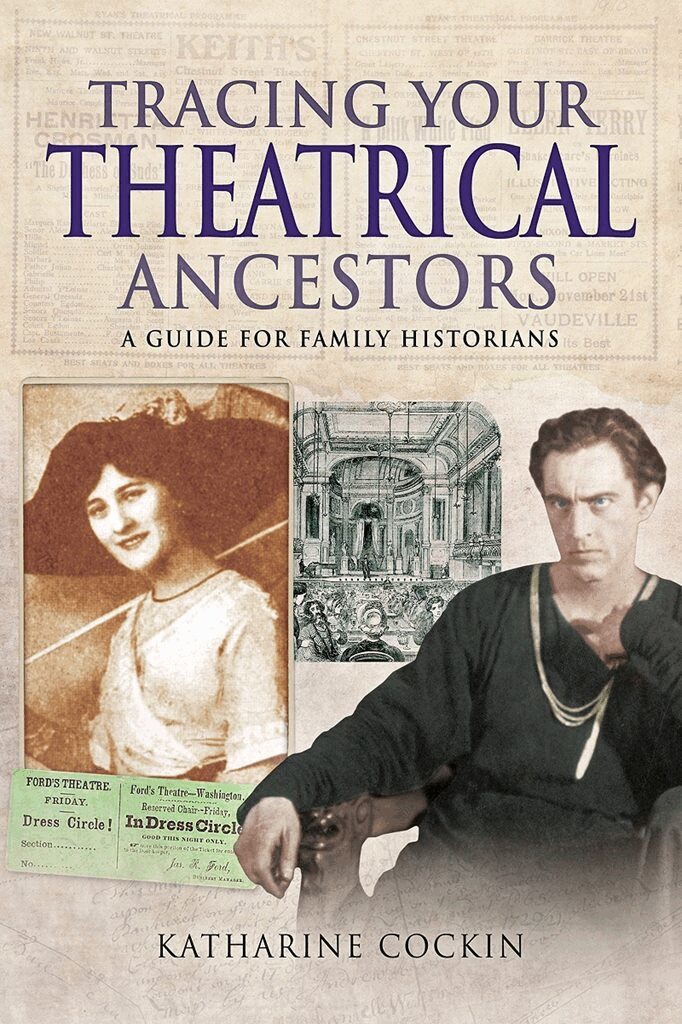
How can you find out about the lives of ancestors who were involved in the world of theatre: on stage and on film, in the music halls and travelling shows, in the circus and in all sorts of other forms of public performance? Katharine Cockin's handbook provides a fascinating introduction for readers searching for information about ancestors who had clearly defined roles in the world of the theatre and performance as well as those who left only a few tantalizing clues behind.The wider history of public performance is outlined, from its earliest origins in church rituals and mystery plays through periods of censorship driven by campaigns on moral and religious grounds up to the modern world of stage and screen. Case studies, which are a special feature of the book, demonstrate how the relevant records and be identified and interpreted, and they prove how much revealing information they contain. Information on relevant archives, books, museums and websites make this an essential guide for anyone who is keen to explore the subject.
178 kr
Skickas
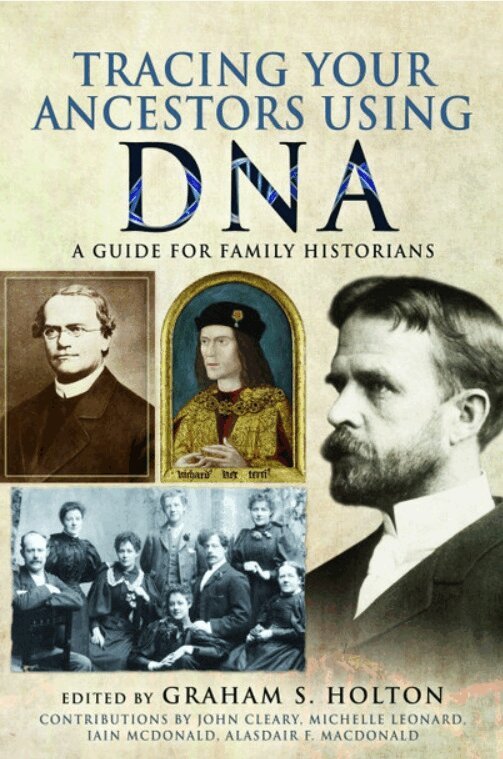
DNA research is one of the most important and rapidly advancing areas in modern science and the practical use of DNA testing in genealogy is one of its most exciting applications. Yet there is no recent British publication in this field. That is why this accessible, wide-ranging introduction is so valuable. It offers a clear and practical way into the subject, explaining the scientific discoveries and techniques and illustrating with case studies how it can be used by genealogists to gain an insight into their ancestry.The subject is complex and perhaps difficult for traditional genealogists to understand but, with the aid of this book, novices who are keen to take advantage of it will be able to interpret test results and use them to help answer genealogical questions which cannot be answered by documentary evidence alone. It will also appeal to those with some experience in the field because it places the practical application of genetic genealogy within a wider context, highlighting its role as a genealogical tool and suggesting how it can be made more effective.
168 kr
Skickas
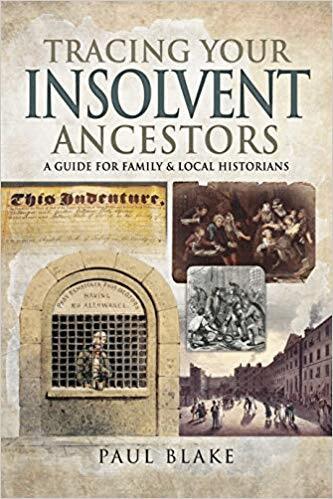
Debtors' prisons are infamous but very little has been written about the records of those confined within them in London or elsewhere in the country. Even less has been written about the trials of those who were often incarcerated following misfortune or mismanagement rather than criminal intent. That is why Paul Blake's handbook will be so useful for researchers who want to find out about forebears who may have been caught up in the insolvency system.In a series of information-filled chapters he covers the historical background to the handling of debt and debtors, and bankruptcy and bankrupts. In addition he describes the courts and procedures faced by both creditors and debtors, and the prisons where so many debtors were confined.Throughout the book details are given of the records that researchers can turn to in order to explore the subject for themselves. Many are held at The National Archives, but others are to be found at local record offices around the country.Paul Blake's book will be appreciated by local, social and family historians, as well as those with an interest in debtor crime and punishment, and bankrupts in general.
168 kr
Skickas
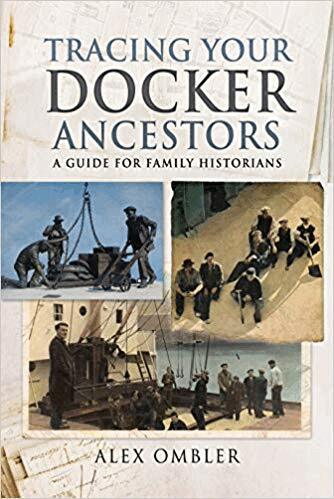
Alex Ombler's handbook is the first practical guide for family historians who wish to find out about family members who worked in British docks. In a series of concise, informative chapters he takes readers through the history of British ports and identifies research methods and materials - both local and national - through which they can discover the lives and experiences of the people who worked in them.Many of us have ancestors who were dock labourers - in 1921 there were around 125,000 dockers across a large number of British ports - and the organizational history of the dock labour force is extremely complex. As a result, the social and family lives of dockers and their communities can be difficult to research, and that is why this book is so useful.The history of the docks is covered as is the daily life of the dockers, and sections trace the development of trade unions, the experience of dock workers during the world wars and the decline of the docks in recent times. Dockland artefacts and communities are described, and there is a comprehensive directory of regional and national records.
168 kr
Skickas
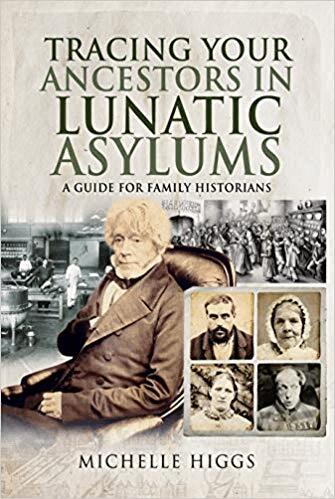
How can you trace forebears who were patients in lunatic asylums and find out about their lives? What sources can you consult to discover their personal histories and gain an insight into their experiences? In this concise, accessible handbook, Michelle Higgs answers these questions. She provides a fascinating introduction to the subject and gives readers the means to explore the records for themselves.She concentrates on the period from the eighteenth century through to 1948 when the National Health Service was founded and looks in particular at the Victorian era which is the most popular period for research. Using original records, contemporary accounts, photographs, illustrations and case studies of real individuals, she brings the story of the asylums and their patients to life.Different types of institution are described such as private madhouses, county lunatic asylums, facilities for idiots and imbeciles, and military mental hospitals. Chapters look at the admission procedures and daily routine of patients, plus different kinds of mental illness and how they were treated - for instance, those with depression or mania, criminal lunatics, mothers with puerperal insanity, epileptics and soldiers suffering from shell shock. There are sections on the systems in Scotland and Ireland, as well as England and Wales. Information is provided on all the relevant sources, from wills and the census to casebooks and admission and discharge registers.
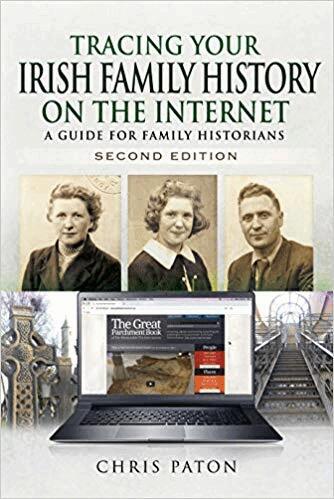
Tracing Your Irish Family History on the Internet
A Guide for Family Historians - Second Edition
Häftad, Engelska, 2019
168 kr
Skickas
In this, the fully updated second edition of his bestselling guide to researching Irish history using the internet, Chris Paton shows the extraordinary variety of sources that can now be accessed online. Although Ireland has lost many records that would have been of great interest to family historians, he demonstrates that a great deal of information survived and is now easily available to the researcher.Thanks to the pioneering efforts of the Public Record Office of Northern Ireland, the National Archives of Ireland, organizations such as FindmyPast Ireland, Ancestry.co.uk and RootsIreland and the volunteer genealogical community, an ever-increasing range of Ireland's historical resources are accessible from afar.As well as exploring the various categories of records that the family historian can turn to, Chris Paton illustrates their use with fascinating case studies. He fully explores the online records available from both the north and the south from the earliest times to the present day. Many overseas collections are also included, and he looks at social networking in an Irish context where many exciting projects are currently underway.His book is an essential introduction and source of reference for anyone who is keen to trace their Irish roots.
162 kr
Skickas
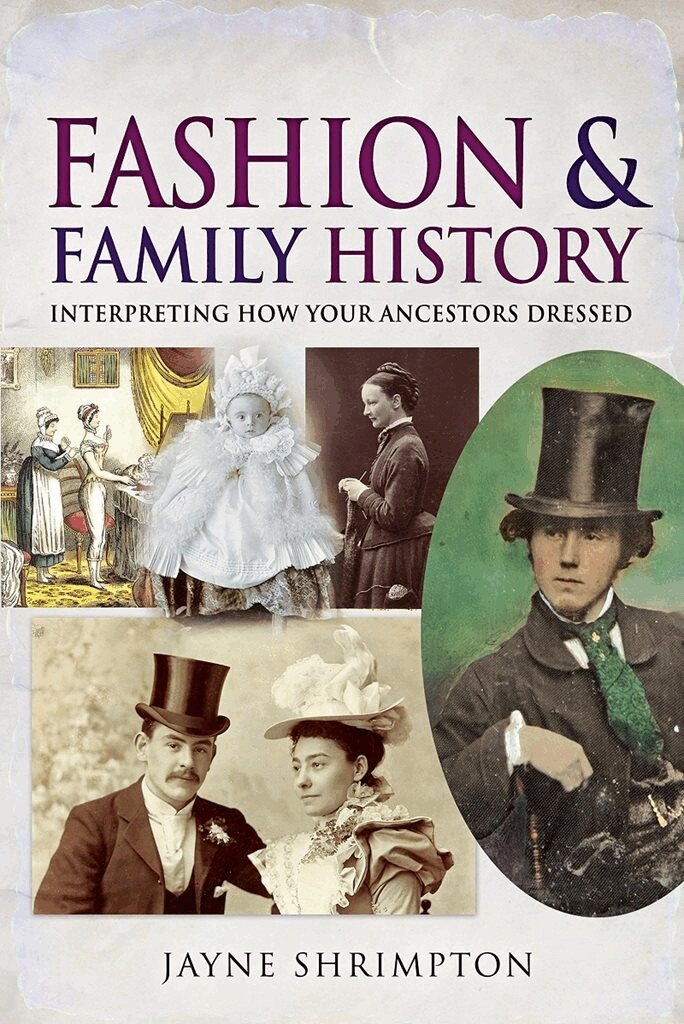
Studying dress history teaches us much about the past. In this skilfully-illustrated, accessible and authoritative book, Jayne Shrimpton demonstrates how fashion and clothes represent the everyday experiences of earlier generations, illuminating the world in which they lived.As Britain evolved during the 1800s from a slow-paced agrarian society into an urban-industrial nation, dress was transformed. Traditional rural styles declined and modern city modes, new workwear and holiday gear developed. Women sewed at home, while shopping advanced, novel textiles and mass-produced goods bringing affordable fashion to ordinary people. Many of our predecessors worked as professional garment-makers, laundresses or in other related trades: close to fashion production, as consumers they looked after their clothes.The author explains how, understanding the social significance of dress, the Victorians observed strict etiquette through special costumes for Sundays, marriage and mourning. Poorer families struggled to maintain standards, but young single workers spent their wages on clothes, the older generation cultivating their own discreet style. Twentieth-century dress grew more relaxed and democratic as popular culture influenced fashion for recent generations who enjoyed sport, cinema, music and dancing.
Tracing Your Scottish Family History on the Internet
A Guide for Family Historians
Häftad, Engelska, 2020
168 kr
Skickas
Scotland is a land with a proud and centuries long history that far pre-dates its membership of Great Britain and the United Kingdom. Today in the 21st century it is also a land that has done much to make its historical records accessible, to help those with Caledonian ancestry trace their roots back to earlier times and a world long past.In Tracing Scottish Family History on the Internet, Chris Paton expertly guides the family historian through the many Scottish records offerings available, but also cautions the reader that not every record is online, providing detailed advice on how to use web based finding aids to locate further material across the country and beyond. He also examines social networking and the many DNA platforms that are currently further revolutionising online Scottish research.From the Scottish Government websites offering access to our most important national records, to the holdings of local archives, libraries, family history societies, and online vendors, Chris Paton takes the reader across Scotland, from the Highlands and Islands, through the Central Belt and the Lowlands, and across the diaspora, to explore the various flavours of Scottishness that have bound us together as a nation for so long.
168 kr
Skickas
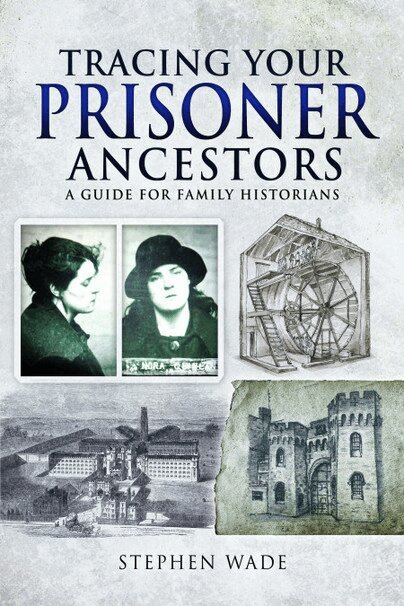
The history of the British prison system only had systematic records from the middle of the nineteenth century. Before that, material on prisoners in local gaols and houses of correction was patchy and minimal. In more recent times, many prison records have been destroyed.In Tracing Your Prisoner Ancestors, crime historian Stephen Wade attempts to provide information and guidance to family and social history researchers in this difficult area of criminal records. His book covers the span of time from medieval to modern, and includes some Scottish and Irish sources.The sources explained range broadly from central calendars of prisoners, court records and gaol returns, through to memoirs and periodicals. The chapters also include case studies and short biographies of some individuals who experienced our prisons and left some records.
Tracing Your Irish Ancestors Through Land Records
A Guide for Family Historians
Häftad, Engelska, 2021
168 kr
Skickas
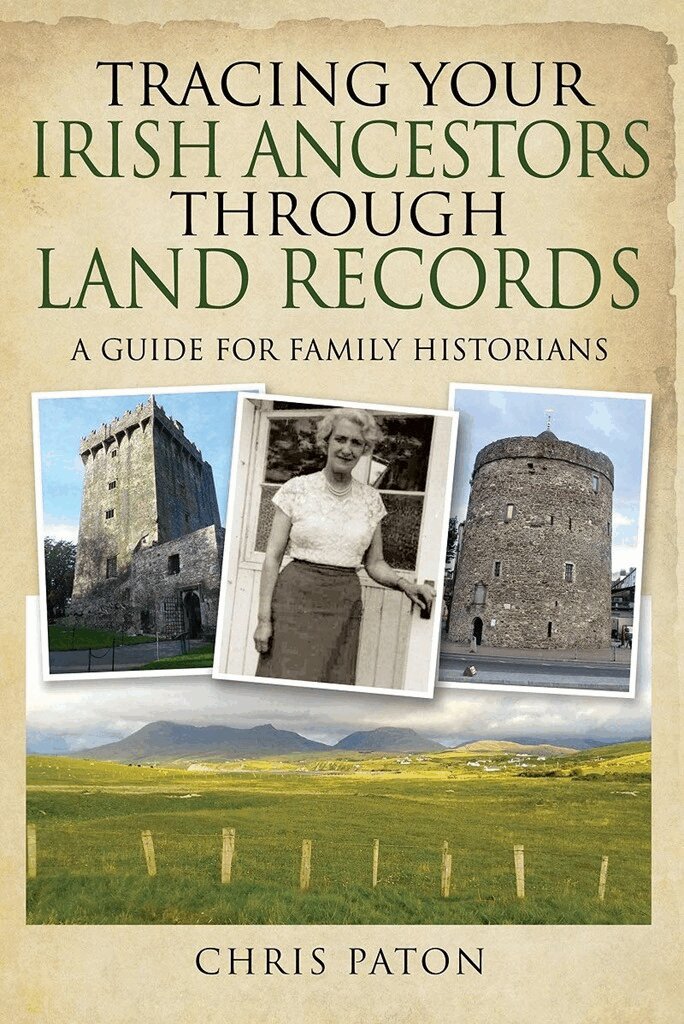
The history of Ireland is one that was long dominated by the question of land ownership, with complex and often distressing tales over the centuries of dispossession and colonisation, religious tensions, absentee landlordism, subsistence farming, and considerably more to sadden the heart. Yet with the destruction of much of Ireland's historic record during the Irish Civil War, and with the discriminatory Penal Laws in place in earlier times, it is often within land records that we can find evidence of our ancestors' existence, in some cases the only evidence, where the relevant vital records for an area may never have been kept or may not have survived.In Tracing Your Irish Ancestors Through Land Records, genealogist and best-selling author Chris Paton explores how the surviving records can help with our ancestral research, but also tell the stories of the communities from within which our ancestors emerged. He explores the often controversial history of ownership of land across the island, the rights granted to those who held estates and the plights of the dispossessed, and identifies the various surviving records which can help to tease out the stories of many of Ireland's forgotten generations.Along the way Chris Paton identifies the various ways to access the records, whether in Ireland's many archives, local and national, and increasingly through a variety of online platforms.
157 kr
Skickas
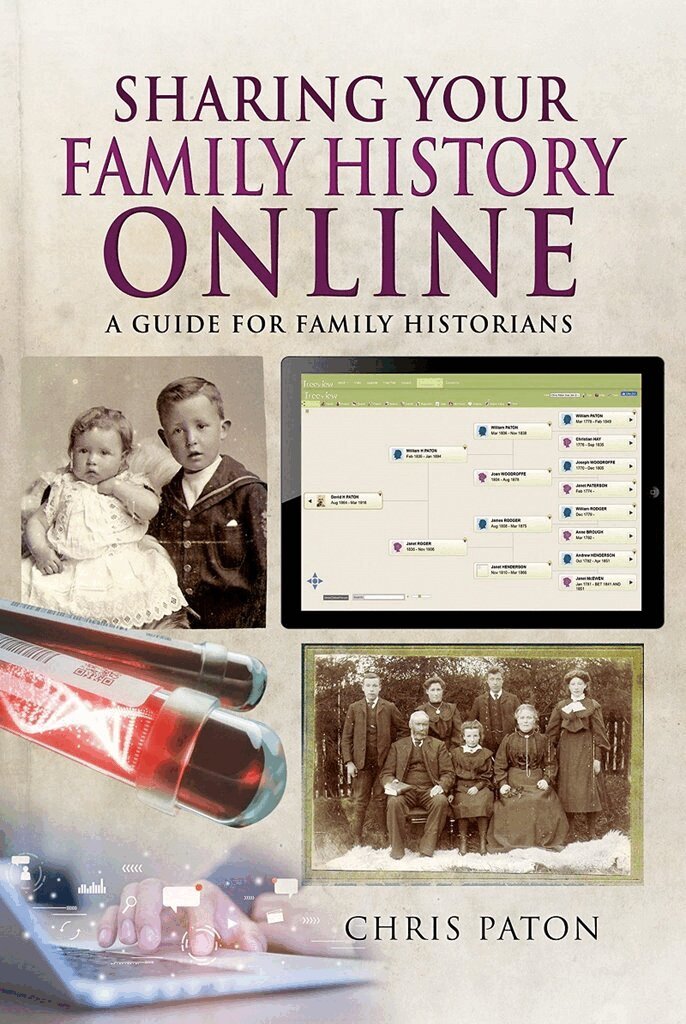
For many enthusiasts pursuing their family history research, the online world offers a seemingly endless archive of digitised materials to help us answer the questions posed by our ancestors. In addition to hosting records, however, the internet also offers a unique platform on which we can host our research and lure in prospective cousins from around the world, to help build up a larger shared ancestral story.In Sharing Your Family History on the Internet, genealogist and best-selling author Chris Paton will explore the many ways in which we can present our research and encourage collaboration online. He will detail the many organsiations and social media applications that can permit co-operation, describe the software platforms on which we can collate our stories, and illustrate the many ways in which we can publish our stories online.Along the way, Chris Paton will also explore how we can make our research work further for us, by drawing in experts and distant cousins from around the world to help us break our ancestral brick walls, not just through sharing stories, but by accessing uniquely held documentation by family members around the world, including our very own shared DNA.
168 kr
Skickas
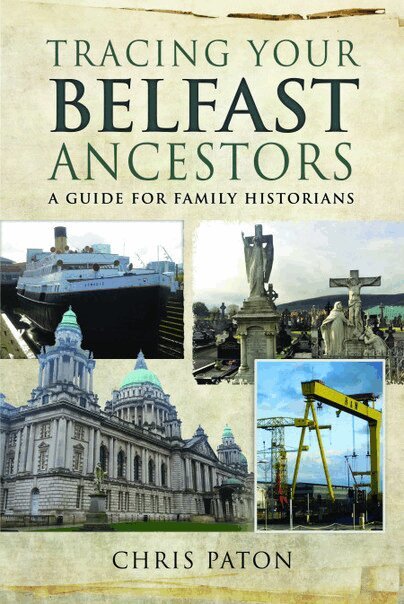
Straddling parts of Counties Antrim and Down, the city of Belfast has seen its fair share of history across the centuries. From its humble beginnings as a ford based settlement between two tributaries of the River Lagan, it grew following its grant of a charter in 1613 to become a corporation town, and expanded dramatically when later made a city in 1888\. Along the way it has experienced the darkest of times, including the Belfast Blitz and the recent Troubles, to some of the most enlightened developments across Ireland and the UK.In Tracing Your Belfast Ancestors, genealogist and best-selling author Chris Paton returns home to provide a research gateway for those wishing to trace their ancestors from the Northern Irish capital. With a concise summary of the city's history, a tour of some of the city's most amazing archives, libraries and museums, and a detailed overview of the records generated by those who came before, he expertly steers the reader towards centuries of ancestral exploration, both through online resources and within the city of Belfast itself - and with a wee bit of craic along the way!
178 kr
Tillfälligt slut
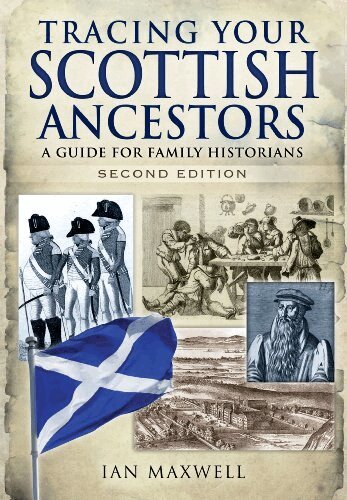
This fully revised second edition of Ian Maxwell's Tracing Your Scottish Ancestors is a lively and accessible introduction to Scotland's long, complex and fascinating story. It is aimed primarily at family historians who are eager to explore and understand the world in which their ancestors lived. He guides readers through the wealth of material available to researchers in Scotland and abroad. He looks at every aspect of Scottish history and at all the relevant resources. As well as covering records held at the National Archives of Scotland, he examines closely the information held at local archives throughout the country. He also describes the extensive Scottish records that are now available on line. His expert and up-to-date survey is a valuable handbook for anyone who is researching Scottish history because he explains how the archive material can be used and where it can be found. For family historians, it is essential reading as it puts their research into a historical perspective, giving them a better insight into the part their ancestors played in the past.
163 kr
Skickas
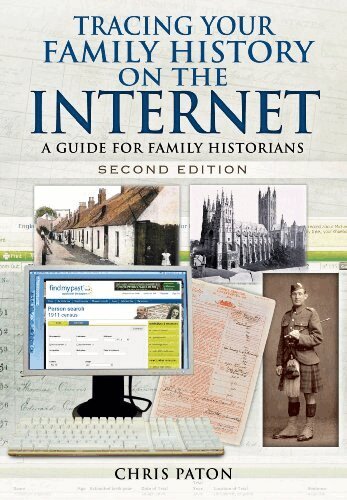
This fully revised second edition of Chris Paton's best-selling guide is essential reading if you want to make effective use of the internet in your family history research. Every day new records and resources are placed online and new methods of sharing research and communicating across cyberspace become available, and his handbook is the perfect introduction to them. He has checked and updated all the links and other sources, added new ones, written a new introduction and substantially expanded the social networking section. Never before has it been so easy to research family history using the internet, but he demonstrates that researchers need to take a cautious approach to the information they gain from it. They need to ask, where did the original material come from and has it been accurately reproduced, why was it put online, what has been left out and what is still to come? As he leads the researcher through the multitude of resources that are now accessible online, he helps to answer these questions. He shows what the internet can and cannot do, and he warns against the various traps researchers can fall into along the way.
168 kr
Skickas
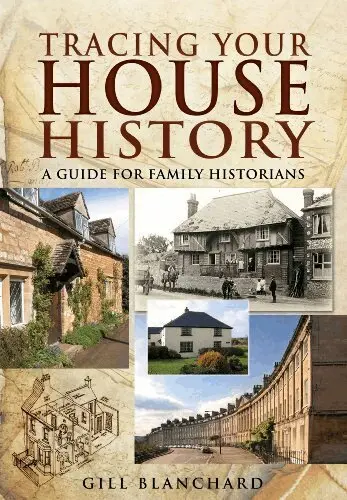
Anyone who wants to find out about the history of their house - of their home - needs to read this compact, practical handbook. Whether you live in a manor house or on a planned estate, in a labourer's cottage, a tied house, a Victorian terrace, a twentieth-century council house or a converted warehouse - this is the book for you. In a series of concise, information-filled chapters, Gill Blanchard shows you how to trace the history of your house or flat, how to gain an insight into the lives of the people who lived in it before you, and how to fit it into the wider history of your neighbourhood. A wealth of historical evidence is available in libraries, archives and record offices, in books and online, and this is the ideal introduction to it. Gill Blanchard explores these resources in depth, explains their significance and directs the researcher to the most relevant, and revealing, aspects of them. She makes the research process understandable, accessible and fun, and in the process she demystifies the sometimes obscure language and layout of the documents that researchers will come up against.
157 kr
Skickas
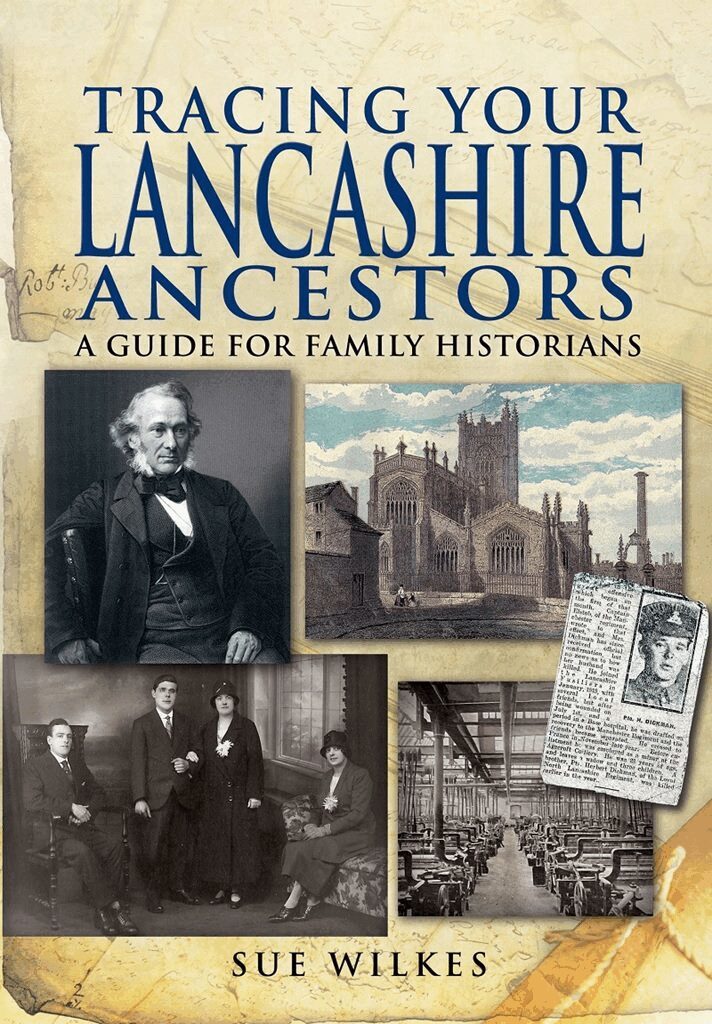
If you want to find out about Lancashire's history, and particularly if you have family links to the area and your ancestors lived or worked in the county, then this is the ideal book for you. As well as helping you to trace when and where your ancestors were born, married and died, it gives you an insight into the world they knew and a chance to explore their lives at work and at home.Sue Wilkes's accessible and informative handbook outlines Lancashire's history and describes the origins of its major industries - cotton, coal, transport, engineering, shipbuilding and others. She looks at the stories of important Lancashire families such as the Stanleys, Peels and Egertons, and famous entrepreneurs such as Richard Arkwright, in order to illustrate aspects of Lancashire life and to show how the many sources available for family and local history research can be used. Relevant documents, specialist archives and libraries, background reading and other sources are recommended throughout this practical book.Also included is a directory of Lancashire archives, libraries and academic repositories, as well as databases of family history societies, useful genealogy websites, and places to visit which bring Lancashire's past to life. Sue Wilkes's book is the essential companion for anyone who wants to discover their Lancashire roots.