Translational and Applied Genomics - Böcker
1 200 kr
Skickas inom 7-10 vardagar
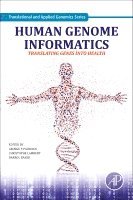
Human Genome Informatics: Translating Genes into Health examines the most commonly used electronic tools for translating genomic information into clinically meaningful formats. By analyzing and comparing interpretation methods of whole genome data, the book discusses the possibilities of their application in genomic and translational medicine. Topics such as electronic decision-making tools, translation algorithms, interpretation and translation of whole genome data for rare diseases are thoroughly explored. In addition, discussions of current human genome databases and the possibilities of big data in genomic medicine are presented.
With an updated approach on recent techniques and current human genomic databases, the book is a valuable source for students and researchers in genome and medical informatics. It is also ideal for workers in the bioinformatics industry who are interested in recent developments in the field.
Provides an overview of the most commonly used electronic tools to translate genomic information Brings an update on the existing human genomic databases that directly impact genome interpretation Summarizes and comparatively analyzes interpretation methods of whole genome data and their application in genomic medicine1 238 kr
Skickas inom 7-10 vardagar
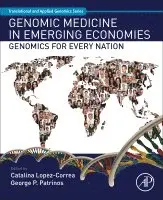
Originally thought to be available only to the world's wealthiest nations, genomic medicine has developed into a broad range of clinical methods and technologies whose concrete applications are also revolutionizing health systems in many of the world's resource-limited nations. Genomic Medicine in Emerging Economies: Genomics for Every Nation provides in-depth analysis and key examples of the implementation of medical genomics in low-income nations across the globe, demonstrating how this advancing medical science has already transformed health systems and led to improved patient care in Indonesian, Chilean, Malaysian, Argentinian, Chinese, Sri Lankan, and Colombian populations among others. In addition to defining tools, diagnostics, and treatment pathways at the population-wide level for medical geneticists, genomic researchers, and public health workers to apply in their own work, this book offers an essential, case-study based approach needed to understand how genomic medicine can be used to improve disease-management in a diverse range of economic and social contexts.
Examines essential concepts and protocols, and economic, social and legal considerations related to the implementation of genomic medicine in resource-limited nations Features concrete success stories of the implementation of medical genomics in Indonesian, Nepalese, Chilean, Malaysian, Tanzanian, Argentinian, Chinese, Sri Lankan and Columbian populations, amongst others Provides tools, diagnostics and treatment pathways for medical geneticists, genomic researchers and public health workers to apply in their own work Establishes clear precedents on how genomic technologies can be accessed by nations with limited means and financial support for healthcareEconomic Evaluation in Genomic and Precision Medicine
1 202 kr
Skickas inom 7-10 vardagar
1 446 kr
Skickas inom 7-10 vardagar
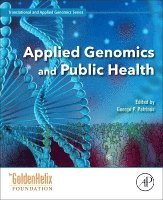
Applied Genomics and Public Health examines the interdisciplinary and growing area of how evidence-based genomic knowledge can be applied to public health, population health, healthcare and health policies. The book gathers experts from a variety of disciplines, including life sciences, social sciences, and health care to develop a comprehensive overview of the field. In addition, the book delves into subjects such as pharmacogenomics, genethics, big data, data translation and analysis, economic evaluation, genomic awareness and education, sociology, pricing and reimbursement, policy measures and economic evaluation in genomic medicine. This book is essential reading for researchers and students exploring applications of genomics to population and public health. In addition, it is ideal for those in the biomedical sciences, medical sociologists, healthcare professionals, nurses, regulatory bodies and health economists interested in learning more about this growing field.
Explores the growing application of genomics to population and public health Features internationally renowned contributors from a variety of related fields Contains chapters on important topics such as genomic data sharing, genethics and public health genomics, genomics and sociology, and regulatory aspects of genomic medicine and pharmacogenomicsSecondary Findings in Genomic Research
1 678 kr
Skickas inom 7-10 vardagar
Secondary Findings in Genomic Research offers a single, highly accessible resource on interpreting, managing and disclosing secondary findings in genomic research. With chapters written by experts in the field, this book is the first to concisely explain the ethical and practical issues raised by secondary genomics findings for a multi and interdisciplinary audience of genomic researchers, translational scientists, clinicians, medical students, genetic counselors, ethicists, legal experts and law students, public policy specialists and regulators.
Contributors from Europe, North America, and Asia effectively synthesize perspectives from a spectrum of different scientific, societal, and global contexts, and offer pragmatic approaches to a range of topics, including oversight, governance and policy surrounding secondary genomic results, criteria for identifying results for return, communication and consent, stakeholders' attitudes and perspectives, disclosing results, and clinical, patient-centered protocols.
Thoroughly addresses the scientific, ethical, practical and clinical issues raised by secondary findings resulting from genomic research, including active debate and challenges in the field Provides researchers, clinicians, regulators, and stakeholders with a holistic, interdisciplinary approach to interpreting, managing and disclosing secondary findings Brings together expert analysis from scholars across Europe, North America, and Asia representing a wide variety of scientific and societal contextsCellular and Animal Models in Human Genomics Research
1 654 kr
Skickas inom 7-10 vardagar
Cellular and Animal Models in Human Genomics Research provides an indispensable resource for applying comparative genomics in the annotation of disease-gene associated variants that are identified by human genomic sequencing. The book presents a thorough overview of effective protocols for the use of cellular and animal modeling methods to turn lists of plausible genes into causative biomarkers. With chapters written by international experts, the book first addresses the fundamental aspects of using cellular and animal models in genetic and genomic studies, including in-depth examples of specific models and their utility, i.e., yeast, worms, flies, fish, mice and large animals.
Protocols for properly conducting model studies, genomic technology, modeling candidate genes vs. genetic variants, integrative modeling, utilizing induced pluripotent stem cells, and employing CRISPR-Cas9 are also discussed in-depth.
Provides a thorough, accessible resource that helps researchers and students employ cellular and animal models in their own genetic and genomic studies Offers guidance on how to effectively interpret the results and significance of genetic and genomic model studies for human health Features chapters from international experts in the use of specific cellular and animal models, including yeast, worms, flies, fish, mice, and large animals, among other organismsMicrobiomics
Dimensions, Applications, and Translational Implications of Human and Environmental Microbiome Research
1 678 kr
Skickas inom 7-10 vardagar
Microbiomics: Dimensions, Applications, and Translational Implications of Human and Environmental Microbiome Research describes a new, holistic approach to microbiomics. International experts provide in-depth discussion of current research methods for studying human, environmental, viral and fungal microbiomes, as well as the implications of new discoveries for human health, nutrition, disease, cancer research, probiotics and in the food and agricultural industries. Distinct chapters covering culturomics and sub-microbiomes, such as the viriome and mycetobiome, provide an integrative framework for the expansion of microbiomics into new areas of application, as well as crosspollination between research areas.
Detailed case studies include the use of microbiomics to develop natural products with antimicrobial properties, microbiomic enhancements in food and beverage technology, microbes for bioprotection and biopreservation, microbial tools to reduce antibiotic resistance, and maintenance and cultivation of human microbial communities.
Provides an integrated approach for realizing the potential of microbiomics across the life, environmental, food and agricultural sciences Includes thorough analysis of human, environmental, viral and mycetol microbiomes, as well as methods and technology for identifying microbiotes Features chapter contributions from international leaders in microbiomic methods, technology and applicationsRigor and Reproducibility in Genetics and Genomics
Peer-reviewed, Published, Cited
1 678 kr
Skickas inom 7-10 vardagar
Rigor and Reproducibility in Genetics and Genomics: Peer-reviewed, Published, Cited provides a full methodological and statistical overview for researchers, clinicians, students, and post-doctoral fellows conducting genetic and genomic research.
Here, active geneticists, clinicians, and bioinformaticists offer practical solutions for a variety of challenges associated with several modern approaches in genetics and genomics, including genotyping, gene expression analysis, epigenetic analysis, GWAS, EWAS, genomic sequencing, and gene editing. Emphasis is placed on rigor and reproducibility throughout, with each section containing laboratory case-studies and classroom activities covering step-by-step protocols, best practices, and common pitfalls. Specific genetic and genomic technologies discussed include microarray analysis, DNA-seq, RNA-seq, Chip-Seq, methyl-seq, CRISPR gene editing, and CRISPR-based genetic analysis. Training exercises, supporting data, and in-depth discussions of rigor, reproducibility, and ethics in research together deliver a solid foundation in research standards for the next generation of genetic and genomic scientists.
Provides practical approaches and step-by-step protocols to strengthen genetic and genomic research conducted in the lab or classroom Presents illustrative case studies and training exercises and discusses common pitfalls and solutions for genotyping, gene expression analysis, epigenetic analysis, GWAS, EWAS, genomic sequencing, and gene editing, among other genetic and genomic approaches Examines best practices for microarray analysis, DNA-seq, RNA-seq, gene expression validation, Chip-Seq, methyl-seq, CRISPR gene editing, and CRISPR-based genetic analysis Written to provide trainees and educators approachable and useful tools and strategies to employ in their research, whether for the first time or to troubleshoot current methodologiesGenome Plasticity in Health and Disease
1 678 kr
Skickas inom 7-10 vardagar
Genome Plasticity in Health and Disease provides a fully up-to-date overview on genome plasticity and its role in human physiology and disease. Following an introduction to the field, a diverse range of chapters cover genomic and epigenomic analysis and the use of model organisms and genomic databases in studies. Specific molecular and biochemical mechanisms of genome plasticity are examined, including somatic variants, De Novo variants, founder variations, isolated populations dynamics, copy-number variations, mobile elements, DNA methylation, histone modifications, transcription factors, non-coding RNAs, telomere dynamics and RNA editing.
Later chapters explore disease relevance for cancer, as well as cardiovascular, neuropsychiatric, inflammatory, and endocrine disease, and associated pathways for drug discovery.
Examines the role of genome plasticity across a range of disease types, from cardiovascular disease, to cancer and neuropsychiatric disorders Adopts an interdisciplinary approach, with expert contributions across the spectrum of basic science and disease relevance to drug discovery1 678 kr
Skickas inom 7-10 vardagar
**Selected for Doody’s Core Titles� 2024 in Clinical Genetics**Psychiatric Genomics presents and synthesizes available knowledge in the field of psychiatric genomics, offering methodologies to advance new research and aid clinical translation. After providing an introduction to genomics and psychiatry, international experts discuss the genomic basis of schizophrenia, bipolar disorder, depression, personality disorders, anxiety disorders, addictions, eating disorders, and sleep disorders, among other disorders. In addition, recommendations for next steps in clinical implementation and drug discovery are discussed in-depth, with chapters dedicated to pharmacogenomics and antipsychotics, antidepressants and mood stabilizers, adverse drug reactions, implementation of pharmacogenomics in psychiatric clinics, and ethical issues.
Finally, methods sections provide a solid grounding in research approaches and computational analytics, from using animal models in psychiatric genomics and accessing biobanks, to employing computational analysis, genome-wide association studies (GWAS), brain pathophysiology, and endophenotypes in psychiatric research.
Thoroughly examines the genetic mechanisms underlying a broad range of psychiatric disordersOffers genomic methodologies and analytical approaches supporting new research and clinical translation, including personalized diagnosis and treatment modelsFeatures chapter contributions from international leaders in the fieldGenomics of Rare Diseases
Understanding Disease Genetics Using Genomic Approaches
1 581 kr
Skickas inom 7-10 vardagar
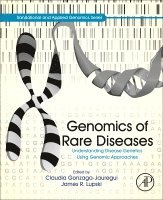
Genomics of Rare Diseases: Understanding Disease Genetics Using Genomic Approaches, a new volume in the Translational and Applied Genomics series, offers readers a broad understanding of current knowledge on rare diseases through a genomics lens. This clear understanding of the latest molecular and genomic technologies used to elucidate the molecular causes of more than 5,000 genetic disorders brings readers closer to unraveling many more that remain undefined and undiscovered. The challenges associated with performing rare disease research are also discussed, as well as the opportunities that the study of these disorders provides for improving our understanding of disease architecture and pathophysiology.
Leading chapter authors in the field discuss approaches such as karyotyping and genomic sequencing for the better diagnosis and treatment of conditions including recessive diseases, dominant and X-linked disorders, de novo mutations, sporadic disorders and mosaicism.
Compiles applied case studies and methodologies, enabling researchers, clinicians and healthcare providers to effectively classify DNA variants associated with disease and patient phenotypes Discusses the main challenges in studying the genetics of rare diseases through genomic approaches and possible or ongoing solutions Explores opportunities for novel therapeutics Features chapter contributions from leading researchers and clinicians1 654 kr
Skickas inom 7-10 vardagar
Genomics in Biosecurity
Principles and Applications of Genomic Technologies in Expanded Biosecurity Concepts
1 410 kr
Skickas inom 7-10 vardagar
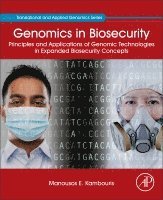
Genomics in Biosecurity: Principles and Applications of Genomic Technologies in Expanded Biosecurity Concepts, in the Translational and Applied Genomics series, explains in definite and practical terms the applicability of genomic technologies in every aspect of biosecurity, from emergent diagnostics to bioterrorism, agroterrorism, next generation biowarfare, biosurveillance and risk assessment. This book offers an integrated discussion of genomics and GCBR (global catastrophic biological risks) events, considering both basic aspects of biosecurity genomics and application of genomic technologies to drive new solutions. Readers will find evidence-based strategies to apply genomics in disease and pathogen monitoring and diagnosis, and more.
Social aspects of GCBR events and genomic biosecurity, such as issues of terrorism, policy ethics, and practice, are also considered in-depth.
Examines the use of genomics in pathogen monitoring and diagnosis, biosurveillance, and countermeasures for spontaneous and perpetrated events Discusses social, ethical, and policy aspects of GCBR events and the use of genomic technologies in biosecurity Empowers new solutions in biorestoration, biocrime, counterbioterrorism, disaster management, and humanitarian crisis response Features chapter contributions from a range of international specialists1 410 kr
Skickas inom 7-10 vardagar
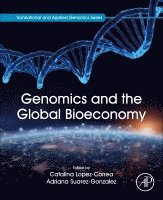
Genomics and the Global Bioeconomy, a new volume in the Translational and Applied Genomics series, empowers researchers, administrators, and sustainability leaders to apply genomics and novel omics technologies to advance the global bioeconomy and sustainability. Here, more than 15 international experts illustrate-with concrete examples across various industries and areas of global need-how genomics is addressing some of the most pressing global challenges of our time. Chapters offer an in-depth, case-based treatment of various topics, from genomics technologies supporting sustainability development goals to novel synthetic biology advancements improving biofuel production, conservation, sustainable food production, bioremediation, and genomic monitoring.
Editors Catalina Lopez-Correa and Adrian Suarez-Gonzalez skillfully bring clarity to this diverse and increasingly impactful research, uniting various perspectives to inspire fresh innovation in driving the global bioeconomy.
Presents concrete examples and detailed discussions that illustrate how to use genomics and omics technologies to drive the global bioeconomy Examines how genomics is addressing the most pressing environmental, agricultural, economic, and natural resources challenges of our time Features chapter contributions from international experts who are applying genomic technologies across various fields, from agriculture to biofuel production, bioremediation, biodiversity monitoring, and conservationPopulation Genomics in the Developing World
Concepts, Applications, and Challenges
1 312 kr
Skickas inom 7-10 vardagar
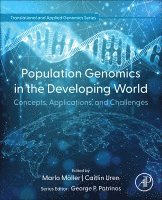
Population Genomics in the Developing World: Concepts, Applications, and Challenges, a new volume in the Translational and Applied Genomics series, provides a comprehensive, up-to-date summary of the field of population genomics in developing countries. This book equips students, researchers, and clinicians with the practical skills and approaches necessary to face the unique challenges and opportunities of practicing population genomics in developing countries. Following a brief foundational overview, more than a dozen authors working in developing nations share applied case studies from the field, including rationale, methods, analysis, and outcomes to reinforce understanding. Key themes across the country-specific chapters include efficient genetic data generation and effective computational and statistical tools to analyze population-level data. This book then discusses clinical interpretation of these data, from direct-to-consumer ancestry testing to translational and applied precision medicine. A final chapter considers the ethical aspects of conducting genomic research in developing countries.
Addresses the unique opportunities to positively impact global health by practicing population genomics in developing countriesFeatures applied case studies from genomic research in various developing nations, with clear instruction in research rationale, methods, tools, materials used, analysis, and outcomesFeatures international chapter authors and population genomics experts practicing in South Africa, Gabon, India, South America, Central America, and Honduras, among other locations1 837 kr
Skickas inom 7-10 vardagar
1 741 kr
Kommande