Understanding the Ancient World - Böcker
Visar alla böcker i serien Understanding the Ancient World. Handla med fri frakt och snabb leverans.
14 produkter
14 produkter
2 367 kr
Skickas inom 10-15 vardagar
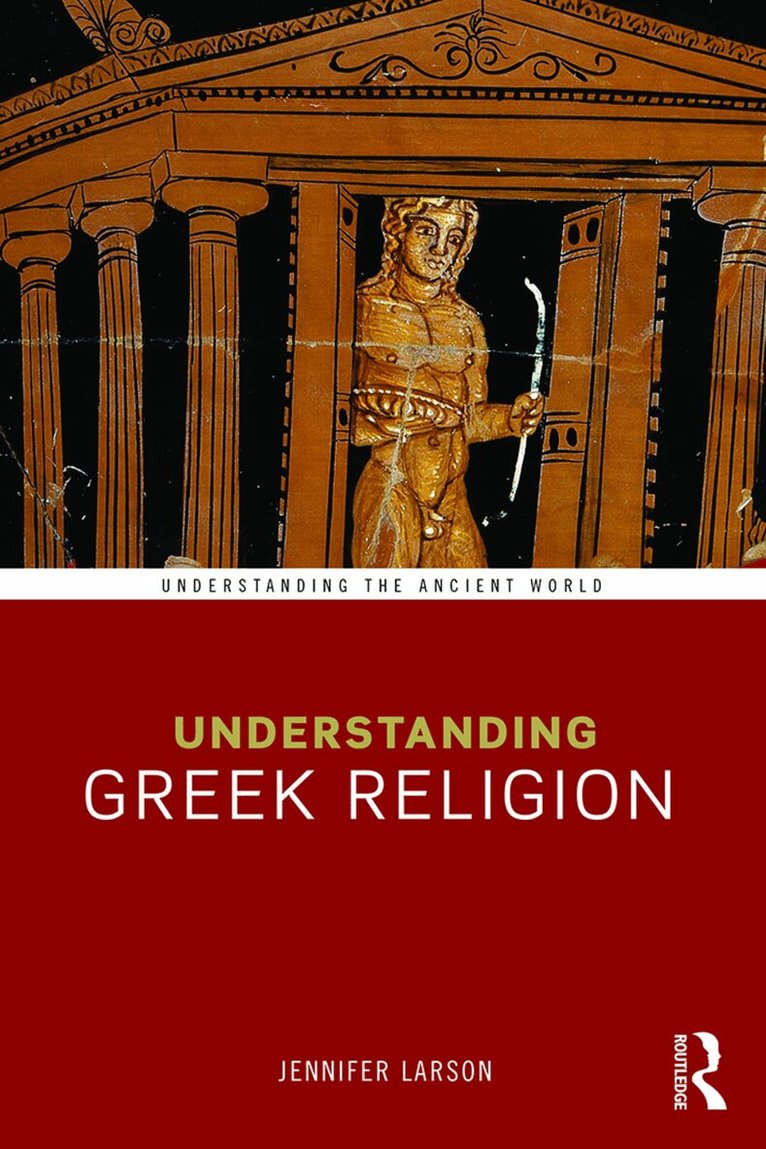
Understanding Greek Religion is one of the first attempts to fully examine any religion from a cognitivist perspective, applying methods and findings from the cognitive science of religion to the ancient Greek world. In this book, Jennifer Larson shows that many of the fundamentals of Greek religion, such as anthropomorphic gods, divinatory procedures, purity beliefs, reciprocity, and sympathetic magic arise naturally as by-products of normal human cognition. Drawing on evidence from across the ancient Greek world, Larson provides detailed coverage of Greek theology and local pantheons, rituals including processions, animal sacrifice and choral dance, and afterlife beliefs as they were expressed through hero worship and mystery cults. Eighteen in-depth essays illustrate the theoretical discussion with primary sources and include case studies of key cult inscriptions from Kyrene, Kos, and Miletos. This volume features maps, tables, and over twenty images to support and expand on the text, and will provide conceptual tools for understanding the actions and beliefs that constitute a religion. Additionally, Larson offers the first detailed discussion of cognition and memory in the transmission of Greek religious beliefs and rituals, as well as a glossary of terms and a bibliographical essay on the cognitive science of religion.Understanding Greek Religion is an essential resource for both undergraduate and postgraduate students of Greek culture and ancient Mediterranean religions.
646 kr
Skickas inom 10-15 vardagar
Understanding Greek Religion is one of the first attempts to fully examine any religion from a cognitivist perspective, applying methods and findings from the cognitive science of religion to the ancient Greek world. In this book, Jennifer Larson shows that many of the fundamentals of Greek religion, such as anthropomorphic gods, divinatory procedures, purity beliefs, reciprocity, and sympathetic magic arise naturally as by-products of normal human cognition. Drawing on evidence from across the ancient Greek world, Larson provides detailed coverage of Greek theology and local pantheons, rituals including processions, animal sacrifice and choral dance, and afterlife beliefs as they were expressed through hero worship and mystery cults. Eighteen in-depth essays illustrate the theoretical discussion with primary sources and include case studies of key cult inscriptions from Kyrene, Kos, and Miletos. This volume features maps, tables, and over twenty images to support and expand on the text, and will provide conceptual tools for understanding the actions and beliefs that constitute a religion. Additionally, Larson offers the first detailed discussion of cognition and memory in the transmission of Greek religious beliefs and rituals, as well as a glossary of terms and a bibliographical essay on the cognitive science of religion.Understanding Greek Religion is an essential resource for both undergraduate and postgraduate students of Greek culture and ancient Mediterranean religions.
519 kr
Skickas inom 10-15 vardagar
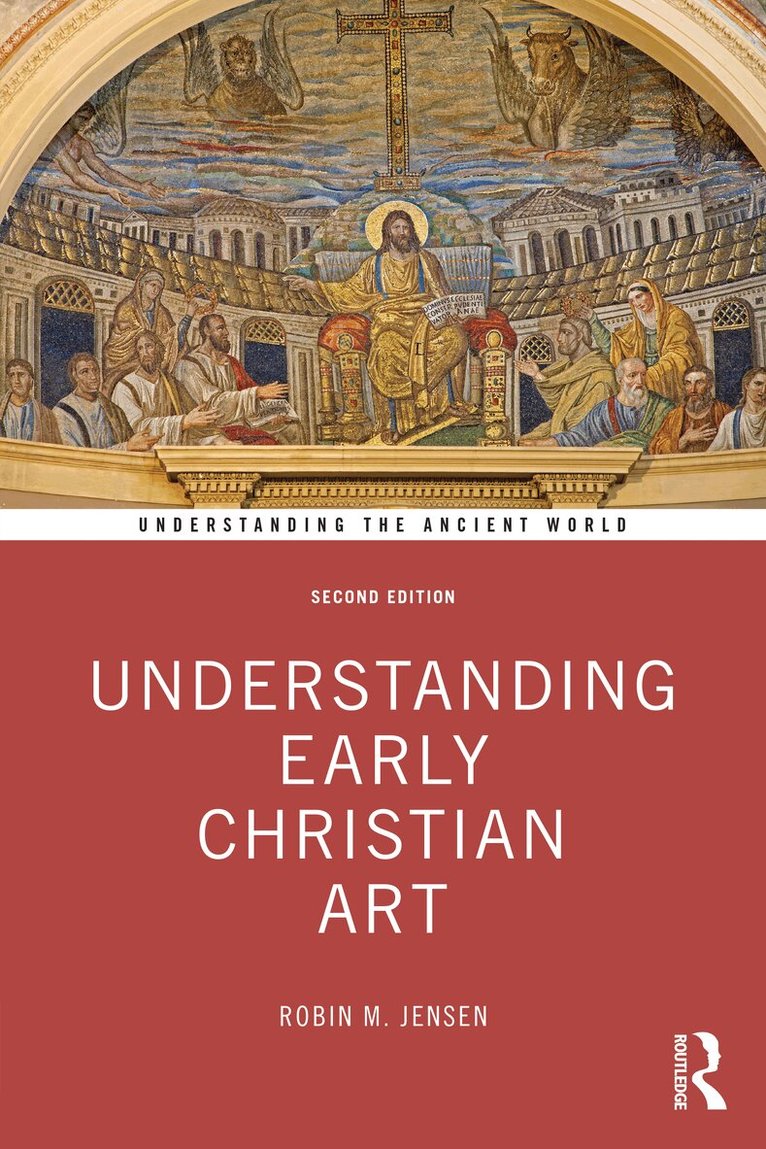
Surveying the content and character of early Christian iconography from the third to the sixth century CE, this substantially revised and updated new edition of Understanding Early Christian Art makes the critical tools of art historians accessible to students.It opens by discussing a series of questions pertaining to the evidence itself and how scholars through the centuries have regarded this material as expressing and transmitting aspects of the developing faith and practice of early adherents of Christianity. It considers possible sources for the various motifs and the complex relationship between words and images, as well as the importance of studying visual and material culture alongside theological and liturgical texts. Rather than organising surviving examples by medium or chronology, the chapters categorise the evidence according to their general iconographic type, such as generic symbols, biblical narratives, and portraits. Each chapter takes up important questions of visual culture, formal style, and the ways in which the iconography is distinct from or shows parallels with contemporary documentary sources like sermons, exegetical works, catechetical lectures, or dogmatic treatises. Concluding with a discussion of the late-emerging depictions of Jesus’s crucifixion, resurrection, and ascension, it remains a valuable guide to comprehending the complex theology, history, and context of Christian art.Augmented by over 140 full-colour images, accompanied by parallel text, the interdisciplinary and boundary-breaking approach taken in this extensively revised edition of Understanding Early Christian Art enables students and scholars in fields such as religion and art history to further their understanding and knowledge of the art of the early Christian era.
1 961 kr
Skickas inom 10-15 vardagar
Surveying the content and character of early Christian iconography from the third to the sixth century CE, this substantially revised and updated new edition of Understanding Early Christian Art makes the critical tools of art historians accessible to students.It opens by discussing a series of questions pertaining to the evidence itself and how scholars through the centuries have regarded this material as expressing and transmitting aspects of the developing faith and practice of early adherents of Christianity. It considers possible sources for the various motifs and the complex relationship between words and images, as well as the importance of studying visual and material culture alongside theological and liturgical texts. Rather than organising surviving examples by medium or chronology, the chapters categorise the evidence according to their general iconographic type, such as generic symbols, biblical narratives, and portraits. Each chapter takes up important questions of visual culture, formal style, and the ways in which the iconography is distinct from or shows parallels with contemporary documentary sources like sermons, exegetical works, catechetical lectures, or dogmatic treatises. Concluding with a discussion of the late-emerging depictions of Jesus’s crucifixion, resurrection, and ascension, it remains a valuable guide to comprehending the complex theology, history, and context of Christian art.Augmented by over 140 full-colour images, accompanied by parallel text, the interdisciplinary and boundary-breaking approach taken in this extensively revised edition of Understanding Early Christian Art enables students and scholars in fields such as religion and art history to further their understanding and knowledge of the art of the early Christian era.
1 812 kr
Skickas inom 10-15 vardagar
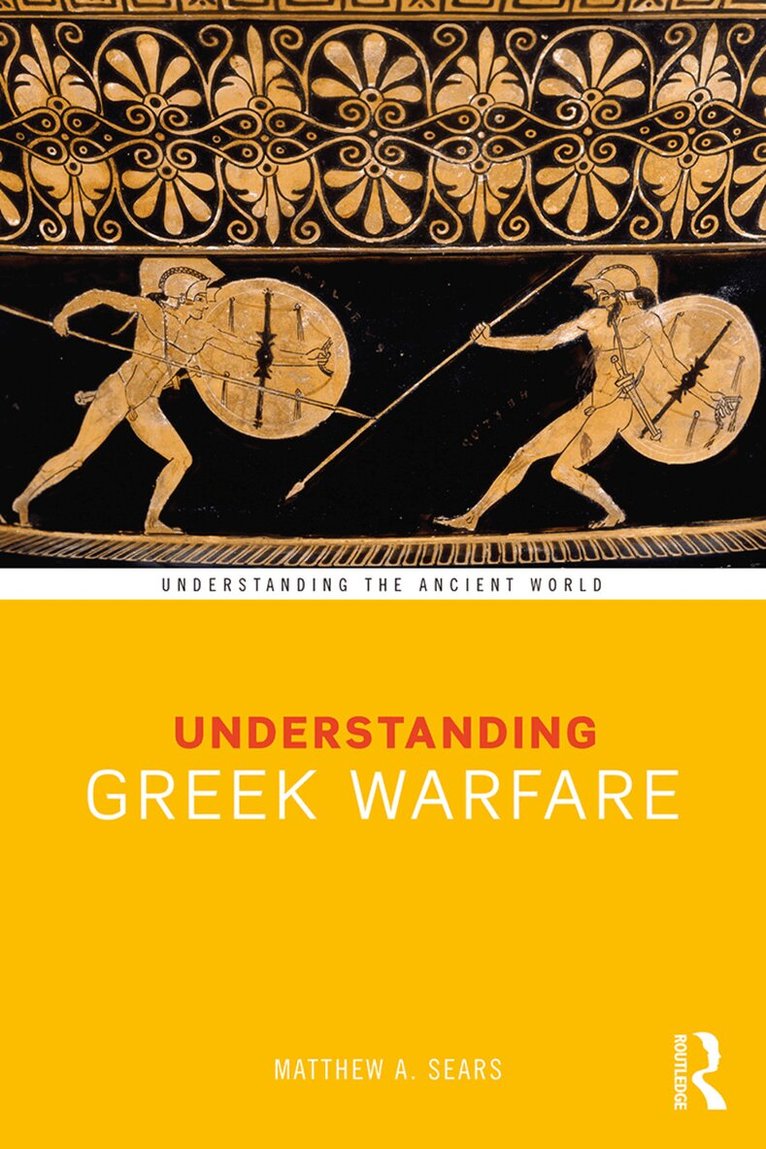
Understanding Greek Warfare offers a wide-ranging survey of Greek warfare, from the Mycenaeans through to the Hellenistic kingdoms’ clashes with Rome. Each chapter provides an overview of a particular theme and historical period, and a detailed discussion of the relevant sources, both ancient and modern. This volume covers not only the development of equipment, tactics, strategy, and the major wars of Greek history – the "drums and trumpets" – it also examines the political, social, and cultural importance of warfare in each period. Each chapter outlines major scholarly debates, such as the true nature of hoplite battle and whether Alexander the Great had a strategic vision beyond conquest, and includes several short selections from the primary literary evidence. Readable yet scholarly, this book is an ideal companion to courses on Greek warfare and society, and offers detailed suggestions for further reading and research. Understanding Greek Warfare will be a crucial resource for students of war in the ancient Greek world, and of the ancient Greeks in general.
479 kr
Skickas inom 10-15 vardagar
Understanding Greek Warfare offers a wide-ranging survey of Greek warfare, from the Mycenaeans through to the Hellenistic kingdoms’ clashes with Rome. Each chapter provides an overview of a particular theme and historical period, and a detailed discussion of the relevant sources, both ancient and modern. This volume covers not only the development of equipment, tactics, strategy, and the major wars of Greek history – the "drums and trumpets" – it also examines the political, social, and cultural importance of warfare in each period. Each chapter outlines major scholarly debates, such as the true nature of hoplite battle and whether Alexander the Great had a strategic vision beyond conquest, and includes several short selections from the primary literary evidence. Readable yet scholarly, this book is an ideal companion to courses on Greek warfare and society, and offers detailed suggestions for further reading and research. Understanding Greek Warfare will be a crucial resource for students of war in the ancient Greek world, and of the ancient Greeks in general.
783 kr
Skickas inom 10-15 vardagar
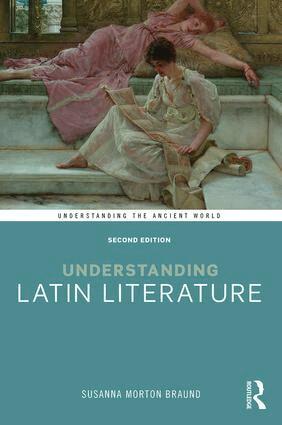
Understanding Latin Literature is a highly accessible, user-friendly work that provides a fresh and illuminating introduction to the most important aspects of Latin prose and poetry. This second edition is heavily revised to reflect recent developments in scholarship, especially in the area of the later reception and reverberations of Latin literature. Chapters are dedicated to Latin writers such as Virgil and Livy and explore how literature related to Roman identity and society. Readers are stimulated and inspired to do their own further reading through engagement with a wide selection of translated extracts and through understanding the different ways in which they can be approached. Central throughout is the theme of the fundamental connections between Latin literature and issues of elite Roman culture. The versatile and accessible structure of Understanding Latin Literature makes it suitable for both individual and class use.
2 720 kr
Skickas inom 10-15 vardagar
Understanding Latin Literature is a highly accessible, user-friendly work that provides a fresh and illuminating introduction to the most important aspects of Latin prose and poetry. This second edition is heavily revised to reflect recent developments in scholarship, especially in the area of the later reception and reverberations of Latin literature. Chapters are dedicated to Latin writers such as Virgil and Livy and explore how literature related to Roman identity and society. Readers are stimulated and inspired to do their own further reading through engagement with a wide selection of translated extracts and through understanding the different ways in which they can be approached. Central throughout is the theme of the fundamental connections between Latin literature and issues of elite Roman culture. The versatile and accessible structure of Understanding Latin Literature makes it suitable for both individual and class use.
1 162 kr
Tillfälligt slut
346 kr
Tillfälligt slut
1 162 kr
Tillfälligt slut
346 kr
Tillfälligt slut
2 333 kr
Skickas inom 10-15 vardagar
Understanding Greek Tragic Theatre, a revised edition of Greek Tragic Theatre (1992), is intended for those interested in how Greek tragedy works. By analysing the way the plays were performed in fifth-century Athens, Rush Rehm encourages classicists, actors, and directors to approach Greek tragedy by considering its original context. Emphasizing the political nature of tragedy as a theatre of, by, and for the polis, Rehm characterizes Athens as a performance culture, one in which the theatre stood alongside other public forums as a place to confront matters of import and moment. In treating the various social, religious and practical aspects of tragic production, he shows how these elements promoted a vision of the theatre as integral to the life of the city – a theatre whose focus was on the audience.The second half of the book examines four exemplary plays, Aeschylus’ Oresteia trilogy, Sophocles’ Oedipus Tyrannus, and Euripides’ Suppliant Women and Ion. Without ignoring the scholarly tradition, Rehm focuses on how each tragedy unfolds in performance, generating different relationships between the characters (and chorus) on stage and the audience in the theatre.
721 kr
Skickas inom 10-15 vardagar
Understanding Greek Tragic Theatre, a revised edition of Greek Tragic Theatre (1992), is intended for those interested in how Greek tragedy works. By analysing the way the plays were performed in fifth-century Athens, Rush Rehm encourages classicists, actors, and directors to approach Greek tragedy by considering its original context. Emphasizing the political nature of tragedy as a theatre of, by, and for the polis, Rehm characterizes Athens as a performance culture, one in which the theatre stood alongside other public forums as a place to confront matters of import and moment. In treating the various social, religious and practical aspects of tragic production, he shows how these elements promoted a vision of the theatre as integral to the life of the city – a theatre whose focus was on the audience.The second half of the book examines four exemplary plays, Aeschylus’ Oresteia trilogy, Sophocles’ Oedipus Tyrannus, and Euripides’ Suppliant Women and Ion. Without ignoring the scholarly tradition, Rehm focuses on how each tragedy unfolds in performance, generating different relationships between the characters (and chorus) on stage and the audience in the theatre.