Very Brief Histories - Böcker
Visar alla böcker i serien Very Brief Histories. Handla med fri frakt och snabb leverans.
12 produkter
12 produkter
118 kr
Skickas
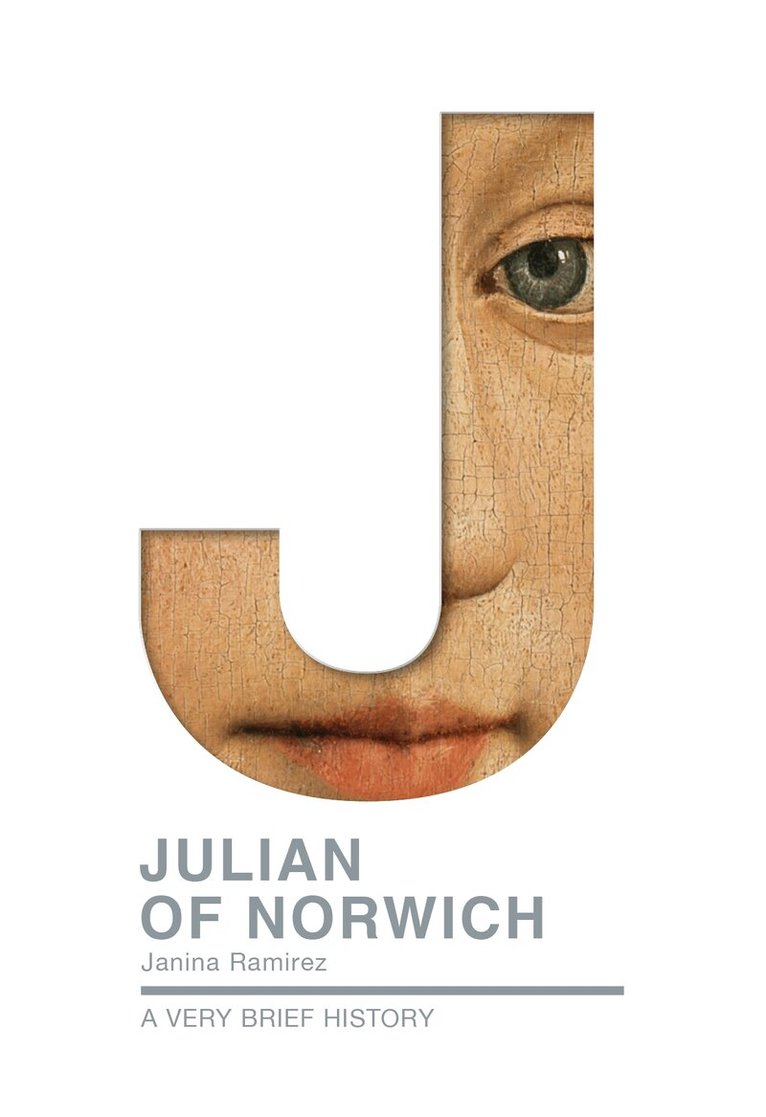
Over six hundred years ago a woman known as Julian of Norwich wrote what is now regarded as one of the greatest works of literature in English. Based on a sequence of mystical visions she received in 1373, her book is called Revelations of Divine Love. Julian lived through an age of political and religious turmoil, as well as through the misery of the Black Death, and her writing engages with timeless questions about life, love and the meaning of suffering. But who was Julian of Norwich? And what can she teach us today?Medievalist and TV historian Janina Ramirez invites you to join her in exploring Julian's remarkable life and times, offering insights into how and why her writing has survived, and what we can learn from this fourteenth-century mystic whose work lay hidden in the shadows of her male contemporaries for far too long.
147 kr
Skickas inom 7-10 vardagar
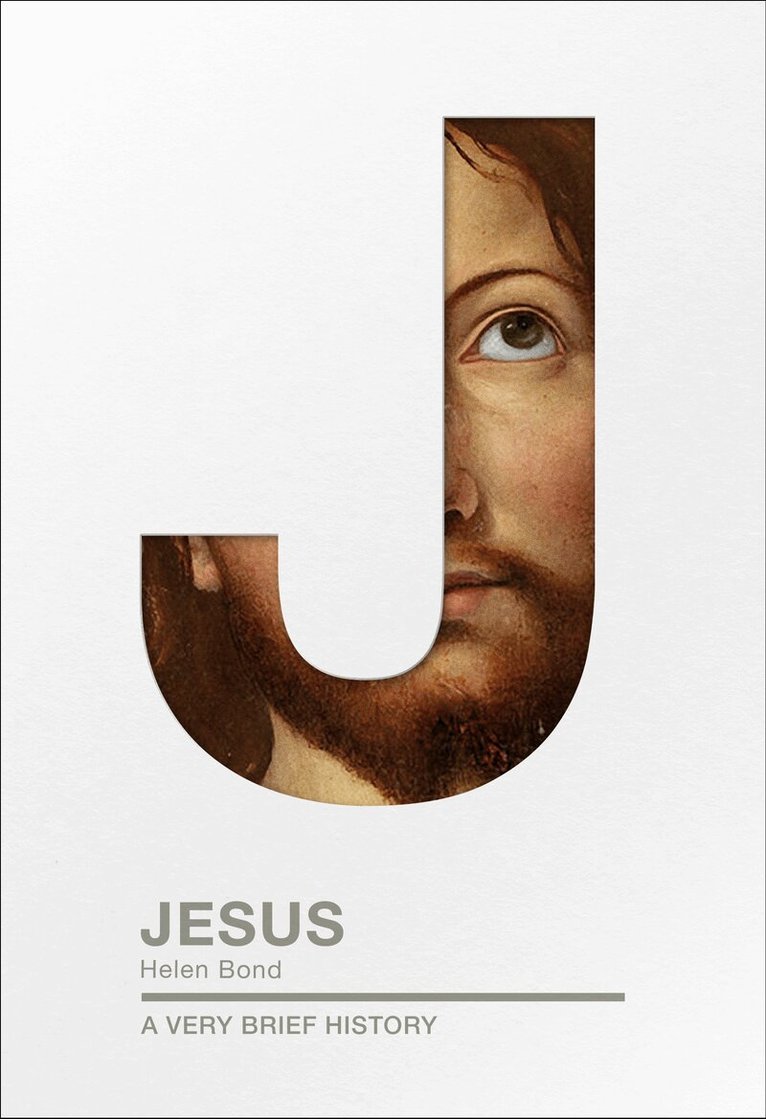
'You have heard that it was said, "You shall love your neighbour and hate your enemy." But I say to you, love your enemies and pray for those who persecute you...'With over two billion followers today, Jesus of Nazareth is the most influential person to have walked the earth. But why has he had such an enormous impact?Written by a world authority, this brief history begins by assessing Jesus the man - his Jewish heritage, his message, his friends and enemies, and his eventual execution.Helen Bond then considers Jesus' legacy, starting with the accounts of his life in the New Testament. She also looks at other early portrayals of Jesus, at the spread of Jesus-devotion during the Middle Ages, and at what Jesus means to people today - both in the Church and in secular culture.
114 kr
Tillfälligt slut
'There is neither Jew nor Greek, there is neither slave nor free, there is no male and female; for you are all one in Christ Jesus.'(Galatians 3.28)The revolutionary writings of St Paul have had an incalculable impact on Western history, and continue to influence directly the two billion Christians living today.Written by a world authority, this brief history begins by assessing what we know about Paul's life and letters, and his impact on the Roman world of the first century. It concludes by highlighting the key elements of Paul's thought and considering their consequences as they have played out over two millennia.
108 kr
Skickas inom 11-20 vardagar
'The study of philosophy is that we may know not what men have thought, but what the truth of things is.'Thomas Aquinas (c. 1225-74) was one of the most influential philosophers of the Middle Ages, and his works continue to be widely read today. The leading classical proponent of natural theology and the founder of Thomism, he is regarded as one of the greatest Western thinkers of all time.Written by a world authority, this brief history begins with an engaging account of Aquinas's life and intellectual context. Thomas Aquinas goes on to explain the main contours of his thought for readers who may have no previous knowledge of him, or of academic philosophy and theology. It concludes with an informed assessment of the scale and significance of his legacy.
118 kr
Skickas
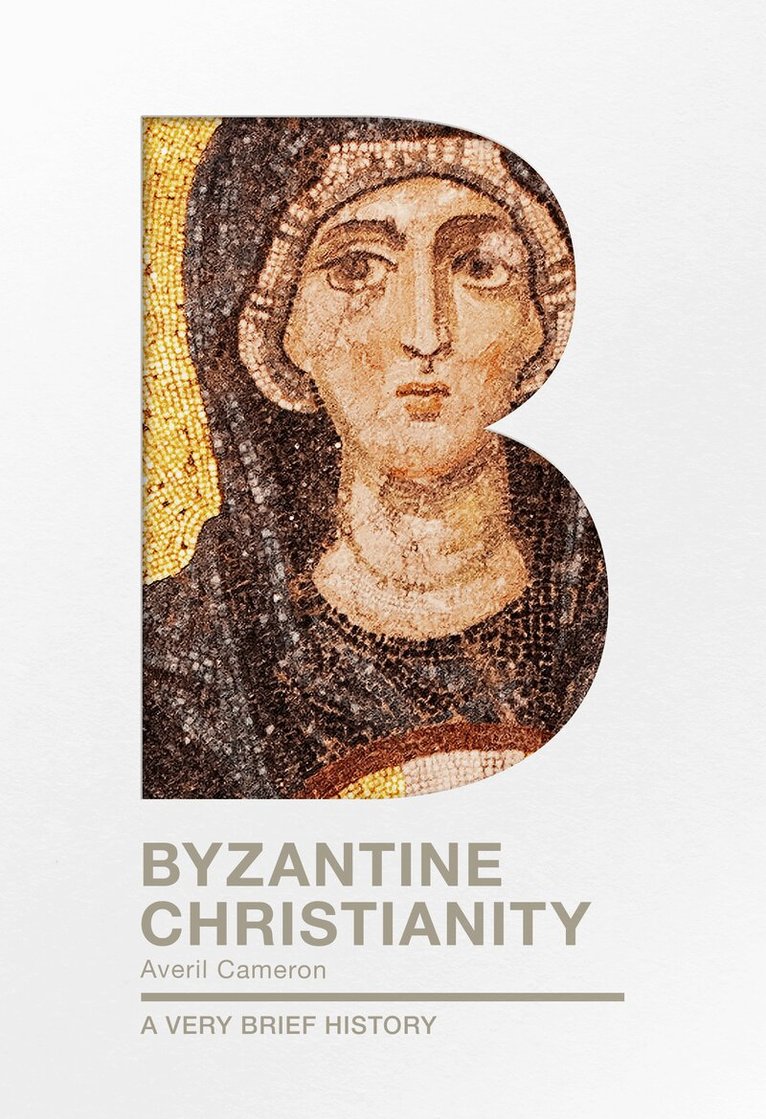
'... I have sailed the seas and comeTo the holy city of Byzantium.'W. B. YeatsFrom the foundation of Constantinople in 330 to its fall in 1453, this brief history explores the key components of Byzantine Christianity, including the development of monasticism, icons and iconoclasm, the role of the emperor in relation to church councils and beliefs, the difficult relationship with the papacy and the impact of the Crusades.The book also considers Byzantine Christianity as a living force today: the variety and vitality of Orthodox churches, the role of the Church in Russia and the enduring relevance of a spirituality derived from the church fathers.
125 kr
Skickas
'If the English people were to be set a test to justify their history and civilization by the example of one man, then it is Sir Thomas More whom they would perhaps choose.' So commented The Times in 1978 on the 500th anniversary of More's birth.Twenty-two years later, Pope John Paul II proclaimed Thomas More the patron saint of politicians and people in public life, on the basis of his 'constant fidelity to legitimate authority and ... his intention to serve not power but the supreme ideal of justice'.In this fresh assessment of More's life and legacy, John Guy considers the factors that have given rise to such claims concerning More's significance. Who was the real Thomas More? Was he the saintly, self-possessed hero of conscience of Robert Bolt's A Man for All Seasons or was he the fanatical, heretic-hunting torturer of Hilary Mantel's Wolf Hall? Which of these images of More has the greater historical veracity? And why does this man continue to fascinate, inspire and provoke us today?
151 kr
Skickas inom 7-10 vardagar
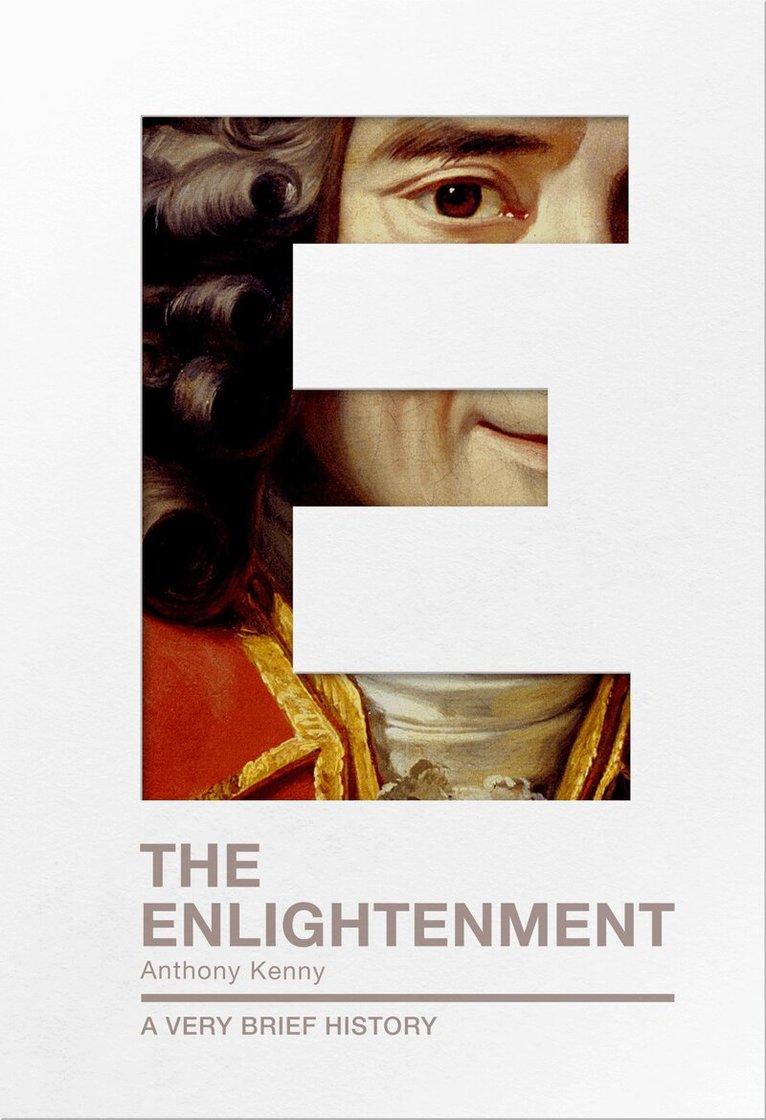
'If God did not exist, it would be necessary to invent him.'VoltaireMontesquieu, Hume, Voltaire, Diderot, Smith, Gibbon, Bentham... These are among the great thinkers who contributed to the dramatic developments in religion, science and philosophy that we now call the Enlightenment. They dominated the second half of the eighteenth century and their writings continue to shape the intellectual and political worlds we now inhabit.Written by a world authority, this brief history of the Enlightenment concludes with a perceptive assessment of the cultural, religious, ethical and political dimensions of its legacy.'A remarkable short tour of the Enlightenment that is brisk but never hurried, covering more than seems possible. Kenny is as spirited and opinionated as the age he describes, tempered by a moderation and breadth of knowledge that comes from experience and hindsight.'Julian Baggini, founder editor of The Philosophers' Magazine
161 kr
Skickas inom 7-10 vardagar
Florence Nightingale is remembered in history for the part she played in nursing wounded soldiers during the Crimean War and is often credited as the founder of modern nursing.In this brand new introduction, Lynn McDonald explores the social, political and religious factors that formed the original context of her life and writings such as her faith in a secular world, the Crimean War and the founding of a new profession, before considering how those factors affected the way she was initially received before turning to the intellectual and cultural 'afterlife' of Florence Nightingale.Part One: The History (What do we know?) This brief historical introduction to Florence Nightingale explores the social, political and religious factors that formed the original context of her life and writings, and considers how those factors affected the way she was initially received. What was her impact on the world at the time and what were the key ideas and values connected with her?Part Two: The Legacy (Why does it matter?) This second part explores the intellectual and cultural 'afterlife' of Florence Nightingale, and considers the ways in which her impact has lasted and been developed in different contexts by later generations. Why is she still considered important today? In what ways is her legacy contested or resisted? And what aspects of her legacy are likely to continue to influence the world in the future?The book has a brief chronology at the front plus a list of further reading at the back.
151 kr
Skickas inom 7-10 vardagar
‘Two things fill the mind with ever new and increasing admiration. . . the starry heavens above me and the moral law within me.’Immanuel Kant (1724– 1804) remains a major influence in philosophy, especially in the areas of epistemology, ethics, theology, political theory and aesthetics. This brief history helpfully explains the development of Kant’s thought, and highlights its contemporary relevance, by considering each of his major works in their order of appearance.The book has a brief chronology at the front plus a glossary of key terms and a list of further reading at the back.
121 kr
Skickas
Part One: The History (What do we know?)This brief historical introduction to William Tyndale explores the social, political and religious factors that formed the original context of his life and writings, and considers how those factors affected the way he was initially received. What was his impact on the world at the time and what were the key ideas and values connected with him? Part Two: The Legacy (Why does it matter?)This second part explores the intellectual and cultural `afterlife' of William Tyndale, and considers the ways in which his impact has lasted and been developed in different contexts by later generations. Why is he still considered important today? In what ways is his legacy contested or resisted? And what aspects of his legacy are likely to continue to influence the world in the future? The book has a brief chronology at the front plus a glossary of key terms and a list of further reading at the back.
237 kr
Skickas inom 7-10 vardagar
'If the English people were to be set a test to justify their history and civilization by the example of one man, then it is Sir Thomas More whom they would perhaps choose.' So commented The Times in 1978 on the 500th anniversary of More's birth.Twenty-two years later, Pope John Paul II proclaimed Thomas More the patron saint of politicians and people in public life, on the basis of his 'constant fidelity to legitimate authority and ... his intention to serve not power but the supreme ideal of justice'.In this fresh assessment of More's life and legacy, John Guy considers the factors that have given rise to such claims concerning More's significance. Who was the real Thomas More? Was he the saintly, self-possessed hero of conscience of Robert Bolt's A Man for All Seasons or was he the fanatical, heretic-hunting torturer of Hilary Mantel's Wolf Hall? Which of these images of More has the greater historical veracity? And why does this man continue to fascinate, inspire and provoke us today?
189 kr
Skickas
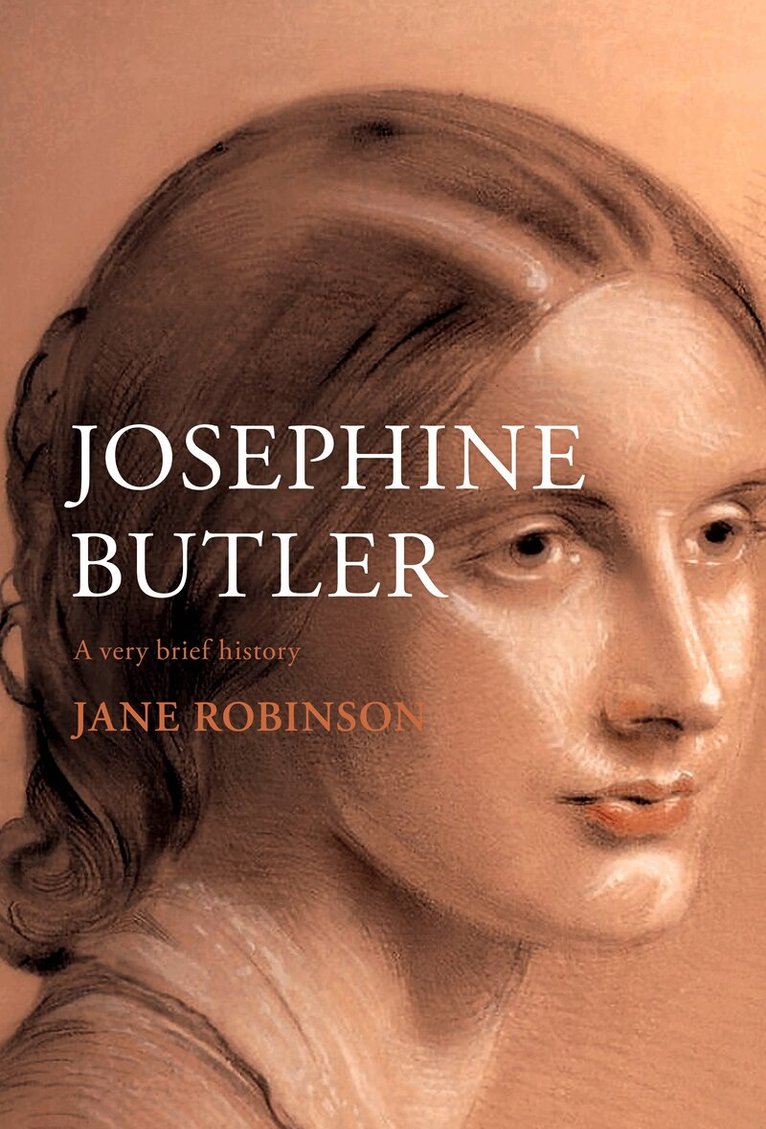
When Josephine Butler died in 1906, she was declared by Millicent Fawcett to have been 'the most distinguished Englishwoman of the nineteenth century'. With impassioned speeches and fiery writing, Butler's campaigns for women's rights shook Victorian society to its core and became a force for change that has shaped modern Britain.As well as campaigning for women's suffrage and for married women's property rights she was a tireless advocate of women's access to higher education and of equality in the workplace. Her greatest achievement was to change social attitudes to women and children forced into prostitution, and to expose the sex-trafficking business - both of which resulted in new, more humane legislation.But how did the physically frail wife of a schoolmaster become a leading social reformer? In this brief introduction Jane Robinson explores Butler's fascinating life and describes how her progressive politics, her anger at injustice and her passionate Christianity combined to create a vibrant legacy that lasts to this day.