Virtual Reality Technologies for Health and Clinical Applications - Böcker
Visar alla böcker i serien Virtual Reality Technologies for Health and Clinical Applications. Handla med fri frakt och snabb leverans.
4 produkter
4 produkter
1 745 kr
Skickas inom 10-15 vardagar
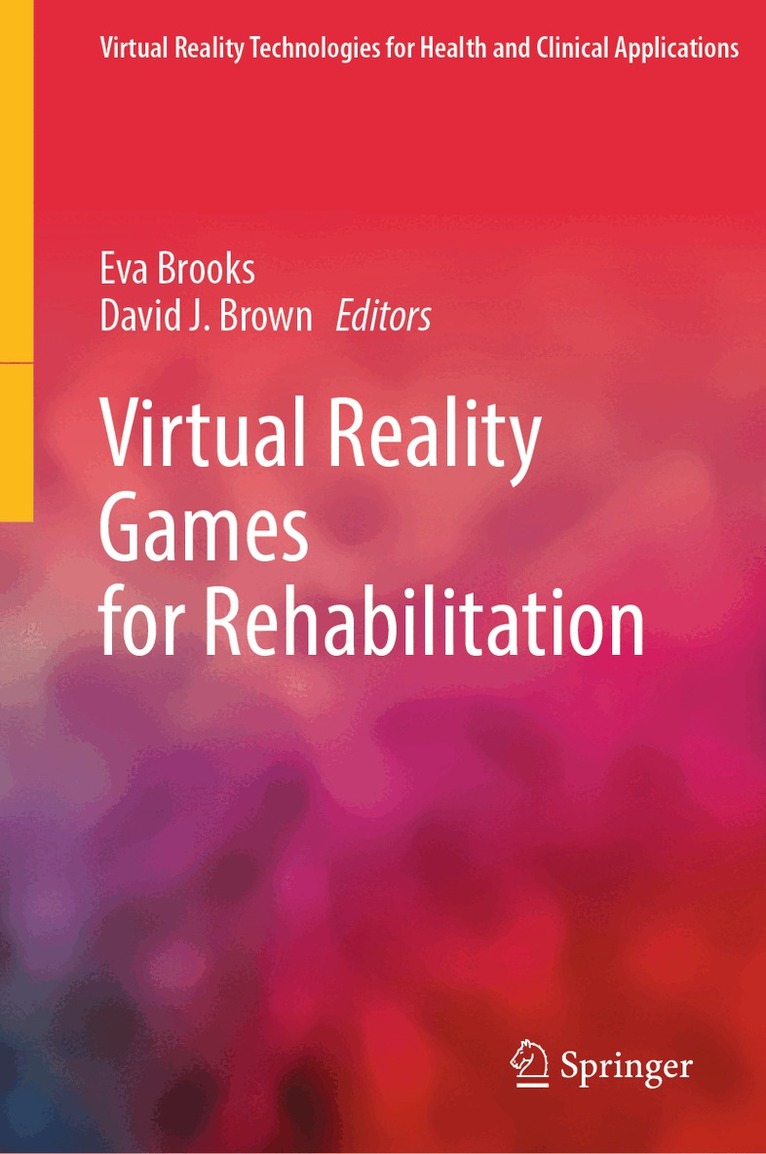
This volume focuses on games to manage and facilitate rehabilitation. It emphasizes user practice, attitudes, and experience, and their changing place within developing rehabilitation frameworks. It looks at how users have adopted, integrated, and innovated with games to facilitate rehabilitation. Topics include game technology, game design and accessibility, web-based technologies vs pervasive and mobile technologies, social and collaborative aspects, and rehabilitative outcome. Games for rehabilitation are gaining interest from different communities such as medicine, psychology, and rehabilitation. A distinction can be made between games specifically made for rehabilitative purposes and games made for the general public but that are used in rehabilitation as well. Games have allowed the building of new/complementary forms for rehabilitation and offered new options to produce rehabilitative activities and experiences.
1 528 kr
Skickas inom 10-15 vardagar
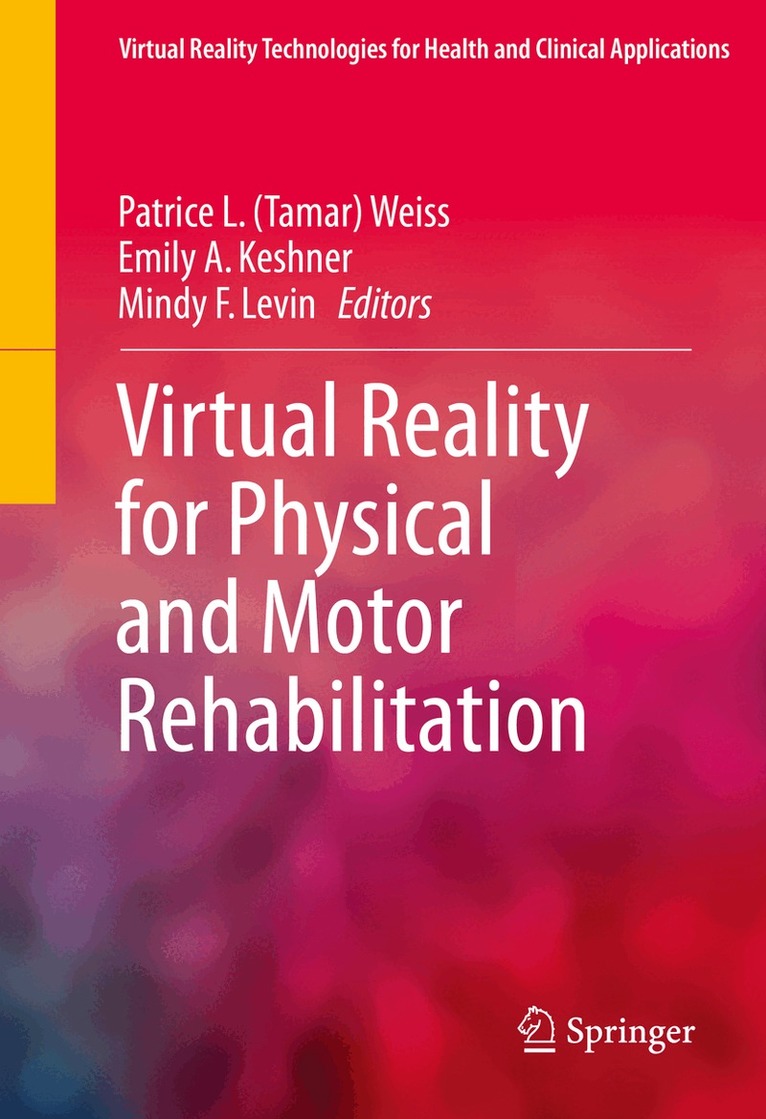
While virtual reality (VR) has influenced fields as varied as gaming, archaeology and the visual arts, some of its most promising applications come from the health sector. Particularly encouraging are the many uses of VR in supporting the recovery of motor skills following accident or illness.Virtual Reality for Physical and Motor Rehabilitation reviews two decades of progress and anticipates advances to come. It offers current research on the capacity of VR to evaluate, address, and reduce motor skill limitations and the use of VR to support motor and sensorimotor function, from the most basic to the most sophisticated skill levels. Expert scientists and clinicians explain how the brain organizes motor behavior, relate therapeutic objectives to client goals and differentiate among VR platforms in engaging the production of movement and balance. On the practical side, contributors demonstrate that VR complements existing therapies across various conditions such as neurodegenerative diseases, traumatic brain injury and stroke. Included among the topics:Neuroplasticity and virtual reality.Vision and perception in virtual reality.Sensorimotor recalibration in virtual environments.Rehabilitative applications using VR for residual impairments following stroke.VR reveals mechanisms of balance and locomotor impairments.Applications of VR technologies for childhood disabilities.A resource of great immediate and future utility, Virtual Reality for Physical and Motor Rehabilitation distills a dynamic field to aid the work of neuropsychologists, rehabilitation specialists (including physical, speech, vocational and occupational therapists), and neurologists.
1 094 kr
Skickas inom 10-15 vardagar
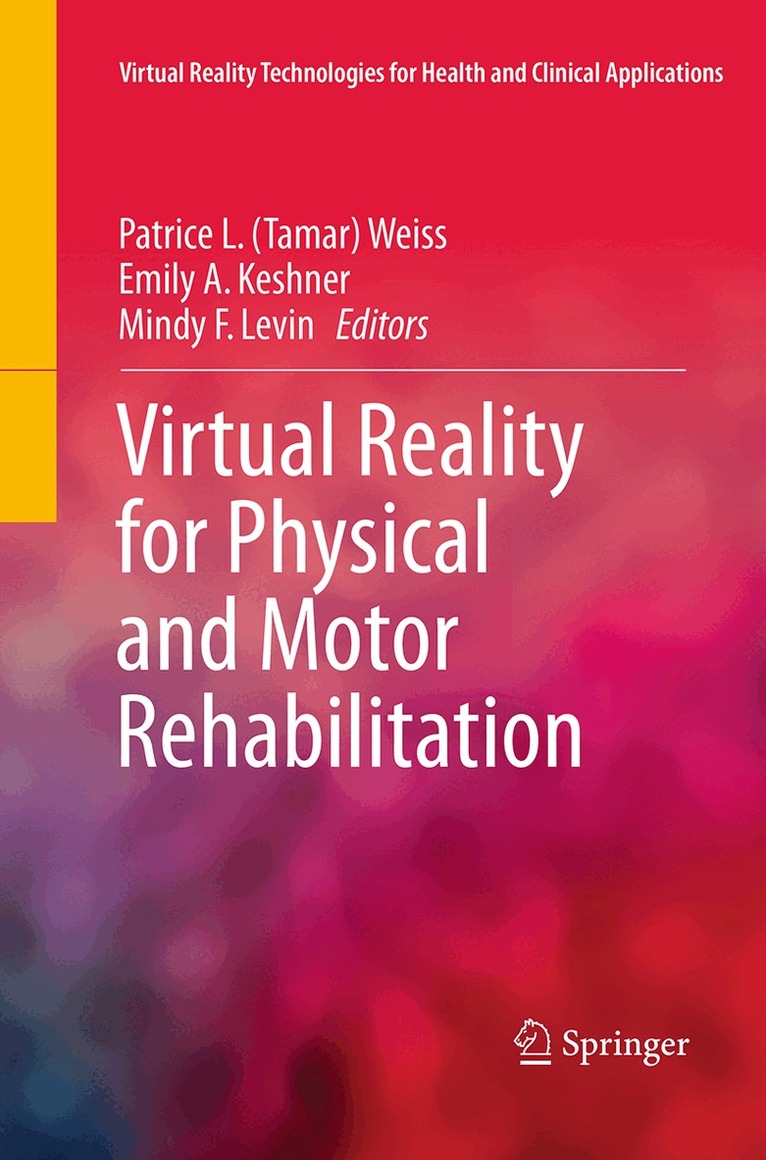
While virtual reality (VR) has influenced fields as varied as gaming, archaeology and the visual arts, some of its most promising applications come from the health sector. Particularly encouraging are the many uses of VR in supporting the recovery of motor skills following accident or illness.Virtual Reality for Physical and Motor Rehabilitation reviews two decades of progress and anticipates advances to come. It offers current research on the capacity of VR to evaluate, address, and reduce motor skill limitations and the use of VR to support motor and sensorimotor function, from the most basic to the most sophisticated skill levels. Expert scientists and clinicians explain how the brain organizes motor behavior, relate therapeutic objectives to client goals and differentiate among VR platforms in engaging the production of movement and balance. On the practical side, contributors demonstrate that VR complements existing therapies across various conditions such as neurodegenerative diseases, traumatic brain injury and stroke. Included among the topics:Neuroplasticity and virtual reality.Vision and perception in virtual reality.Sensorimotor recalibration in virtual environments.Rehabilitative applications using VR for residual impairments following stroke.VR reveals mechanisms of balance and locomotor impairments.Applications of VR technologies for childhood disabilities.A resource of great immediate and future utility, Virtual Reality for Physical and Motor Rehabilitation distills a dynamic field to aid the work of neuropsychologists, rehabilitation specialists (including physical, speech, vocational and occupational therapists), and neurologists.
1 528 kr
Skickas inom 10-15 vardagar
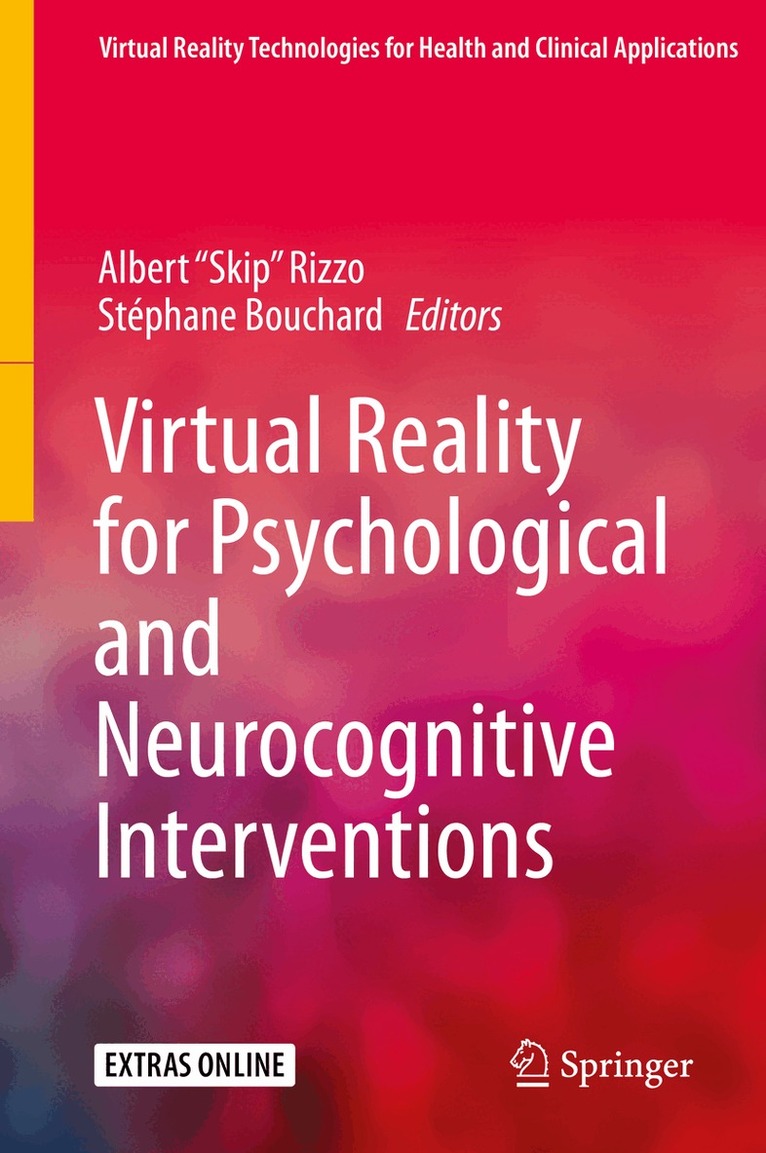
This exciting collection tours virtual reality in both its current therapeutic forms and its potential to transform a wide range of medical and mental health-related fields. Extensive findings track the contributions of VR devices, systems, and methods to accurate assessment, evidence-based and client-centered treatment methods, and—as described in a stimulating discussion of virtual patient technologies—innovative clinical training. Immersive digital technologies are shown enhancing opportunities for patients to react to situations, therapists to process patients’ physiological responses, and scientists to have greater control over test conditions and access to results. Expert coverage details leading-edge applications of VR across a broad spectrum of psychological and neurocognitive conditions, including:Treating anxiety disorders and PTSD.Treating developmental and learning disorders, including Autism Spectrum Disorder,Assessment of and rehabilitation from stroke and traumatic brain injuries.Assessment and treatment of substance abuse.Assessment of deviant sexual interests.Treating obsessive-compulsive and related disorders.Augmenting learning skills for blind persons.Readable and relevant, Virtual Reality for Psychological and Neurocognitive Interventions is an essential idea book for neuropsychologists, rehabilitation specialists (including physical, speech, vocational, and occupational therapists), and neurologists. Researchers across the behavioral and social sciences will find it a roadmap toward new and emerging areas of study.