154 kr
Lyssna direkt efter köp
154 kr
Lyssna direkt efter köp
69 kr
Lyssna direkt efter köp
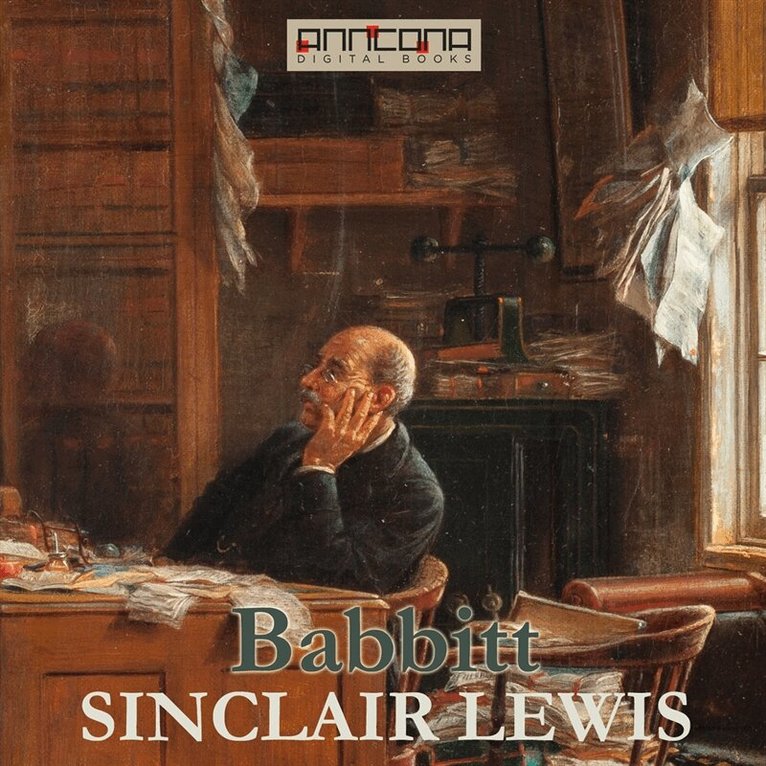
Babbitt by Sinclair Lewis was first published in 1922.
Sinclair Lewis’ George F. Babbitt is a complicated and conflicted character. When you think you have his next move figured out he surprises you. As you begin to like him, he does something to evoke the “what a rat” response.
Male menopause wasn’t a pre Great Depression term, but I would say George has all the symptoms. At a pudgy balding forty six he looks at his life, wife, family and business. He sees himself as a pretty successful business man, but when Tanis, the lonely widow, has a leaky roof, he sees an opportunity for perhaps a more fulfilling relationship then he has at home. Add to Tanis a foray into radical politics, and we are about to whiteness an emotional and financial train wreck with Babbitt at the throttle.
This is a long story, but well worth listening to. Human nature hasn’t changed much in the last ninety years.
Largely a satire of American culture, society, and behavior, it critiques the vacuity of middle-class American life and its pressure toward conformity. An immediate and controversial bestseller, Babbitt was influential in the decision to award Lewis the Nobel Prize in literature in 1930.
Harry Sinclair Lewis (1885-1951) was an American novelist, short-story writer, and playwright.
In 1930, he became the first writer from the United States to receive the Nobel Prize in Literature, which was awarded "for his vigorous and graphic art of description and his ability to create, with wit and humor, new types of characters."
His works are known for their insightful and critical views of American capitalism and materialism between the wars. He is also respected for his strong characterizations of modern working women.69 kr
Lyssna direkt efter köp
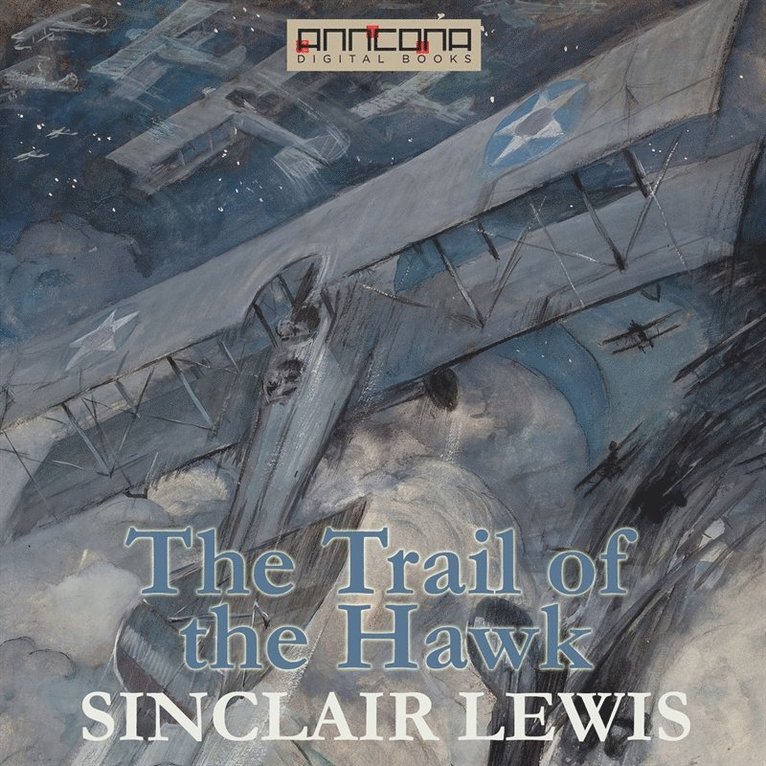
The Trail of the Hawk: a Comedy of the Seriousness of Life by Sinclair Lewis was published in 1915.
The Trail of the Hawk, is Sinclair Lewis’ second novel published under his own name. It was not at the time of release a smashing success as his later works, Babbitt, Elmer Gantry, and others, but his style and immense talent are certainly evident.
We travel with The Hawk, or Carl Ericson, son of Norwegian immigrants, born at the end of the 19th century through the first three adventurous periods of the young man’s life. We see him as an adventurous boy, running away with Gertie Cowels, the girl that lives in the big house in the better part of town, only to be rescued by Bone Stillman, a backwoods philosopher and influence on Carl.
We travel with him as he leaves his childhood, Gertie and Joralemon behind, for a short attempt at higher education, then to pursue the hobo life, a Bowery bartender, an engineer in Panama and an aviator. It is during the aviator phase that he becomes Hawk Ericson barnstorming his way across America, an exciting but dangerous lifestyle. Leaving aviation after too many close calls, and the loss of his best friend, he becomes an automobile man, and moves into phase three.
It is in phase three, love adventure, that we find The Hawk in New York, mingling with polite society quite by accident. He is smitten by Ruth Winslow, while riding on a streetcar after a fight with Gertie, and follows Ruth to a party which he crashes.
The listener will enjoy it, a trip into post Victorian, pre Jazz Age America.
Harry Sinclair Lewis (1885-1951) was an American novelist, short-story writer, and playwright.
In 1930, he became the first writer from the United States to receive the Nobel Prize in Literature, which was awarded "for his vigorous and graphic art of description and his ability to create, with wit and humor, new types of characters."
His works are known for their insightful and critical views of American capitalism and materialism between the wars. He is also respected for his strong characterizations of modern working women.
99 kr
Lyssna direkt efter köp
99 kr
Lyssna direkt efter köp