E-bok, Engelska, 2012
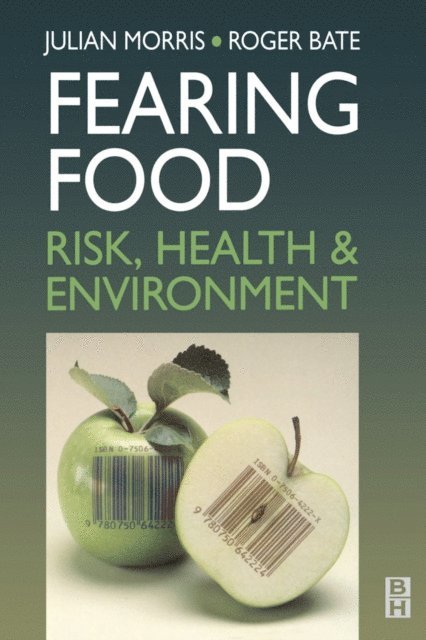
Fearing Food
343 kr
Läs direkt i Bokus Reader – eller ladda ned till din enhet (PDF kräver ofta zoom och scroll på små skärmar).
Beskrivning
Environmental and consumer activists have for a long time blamed pesticides, fertilizers and other aspects of intensive farming for causing environmental degradation and human disease. Yet, as the authors in this book show, intensive farming has enabled growth in food production at a rate greater than population growth, thereby ensuring that people are better fed than ever before, whilst simultaneously limiting the effect of farming on the environment.The authors debunk numerous pervasive myths, including:Myth: Pesticides are bad for the environment and bad for human healthFact: Synthetic pesticides enable the production of large quantities of fresh fruit and vegetables, which means that people are better protected against cancer. In addition, the synthetic pesticides themselves are often less toxic than natural pesticides. Overall, synthetic pesticides present a net gain in health terms.Myth: Antibiotic resistance in animals is spreading to humans.Fact: The use of antibiotics in young animals keeps meat prices low and does not materially contribute to antibiotic resistance in humans.Myth: Nitrate fertilizers are a threat to human health.Fact: Nitrate fertilizers are probably beneficial to human health.Myth: Genetically modified organisms (GMOs) are bad for the environment and bad for our health.Fact: Many environmental problems associated with agriculture can be reduced by using GMOs, which have the potential to improve yields and quality which simultaneously reducing associated inputs, such as fertilizers, herbicides and pesticides. Commercially produced GM foodcrops have no known impacts on human health and future GM foodcrops are likely to have health benefits (enabling such things as low-fat chips/french fries and non-allergenic peanuts).Myth: Instances of food poisoning would be reduced if we had more regulations.Fact: Instances of food poisoning in the UK may have been exacerbated by over-cautious government regulation.Myth: Subsidies are needed to order to ensure that food and fish are produced in environmentally sound ways.Fact: Subsidies to fisheries and farming have caused widespread environmental degradation.Myth: Packaging and transporting food is environmentally unfriendly.Fact: Packaging enhances the shelf life of products and reduces wastage during transport. Transporting food allows society to take advantage of different environmental and socio-economic conditions that exist in different places.
Produktinformation
- Utgivningsdatum: 2012-12-02
- Språk: Engelska
- Filformat: PDF
- Kopieringsskydd: LCP
- ISBN: 9780080984902
- Förlag: Elsevier Science
Utforska kategorier
Betyg & recensioner
0 recensioner
Inga recensioner tillgängliga.