Häftad, Engelska, 2019
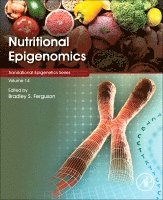
Nutritional Epigenomics
Del 14 i serien Translational Epigenetics
2068 kr
Beställningsvara. Skickas inom 11-20 vardagar. Fri frakt över 249 kr.
Fler format och utgåvor
Beskrivning
Nutritional Epigenomics offers a comprehensive overview of nutritional epigenomics as a mode of study, along with nutrition's role in the epigenomic regulation of disease, health and developmental processes. Here, an expert team of international contributors introduces readers to nutritional epigenomic regulators of gene expression, our diet's role in epigenomic regulation of disease and disease inheritance, caloric restriction and exercise as they relate to recent epigenomic findings, and the influence of nutritional epigenomics over circadian rhythms, aging and longevity, and fetal health and development, among other processes. Disease specific chapters address metabolic disease (obesity and diabetes), cancer, and neurodegeneration, among other disorders.
Diet-gut microbiome interactions in the epigenomic regulation of disease are also discussed, as is the role of micronutrients and milk miRNAs in epigenetic regulation. Finally, chapter authors examine ongoing discussions of race and ethnicity in the social-epigenomic regulation of health and disease.
- Empowers the reader to employ nutritional epigenomics approaches in their own research
- Discusses the latest topics in nutritional epigenomics in the regulation of aging, circadian rhythm, inheritance and fetal development, as well as metabolism and disease
- Offers a full grounding in epigenetic reprogramming and nutritional intervention in the treatment and prevention of disease, as informed by population-based studies
Produktinformation
- Utgivningsdatum: 2019-07-23
- Mått: 191 x 235 x 28 mm
- Vikt: 975 g
- Format: Häftad
- Språk: Engelska
- Serie: Translational Epigenetics
- Antal sidor: 478
- Förlag: Elsevier Science
- Medarbetare: Bradley S. Ferguson
- ISBN: 9780128168431
Utforska kategorier
Mer om författaren
Bradley S. Ferguson is an Associate Professor of Nutrition at the University of Nevada, Reno, Nevada. His lab adopts integrative, translational research approaches that encompass bioinformatics, in vitro cell culture, and in vivo animal models to elucidate dietary food components that act as epigenetic modifiers, as well as the role of dietary epigenetic modifiers on pathological cardiac signaling, gene expression, and remodeling. He also seeks to understand how sarcomere protein acetylation links metabolic disease (obesity and diabetes) to pathological cardiac remodeling and skeletal muscle dysfunction. Dr. Ferguson has published his findings across a wide range of peer-reviewed journals, including Scientific Reports, Journal of Animal Science, American Journal of Physiology, Cell Reports, PNAS, and the Journal of Molecular and Cellular Cardiology.
Betyg & recensioner
0 recensioner
Inga recensioner tillgängliga.