• Fri frakt över 249 kr
  • •
  • Snabba leveranser
  • •
  • Billiga böcker
Kundservice

Du är på sajten för privatpersoner.

Företag, bibliotek eller offentlig verksamhet?

Du handlar på classic.bokus.com, där alla dina funktioner finns intakta.
Till classic.bokus.com
Bokus logotyp. Gå till startsidan.
  • Erbjudanden
  • Nyheter
  • Student
  • Topplistor
  • Barn & ungdom
  • Bokus Play
  • E-böcker
  • Pocketböcker
  • Spel & pussel

10% rabatt på allt med kod: NYSTART10 →

Sidfot

Mina sidor

    Hjälp

    • Kundservice
    • Vanliga frågor och svar
    • Frakt och leverans
    • Retur vid ångerrätt
    • Reklamera vara
    • Betalning
    • Köpvillkor
    • Allmänna villkor
    • Information om webbplatsens tillgänglighet

    Om Bokus

    • Om oss
    • Pressrum
    • För studenter
    • För företag
    • För bibliotek och offentlig verksamhet
    • För leverantörer
    • Hållbarhet

    Populärt

    • Aktuella erbjudanden
    • Presentkort
    • Studentlitteratur
    • Nya böcker
    • Topplistor
    • Signerade böcker
    • Engelska böcker

    Inspiration

    • Boktips
    • BookTok
    • Populära bokserier
    • Barnbokskaraktärer
    • Populära författare
    Logotyp för Bokus
    Följ oss på Facebook (extern länk)Följ oss på Instagram (extern länk)Följ oss på YouTube (extern länk)Följ oss på TikTok (extern länk)
    bokus @ CookiesAnpassa cookiesIntegritetspolicyKöpvillkor
    Till Citymail hemsida (extern länk)Till Budbee hemsida (extern länk)Till Postnord hemsida (extern länk)Till Schenker hemsida (extern länk)Till Early Bird hemsida (extern länk)Till Walleys hemsida (extern länk)
    1. Naturvetenskap och teknik
    2. Matematik och naturvetenskap
    3. Biologi
    4. Biovetenskap

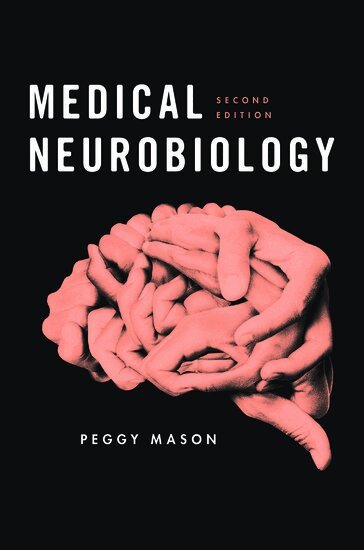
    Medical Neurobiology

    AvPeggy Mason

    Inbunden, Engelska, 2017

    1 957 kr

    Beställningsvara. Skickas inom 5-8 vardagar. Fri frakt över 249 kr.

    Beskrivning

    Medical Neurobiology, Second Edition continues the work of Dr. Peggy Mason as one of the few single author textbooks available. Written in an engaging style for the vast majority of medical students who will choose to specialize in internal medicine, orthopedics, oncology, cardiology, emergency medicine, and the like, as well as the student interested in neurology, psychiatry, or ophthalmology, this textbook provides a sturdy scaffold upon which a more detailed specialized knowledge can be built. Unlike other neuroscience textbooks, this new edition continues to focus exclusively on the human, covering everything from neuroanatomy to perception, motor control, homeostasis, and pathophysiology. Dr. Mason uniquely explains how disease and illness affect one's neurobiological functions and how they manifest in a person. Thoroughly updated as a result of student feedback, the topics are strictly honed and logically organized to meet the needs of the time-pressed student studying on-the-go. This textbook allows the reader to effortlessly absorb fundamental information critical to the practice of medicine through the use of memorable stories, metaphors, and clinical cases. Students will gain the tools and confidence to make novel connections between the nervous system and human disease. This is the perfect reference for any medical student, biology student, as well as any clinician looking to expand their knowledge of the human nervous system. New To the Second Edition of Medical Neurobiology:· New sections on cerebral palsy, brain cancer, traumatic brain injury, neurodegenerative diseases, aphasia, and Kallmann syndrome;· Incorporates easy to understand visual guides to brain development, eye movements, pupillary light reflex, pathways involved in Horner's syndrome; · Presents real-life dilemmas faced by clinicians are discussed from both the medical point of view and the patient's perspective; and · Additional reading lists are provided at the end of each chapter that include first-hand accounts of neurological cases and scientific discoveries (e.g. HM).Key Features Include:· Written in an accessible and narrative tone;· Uses metaphors and clinical examples to help the reader absorb the fundamentals of neurobiology; and · Highly illustrated with over 300 figures and tables for full comprehension of topics covered.

    Produktinformation

    • Utgivningsdatum:2017-04-06
    • Mått:221 x 282 x 35 mm
    • Vikt:1 746 g
    • Format:Inbunden
    • Språk:Engelska
    • Antal sidor:504
    • Upplaga:2
    • Förlag:OUP USA
    • ISBN:9780190237493

    Utforska kategorier

    • Biovetenskap inom Naturvetenskap och teknik
    • Neurologi och klinisk neurofysiologi inom Medicin
    • Klinisk medicin och internmedicin inom Medicin

    Mer om författaren

    Dr Peggy Mason's love of science gained an early start as a child taxidermist in Washington, DC. She received her BA in Biology (1983) and PhD in Neuroscience from Harvard University in 1987 and completed her post-doctoral training in Neurology at UCSF in 1991. She is currently a Professor of Neurobiology at the University of Chicago. She is committed to teaching neurobiology to anyone that will listen and has won multiple awards for her teaching of medical students at the Pritzker School of Medicine. She is the inaugural director of the Neuroscience program at the University of Chicago College. Her massively open online course (MOOC) on Understanding the Brain: The Neurobiology of Everyday Life has reached more than 100,000 students. In groundbreaking work that has garnered worldwide attention and excitement, Dr. Mason demonstrated that rats help other rats in distress. Her laboratory continues to investigate the biology of empathy and pro-social behavior.

    Recensioner i media

    Mason's second edition seamlessly weaves stories of human neurological conditions, historical observations and neurobiological facts into a highly readable, informative and insightful story. The author has done a stellar job of relating details of development, anatomy and cell function to medical problems. This is of great importance as it reinforces the concept that virtually everything you learn about neurobiology has medical significance. Nothing essential is omitted, even a lay person could pick up this book and easily learn about basic neurobiology and the clinical processes caused by its dysfunction. The material is strongly tied to clinical conditions and provides a unique level of understanding of the different neuropathological processes- I recommend it enthusiastically, particularly for medical students and health care professional trainees interested in the nervous system.

    Innehållsförteckning

    • Preface to the Second EditionPreface to the First EditionAcknowledgements Section 1: Introduction to Medical NeurobiologyChapter 1: Introduction to the Nervous SystemChapter 2: Cells of the Nervous System: Neurons and Glia Section 2: NeuroanatomyChapter 3: Developmental Overview of Central Neuroanatomy: The Tube within the BrainChapter 4: Spinal Cord: Conduit between Body and BrainChapter 5: Cranial Nerves and Cranial Nerve NucleiChapter 6: The Versatile BrainstemChapter 7: Forebrain: Action, Perception, Emotion, ThoughtChapter 8: Following the Nutrients: Bloody Supply, Blood - Brain Barrier, and Ventricles Section 3: Neural CommunicationChapter 9: The Neuron at RestChapter 10: Electrical Communication within a NeuronChapter 11: Neurotransmitter Release Chapter 12: Synthesis, Packaging, and Termination of Neurotransmitters Chapter 13: Receiving the Synaptic Message Section 4: PerceptionChapter 14: Perceiving the WorldChapter 15: Seeing the WorldChapter 16: Audition: Communication PortalChapter 17: Somatosensation: From Movement to PainChapter 18: The Vestibular Sense: Balance and EquilibriumChapter 19: Gaze Control Section 5: Motor ControlChapter 20: Voluntary Motor ControlChapter 21: The Motor Unit and Orderly RecruitmentChapter 22: Reflexes and GaitChapter 23: From Movement to Action: Postural Stability, Orienting, and PraxisChapter 24: CerebellumChapter 25: Basal Ganglia: Action Selection Section 6: HomeostasisChapter 26: Introduction to HomeostasisChapter 27: Homeostatic Systems: Staying Alive Section 7: You and the BrainChapter 28: The Brain in a Physician's Life Index