• Fri frakt över 249 kr
  • •
  • Snabba leveranser
  • •
  • Billiga böcker
Kundservice

Du är på sajten för privatpersoner.

Företag, bibliotek eller offentlig verksamhet?

Du handlar på classic.bokus.com, där alla dina funktioner finns intakta.
Till classic.bokus.com
Bokus logotyp. Gå till startsidan.
  • Erbjudanden
  • Student
  • Topplistor
  • Barn & ungdom
  • Bokus Play
  • E-böcker
  • Ljudböcker
  • Pocketböcker
  • Spel & pussel

10% rabatt på allt med kod NYSTART10 →

Sidfot

Mina sidor

    Hjälp

    • Kundservice
    • Vanliga frågor och svar
    • Frakt och leverans
    • Retur vid ångerrätt
    • Reklamera vara
    • Betalning
    • Köpvillkor
    • Allmänna villkor
    • Information om webbplatsens tillgänglighet

    Om Bokus

    • Om oss
    • Pressrum
    • För studenter
    • För företag
    • För bibliotek och offentlig verksamhet
    • För leverantörer
    • Hållbarhet

    Populärt

    • Aktuella erbjudanden
    • Presentkort
    • Studentlitteratur
    • Nya böcker
    • Topplistor
    • Signerade böcker
    • Engelska böcker

    Inspiration

    • Boktips
    • BookTok
    • Populära bokserier
    • Barnbokskaraktärer
    • Populära författare
    Logotyp för Bokus
    Följ oss på Facebook (extern länk)Följ oss på Instagram (extern länk)Följ oss på YouTube (extern länk)Följ oss på TikTok (extern länk)
    bokus @ CookiesAnpassa cookiesIntegritetspolicyKöpvillkor
    Till Citymail hemsida (extern länk)Till Budbee hemsida (extern länk)Till Postnord hemsida (extern länk)Till Schenker hemsida (extern länk)Till Early Bird hemsida (extern länk)Till Walleys hemsida (extern länk)
    1. Historia och arkeologi
    2. Historia
    3. Militärhistoria
    4. Forntida militärhistoria

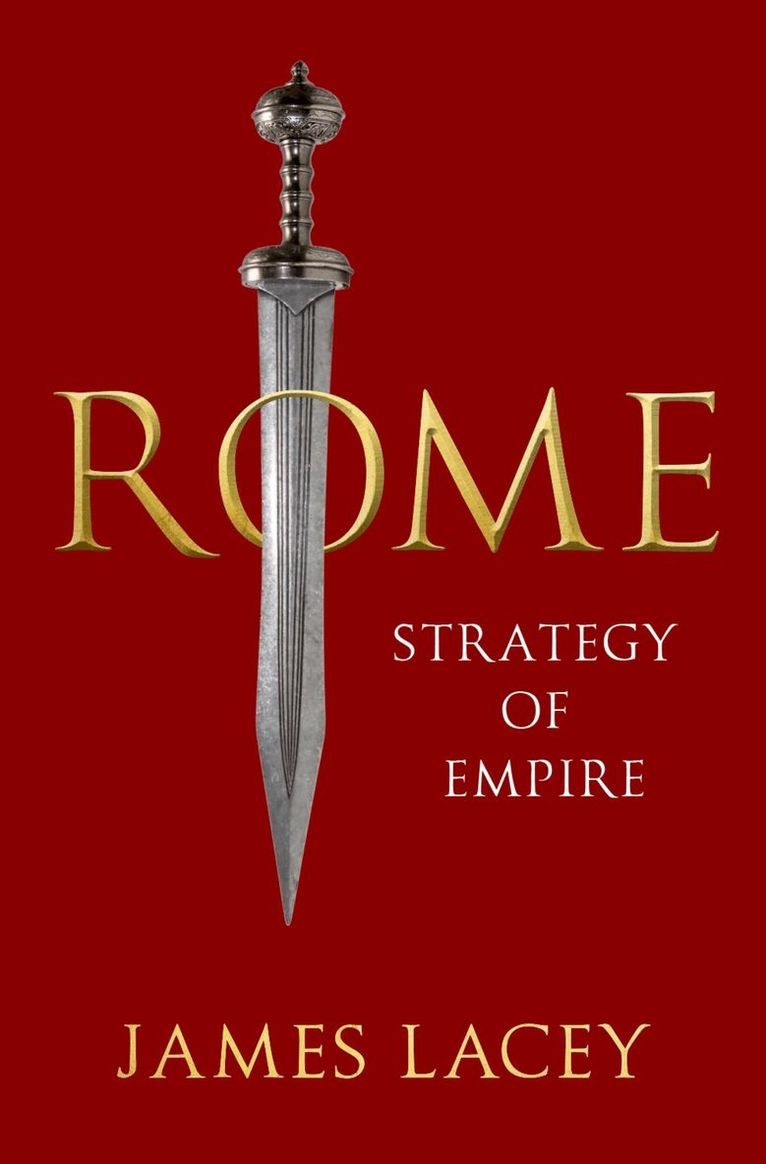
    Rome

    Strategy of Empire

    AvJames Lacey

    Inbunden, Engelska, 2022

    376 kr

    Skickas . Fri frakt över 249 kr.

    Fler format och utgåvor

    E-bok

    268 kr

    E-bok

    269 kr

    Häftad

    195 kr

    Beskrivning

    The first work to lay out Roman strategic thinking from its start under Augustus until its final demise in 476 CEFrom Octavian's victory at Actium (31 bc) to its traditional endpoint in the West (476), the Roman Empire lasted a solid 500 years—an impressive number by any standard, and fully one-fifth of all recorded history. In fact, the decline and final collapse of the Roman Empire took longer than most other empires even existed. Any historian trying to unearth the grand strategy of the Roman Empire must, therefore, always remain cognizant of the time scale, in which she is dealing. Although the pace of change in the Roman era never approached that of the modern era, it was not an empire in stasis. While the visible trappings may have changed little, the challenges Rome faced at its end were vastly different than those faced by Augustus and the Julio-Claudians. Over the centuries, the Empire's underlying economy, political arrangements, military affairs, and, most importantly, the myriad of external threats it faced were in constant flux, making adaptability to changing circumstances as important to Roman strategists as it is to strategists of the modern era.Yet the very idea of Rome having a grand strategy, or what it might be, had not concerned historians until Edward Luttwak's The Grand Strategy of the Roman Empire appeared forty years ago. Although this pioneering work generated much debate, it failed to win over many ancient historians, in part because of its heavy emphasis on military force and its neglect of considerations of diplomacy, economics, politics, culture, and the changing nature of the threats that confronted Rome.By employing an expansive definition of strategy and by focusing much of the narrative on crucial historical moments and the personalities involved, James Lacey provides a comprehensive, persuasive, and engaging account of the rise and fall of the Roman Empire. It assimilates the most recent work of classical historians and archaeologists to correct the flaws and omissions of previous accounts, thus presenting the most complete and nuanced narrative of Roman strategic thinking and execution ever published.

    Produktinformation

    • Utgivningsdatum:2022-11-24
    • Mått:163 x 233 x 36 mm
    • Vikt:776 g
    • Format:Inbunden
    • Språk:Engelska
    • Antal sidor:448
    • Förlag:OUP USA
    • ISBN:9780190937706
    • Utmärkelser:Shortlisted, 2023 Duke of Wellington Medal, The Royal United Services Institute

    Utforska kategorier

    • Forntida militärhistoria inom Historia och arkeologi
    • Forntidens historia inom Historia och arkeologi
    • Militär strategi inom Samhälle och politik

    Mer om författaren

    James Lacey holds the Horner Chair of War Studies and is Professor of Strategic Studies and Political Economy at Marine Corps War College. His previous books include, as author, The Washington War: FDR's Inner Circle and the Politics of Power that Won World War II and The First Clash: The Miraculous Greek Victory at Marathon and Its Impact on Western Civilization; as co-author with Williamson Murray, Gods of War: History's Greatest Military Rivals and Moment of Battle: The Twenty Clashes that Changed the World; and, as editor, Great Strategic Rivalries: From the Classical World to the Cold War.

    Recensioner i media

    As an argument about the Roman Empire's ability to conceptualize and maintain an ongoing imperial strategy, the book succeeds and is highly recommended. It reinvigorates and reshapes the debate.

    Innehållsförteckning

    • Introduction: Standing on the Shoulders of Giants Part I Themes and Topics 1: Could the Romans Do Strategy? 2: How Dangerous Were the Barbarians? 3: Paying for a Strategy: Funding the Republic 4: The Core of Roman Strategy 5: The Infrastructure of Empire 6: An Army for Empire 7: Roman Naval Power Part II Rome's Strategic History: From the Principate to the Crisis of the Third Century 8: The Julio-Claudian Empire 9: The Year of the Four Empires and the Flavians 10: The Empire at High Table 11: The Severan Interlude 12: New Threats 13: The Crisis of the Third Century Part III The Late Empire: New Beginnings and an End 14: Diocletian, Constantine, and a New Empire 15: The Late Imperial Army and Strategy 16: Four Battles and a Divorce 17: The Gothic Challenge 18: Adrianople's Aftermath 19: Denouement Conclusion Notes For Further Reading Acknowledgements Index