

Ricoeur on Moral Religion
A Hermeneutics of Ethical Life
E-bok
PDF, Engelska, 20141 256 kr
Läs direkt i Bokus Reader – eller ladda ned till din enhet (PDF kräver ofta zoom och scroll på små skärmar).
Fler format och utgåvor
Beskrivning
In Ricoeur on Moral Religion, James Carter argues that Paul Ricoeur''s later philosophical writings provide a highly instructive interpretive key with which to assess his philosophical project as a whole. This first systematic study of the ''later Ricoeur'' offers a critical yet sympathetic reconstruction of Ricoeur''s hermeneutics of ethical life, which demonstrates his significant contribution to contemporary philosophy of religion and moral philosophy. Whatemerges is a clear and distinctive moral religion that binds humans together universally on the basis of the life they share as capable beings. Carter also uncovers a hitherto unforeseen thread in Ricoeur''s writings concerning ethical life, pulled through his own readings of Spinoza, Aristotle, and Kant.Ricoeur''s hermeneutics is structured by a Kantian architectonic informed at different levels by these three philosophers, who ground a rich, holistic, and ultimately rationalist account of ethical life and religion that resists the trappings of both positivism and postmodernism.
Produktinformation
Utforska kategorier
Hoppa över listan





Mer från samma författare
- Nyhet
Del 1
Spin a Story
Mara Alperin, Catherine Brereton, Susie Brooks, James Carter, Donna David, Rachael Davis, Ella Foxglove, Clive Gifford, Sital Gorasia Chapman, Sam Hume, Rebecca Lewis-Oakes, Ros Roberts, Toby Thompson, Simon Yeend
Inbunden, 2025
194 kr
Hoppa över listan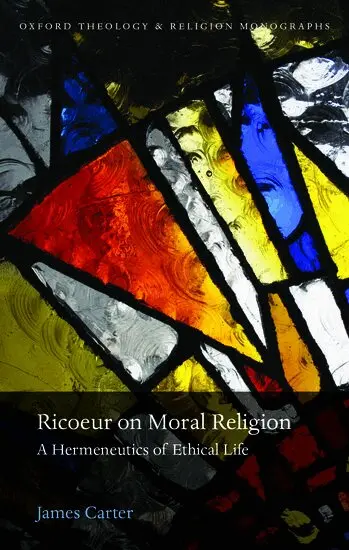







Du kanske också är intresserad av
- Nyhet
- -30%
- Nyhet
- Signerad!
Del 3
- Signerad!
- -15%
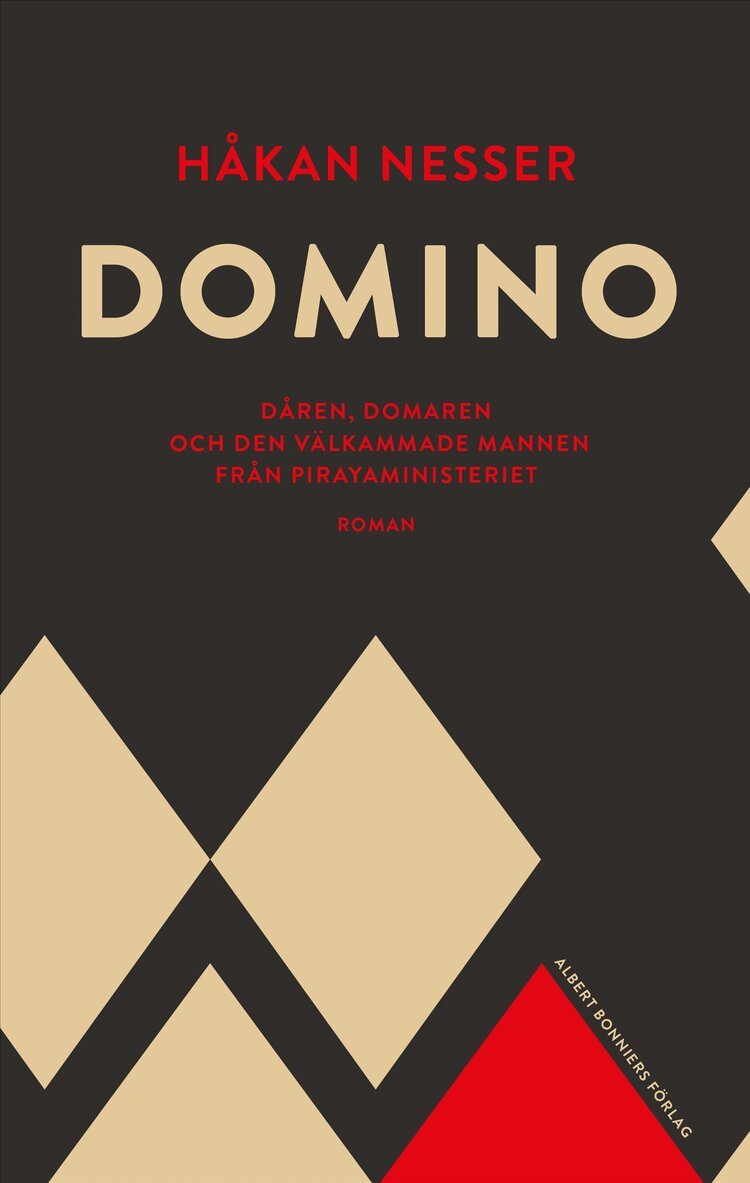
Domino : Dåren, domaren och den välkammade mannen från pirayaministeriet
Håkan Nesser
Inbunden, 2026
220 kr259 kr
- -15%
Del 3
- -15%
Del 5
- Nyhet
Del 11