E-bok, Engelska, 2016
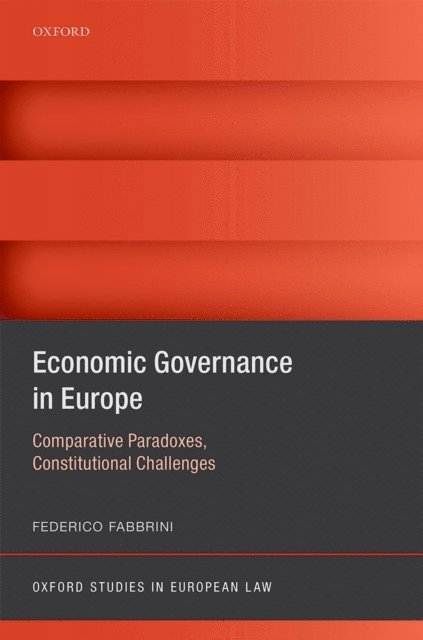
Economic Governance in Europe
1231 kr
Läs direkt i Bokus Reader – eller ladda ned till din enhet (PDF kräver ofta zoom och scroll på små skärmar).
Beskrivning
The Euro-Crisis and the legal and institutional responses to it have had important constitutional implications on the architecture of the European Union (EU). Going beyond the existing literature, Federico Fabbrini''s book takes a broad look and examines how the crisis and its aftermath have changed relations of power in the EU, disaggregating three different dimensions: (1) the vertical relations of power between the member states and the EU institutions, (2) the relations of power between the political branches and the courts, and (3) the horizontal relations of power between the EU member states themselves.The first part of the book argues that, in the aftermath of the Euro-crisis, power has been shifting along each of these axes in paradoxical ways. In particular, through a comparison of the United States, Fabbrini reveals that the EU is nowadays characterized by a high degree of centralization in budgetary affairs, an unprecedented level of judicialization of economic questions, and a growing imbalance between the member states in the governance of fiscal matters. As the book makes clear, however, each of these dynamics is a cause for concern - as it calls into question important constitutional values for the EU, such as the autonomy of the member states in taking decision about taxing and spending, the preeminence of the political process in settling economic matters, and the balance between state power and state equality. The second part of the book, therefore, devises possible options for future legal and institutional developments in the EU which may revert these paradoxical trends. In particular, Fabbrini considers the ideas of raising a fiscal capacitiy, restoring the centrality of the EU legislative process, and reforming the EU executive power, and discusses the challenges that accompany any further step towards a deeper Economic and Monetary Union.
Produktinformation
- Utgivningsdatum: 2016-01-29
- Språk: Engelska
- Filformat: PDF
- Kopieringsskydd: LCP
- ISBN: 9780191065934
- Förlag: Oxford University Press
Utforska kategorier
Betyg & recensioner
0 recensioner
Inga recensioner tillgängliga.