E-bok, Engelska, 2018
Making Dystopia
189 kr
Läs direkt i Bokus Reader – eller ladda ned till din enhet
Beskrivning
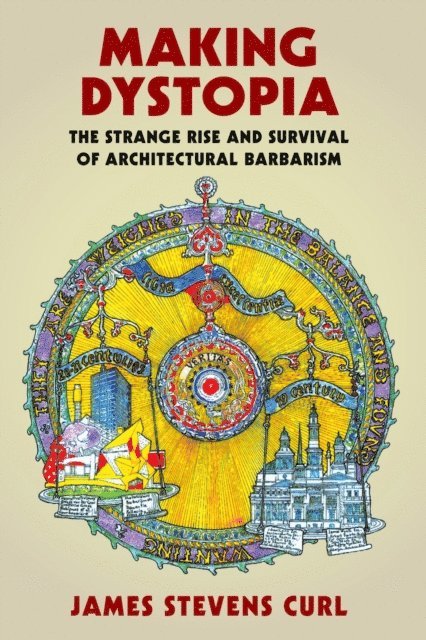
In Making Dystopia, distinguished architectural historian James Stevens Curl tells the story of the advent of architectural Modernism in the aftermath of the First World War, its protagonists, and its astonishing, almost global acceptance after 1945. He argues forcefully that the triumph of architectural Modernism in the second half of the twentieth century led to massive destruction, the creation of alien urban landscapes, and a huge waste of resources. Moreover, the coming of Modernism was not an inevitable, seamless evolution, as many have insisted, but a massive, unparalled disruption that demanded a clean slate and the elimination of all ornament, decoration, and choice.
Tracing the effects of the Modernist revolution in architecture to the present, Stevens Curl argues that, with each passing year, so-called ''iconic'' architecture by supposed ''star'' architects has become more and more bizarre, unsettling, and expensive, ignoring established contexts and proving to be stratospherically remote from the aspirations and needs of humanity. In the elite world of contemporary architecture, form increasingly follows finance, and in a society in which the ''haves'' have more and more, and the ''have-nots'' are ever more marginalized, he warns that contemporary architecture continues to stack up huge potential problems for the future, as housing costs spiral out of control, resources are squandered on architectural bling, and society fractures.
This courageous, passionate, deeply researched, and profoundly argued book should be read by everyone concerned with what is around us. Its combative critique of the entire Modernist architectural project and its apologists will be highly controversial to many. But it contains salutary warnings that we ignore at our peril. And it asks awkward questions to which answers are long overdue.
Tracing the effects of the Modernist revolution in architecture to the present, Stevens Curl argues that, with each passing year, so-called ''iconic'' architecture by supposed ''star'' architects has become more and more bizarre, unsettling, and expensive, ignoring established contexts and proving to be stratospherically remote from the aspirations and needs of humanity. In the elite world of contemporary architecture, form increasingly follows finance, and in a society in which the ''haves'' have more and more, and the ''have-nots'' are ever more marginalized, he warns that contemporary architecture continues to stack up huge potential problems for the future, as housing costs spiral out of control, resources are squandered on architectural bling, and society fractures.
This courageous, passionate, deeply researched, and profoundly argued book should be read by everyone concerned with what is around us. Its combative critique of the entire Modernist architectural project and its apologists will be highly controversial to many. But it contains salutary warnings that we ignore at our peril. And it asks awkward questions to which answers are long overdue.
Produktinformation
- Utgivningsdatum: 2018-08-23
- Språk: Engelska
- Filformat: EPUB
- Kopieringsskydd: LCP
- ISBN: 9780191068164
- Förlag: Oxford University Press
Utforska kategorier
Betyg & recensioner
0 recensioner
Inga recensioner tillgängliga.