E-bok, Engelska, 2012
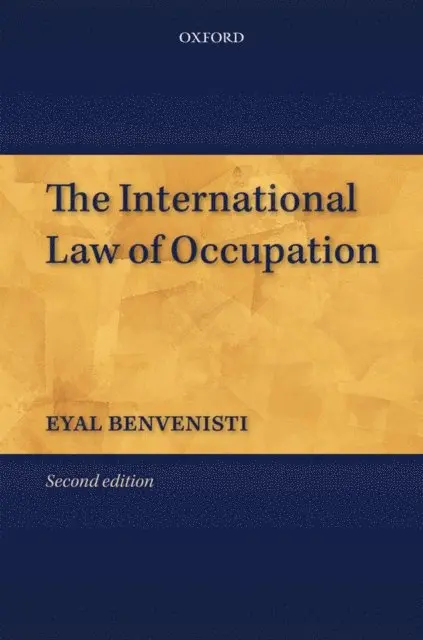
International Law of Occupation
630 kr
Läs direkt i Bokus Reader – eller ladda ned till din enhet (PDF kräver ofta zoom och scroll på små skärmar).
Beskrivning
The law of occupation imposes two types of obligations on an army that seizes control of enemy land during armed conflict: obligations to respect and protect the inhabitants and their rights, and an obligation to respect the sovereign rights of the ousted government. In theory, the occupant is expected to establish an effective and impartial administration, to carefully balance its own interests against those of the inhabitants and their government, and to negotiate the occupation''s early termination in a peace treaty. Although these expectations have been proven to be too high for most occupants, they nevertheless serve as yardsticks that measure the level of compliance of the occupants with international law. This thoroughly revised edition of the 1993 book traces the evolution of the law of occupation from its inception during the 18th century until today. It offers an assessment of the law by focusing on state practice of the various occupants and reactions thereto, and on the governing legal texts and judicial decisions. The underlying thought that informs and structures the book suggests that this body of laws has been shaped by changing conceptions about war and sovereignty, by the growing attention to human rights and the right to self-determination, as well as by changes in the balance of power among states. Because the law of occupation indirectly protects the sovereign, occupation law can be seen as the mirror-image of the law on sovereignty. Shifting perceptions on sovereign authority are therefore bound to be reflected also in the law of occupation, and vice-versa.
Produktinformation
- Utgivningsdatum: 2012-02-23
- Språk: Engelska
- Filformat: PDF
- Kopieringsskydd: LCP
- ISBN: 9780191621529
- Förlag: Oxford University Press
Utforska kategorier
Betyg & recensioner
0 recensioner
Inga recensioner tillgängliga.