Inbunden, Engelska, 2026
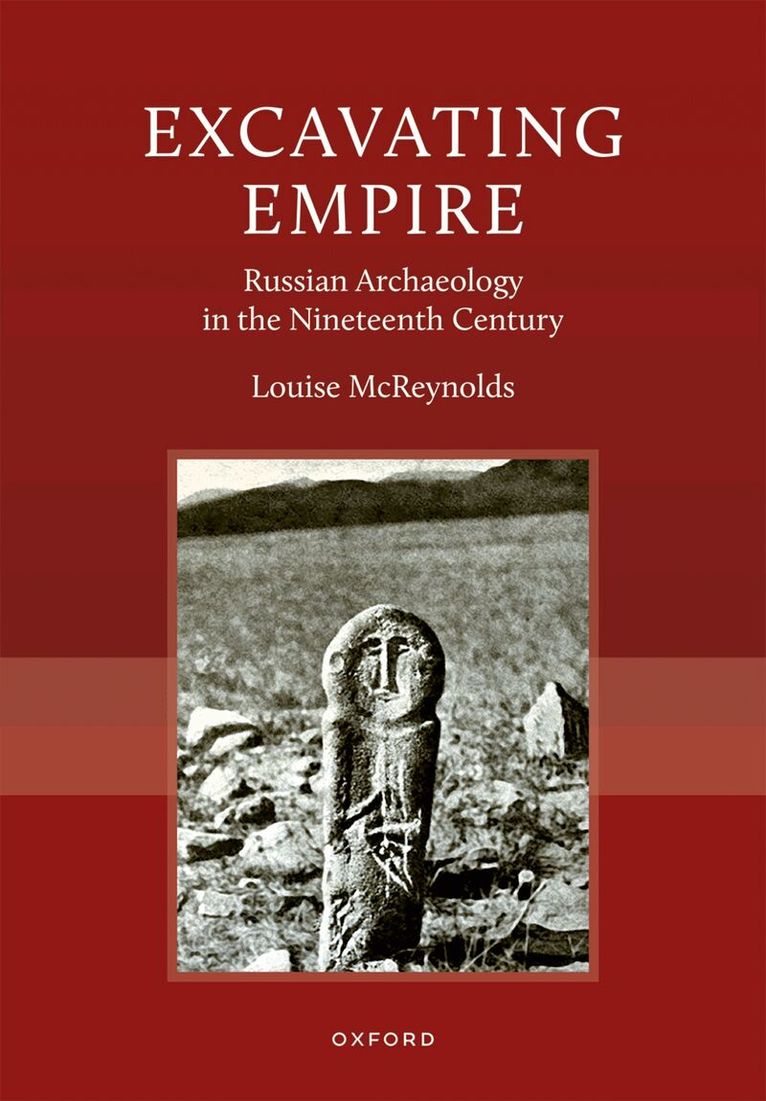
Excavating Empire
1300 kr
Beställningsvara. Skickas inom 7-10 vardagar. Fri frakt över 249 kr.
Beskrivning
This book tells the story of imperial Russia's archeologists, the pioneering generations of men and women who took their trowels to the burial tumuli, Russia's kurgans, and went digging to unearth a tangible, identifiable past. Determined to establish professional standards, they were producing a new kind of knowledge, one with the potential to furnish insights necessary for an objective evaluation of their collective past. If these ambitious would-be scientists came up short on their ideals of objectivity, they succeeded admirably in inserting their endeavors into all the key issues that Russians were grappling with throughout their long 19th century. This happened because archeological artefacts have forever hinted at promises that they have never been able to keep. Their very materiality imbues those who discover them with the optimism that the past can be faithfully recreated from the bones of ancestors lying among the shards of ceramics and bits of tools and utensils that they had made for themselves. Archeology became a science of society that lay accessible beneath the topsoil or in the crumbling and forgotten ruins to all those who craved knowing more about the long-ago. But these objects are always themselves fated to the interpretations of the personalities who extricate them from the earth. Viewing excavations from these disparate gazes, this book puts the archeologists themselves front and center, quibbling with each other and challenging their Western counterparts. The archeologists themselves came from all social backgrounds, beginning with the antiquarians, noble elites who collected antiquities for their artistic values, with no thought to historical contextualization. Additionally, women, school teachers, and even political exiles all made momentous contributions. The enserfed peasanty likewise played their part, whether it was keeping the archeologists from excavating in lands to which they held the right to farm, or in the talented individuals being plucked from the village to make direct contributions. Reconstructing a woolly mammoth from bones washed up in a Siberian riverbed, and arguing for icons as evidence of social not just theological change, Russia's multi-ethnic archeologists excavated objects equally capable of producing a national as an imperial identity. Everything old became new again.
Produktinformation
- Utgivningsdatum: 2026-08-25
- Mått: 156 x 18 x 234 mm
- Vikt: 558 g
- Format: Inbunden
- Språk: Engelska
- Antal sidor: 246
- Förlag: OUP OXFORD
- ISBN: 9780197901694
Utforska kategorier
Betyg & recensioner
0 recensioner
Inga recensioner tillgängliga.