
Scriptural Aesthetics and the Infant Christ
How the New Testament Infancy Narratives Formed the Senses of Early Christian Readers
Inbunden, Engelska, 2027
Del i serien Oxford Theology and Religion Monographs
1 542 kr
Kommande
Beskrivning
Scriptural Aesthetics and the Infant Christ provides a fresh reading of the Matthean and Lukan accounts of Christ's infancy through an examination of their dynamic appeals to the visual and aural senses of their readers. In this study, Evangeline Kozitza Dean shows that the strikingly early and enduring history of aesthetic response to the infancy narratives is not incidental to their exegesis. Rather, issues of sense perception and aesthetics are at the heart of each Gospel writer's distinctive narrative explication of the Incarnation^—^and their concern to orient readers' senses toward the Infant Christ. The book's investigation is carried out by means of an innovative and interdisciplinary approach, which integratestextual exegesis and theological aesthetics, visuality and aurality, the senses of body and of spirit, and the Rezeptionsästhetik between Scriptural text and reader. Navigating these various textures in approach, Kozitza Dean studies the texts of Matthew 1-2 and Luke 1-2, respectively, and then examines three representative case studies from the infancy narratives' earliest reception history: the Protevangelium of James, the writings of Irenaeus of Lyons, and the writings of Origen of Alexandria. The Gospel writers, through their astonishing attentiveness both to the senses of witnesses to the birth of Christ, and to the aesthetic significance of the events they portray, actively formed a new set of witnesses in their readers. Kozitza Dean's study shows that early Christian readers were keenly alert to the aesthetics of the biblical texts, to which they responded in a variety of genres, and with a diversity of exegetical and theological concerns. In working to formulate answers to questions around how to perceive, know, and love God in infant flesh, early Christian readers were themselves formed by the aesthetic impulses at the heart of the New Testament infancy narratives.
Produktinformation
Utforska kategorier
Mer om författaren
Hoppa över listan
Mer från samma serie
Anti-Methodism and Theological Controversy in Eighteenth-Century England
Simon Lewis
Inbunden, 2021
1 304 kr
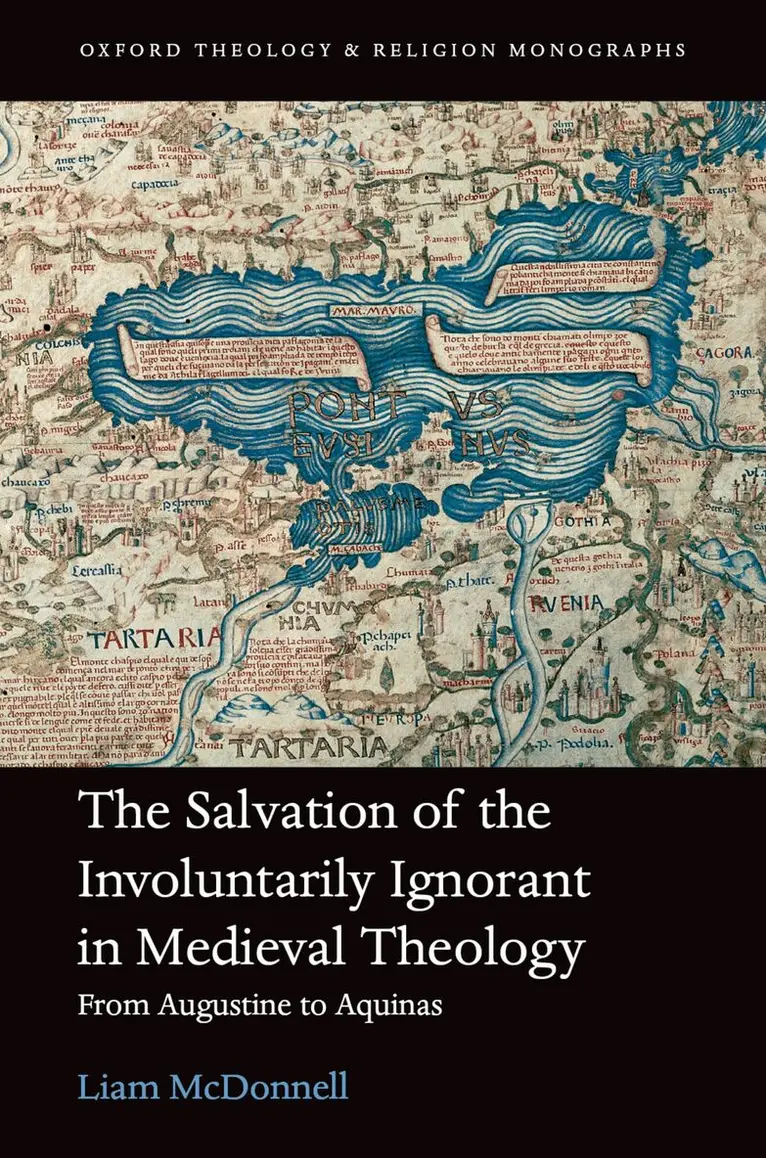
The Salvation of the Involuntarily Ignorant in Medieval Theology
Liam McDonnell
Inbunden, 2026
1 458 kr
Hoppa över listan


Du kanske också är intresserad av
- 10% rabatt på allt
- 10% rabatt på allt
Del 11
The Salvation of the Involuntarily Ignorant in Medieval Theology
Liam McDonnell
Inbunden, 2026
1 458 kr
- Signerad!
Del 3
George Errington and Roman Catholic Identity in Nineteenth-Century England
Serenhedd James
Inbunden, 2016
1 786 kr