• Fri frakt över 249 kr
  • •
  • Snabba leveranser
  • •
  • Billiga böcker
Kundservice

Du är på sajten för privatpersoner.

Företag, bibliotek eller offentlig verksamhet?

Du handlar på classic.bokus.com, där alla dina funktioner finns intakta.
Till classic.bokus.com
Bokus logotyp. Gå till startsidan.
  • Erbjudanden
  • Nyheter
  • Student
  • Topplistor
  • Barn & ungdom
  • Bokus Play
  • E-böcker
  • Pocketböcker
  • Spel & pussel

10% rabatt på allt med kod: NYSTART10 →

Sidfot

Mina sidor

    Hjälp

    • Kundservice
    • Vanliga frågor och svar
    • Frakt och leverans
    • Retur vid ångerrätt
    • Reklamera vara
    • Betalning
    • Köpvillkor
    • Allmänna villkor
    • Information om webbplatsens tillgänglighet

    Om Bokus

    • Om oss
    • Pressrum
    • För studenter
    • För företag
    • För bibliotek och offentlig verksamhet
    • För leverantörer
    • Hållbarhet

    Populärt

    • Aktuella erbjudanden
    • Presentkort
    • Studentlitteratur
    • Nya böcker
    • Topplistor
    • Signerade böcker
    • Engelska böcker

    Inspiration

    • Boktips
    • BookTok
    • Populära bokserier
    • Barnbokskaraktärer
    • Populära författare
    Logotyp för Bokus
    Följ oss på Facebook (extern länk)Följ oss på Instagram (extern länk)Följ oss på YouTube (extern länk)Följ oss på TikTok (extern länk)
    bokus @ CookiesAnpassa cookiesIntegritetspolicyKöpvillkor
    Till Citymail hemsida (extern länk)Till Budbee hemsida (extern länk)Till Postnord hemsida (extern länk)Till Schenker hemsida (extern länk)Till Early Bird hemsida (extern länk)Till Walleys hemsida (extern länk)
    1. Historia och arkeologi
    2. Historia
    3. Forntidens historia

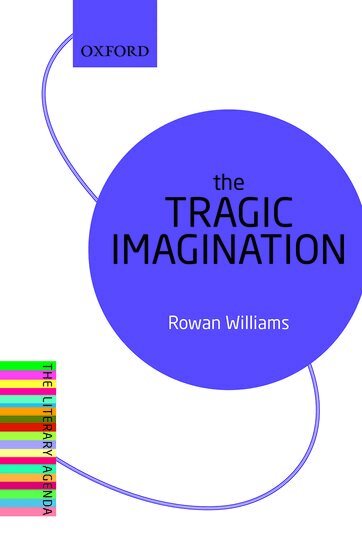
    The Tragic Imagination

    The Literary Agenda

    AvRowan Williams

    Häftad, Engelska, 2016

    Del i serien The Literary Agenda

    391 kr

    Beställningsvara. Skickas inom 7-10 vardagar. Fri frakt över 249 kr.

    Beskrivning

    The Literary Agenda is a series of short polemical monographs about the importance of literature and of reading in the wider world and about the state of literary education inside schools and universities. The category of 'the literary' has always been contentious. What is clear, however, is how increasingly it is dismissed or is unrecognised as a way of thinking or an arena for thought. It is sceptically challenged from within, for example, by the sometimes rival claims of cultural history, contextualized explanation, or media studies. It is shaken from without by even greater pressures: by economic exigency and the severe social attitudes that can follow from it; by technological change that may leave the traditional forms of serious human communication looking merely antiquated. For just these reasons this is the right time for renewal, to start reinvigorated work into the meaning and value of literary reading.This short but thought-provoking volume asks the question 'What is it that tragedy makes us know?'. The focus is on tragedy as a mode of representing the experience of radical suffering, pain, or loss, a mode of narrative through which we come to know certain things about ourselves and our world--about its fragility and ours. Through a mixture of historical discussion and close reading of a number of dramatic texts--from Sophocles to Sarah Kane--the book addresses a wide range of debates: how tragedy is defined, whether there is such a thing as 'absolute tragedy', various modern attempts to rework the classical heritage and the relation of comedy to tragedy. There is also a fresh discussion of whether religious--particularly Christian--discourse is inimical to the tragic, and of the necessary tension between tragic narrative and certain kinds of political as well as religious rhetoric. Rowan Williams argues that tragic drama both articulates failure and frailty and, in affirming the possibility of narrating the story of traumatic loss, refuses to settle for passivity, resignation, or despair. In this sense, it still shows the trace of its ritual and religious roots. And in challenging two-dimensional models of society, power, humanity and human knowing, it remains an intrinsic part of any fully humanist culture.

    Produktinformation

    • Utgivningsdatum:2016-09-29
    • Mått:144 x 194 x 9 mm
    • Vikt:184 g
    • Format:Häftad
    • Språk:Engelska
    • Serie:The Literary Agenda
    • Antal sidor:178
    • Förlag:OUP OXFORD
    • ISBN:9780198736417

    Utforska kategorier

    • Forntidens historia inom Historia och arkeologi
    • Religion: allmänt inom Filosofi och religion
    • Litteraturteori inom Skönlitteratur

    Mer om författaren

    Rowan Williams is Master at Magdalene College, Cambridge.

    Recensioner i media

    There are insights and humane wisdom to be found on every page of Williams's study ... As Williams's incisive readings suggest, great tragedies can yield crucial moral knowledge. Preparing oneself to receive this knowledge, though, likely requires an imagination formed by other liturgies. Even then, perhaps, to watch a tragedy is to undertake a risk that promises no certain insight.

    Innehållsförteckning

    • Introduction 1: Handling danger: the political roots of tragedy 2: Acknowledgement and hiddenness: what does tragedy make us know? 3: Reconciliation and its discontents: thinking with Hegel 4: Absolute tragedy and moral extremity 5: Tragedy against pessimism: religious discourse and tragic drama 6: Conclusions