Häftad, Engelska, 2020
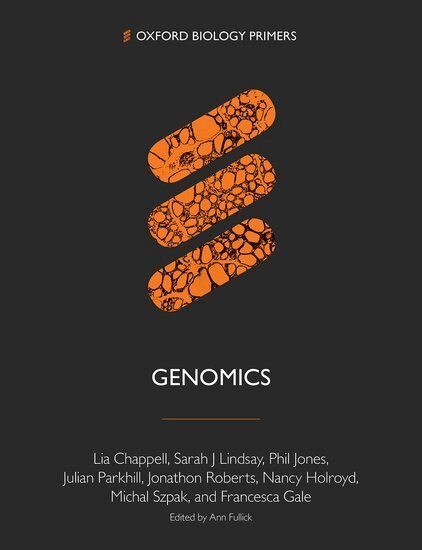
Genomics
Av Julian Parkhill, Sarah J Lindsay, Phil Jones, Lia Chappell, Jonathan Roberts, Nancy Holroyd, Michal Szpak, Francesca Gale
351 kr
Skickas inom 5-8 vardagar
Beskrivning
Written primarily for 16-19 year old students, this primer aims to extend students' knowledge and inspire them to take their school-level learning further. It explores topics that are familiar from the curriculum and also introduces new ideas, giving students a first taste of the study of biology beyond school-level and demonstrating how concepts frequently encountered at school are relevant to and applied in current research. This is the ideal text to support students who are considering making the transition from studying biology at school to university. This Oxford Biology Primer will introduce students to the field of genomics and its applications. From the early days of the Human Genome Project, sequencing technology has rapidly developed and is now cheaper and more accessible than ever before. The resulting pervasive nature of these technologies make them more likely to be experienced by people as patients, consumers and citizens. The primer introduces the basic principles of genomics and then uses these to consider human genetics, through examples of some of the rare diseases linked to single genes. The impact of these rare diseases is far-reaching and the knowledge gained through genome sequencing is proving invaluable in their diagnosis. Genome sequencing is revolutionising the diagnosis and treatment of cancer, and the primer introduces students to some of the key breakthroughs which have taken place in recent years. These include the identification of specific genes indicating cancer risk, and the sequencing of tumours throughout treatment to identify further mutations and modify treatment accordingly.The primer aims to address a number of the ethical issues which are raised by this rapidly-growing area of biology. Students are challenged to consider some of the decisions they may need to make relating to these technologies in their own lives, and are given opportunities to explore different aspects of these issues in a way which allows discussion to be both informed and meaningful.The study of infectious disease is also feeling the impact of genomics: the primer discusses the concept of pathogen genome sequencing, and illustrates the various ways in which this can be used - for example, enabling us to find different solutions to infections, to track outbreaks of disease to their source, and to identify and possibly ultimately combat antibiotic resistance.Many of the major diseases which impact the global population are caused by parasites, which come in a wide variety of shapes and sizes. The primer introduces students to the importance of understanding parasite genomes. Parasite genome sequencing makes it possible to develop both new medicines, and new treatments such as gene drive systems to wipe out disease-causing mosquito populations. For many years, our views of classification and evolution have been based on observational techniques going back to Darwin and Linnaeus. Focusing on human evolution, the primer will open students' eyes to the ways in which genome sequencing is being used to reveal evolutionary links that have never before been recognised, and to elucidate the way humans spread out of Africa across the world. Students are not always aware of the role technological developments play in enabling the progress of science. The final chapter delves into how genome sequencing technologies have developed, considering both the speed of change in the technology, its implications for usefulness, availability and cost, and the growing issue of big data and how it can be manipulated. The different technologies described in this chapter are referenced throughout the book.
Produktinformation
- Utgivningsdatum: 2020-05-01
- Mått: 190 x 245 x 10 mm
- Vikt: 404 g
- Format: Häftad
- Språk: Engelska
- Serie: Oxford Biology Primers
- Antal sidor: 196
- Förlag: OUP OXFORD
- ISBN: 9780198848387
Utforska kategorier
Betyg & recensioner
0 recensioner
Inga recensioner tillgängliga.