• Fri frakt över 249 kr
  • •
  • Snabba leveranser
  • •
  • Billiga böcker
Kundservice

Du är på sajten för privatpersoner.

Företag, bibliotek eller offentlig verksamhet?

Du handlar på classic.bokus.com, där alla dina funktioner finns intakta.
Till classic.bokus.com
Bokus logotyp. Gå till startsidan.
  • Erbjudanden
  • Nyheter
  • Student
  • Topplistor
  • Barn & ungdom
  • Bokus Play
  • E-böcker
  • Pocketböcker
  • Spel & pussel

10% rabatt på allt med kod: NYSTART10 →

Sidfot

Mina sidor

    Hjälp

    • Kundservice
    • Vanliga frågor och svar
    • Frakt och leverans
    • Retur vid ångerrätt
    • Reklamera vara
    • Betalning
    • Köpvillkor
    • Allmänna villkor
    • Information om webbplatsens tillgänglighet

    Om Bokus

    • Om oss
    • Pressrum
    • För studenter
    • För företag
    • För bibliotek och offentlig verksamhet
    • För leverantörer
    • Hållbarhet

    Populärt

    • Aktuella erbjudanden
    • Presentkort
    • Studentlitteratur
    • Nya böcker
    • Topplistor
    • Signerade böcker
    • Engelska böcker

    Inspiration

    • Boktips
    • BookTok
    • Populära bokserier
    • Barnbokskaraktärer
    • Populära författare
    Logotyp för Bokus
    Följ oss på Facebook (extern länk)Följ oss på Instagram (extern länk)Följ oss på YouTube (extern länk)Följ oss på TikTok (extern länk)
    bokus @ CookiesAnpassa cookiesIntegritetspolicyKöpvillkor
    Till Citymail hemsida (extern länk)Till Budbee hemsida (extern länk)Till Postnord hemsida (extern länk)Till Schenker hemsida (extern länk)Till Early Bird hemsida (extern länk)Till Walleys hemsida (extern länk)
    1. Skönlitteratur
    2. Litteraturvetenskap
    3. Litteraturvetenskap

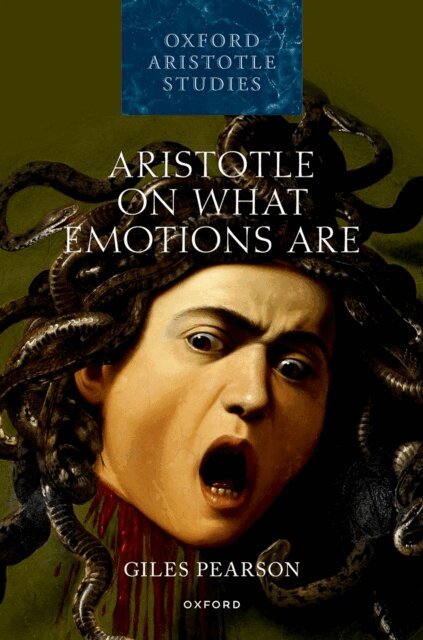
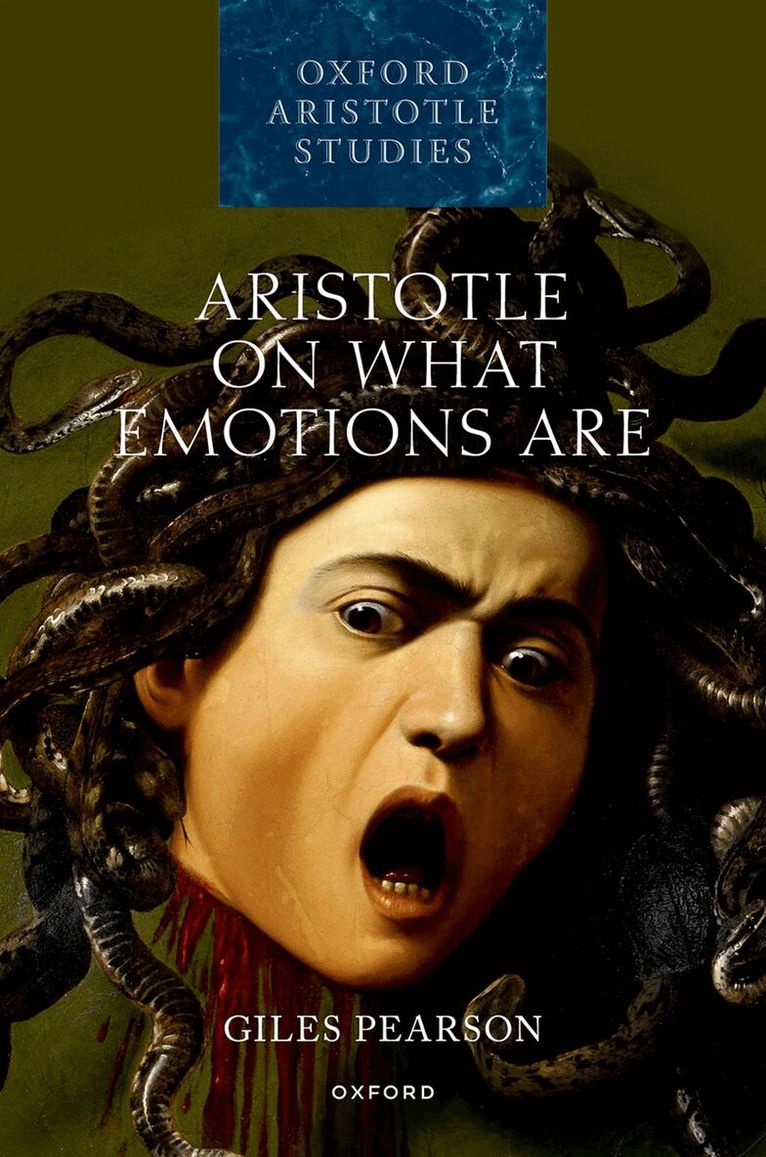
    Aristotle on What Emotions Are

    AvGiles Pearson

    E-bok
    Engelska, 2024

    1 756 kr

    Läs direkt i Bokus Reader – eller ladda ned till din enhet

    Fler format och utgåvor

    Inbunden

    2 340 kr

    E-bok

    1 761 kr

    Beskrivning

    This book provides the first systematic interpretation of what Aristotle thinks occurrent emotions are and points to some philosophical merits of his account. It is argued that he holds that emotions are representational pleasures or distresses that are formed in response to other intentional states that apprehend their objects. Even this bare formulation of his view is notable in several respects. First, the idea that the pleasures or distresses of emotions are representational--directed at objects in the world (or ourselves)--contrasts sharply with accounts that identify emotions with non-representational sensations or feelings. Second, the notion that emotions are pleasurable or distressful responses to other intentional states that apprehend their objects provides a fundamental contrast with many current accounts which instead view emotions as (in part) modes of apprehension or kinds of epistemic state themselves. Third, Aristotle's view stands in opposition to motivational accounts of emotions, insofar as while he thinks that emotions interact with desires or motivational states in important ways, he does not think they are themselves (even in part) motivational states. They are representational pleasures or distresses alone. Together, these three points give Aristotle a novel understanding of the representational role emotions play; namely, neither descriptive, nor prescriptive, but reactive. Besides developing these ideas, both textually and philosophically, the book also explores how Aristotle individuates emotion types; his understanding of the material dimension of emotions; and how his view can provide a novel explanation of recalcitrant emotions, a notoriously problematic phenomenon for many recent accounts of emotions.
    Produktinformation

    • Utgivningsdatum:2024-07-31
    • Språk:Engelska
    • Filformat:EPUB
    • Kopieringsskydd:LCP
    • ISBN:9780198879398
    • Förlag:Oxford University Press

    Utforska kategorier

    • Litteraturvetenskap inom Skönlitteratur
    • Filosofiska discipliner inom Filosofi och religion