• Fri frakt över 249 kr
  • •
  • Snabba leveranser
  • •
  • Billiga böcker
Kundservice

Du är på sajten för privatpersoner.

Företag, bibliotek eller offentlig verksamhet?

Du handlar på classic.bokus.com, där alla dina funktioner finns intakta.
Till classic.bokus.com
Bokus logotyp. Gå till startsidan.
  • Erbjudanden
  • Student
  • Topplistor
  • Barn & ungdom
  • Bokus Play
  • E-böcker
  • Ljudböcker
  • Pocketböcker
  • Spel & pussel

10% rabatt på allt med kod NYSTART10 →

Sidfot

Mina sidor

    Hjälp

    • Kundservice
    • Vanliga frågor och svar
    • Frakt och leverans
    • Retur vid ångerrätt
    • Reklamera vara
    • Betalning
    • Köpvillkor
    • Allmänna villkor
    • Information om webbplatsens tillgänglighet

    Om Bokus

    • Om oss
    • Pressrum
    • För studenter
    • För företag
    • För bibliotek och offentlig verksamhet
    • För leverantörer
    • Hållbarhet

    Populärt

    • Aktuella erbjudanden
    • Presentkort
    • Studentlitteratur
    • Nya böcker
    • Topplistor
    • Signerade böcker
    • Engelska böcker

    Inspiration

    • Boktips
    • BookTok
    • Populära bokserier
    • Barnbokskaraktärer
    • Populära författare
    Logotyp för Bokus
    Följ oss på Facebook (extern länk)Följ oss på Instagram (extern länk)Följ oss på YouTube (extern länk)Följ oss på TikTok (extern länk)
    bokus @ CookiesAnpassa cookiesIntegritetspolicyKöpvillkor
    Till Citymail hemsida (extern länk)Till Budbee hemsida (extern länk)Till Postnord hemsida (extern länk)Till Schenker hemsida (extern länk)Till Early Bird hemsida (extern länk)Till Walleys hemsida (extern länk)
    1. Naturvetenskap och teknik
    2. Matematik och naturvetenskap
    3. Fysik

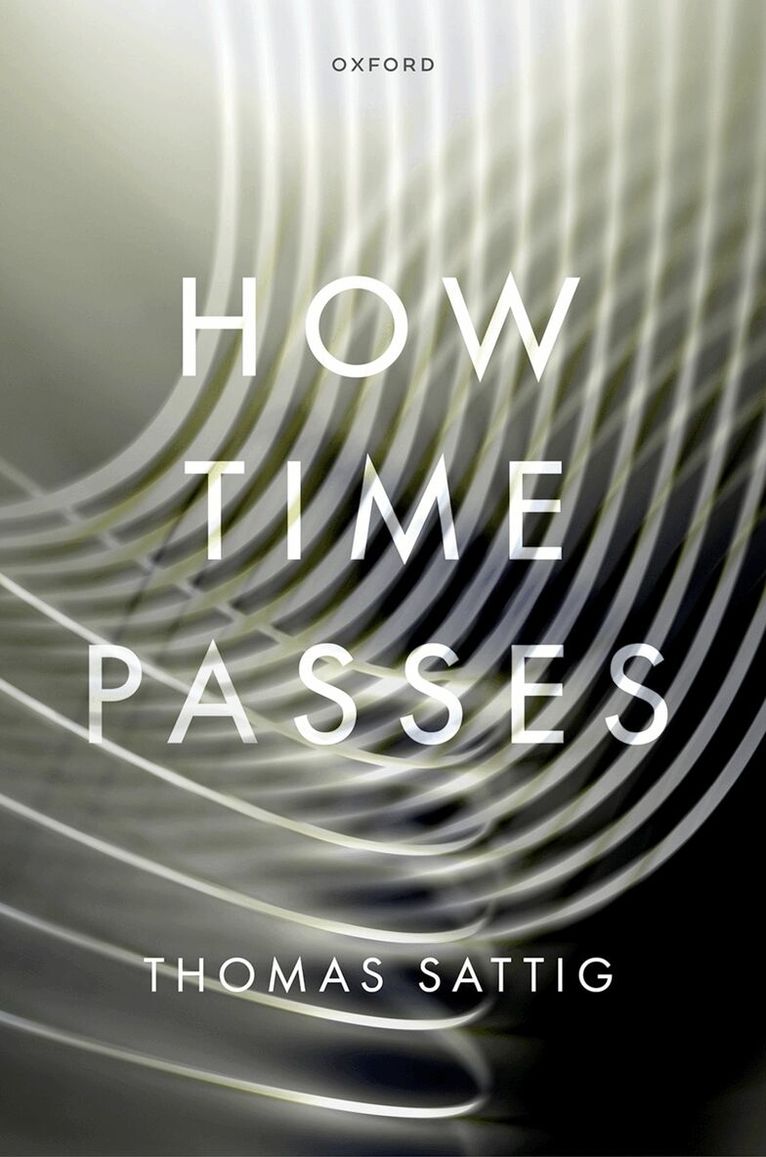
    How Time Passes

    AvThomas Sattig

    Inbunden, Engelska, 2025

    1 073 kr

    Beställningsvara. Skickas inom 5-8 vardagar. Fri frakt över 249 kr.

    Fler format och utgåvor

    E-bok

    959 kr

    E-bok

    959 kr

    Beskrivning

    Time organizes things in a dynamic fashion, whereas space organizes things in a static fashion-so things in time undergo passage, whereas things in space do not. What makes the temporal organization of things dynamic? What is the nature of the passage of time? Traditional discussions of passage have taken one of two perspectives. Some philosophers start with passage as a phenomenon that occurs in the physical world. They ask what constitutes this objective phenomenon. Theirs is a project in metaphysics and the foundations of physics. Others begin with passage as a phenomenon that is given in our experiences of the world. They ask what constitutes this subjective phenomenon. Theirs is a project in philosophy of mind and cognitive science.In How Time Passes, Thomas Sattig gives both perspectives on passage equal weight. The first part of the book concerns the existence and nature of physical passage. The second part is concerned with the existence and nature of experiential passage. In both parts, the standard kind of explanation of passage is juxtaposed with a new kind of explanation. On the tripartite approach, which has dominated classical and contemporary philosophy of time, the denizens of time undergo passage, in virtue of changing with respect to what is past, what is present, and what is future. On the geometrical approach, the denizens of time undergo passage, in virtue of being temporally organized in a manner that does not involve the holding of any geometrical relations between them.

    Produktinformation

    • Utgivningsdatum:2025-04-25
    • Mått:160 x 240 x 20 mm
    • Vikt:490 g
    • Format:Inbunden
    • Språk:Engelska
    • Antal sidor:224
    • Förlag:OUP OXFORD
    • ISBN:9780198929161

    Utforska kategorier

    • Fysik inom Naturvetenskap och teknik
    • Filosofiska discipliner inom Filosofi och religion

    Mer om författaren

    Thomas Sattig is Professor of Theoretical Philosophy at the University of Tübingen. From 2002 to 2005, he was a British Academy Postdoctoral Fellow and a Junior Research Fellow at Brasenose College, Oxford. Sattif has held tenure-track positions as Assistant Professor at Tulane University and at Washington University in St. Louis. He has been a regular Visiting Professor at USI, Lugano since 2019.

    Innehållsförteckning

    • Introduction Part A. Physical Passage 1: Tensed Tripartite Passage 2: Tenseless Tripartite Passage 3: Geometrical Passage 4: Physical Passage and Spacetime Conclusion and Map of Part A Part B. Experiential Passage 5: Temporal Experience 6: Explaining Experiential Passage 7: The Structure of Experiential Time 8: Geometrical Accounts of Experiential Passage Conclusion and Map of Part B