Häftad, Engelska, 2010
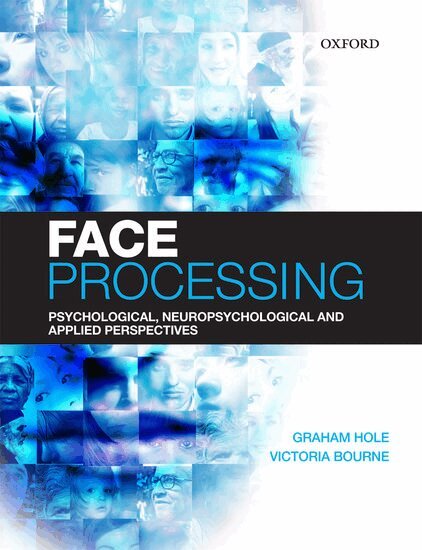
Face Processing
Av Graham Hole, Victoria Bourne
915 kr
Beställningsvara. Skickas inom 5-8 vardagar. Fri frakt över 249 kr.
Beskrivning
How do we recognise familiar faces?What factors determine facial attractiveness?How does face processing develop in infants and children?Why do face reconstruction systems, such as Photofit and E-Fit, produce such poor likenesses of the original face?Face Processing: psychological, neuropsychological and applied perspectives is the first major textbook for 20 years that seeks to answer questions like these. Drawing on the most recent research in the field, and organised around the three main research perspectives - psychological, neuropsychological, and applied - it provides insights on issues of relevance to students from a wide range of disciplines.Face recognition and expression perception have generated a large amount of research over the last decade, and with high profile media coverage of related issues, such as the misidentification of Brazilian student, Jean Charles de Menezes, face processing is a hot topic within the study of psychology. Face Processing captures the excitement in the field, and with reference to a wealth of studies and real-world phenomena, it reveals how our understanding of face processing has developed over the years. The first section of the book, on the psychological perspectives of face processing, considers how we are able to recognise familiar faces; how we can extract information such as emotion, sex and age from a face; and how face processing abilities develop.The second section covers the neuropsychological perspectives, and examines the disorders of face recognition that arise following brain injury, and asks whether faces are a 'special' class of visual stimuli.Finally, a section on the applied perspectives of face processing describes face reconstruction systems, such as Identikit and Photofit, and their limitations; it discusses methods of constructing facial composites, and the phenomenon of 'verbal overshadowing', whereby verbal descriptions of visual stimuli subsequently leads to a temporary impairment in people's ability to recognise those stimuli. Assuming no prior knowledge of the subject, this book is the perfect resource for students studying face processing as part of a psychology degree, and the breadth of its coverage makes it of relevance to computer science students, medical students with an interest in neurology, and students of forensic science, too.Online Resource CentreThe Online Resource Centre to accompany Face Processing: psychological, neuropsychological, and applied perspectives features the following resources for lecturers and students.For registered adoptersFigures from the book available to downloadFor studentsHyperlinks to primary literature articlesWeb link library
Produktinformation
- Utgivningsdatum: 2010-06-17
- Mått: 189 x 247 x 30 mm
- Vikt: 834 g
- Format: Häftad
- Språk: Engelska
- Antal sidor: 432
- Förlag: OUP OXFORD
- ISBN: 9780199235704
- Utmärkelser: Highly Commended in the Psychiatry Category, BMA Medical Book Awards 2011
Utforska kategorier
Betyg & recensioner
0 recensioner
Inga recensioner tillgängliga.