• Fri frakt över 249 kr
  • •
  • Snabba leveranser
  • •
  • Billiga böcker
Kundservice

Du är på sajten för privatpersoner.

Företag, bibliotek eller offentlig verksamhet?

Du handlar på classic.bokus.com, där alla dina funktioner finns intakta.
Till classic.bokus.com
Bokus logotyp. Gå till startsidan.
  • Erbjudanden
  • Nyheter
  • Student
  • Topplistor
  • Barn & ungdom
  • Bokus Play
  • E-böcker
  • Pocketböcker
  • Spel & pussel

10% rabatt på allt med kod: NYSTART10 →

Sidfot

Mina sidor

    Hjälp

    • Kundservice
    • Vanliga frågor och svar
    • Frakt och leverans
    • Retur vid ångerrätt
    • Reklamera vara
    • Betalning
    • Köpvillkor
    • Allmänna villkor
    • Information om webbplatsens tillgänglighet

    Om Bokus

    • Om oss
    • Pressrum
    • För studenter
    • För företag
    • För bibliotek och offentlig verksamhet
    • För leverantörer
    • Hållbarhet

    Populärt

    • Aktuella erbjudanden
    • Presentkort
    • Studentlitteratur
    • Nya böcker
    • Topplistor
    • Signerade böcker
    • Engelska böcker

    Inspiration

    • Boktips
    • BookTok
    • Populära bokserier
    • Barnbokskaraktärer
    • Populära författare
    Logotyp för Bokus
    Följ oss på Facebook (extern länk)Följ oss på Instagram (extern länk)Följ oss på YouTube (extern länk)Följ oss på TikTok (extern länk)
    bokus @ CookiesAnpassa cookiesIntegritetspolicyKöpvillkor
    Till Citymail hemsida (extern länk)Till Budbee hemsida (extern länk)Till Postnord hemsida (extern länk)Till Schenker hemsida (extern länk)Till Early Bird hemsida (extern länk)Till Walleys hemsida (extern länk)
    1. Juridik
    2. Internationell rätt
    3. Folkrätt

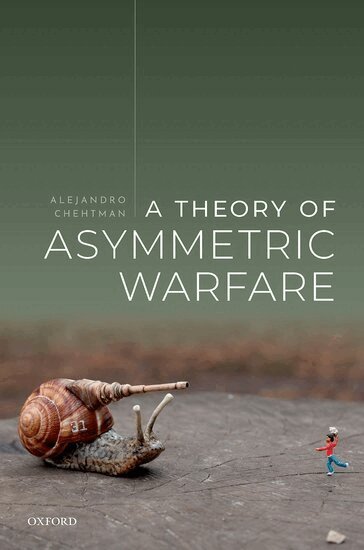
    A Theory of Asymmetric Warfare

    Normative, Legal, and Conceptual Issues

    AvAlejandro Chehtman

    Inbunden, Engelska, 2030

    769 kr

    Kommande

    Beskrivning

    Wars are becoming increasingly asymmetrical: conflicts where one party adopts 'different' and often morally controversial means, strategies, and organizational structures to gain the upper hand. Not only terrorist organizations and guerrilla forces, but also some states, including Brazil, Venezuela, and several others, have been known to use asymmetrical conflict strategies as official policy. Tactics including the use of drone planes, cyber-attacks, deployment of child soldiers, and targeted killings are challenging the current legal framework.Chehtman examines how laws initially devised for more traditional forms of warfare must adapt to contemporary conflicts, and to such tactics. A crucial book on a growing issue, he weighs conflicting theories that either see the law of armed conflicts as accepting the reality of war or consider that the rules should not apply differently in conflict situations as they do in peace.

    Produktinformation

    • Utgivningsdatum:2030-03-01
    • Mått:156 x 234 x 3 mm
    • Format:Inbunden
    • Språk:Engelska
    • Antal sidor:280
    • Förlag:OUP OXFORD
    • ISBN:9780199670031

    Utforska kategorier

    • Folkrätt inom Juridik
    • Mänskliga och medborgerliga rättigheter inom Juridik

    Mer om författaren

    Alejandro Chehtman holds a BA from the University of Buenos Aires and an MSc in Political Theory from the LSE. In 2009, he was awarded his PhD in Law from the LSE for his thesis 'The Morality of Extraterritorial Punishment'. Alejandro has taught Public International Law at the LSE as a Teaching Fellow (2005-9), for which he received a teaching award. He has also taught Criminal Law and Criminal Procedure Law at the University of Buenos Aires, and International Criminal Law at the University Torcuato Di Tella in Argentina. He joined the Faculty of Law at UCL in September 2008 as Research Associate for the Centre for International Courts and Tribunals. At UCL he works on the DOMAC Project, on the impact of international criminal tribunals on domestic prosecutions in mass atrocity cases. He has published articles in Law and Philosophy and the New Criminal Law Review.

    Innehållsförteckning

    • 1: Rights, Individuals, and States2: An Interest-based Justification for the Right to Punish3: Extraterritorial Jurisdiction over Municipal Crimes4: A Theory of International Crimes5: Extraterritorial Jurisdiction over International Crimes6: Legitimate Authority and Extraterritorial Punishment7: Conclusion