• Fri frakt över 249 kr
  • •
  • Snabba leveranser
  • •
  • Billiga böcker
Kundservice

Du är på sajten för privatpersoner.

Företag, bibliotek eller offentlig verksamhet?

Du handlar på classic.bokus.com, där alla dina funktioner finns intakta.
Till classic.bokus.com
Bokus logotyp. Gå till startsidan.
  • Erbjudanden
  • Nyheter
  • Student
  • Topplistor
  • Barn & ungdom
  • Bokus Play
  • E-böcker
  • Pocketböcker
  • Spel & pussel

10% rabatt på allt med kod: NYSTART10 →

Sidfot

Mina sidor

    Hjälp

    • Kundservice
    • Vanliga frågor och svar
    • Frakt och leverans
    • Retur vid ångerrätt
    • Reklamera vara
    • Betalning
    • Köpvillkor
    • Allmänna villkor
    • Information om webbplatsens tillgänglighet

    Om Bokus

    • Om oss
    • Pressrum
    • För studenter
    • För företag
    • För bibliotek och offentlig verksamhet
    • För leverantörer
    • Hållbarhet

    Populärt

    • Aktuella erbjudanden
    • Presentkort
    • Studentlitteratur
    • Nya böcker
    • Topplistor
    • Signerade böcker
    • Engelska böcker

    Inspiration

    • Boktips
    • BookTok
    • Populära bokserier
    • Barnbokskaraktärer
    • Populära författare
    Logotyp för Bokus
    Följ oss på Facebook (extern länk)Följ oss på Instagram (extern länk)Följ oss på YouTube (extern länk)Följ oss på TikTok (extern länk)
    bokus @ CookiesAnpassa cookiesIntegritetspolicyKöpvillkor
    Till Citymail hemsida (extern länk)Till Budbee hemsida (extern länk)Till Postnord hemsida (extern länk)Till Schenker hemsida (extern länk)Till Early Bird hemsida (extern länk)Till Walleys hemsida (extern länk)
    1. Historia och arkeologi
    2. Historia
    3. Forntidens historia

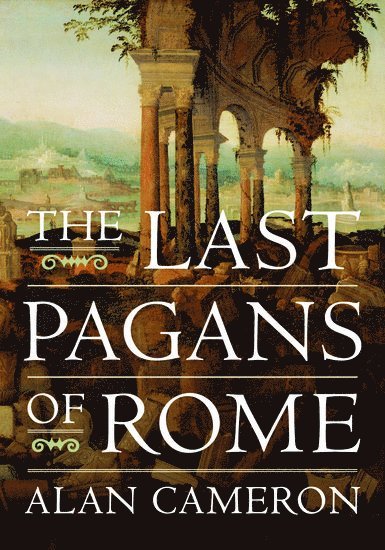
    The Last Pagans of Rome

    AvAlan Cameron

    Inbunden, Engelska, 2011

    2 078 kr

    Beställningsvara. Skickas inom 7-10 vardagar. Fri frakt över 249 kr.

    Fler format och utgåvor

    Häftad

    1 008 kr

    Beskrivning

    Eusebius' Ecclesiastical History (402/3 CE) gives a vivid account of the confrontation between the Eastern Roman Emperor Theodosius and the Western usurper Eugenius. To many, the defeat of Eugenius and his pagan followers along the Frigidus River in 394 was the last gasp of a vigorous pagan revolt in the late fourth century, one spearheaded by the Roman aristocracy. This elaborate campaign to derail Christianity, as the story goes, consisted of identifiable pagan literary circles, pagan patronage of the classics, and pagan propaganda in art and literature. Recently, however, scholars have shown this picture to be wanting in accuracy and nuance. Alan Cameron's The Last Pagans of Rome will replace this view with a richly detailed portrait of pagan society during the pivotal fourth and early fifth centuries.The subject of his book is not the conversion of the last pagans but rather the duration, nature, and consequences of their survival. It is widely believed that pagan aristocrats remained in the majority till at least the 380s, and continued to be a powerful force well into the fifth century. On this basis the main focus of much modern scholarship has been on their supposed stubborn resistance to Christianity. Rather surprisingly, these aristocrats have been transformed from the arrogant, philistine land-grabbers most of them were into fearless champions of senatorial privilege, literature lovers, and aficionados of classical (especially Greek) culture. The dismantling of this romantic myth is one of the main goals of Cameron's book. If a pagan aristocracy did not mount a defiant political and cultural rearguard action, what did they do? If elite culture at this time was not starkly divided between pagan and Christian, what did it look like? By sifting through the abundant textual evidence-from the Church Fathers Ambrose, Augustine, and Jerome to the classicizing authors Claudian, Macrobius, and Aullus Gellius-as well as the visual evidence (diptychs, illuminated manuscripts, silverware, and ivories), Cameron develops sophisticated and comprehensive answers to these questions. Among the provocative conclusions he makes is that the many activities and artifacts previously identified as hallmarks of a pagan revival were in fact just as important to the life of cultivated Christians. Far from being a subversive pagan activity designed to rally pagans, the promotion of classical literature, learning, and art-and its acceptance by many elite Christians-may actually have helped the last reluctant pagans to finally abandon the old cults and adopt Christianity. Throughout Cameron's careful analysis he engages, often with wit and pugnacity, with the mountain of scholarship on the subject. The culmination of several decades of research, The Last Pagans of Rome will be quite simply a landmark publication.

    Produktinformation

    • Utgivningsdatum:2011-01-27
    • Mått:257 x 191 x 48 mm
    • Vikt:1 715 g
    • Format:Inbunden
    • Språk:Engelska
    • Antal sidor:896
    • Förlag:OUP USA
    • ISBN:9780199747276

    Utforska kategorier

    • Forntidens historia inom Historia och arkeologi
    • Religion: allmänt inom Filosofi och religion
    • Kristendom inom Filosofi och religion

    Mer om författaren

    Alan Cameron is Anthon Professor of the Latin Language and Literature at Columbia University. He is the winner of the 2013 Kenyon Medal for Classical Studies and Archaeology of the British Academy.

    Recensioner i media

    Cameron dissects and deconstructs more than 100 years of scholarship about the transition from what we call late Roman imperial pagan culture to what is known as the triumph of Christianity. As befits a scholar whose work in this area since 1964 includes countless articles and reviews and six books, the weighing of ancient evidence and modern scholarly opinion in The Last Pagans is meticulous.

    Innehållsförteckning

    • 1: Pagans and Polytheists2: From Constantius to Theodosius3: The Frigidus4: Pagan Priests and Initiates5: Pagan Converts6: Pagan Writers7: Macrobius and the "Pagan" Culture of his Age8: The Poem against the Pagans 9: Other Christian Invectives10: The Real Circle of Symmachus11: The "Pagan" Literary Revival 12: Correctors and Critics I13: Correctors and Critics II14: The Livian Revival15: Greek Texts and Latin Translation16: Pagan Scholarship: Vergil and his Commentators17: The Annales of Nicomachus Flavianus I18: The Annales of Nicomachus Flavianus II19. Classical Revivals 20: The Historia AugustaConclusion Appendix: The Poem against the Pagans