• Fri frakt över 249 kr
  • •
  • Snabba leveranser
  • •
  • Billiga böcker
Kundservice

Du är på sajten för privatpersoner.

Företag, bibliotek eller offentlig verksamhet?

Du handlar på classic.bokus.com, där alla dina funktioner finns intakta.
Till classic.bokus.com
Bokus logotyp. Gå till startsidan.
  • Erbjudanden
  • Nyheter
  • Student
  • Topplistor
  • Barn & ungdom
  • Bokus Play
  • E-böcker
  • Pocketböcker
  • Spel & pussel

10% rabatt på allt med kod: NYSTART10 →

Sidfot

Mina sidor

    Hjälp

    • Kundservice
    • Vanliga frågor och svar
    • Frakt och leverans
    • Retur vid ångerrätt
    • Reklamera vara
    • Betalning
    • Köpvillkor
    • Allmänna villkor
    • Information om webbplatsens tillgänglighet

    Om Bokus

    • Om oss
    • Pressrum
    • För studenter
    • För företag
    • För bibliotek och offentlig verksamhet
    • För leverantörer
    • Hållbarhet

    Populärt

    • Aktuella erbjudanden
    • Presentkort
    • Studentlitteratur
    • Nya böcker
    • Topplistor
    • Signerade böcker
    • Engelska böcker

    Inspiration

    • Boktips
    • BookTok
    • Populära bokserier
    • Barnbokskaraktärer
    • Populära författare
    Logotyp för Bokus
    Följ oss på Facebook (extern länk)Följ oss på Instagram (extern länk)Följ oss på YouTube (extern länk)Följ oss på TikTok (extern länk)
    bokus @ CookiesAnpassa cookiesIntegritetspolicyKöpvillkor
    Till Citymail hemsida (extern länk)Till Budbee hemsida (extern länk)Till Postnord hemsida (extern länk)Till Schenker hemsida (extern länk)Till Early Bird hemsida (extern länk)Till Walleys hemsida (extern länk)
    1. Samhälle och politik
    2. Samhälle och kultur
    3. Kultur och medier
    4. Referensverk och tvärvetenskap

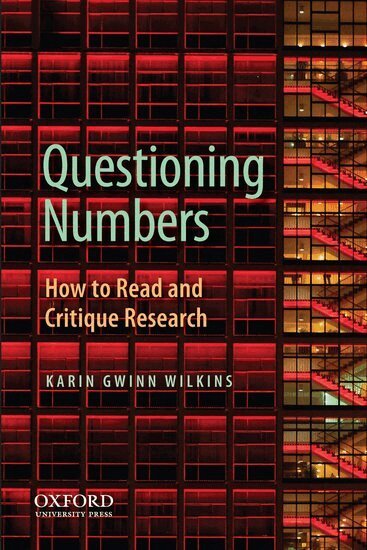
    Questioning the Politics of Numbers

    How to Read and Critique Research

    AvKarin Wilkins

    Häftad, Engelska, 2011

    425 kr

    Beställningsvara. Skickas inom 5-8 vardagar. Fri frakt över 249 kr.

    Beskrivning

    Questioning Numbers: How to Read and Critique Research is a critical companion for students in research methods courses in any of the social sciences. This book helps teach students how to read and critique research that employs numbers in the course of empirical argument. Author Karin Gwinn Wilkins provides a list of guidelines for reading research and also presents a critical approach to judging and using numbers in navigating and changing social worlds. Illuminating the agendas and politics that can inform how research is conducted and interpreted, this text shows readers how to read and critique research contexts, research design, sampling strategies, definitions, research implementation, data analysis, and interpretation. It also provides strong pedagogical support, including key terms, review exercises, and end-of-chapter reflection questions.A flexible supplement to more comprehensive research texts, Questioning Numbers helps students to become more critical consumers and producers of quantitative research across the social sciences.

    Produktinformation

    • Utgivningsdatum:2011-01-20
    • Mått:137 x 203 x 10 mm
    • Vikt:177 g
    • Format:Häftad
    • Språk:Engelska
    • Antal sidor:128
    • Förlag:OUP USA
    • ISBN:9780199747399

    Utforska kategorier

    • Referensverk och tvärvetenskap inom Samhälle och politik
    • Sociologi inom Samhälle och politik

    Mer om författaren

    Karin Gwinn Wilkins is a Professor in the Department of Radio-TV-Film at the University of Texas at Austin.

    Recensioner i media

    "A handy-dandy methods supplement that really does a great job of helping students understand why scholars make the choices they do in research design and implementation."--David M. Rhea, Governors State University"This book offers students a different lens to think about all scholarship, including questions about research design and power, who funds scholarship, who is privileged (and who is left out) of research, and who gets to approve and to deny the practice of scholarship. The book gives students the language necessary to ask fundamental questions about scholarly methods that are often assumed to be true or that are typically unquestioned. Students, like Americansin general, have grown up with the notion that science is objective and provides a superior form of understanding the world, when in fact the scientific method does create an argument, often aroundnumbers, that should be examined with a critical eye."--Brant Short, Northern Arizona University"The book does a good job of showing students how to read and critique research that uses numbers. After reading this book, students will understand how research context, selection, definition, implementation, analysis, and interpretation can impact data. And understanding this context is very useful to students."--Gonzalo R. Soruco, University of Miami"A wonderful resource that will encourage students to critically examine the impact of numbers in their lives. Karin Gwinn Wilkins's examination of the social, political, and psychological ramifications of empirical conclusions will ensure that students never take research for granted again."--Andrea Lambert, Northern Kentucky University

    Innehållsförteckning

    • UNDERSTANDING NUMBERS; DEDUCTIVE AND INDUCTIVE PROCESSES; INTRINSIC VALUE; THE POLITICAL CONTEXT OF RESEARCH; RESEARCH ILLUSTRATIONS; NUMERICAL LITERACY; KEY TERMS; REFLECTION QUESTIONS; EXERCISE; WHO PRODUCED THE RESEARCH?; RESEARCHERS' HOME INSTITUTIONS; FUNDING INSTITUTIONS; PERMISSION GRANTING INSTITUTIONS; WHAT IS THE PURPOSE OF THE RESEARCH?; WHAT ARE THE RESEARCH QUESTIONS?; HOW IS THE RESEARCH JUSTIFIED?; WHY THE RESEARCH CONTEXT MATTERS; KEY TERMS; REVIEW QUESTIONS; REFLECTION QUESTIONS; EXERCISE; WHAT IS THE RESEARCH DESIGN?; WHAT ARE THE INTERNAL VALIDITY CONCERNS?; EXPERIMENTAL DESIGN; QUASI-EXPERIMENTAL CROSS-SECTIONAL DESIGN; QUASI-EXPERIMENTAL LONGITUDINAL DESIGN; CASE STUDY DESIGN; QUESTIONING RESEARCH DESIGNS; WHY RESEARCH DESIGN MATTERS; KEY TERMS; REVIEW QUESTIONS; REFLECTION QUESTIONS; EXERCISE; WHO OR WHAT IS THE SUBJECT OF THE RESEARCH?; VULNERABLE POPULATIONS; HOW ARE SUBJECTS SELECTED?; PROBABILITY SAMPLING; NON-PROBABILITY SAMPLING; WHAT ARE THE LIMITATIONS OF THE SAMPLE?; WHY SELECTION STRATEGIES MATTER; KEY TERMS; REVIEW QUESTIONS; REFLECTION QUESTIONS; EXERCISE; HOW ARE KEY CONCEPTS DEFINED?; HOW ARE VARIABLES OPERATIONALIZED FROM CONCEPTS?; WHAT DO WE KNOW ABOUT KEY VARIABLES?; MEASUREMENT; ASSESSMENT; WHY DEFINITIONS MATTER; KEY TERMS; REVIEW QUESTIONS; REFLECTION QUESTIONS; EXERCISE; HOW ARE DATA GATHERED?; HOW DO RESEARCHERS GAIN ACCESS TO DATA?; DECEPTION; VOLUNTARY PARTICIPATION; INFORMED CONSENT; PUBLIC SPACE; HOW DO RESEARCHERS DOCUMENT THEIR OBSERVATIONS?; RECORDING OBSERVATIONS; CONFIDENTIALITY AND ANONYMITY; WHY RESEARCH IMPLEMENTATION MATTERS; KEY TERMS; REVIEW QUESTIONS; REFLECTION QUESTIONS; EXERCISE; WHAT DO WE KNOW ABOUT PATTERNS ACROSS VARIABLES?; SIGNIFICANCE; STRENGTH; CAUSALITY; WHAT DO WE STILL NEED TO KNOW?; WHY ANALYSIS AND INTERPRETATION MATTER; KEY TERMS; REVIEW QUESTIONS; REFLECTION QUESTIONS; EXERCISE; GUIDELINE OF QUESTIONS; QUESTIONING THE RESEARCH CONTEXT; QUESTIONING THE RESEARCH DESIGN; QUESTIONING THE SELECTION STRATEGY; QUESTIONING KEY TERMS; QUESTIONING THE RESEARCH IMPLEMENTATION; QUESTIONING ANALYSIS & INTERPRETATION; WHY THE POLITICAL CONTEXT MATTERS