E-bok, Engelska, 2011
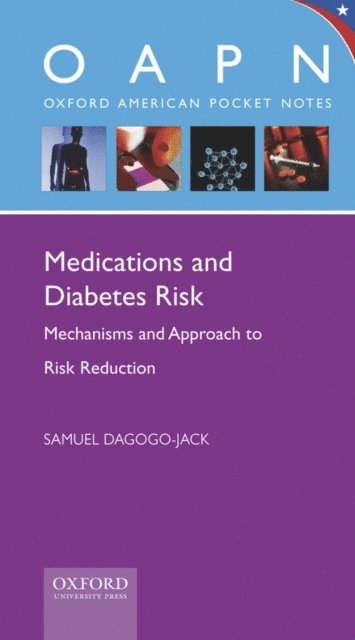
Medications and Diabetes Risk
101 kr
Läs direkt i Bokus Reader – eller ladda ned till din enhet (PDF kräver ofta zoom och scroll på små skärmar).
Beskrivning
More than 23 million Americans currently have diabetes and approximately 54 million have pre-diabetes. People with diabetes often also require medications for several co-morbid conditions (including hypertension, dyslipidemia, depression, heart disease, pain syndromes). Yet, a vast literature abounds on the potential adverse effects of numerous medications on glucose metabolism. Thus, genuine clinical concern exists that certain medications used for treatment of co-morbid conditions and other indications (such as hormone replacement, contraception, infections) might worsen glycemic control in diabetic patients or trigger diabetes in others. These concerns influence therapeutic decisions in a manner that sometimes emphasizes avoidance of possible dysglycemia over effective control of the co-morbid conditions. The same concerns may also weigh against the otherwise appropriate use of necessary medications.
The purpose of this concise book is to provide clinicians with actionable knowledge regarding the effects of various medications on glucose regulation and diabetes risk. Beginning with a brief overview of diabetes pathophysiology, the different drugs have been organized by class, and the scientific evidence for the diabetes risk and possible mechanisms have been presented for each drug. The agents discussed include widely prescribed medication classes: antibiotics, antidepressants, antihypertensives, bronchodilators, estrogens and oral contraceptives, glucocorticoids, lipid-lowering agents, NSAIDs, and thyroid hormone. Although less widely prescribed than the foregoing list, atypical antipsychotics, HIV antiretrovirals, immunomodulatory agents, and human growth hormone, have also been included because of the interest generated by their link to diabetes risk. In addition to medications used in ambulatory practice, this work includes a discussion of total parenteral nutrition (TPN)-induced hyperglycemia, which is associated with increased morbidity and mortality among hospitalized patients. For completeness, an account of the growing link between use of recreational drugs (alcohol, nicotine, cannabinoids, opioids, cocaine) and glucose abnormalities has been included, because of the possible intersection between these addictive agents and the growing diabetes epidemic.
With some medications, the data presented should help debunk myths, clarify misperceptions and provide reassurance to the practicing clinicians. Wherever the evidence supports increased diabetes risk, clear suggestions are given on how to reduce the risk. This book serves two essential functions: to enable clinicians to confidently prescribe therapeutic regimens that embody the best risk-benefit profile with regard to glycemia, and to equip them with the know-how for preventing and managing drug-induced hyperglycemia
The purpose of this concise book is to provide clinicians with actionable knowledge regarding the effects of various medications on glucose regulation and diabetes risk. Beginning with a brief overview of diabetes pathophysiology, the different drugs have been organized by class, and the scientific evidence for the diabetes risk and possible mechanisms have been presented for each drug. The agents discussed include widely prescribed medication classes: antibiotics, antidepressants, antihypertensives, bronchodilators, estrogens and oral contraceptives, glucocorticoids, lipid-lowering agents, NSAIDs, and thyroid hormone. Although less widely prescribed than the foregoing list, atypical antipsychotics, HIV antiretrovirals, immunomodulatory agents, and human growth hormone, have also been included because of the interest generated by their link to diabetes risk. In addition to medications used in ambulatory practice, this work includes a discussion of total parenteral nutrition (TPN)-induced hyperglycemia, which is associated with increased morbidity and mortality among hospitalized patients. For completeness, an account of the growing link between use of recreational drugs (alcohol, nicotine, cannabinoids, opioids, cocaine) and glucose abnormalities has been included, because of the possible intersection between these addictive agents and the growing diabetes epidemic.
With some medications, the data presented should help debunk myths, clarify misperceptions and provide reassurance to the practicing clinicians. Wherever the evidence supports increased diabetes risk, clear suggestions are given on how to reduce the risk. This book serves two essential functions: to enable clinicians to confidently prescribe therapeutic regimens that embody the best risk-benefit profile with regard to glycemia, and to equip them with the know-how for preventing and managing drug-induced hyperglycemia
Produktinformation
- Utgivningsdatum: 2011-01-24
- Språk: Engelska
- Filformat: PDF
- Kopieringsskydd: LCP
- ISBN: 9780199749553
- Förlag: Oxford University Press
Utforska kategorier
Betyg & recensioner
0 recensioner
Inga recensioner tillgängliga.